Bringing food into Australia: how to declare, and tick "Yes" on the card if unsure
Australia has strict rules on bringing in food, plants and items made from animals. This guide focuses on two points: if you declare, you will not be charged with an offence, and if you are unsure, tick "Yes" on the Incoming Passenger Card.
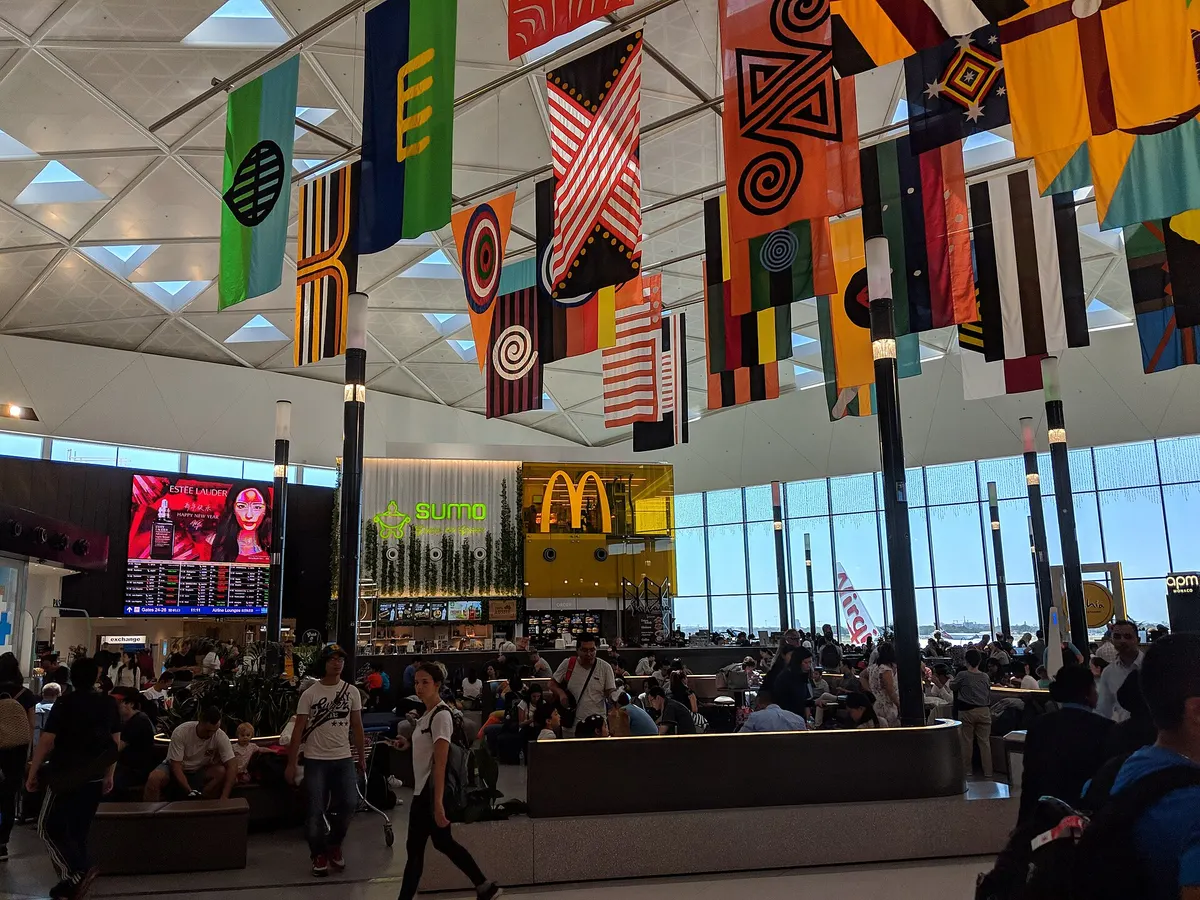
When you land in Australia, you may find yourself unsure whether the snacks or seasonings in your bag need to be declared. According to the Australian Embassy in Japan, you will not be charged with an offence for carrying a prohibited item if you declare it. Remember two things, declare and, when unsure, tick "Yes" on the Incoming Passenger Card, and you can get through the process calmly.
What you need to declare
The embassy's quarantine page asks travellers who have plants, animals, items made from plants or animals, or certain foods (for example dairy products, fish and fish products, honey, and meat and meat products) to tick the relevant box on the Incoming Passenger Card handed out on the plane and declare them. Plant-based items such as buckwheat-husk pillows, lacquered tableware, chopsticks and New Year decorations are also listed as examples that need to be declared.
On the other hand, the page says that foods such as "commercially made biscuits and cakes in which all ingredients are fully cooked" and "commercially made noodles containing only plant-based ingredients" do not need to be declared. In addition, according to the UK government (GOV.UK), you must also declare if you have been in contact with farms, farm animals, wilderness areas or freshwater streams or lakes in the past 30 days.
On the card, tick "Yes" if unsure
The Incoming Passenger Card is handed out on the plane. According to the embassy, it is a legal document and must be filled in accurately by the traveller. You should tick "Yes" for any question that applies to you, and also tick "Yes" if you are unsure.
After immigration, the card is returned to you with your passport. You will need it for quarantine and customs after collecting your checked baggage, so be careful not to lose it. Once you have your baggage, hand the card to an officer at the inspection area and follow their instructions.
What happens after you declare
According to the Australian Office in Taipei, officers inspect the items you declare, and items with no biosecurity risk are returned to you. If an item is considered a risk, you will be asked whether to dispose of it, export it or have it treated in another way, and you will be told about the costs and waiting time.
Baggage is also checked by X-ray and detector dogs. If a beagle comes up to you near the baggage conveyor, the embassy asks you to put your bags on the floor and let the dog check them. Dogs sometimes react to the lingering smell of meat or fruit that was in a bag 1–2 days earlier, but if you explain and no problem is found, your baggage will be returned.
Fines for not declaring
Failing to declare or making a false declaration can lead to fines and penalties. According to the embassy, since July 1, 2023, infringement notices of up to 6,260 Australian dollars can be issued at the airport. The UK government also warns that you can get a heavy fine if you break quarantine rules.
If you have something you do not want to declare, you can throw it into a quarantine bin on the way to the baggage hall before handing your card to an officer. Rather than carrying an item through while unsure, it is safer to either declare it or dispose of it there.
What you can bring depends on the item
Conditions for bringing in goods are set in detail for each type of item, such as eggs, dairy, meat and fish, and some have quantity limits. You can look them up on the embassy's quarantine page or in the Australian government's import conditions database (BICON), so check the things you want to bring before you leave.
Sources
- QuarantineJapanesechecked
- Entry requirements - Australia travel advice - GOV.UKchecked
- Visiting AustraliaJapanesechecked
- Australia travel advicechecked