Schengen's EES is fully operational, while ETIAS has not started yet
In Europe's Schengen Area, the EES, which records entries and exits, became fully operational on April 10, 2026. Meanwhile, the ETIAS pre-travel authorisation has not started and no applications are being accepted.
If you are planning a short trip to Europe and have heard that entry procedures have changed, you may be wondering what you need to prepare. What has changed is how entries are recorded at the border (EES); the travel authorisation you apply for before departure (ETIAS) has not started yet, and no applications are being accepted. Here is what the official guidance says about each.
What is the EES?
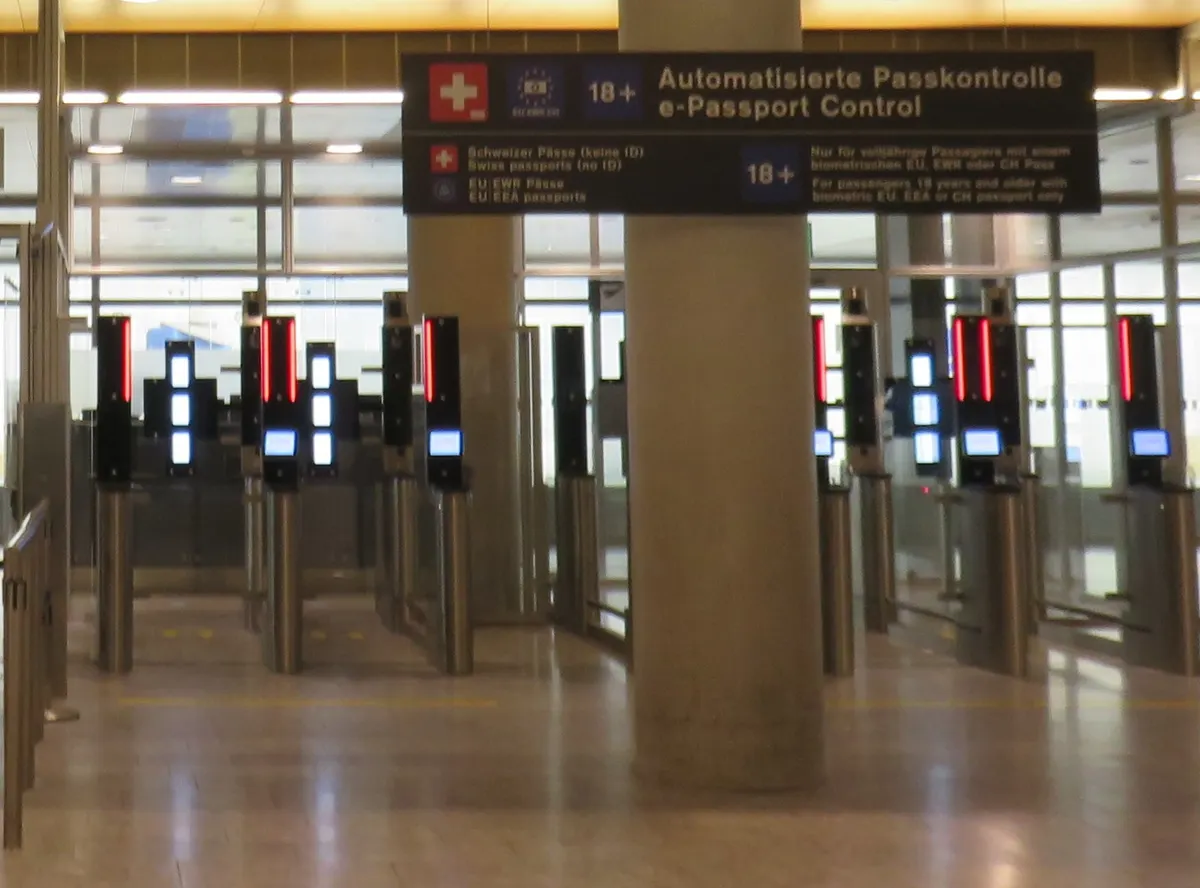 Zurich International Airport - 2018-11-01 - IMG 1783.jpg: PESP/ Wikimedia derivative work: Bonus bon / CC BY-SA 4.0
According to the European Commission, the EES (Entry/Exit System) records the name and travel document data, fingerprints and facial images, and the date and place of entry and exit each time a non-EU national crosses the external borders of the participating countries for a short stay. Since April 10, 2026, it has replaced the stamping of passports.
The EU agency eu-LISA announced that the progressive roll-out that began in October 2025 ran over 180 days, and that on April 10, 2026 all Schengen countries had the system in place at their external borders. Non-EU and non-Schengen nationals entering the Schengen Area for a short stay from now on will go through border checks with the EES.
Who it applies to
According to France's Ministry for Europe and Foreign Affairs, the EES applies to all nationals of non-EU and non-Schengen countries "whether they require a visa or not" who enter for a short stay of up to 90 days within any 180-day period. This includes people from non-EU countries such as Japan, the United States and South Korea travelling as tourists.
Nationals of EU Member States (including Ireland and Cyprus) and Schengen countries are not covered, and, as an exception, neither are nationals of Andorra, San Marino, Monaco or the Holy See. This means nationals of EU countries such as Spain do not go through the EES procedure. Holders of long-stay visas or residence permits do not have their personal data registered.
What happens at the border
The data recorded are the passport details such as full name, date of birth, nationality, document number and expiry date; the place, date, time and purpose of each entry and exit; and a facial image and fingerprints. Children under 12 do not give fingerprints, but their facial image is taken. The European Commission says the EES allows wider use of automated border control gates and self-service systems.
Where it is used
The EES is used by the 29 countries of the Schengen Area: the EU Member States except Cyprus and Ireland, plus Iceland, Liechtenstein, Norway and Switzerland. The United Kingdom is not one of these 29 countries, so if you are going to the UK, check the UK's rules separately.
ETIAS has not started yet
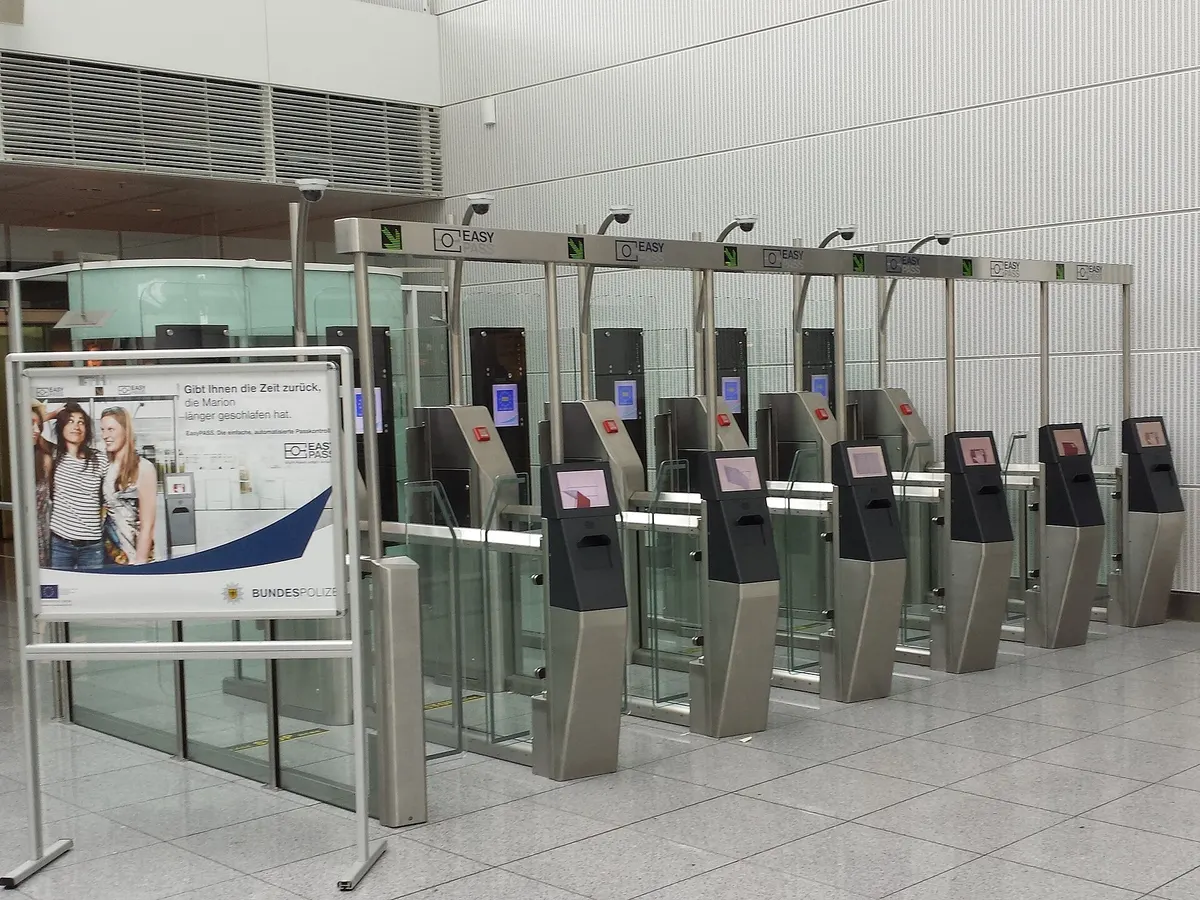
ETIAS (European Travel Information and Authorisation System) is a travel authorisation that nationals who do not need a visa will apply for online before a short stay. The European Commission currently states that ETIAS is "currently not in operation and no applications for travel authorisations are collected at this point". The EU will announce the start date several months before launch, and no start date has been set yet.
The fee has been set at EUR 20, and people under 18 and over 70 will not have to pay. France's Ministry for Europe and Foreign Affairs explains that once issued, the authorisation will allow multiple entries for 3 years or until the passport used in the application expires, whichever is sooner, as long as stays do not exceed 90 days within any 180-day period.
Beware of fake websites
Since ETIAS has not started, be careful with websites that claim you can apply now. France's Ministry for Europe and Foreign Affairs says no websites currently issue ETIAS authorisations and warns travellers to beware of fraudulent websites.
Rules can change. Before you leave, check the latest information on ETIAS and the EES on the European Commission's official website.
Sources
- Entry-Exit System - Migration and Home Affairs - European Commissionchecked
- European Travel Information Authorisation System - Migration and Home Affairschecked
- The EES and ETIAS systems: what’s different for people traveling to the Schengen Area | France Diplomatiechecked
- Entry/Exit System fully deployed across the EU | eu-LISAchecked
- The European travel authorisation ETIAS will cost EUR 20 - Migration and Home Affairschecked