Winter in Hawaii is humpback whale season — viewing from shore and the 100-yard rule
According to the Hawaiian Islands Humpback Whale National Marine Sanctuary, whales can be seen from shore and at sea from November through April. Here are the distance rules and who to call if you see a whale in trouble.
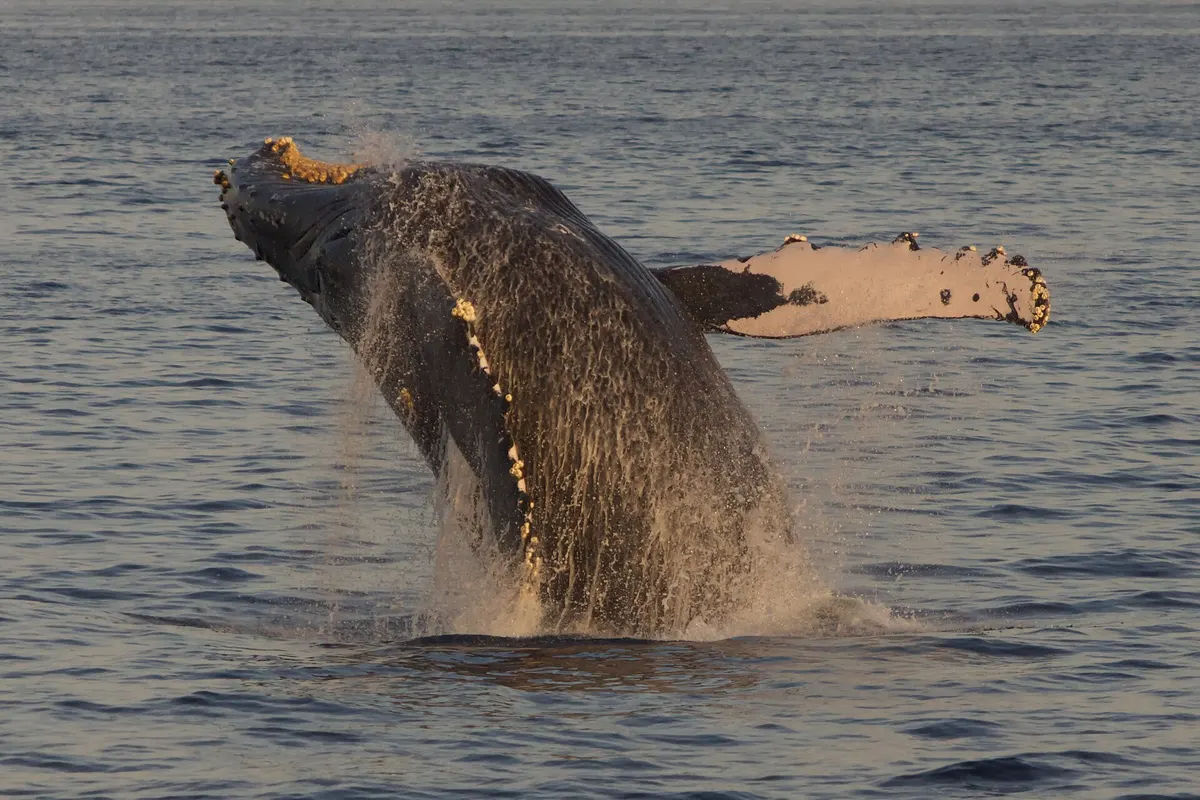
If you are going to Hawaii in winter, your trip overlaps with humpback whale season. The Hawaiian Islands Humpback Whale National Marine Sanctuary explains that every winter humpback whales come to Hawaii's warm, shallow waters to mate, give birth and raise their young. More than half of the humpback whales in the North Pacific use the waters around the islands as their main winter breeding ground.
When to see them
The sanctuary says whales can be seen from shore and at sea from November through April. According to NOAA's count report, volunteers often see fewer whales in March as more of them begin migrating back to their northern feeding grounds. Sightings also depend on the day and the weather, so it helps to leave some flexibility in your plans.
Where to watch
NOAA Fisheries recommends viewing dolphins and whales from a boat or from shore, and using binoculars or a camera zoom for a closer look. Together with the Pacific Whale Foundation's count held on the same days, the sanctuary's volunteer counts take place from shore on Hawaiʻi Island, Maui, Molokaʻi, Lānaʻi, Oʻahu and Kauaʻi.
NOAA's report includes photos of count volunteers scanning the ocean at Lānaʻi Lookout on Oʻahu and of whales seen off the Hawaiian Paradise Park cliffs on Hawaiʻi Island. For people heading out by boat or kayak, the sanctuary offers a free online course called Spout Spotter.
How close you can get
According to the sanctuary's regulations page, approaching humpback whales by any means within 100 yards (about 90 m) on or in the water is prohibited. This includes swimmers, stand-up paddleboards, kayaks, canoes, vessels and drones; for aircraft, the limit is 1,000 feet (about 300 m). The rule applies to all ocean users year-round, within the sanctuary and anywhere in Hawaiian waters out to 200 nautical miles.
The same rule applies when you are on a tour boat. Before joining, it is worth checking how the tour operator keeps to the distance rule.
PRKlookFind Hawaii whale watching on Klook↗PRKKdayFind Hawaii whale watching on KKday↗NOAA Fisheries' Hawaii page also recommends viewing distances for other animals: at least 10 feet (3 m) for sea turtles, at least 50 feet (15 m) for Hawaiian monk seals, at least 150 feet (about 45 m) for mother seals and pups, and at least 50 yards (46 m) for dolphins and small whales.
For spinner dolphins, federal law prohibits swimming with, approaching or remaining within 50 yards of them in Hawaii. The page also asks visitors not to disturb sea turtles or monk seals sleeping on the beach, never to touch, chase or feed them, and to limit viewing to a few minutes.
If you see a whale in trouble
If you spot a whale entangled in nets or other debris, the sanctuary advises calling the NOAA Fisheries Hotline (888-256-9840) or hailing the U.S. Coast Guard on VHF channel 16. In Hawaii, sick, injured or stranded animals are reported to the same NOAA hotline number. If you see a violation of the rules, contact the NOAA Fisheries Enforcement Hotline (800-853-1964).
Count dates
The sanctuary's volunteer Sanctuary Ocean Count is scheduled for January 30, February 27 and March 27 in 2027. According to NOAA, registration for the first count is scheduled to open in early January. Check times and locations in the announcement when registration opens.
Rules and events can change. Before heading out on the water, check the latest rules on NOAA's official site (official site).