US domestic flight security: rules on passports, liquids and power banks
Airport security in the United States is run by the Transportation Security Administration (TSA). A foreign passport is an acceptable ID, liquids are limited to 100 ml per item, and power banks go in carry-on only. We also cover TSA ConfirmID ($45) for when you forget your ID.
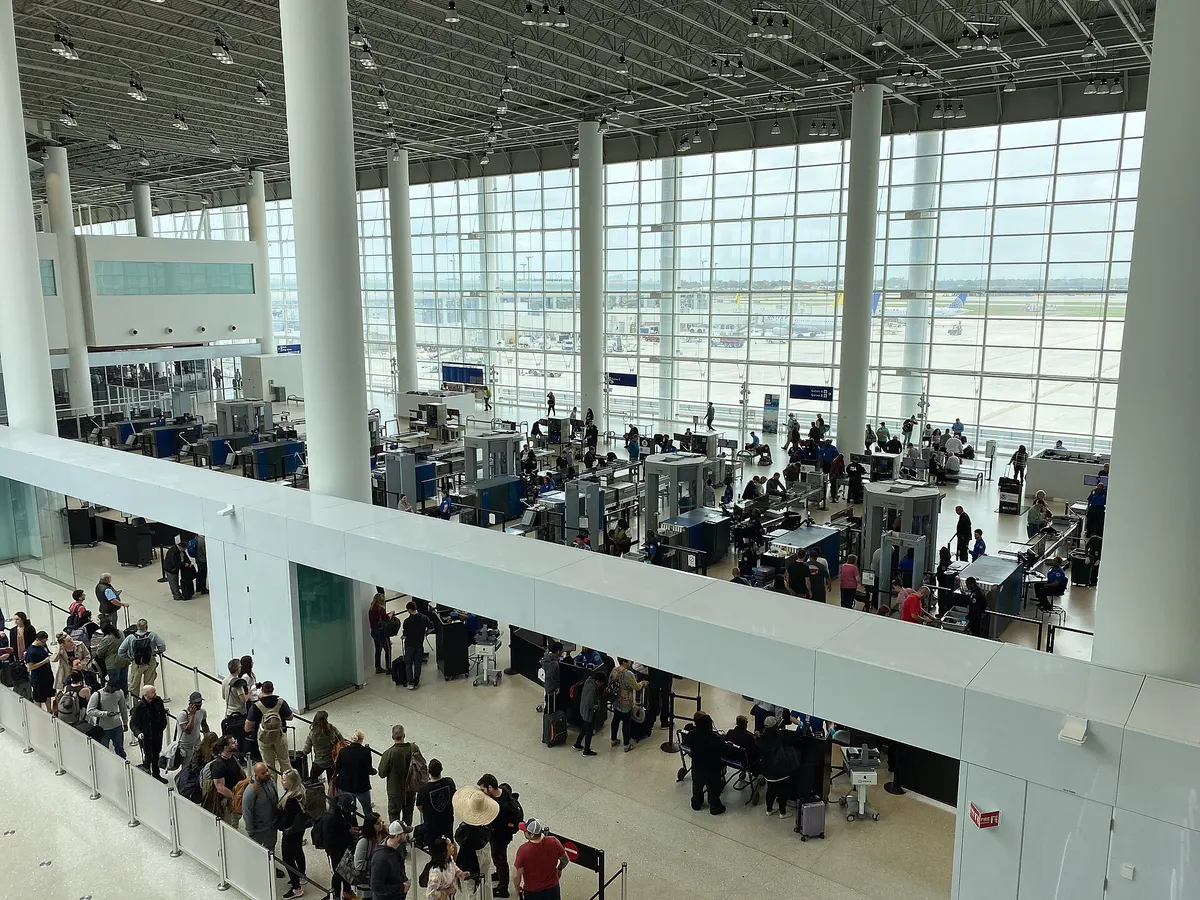
When you fly from city to city within the United States, even domestic flights go through security screening by the Transportation Security Administration (TSA). Knowing the rules when you pack spares you from repacking bags at the checkpoint or giving up belongings.
Keep your passport handy
According to TSA, passengers 18 and older must show valid identification at the checkpoint. The list of acceptable IDs includes "Foreign government-issued passport", so visitors from abroad should keep their passport where they can take it out easily.
IDs on the list are accepted up to two years after expiration. Since May 7, 2025, US state driver's licenses must be REAL ID compliant to be accepted. For travel within the United States, children under 18 are not required to show ID.
Forgot your ID? TSA ConfirmID
Since February 1, 2026, passengers who cannot show an acceptable ID can pay $45 to use TSA ConfirmID, and TSA will try to verify their identity. Payment is accepted only through Pay.gov and should be made before heading to the airport; show the confirmation email or receipt at the checkpoint.
The payment is valid for 10 days from the travel start date you enter. Each person 18 or older must complete the process separately. There is no guarantee of verification, and the fee is non-refundable under any circumstance. If your identity cannot be verified, you will not be allowed into the checkpoint, so make sure to bring your passport.
Liquids: 100 ml per item
Liquids, aerosols, gels, creams and pastes in your carry-on must be in containers of 3.4 ounces (100 ml) or less and packed in a quart-sized bag. Taking the bag out of your carry-on helps screening go faster. Larger containers go in checked baggage. Medications and infant and child nourishments are exempt.
Duty-free liquids bought abroad can be carried on when you are connecting on a flight to the United States, if they are in a transparent bag sealed by the retailer and you have the receipt for a purchase made within 48 hours. The items in the bag must still be screened and cleared, and anything that alarms or cannot be screened is not permitted. Even so, TSA recommends checking liquids over 100 ml, even in such bags.
Electronics, food and jackets
Electronic devices larger than a cell phone (laptops, tablets, e-readers, handheld game consoles) must be taken out of your bag and placed in a bin. Food such as fruit or sandwiches can usually stay in your bag, but follow the officer's instructions.
When going through the body scanner, you will be asked to remove light outer garments or bulky clothing. If you cannot remove them, tell the officer; additional screening may follow.
Power banks go in the cabin
Power banks with lithium ion batteries must be packed in carry-on bags and are not allowed in checked luggage. Spare lithium batteries, including power banks and phone chargers, are prohibited in checked luggage. The final decision on whether an item is allowed rests with the TSA officer at the checkpoint.
Locks on checked bags
TSA may open and inspect checked bags, and will place a notice of inspection inside if it does. TSA has master keys for Safe Skies and Travel Sentry locks (their packaging indicates they can be opened by TSA), so these may not need to be cut. TSA says, however, that it may remove them if necessary.
Rules can change without notice. Before your trip, check the latest information on TSA's official site.
Sources
- Security Screening | Transportation Security Administrationchecked
- Acceptable Identification at the TSA Checkpoint | Transportation Security Administrationchecked
- TSA ConfirmID | Transportation Security Administrationchecked
- Liquids, Aerosols, and Gels Rule | Transportation Security Administrationchecked
- Power Banks | Transportation Security Administrationchecked