U.S. national parks now charge visitors from abroad $100 extra per person
People aged 16 and older who do not live in the United States now pay $100 per person on top of the entrance fee at 11 popular national parks. Here is how the non-resident annual pass and fee-free days work.
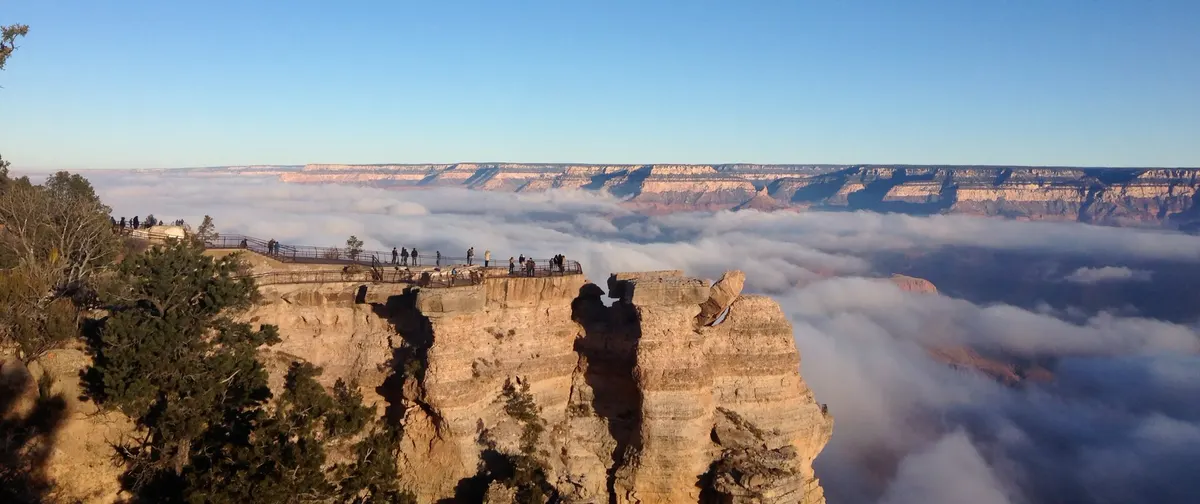
If you are heading to the Grand Canyon or Yosemite, it is worth redoing your entrance fee budget. According to the U.S. National Park Service (NPS), people aged 16 and older who are not U.S. residents pay a $100 nonresident fee per person at 11 of the most visited national parks, on top of the regular entrance fee. The fee is charged per person, so the larger your group, the bigger the cost.
The 11 parks with the extra fee
The fee applies at 11 parks: Acadia, Bryce Canyon, Everglades, Glacier, Grand Canyon, Grand Teton, Rocky Mountain, Sequoia & Kings Canyon, Yellowstone, Yosemite, and Zion. The NPS FAQ for tours explains that children aged 15 and younger pay neither the entrance fee nor the nonresident fee.
A $250 annual pass for visitors from abroad
Since January 1, 2026, the NPS has offered the America the Beautiful Non-Resident Annual Pass for $250. It covers both entrance fees and nonresident fees for one private vehicle and its passengers, for 2 motorcycles, or, where fees are charged per person, for the pass holder plus up to 3 adults. The resident annual pass costs $80, but it requires proof of U.S. citizenship or residency, so travelers cannot use it.
You can buy the pass at more than 1,000 locations in person or order it from the USGS Online Store. Mail orders can take up to 3 weeks to arrive. If you are short on time, a digital pass from Recreation.gov can be saved to your phone and used right away (official site).
The NPS notes that an annual pass bought in 2025 keeps its original terms: it is valid for 12 months from the purchase date and also covers the nonresident fee.
Fee-free days no longer apply to visitors from abroad
National parks have days when entrance is free, but from 2026 they are only for U.S. citizens and residents. According to the NPS, visitors from abroad pay the entrance fee and the nonresident fee as usual on those days unless they have the Non-Resident Annual Pass. Timing your visit to a free day no longer saves money for travelers.
Tour participants pay it too
The NPS FAQ explains that the $100 per-person nonresident fee also applies when you enter a park on a bus or van tour. A non-resident annual pass covers the nonresident fee for the holder and up to 3 others aged 16 and older. Before booking, it is a good idea to check whether the tour price includes the fee.
A digital pass is issued in one person's name and is valid only when the holder is present and shows ID. It cannot be passed on to someone else for a later trip, and it cannot be refunded.
PRKlookFind Grand Canyon tours on Klook↗PRKKdayFind Grand Canyon tours on KKday↗Is the annual pass worth it?
Take Yosemite's fee page as an example (checked November 28, 2026): a private vehicle costs $35 and is valid for 7 days, people on foot or by bicycle pay $20 each, and those 15 and younger are free. Cash is not accepted; you pay by card or phone.
As a rough guide, imagine 2 adults visiting 2 of the 11 parks by car. The nonresident fee alone comes to $100 × 2 people × 2 parks = $400, plus each park's entrance fee. The annual pass costs $250 and covers both. Even for Yosemite alone, $35 + $100 × 2 people = $235, just $15 less than the pass.
For 1 adult travelling by car, Yosemite alone costs $35 + $100 = $135, which is cheaper than the pass. Visiting 2 parks brings the nonresident fee alone to $200, and depending on entrance fees, the total approaches or exceeds the $250 pass.
Fees and rules can change. Before you go, check the official page of each park you plan to visit and the NPS page on nonresident fees (official site).