Ise and Toba guide
The town of Ise Jingu. Visit the Outer Shrine first, then the Inner Shrine and the old street at its gate. Futami's Wedded Rocks, Toba's aquarium and the views over Ago Bay are close by.
Things to see 9 classics
"Classics", "For visitors" and "Local picks" are this site's editorial picks, not a measured popularity ranking.
- 2
Ise Jingu Inner Shrine (Naiku)
The heart of Ise Jingu, enshrining the sun goddess Amaterasu. Cross Uji Bridge over the Isuzu River and walk through ancient cedar forest.
- Temples, shrines & churches
- History & buildings
- Nature
about 1.5 hrFree
Bus · About 20 min from Iseshi ・ Mie Kotsu bus to Naiku-mae ・ 4.2km
- 3
Oharai-machi and Okage Yokocho
An 800 m stone-paved street along the Isuzu River from Uji Bridge. Midway is Okage Yokocho, a block of relocated old buildings.
- Food & markets
- Shopping & strolling
- History & buildings
about 2 hrFree
Bus · About 20 min from Iseshi ・ Mie Kotsu bus to Naiku-mae ・ 3.3km
- 4
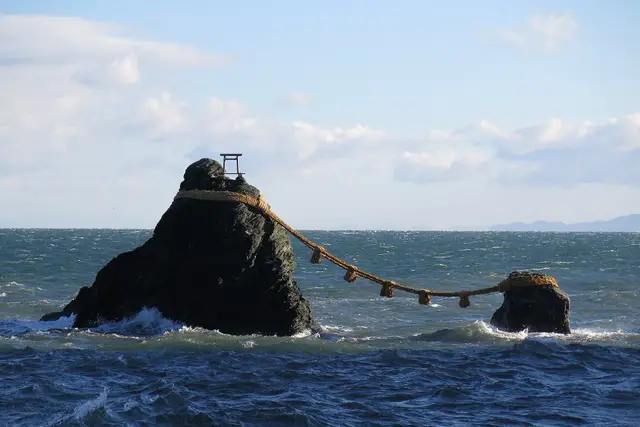
Futami Okitama Shrine and the Wedded Rocks
Two sea rocks joined by a great sacred rope. Around the summer solstice the sun rises between them; around the winter solstice, the moon.
- Temples, shrines & churches
- Views
about 45 min
Train · About 35 min from Iseshi ・ JR Sangu Line to Futaminoura, then walk the approach street ・ 7.5km
- 5
Toba Aquarium
Home to about 1,200 species, including Japan's only dugong and manatees. There is no set route; wander as you like.
- With kids
- Nature
about 2.5 hrPaid entryFine on a rainy day
Train · About 35 min from Iseshi ・ JR or Kintetsu to Toba, then about 10 minutes on foot ・ 12km
- 6
Mikimoto Pearl Island
The island of Kokichi Mikimoto, pioneer of cultured pearls. Watch ama divers in traditional white and visit the pearl museum.
- History & buildings
- With kids
about 1.5 hrPaid entry
Train · About 30 min from Iseshi ・ JR or Kintetsu to Toba, then about 5 minutes on foot ・ 13km
Show on map
ClassicsFor visitorsLocal picks
Suggested routes
Times assume a 9:00 start. Travel times are estimated from distance and vary with waiting and crowds.
The Ise pilgrimage: Outer Shrine to Inner Shrine
Leave 9:00 → until about 14:51 (about 6 hr)
- 9:00Iseshi
about 5 min on foot
9:05Ise Jingu Outer Shrine (Geku)stay about 60 minabout 15 min by transport
10:20Tsukiyomi-no-miyastay about 30 minabout 15 min by transport
11:05Ise Jingu Inner Shrine (Naiku)stay about 1.5 hrabout 16 min on foot
12:51Oharai-machi and Okage Yokochostay about 2 hr
As Ise Jingu advises, visit the Outer Shrine first, then take a Mie Kotsu bus to the Inner Shrine.
Plan this routeFutami's Wedded Rocks and the sea at Toba
Leave 9:00 → until about 14:52 (about 6 hr)
- 9:00Iseshi
about 35 min by transport
9:35Futami Okitama Shrine and the Wedded Rocksstay about 45 minabout 25 min by transport
10:45Mikimoto Pearl Islandstay about 1.5 hrabout 7 min on foot
12:22Toba Aquariumstay about 2.5 hr
Main ways to get around
Kintetsu Limited Express
About 1 hr 20 min from Nagoya, 1 hr 45 min from Osaka-Namba and 2 hours from Kyoto to Iseshi and Ujiyamada. The Shimakaze sightseeing express also runs.
JR Rapid Mie and Sangu Line
About 1.5 hours from Nagoya to Iseshi. The Sangu Line continues to Futaminoura and Toba. IC cards cannot be used at Futaminoura, so buy a ticket.
Mie Kotsu buses
Routes 51 and 55 and the CAN Bus loop run from Iseshi Station and the Outer Shrine to the Inner Shrine; express buses stop only at main stops.
On foot
The Outer Shrine is about 5 minutes on foot from Iseshi Station. From Uji Bridge at the Inner Shrine, the stone-paved Oharai-machi runs about 800 m.
Getting to Iseshi
“Classics”, “For visitors” and “Local picks” are our editors' picks, not a measured popularity ranking. Travel times are estimates. Please check prices, opening hours and operating days with the official sources before you go.
Local food specialties
Specialties of Ise and Toba, together with those of other places in Mie. They are listed by dish, not by shop, and are not recommendations.
Noodles
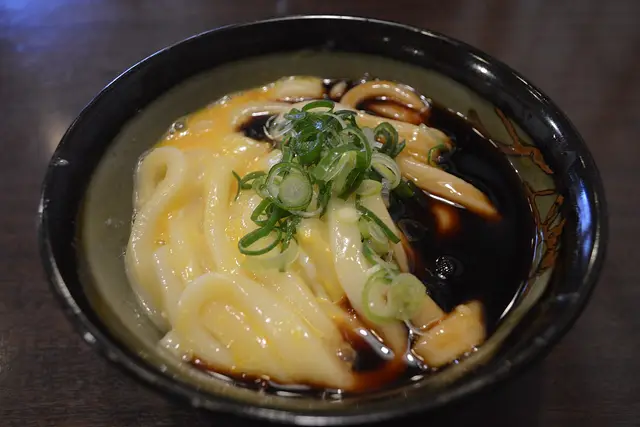
Ise udon (thick soft noodles in dark tamari sauce)
伊勢うどん
Very thick, soft udon noodles served in a dark tamari-based sauce, topped with just chopped scallion and chili pepper.
- Known in
- Ise
Meat
Yokkaichi tonteki (thick pork steak with garlic sauce)
四日市とんてき
Thick pork sauteed with garlic in a rich sauce, served with a mound of shredded cabbage.
- Known in
- Yokkaichi · Yokkaichi, Kuwana and Yunoyama guide
Seafood
Kuwana grilled clams (hamaguri)
桑名の焼きハマグリ
Clams from the shallows around Kuwana, a local specialty since the Edo period, eaten grilled or in soup.
- Known in
- Kuwana · Yokkaichi, Kuwana and Yunoyama guide
Meat
Tsu gyoza (giant deep-fried dumpling)
津ぎょうざ
A large fried gyoza made with a 15 cm wrapper. Available at many restaurants in Tsu.
- Known in
- Tsu · Tsu and Sakakibara guide
Rice dishes
Tsu unagi (grilled eel dishes)
津のうなぎ料理
Tsu has more than 20 restaurants specializing in grilled eel dishes.
- Known in
- Tsu · Tsu and Sakakibara guide
Meat
Matsusaka beef (sukiyaki, steak, shabu-shabu)
松阪牛(すき焼き・ステーキ)
Branded beef from Matsusaka, eaten as sukiyaki, shabu-shabu or steak at local restaurants.
- Known in
- Matsusaka
Meat
Matsusaka chicken yakiniku (miso-marinated grilled chicken)
松阪鶏焼き肉
Chicken coated in sweet-spicy miso sauce and grilled over a net, served at restaurants in Matsusaka.
- Known in
- Matsusaka
Rice dishes
Tekone-zushi (marinated bonito over rice)
てこね寿司
A Shima local dish of fresh bonito chunks mixed with rice and soy sauce.
- Known in
- Shima · Shima and Ago Bay guide
Seafood
Amagoya grilled seafood (spiny lobster, abalone, turban shell)
海女小屋の浜焼き
Spiny lobster, abalone and turban shells grilled live over a fire at ama diver huts in Toba and Shima.
- Known in
- Toba and Shima · Toba and Osatsu guide, Shima and Ago Bay guide
Rice dishes
Mehari-zushi (rice ball wrapped in pickled mustard greens)
めはり寿司
A large rice ball wrapped in pickled takana mustard greens, a typical lunch around Kumano.
- Known in
- Kumano · Kumano City and Owase guide
Rice dishes
Sanma-zushi (pickled saury sushi)
さんま寿司
Saury from Kumano-nada, salted and soaked in mikan vinegar, laid whole on sushi rice. An Owase specialty.
- Known in
- Owase · Kumano City and Owase guide
“Find places serving it” opens a map app search for the dish name and the place name. The results are not chosen or recommended by this site. Please check with the shop whether it serves the dish.
Traditional home dishes of Mie (30)When to go
Winters are about 5°C on average and fairly dry. September–October brings typhoons and autumn rain (over 250 mm a month). March–May and November are best.
Point at a month to see its temperature and precipitation.
Temperature (line: average; band: low to high)
Precipitation (mm)
Typical seasons
Cherry blossoms (Miyagawa embankment)
Kanname-sai (Ise Jingu)
Autumn leaves (Inner Shrine)
Show as a table
| Jan | Feb | Mar | Apr | May | Jun | Jul | Aug | Sep | Oct | Nov | Dec | |
|---|---|---|---|---|---|---|---|---|---|---|---|---|
| High (℃) | 9.5 | 10.2 | 13.8 | 19.4 | 24 | 26.8 | 31 | 32.2 | 28.3 | 22.7 | 17.1 | 11.9 |
| Avg (℃) | 4.8 | 5.2 | 8.5 | 13.8 | 18.7 | 22.2 | 26.3 | 27.2 | 23.7 | 17.9 | 12.1 | 7 |
| Low (℃) | 0.2 | 0.5 | 3.3 | 8.4 | 13.9 | 18.4 | 22.6 | 23.4 | 19.9 | 13.6 | 7.2 | 2.2 |
| Rain (mm) | 63.3 | 68.3 | 121.3 | 134.2 | 188.1 | 213.7 | 181.7 | 160.2 | 319.2 | 258.4 | 95.8 | 66.6 |
Temperature and precipitation are Japan Meteorological Agency normals (1991–2020, Obata (Ise)). Seasons are typical timings and can shift by a week or two each year. JMA data
Practical booking & planning links (Ad)
- Activities, tickets & local tours
- Popular observatories, museums and theme parks increasingly require timed-entry tickets booked in advance. For countryside spots with infrequent buses, a local day tour can save hours.
- KlookKKday
- Rental cars
- A rental car is practical when travelling straight from an airport or exploring rural areas with few trains. Request child seats, an ETC toll card, or winter snow tyres when booking.
- Klook
- Restaurant reservations & food tours
- Well-known dinner spots and course restaurants often fill up days ahead—reserving a table saves waiting in line. Guided local food tours are also a great way to try regional dishes.
- Klook
We list only well-established booking services. This site may receive a commission if you book through these links (each opens in a new tab).
Comment on whether your booking was helpful
Sources
Local food specialties
Each specialty was checked against an official page (prefecture, municipality, tourism association or JNTO) on 2026-11-17. The descriptions were written by this site.
- Ise udon (thick soft noodles in dark tamari sauce): www.kankomie.or.jp
- Yokkaichi tonteki (thick pork steak with garlic sauce): www.kankomie.or.jp
- Kuwana grilled clams (hamaguri): www.kankomie.or.jp
- Tsu gyoza (giant deep-fried dumpling): www.kankomie.or.jp
- Tsu unagi (grilled eel dishes): www.kankomie.or.jp
- Matsusaka beef (sukiyaki, steak, shabu-shabu): www.kankomie.or.jp
- Matsusaka chicken yakiniku (miso-marinated grilled chicken): www.kankomie.or.jp
- Tekone-zushi (marinated bonito over rice): www.kankomie.or.jp
- Amagoya grilled seafood (spiny lobster, abalone, turban shell): www.kankomie.or.jp
- Mehari-zushi (rice ball wrapped in pickled mustard greens): www.kankomie.or.jp
- Sanma-zushi (pickled saury sushi): www.kankomie.or.jp
Photo and data credits
The Meoto Iwa wedded rocks joined by a sacred rope at Futami Douglas Perkins (CC BY 4.0) / Ise udon: thick soft noodles in dark tamari sauce with green onion Asturio Cantabrio (CC BY-SA 4.0). Cropped and resized.