Sakata and Yuza guide
Sakata grew rich on the Kitamaebune sea trade: see the Sankyo rice warehouses, the Homma merchant family's homes and a teahouse with maiko dancers. Ferry out to Tobishima or visit spring-fed ponds below Mt. Chokai.
Things to see 6 classics
"Classics", "For visitors" and "Local picks" are this site's editorial picks, not a measured popularity ranking.
- 1
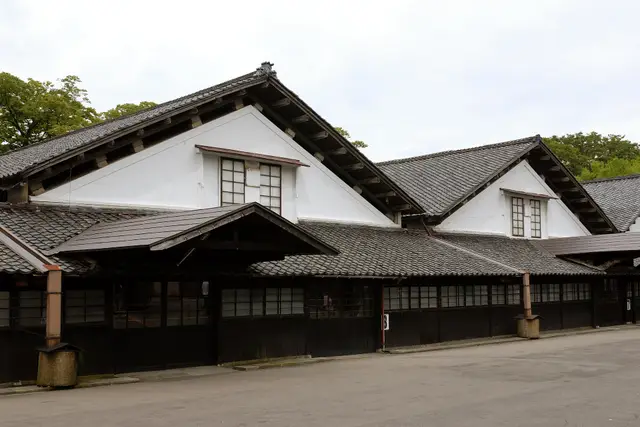
Sankyo Soko (rice warehouses)
Meiji-era rice warehouses line the river behind a row of zelkova trees. The Sakata Yume-no-Kura shop and museum is inside.
- History & buildings
- Shopping & strolling
- Views
about 60 minFree
Walk · About 25 min from Sakata ・ 1.4km
- 2
Homma Museum of Art
The Homma merchant family's villa and its Kakubu-en garden, with an art museum beside them, a short walk from the station.
- Museums
- History & buildings
- Nature
about 75 minPaid entryFine on a rainy day
Walk · About 7 min from Sakata ・ 500m
- 3
Former Homma Family Residence
The Homma family's Edo-period residence, combining a samurai-style house and a merchant's house under one roof.
- History & buildings
about 45 minPaid entryFine on a rainy day
Walk · About 20 min from Sakata ・ 1000m
- 4
Former Abumiya (shipping agent's house)
The house of a shipping agent who handled Kitamaebune cargo: a townhouse with a stone-weighted roof, now a national historic site.
- History & buildings
about 30 minPaid entryFine on a rainy day
Walk · About 20 min from Sakata ・ 1.1km
- 5
Hiyoriyama Park
A hilltop park overlooking the port, with a wooden hexagonal lighthouse and a Kitamaebune model ship. Watch the sun set into the sea.
- Views
- History & buildings
- Nature
about 45 minFree
Bus · About 15 min from Sakata ・ Runrun Bus from Sakata Station to near Hiyoriyama Park ・ 1.6km
- 6
Ken Domon Museum of Photography
A museum of the work of Sakata-born photographer Ken Domon. The building, set beside a pond, and its garden are sights too.
- Museums
about 60 minPaid entryFine on a rainy day
Bus · About 20 min from Sakata ・ Runrun Bus Daigaku Line from Sakata Station (about 16 minutes) ・ 3.9km
Show on map
ClassicsFor visitorsLocal picks
Suggested routes
Times assume a 9:00 start. Travel times are estimated from distance and vary with waiting and crowds.
Walking Sakata, the Kitamaebune port town
Leave 9:00 → until about 15:20 (about 6.5 hr)
- 9:00Sakata
about 25 min on foot
9:25Sankyo Soko (rice warehouses)stay about 60 minabout 7 min on foot
10:32Former Homma Family Residencestay about 45 minabout 4 min on foot
11:21Former Abumiya (shipping agent's house)stay about 30 minabout 11 min on foot
12:02Minato Ichiba (port market)stay about 60 minabout 10 min on foot
13:12Somaro (maiko teahouse)stay about 75 minabout 8 min on foot
14:35Hiyoriyama Parkstay about 45 min
Walk north from the Sankyo warehouses to the Homma house and Abumiya, lunch at Minato Ichiba, then see the maiko dance at Somaro and sunset from Hiyoriyama.
Plan this routeGardens and art museums
Leave 9:00 → until about 12:54 (about 4 hr)
- 9:00Sakata
about 7 min on foot
9:07Homma Museum of Artstay about 75 minabout 20 min by transport
10:42Ken Domon Museum of Photographystay about 60 minabout 12 min on foot
11:54Sakata City Museum of Artstay about 60 min
From the Homma Museum garden near the station, head to the photography museum and the city art museum on the southern hill. A three-museum pass is sold.
Plan this route
Main ways to get around
Limited Express Inaho (Niigata – Sakata – Akita)
About 2 hours 10 minutes from Niigata and 1 hour 30 minutes from Akita. From Tokyo, take the Joetsu Shinkansen to Niigata and change.
Flights Haneda – Shonai and the airport bus
About 1 hour from Haneda to Shonai Airport. An airport bus timed to the flights reaches Sakata Station in about 35 minutes.
JR Rikuu West Line (Shinjo – Amarume – Sakata)
Runs along the Mogami River from Shinjo, end of the Yamagata Shinkansen. Trains returned in January 2026; they are few, so check times.
Tobishima Ferry (Sakata Port – Tobishima)
About 75 minutes, 1–3 sailings a day, often cancelled in rough seas. The Sakata tourism site posts each day's status.
Runrun Bus (Sakata city bus)
City routes from Sakata Station. The Daigaku Line reaches the Ken Domon Museum of Photography in about 16 minutes.
Getting to Sakata
“Classics”, “For visitors” and “Local picks” are our editors' picks, not a measured popularity ranking. Travel times are estimates. Please check prices, opening hours and operating days with the official sources before you go.
Local food specialties
Specialties of Sakata and Yuza, together with those of other places in Yamagata. They are listed by dish, not by shop, and are not recommendations.
Noodles
Sakata ramen (seafood-broth ramen with homemade noodles)
酒田のラーメン
Ramen with a seafood stock of niboshi, flying fish and kelp blended with meat stock, plus homemade noodles. Certified as a 100-year food.
- Known in
- Sakata
Noodles
Ita soba (soba served in a shallow cedar box)
板そば
Soba served in a shallow cedar-wood box, a handy way to serve many people, which spread across Yamagata.
- Known in
- All over Yamagata
Hot pots & soups
Yamagata imoni (autumn taro and beef stew)
山形の芋煮
An autumn stew of taro, leeks, mushrooms and beef or pork. Soy-flavored beef in Murayama and Okitama; miso-flavored pork in Shonai.
- Known in
- Yamagata · Yamagata and Zao guide
Noodles
Tsumetai niku soba (cold soba with chicken broth sauce and sliced chicken)
冷たい肉そば
Firm country-style soba with a sweet-salty chicken-stock sauce, topped with chicken and chopped leek. A specialty of Kahoku.
- Known in
- Kahoku
Street food
Tama konnyaku (skewered konjac balls simmered in soy dashi)
玉こんにゃく
Konjac balls simmered in soy-flavored dashi, skewered and eaten with mustard. Sold at festivals and roadside stations.
- Known in
- Yamagata and Yamadera · Yamagata and Zao guide
Noodles
Tsumetai ramen (chilled ramen in cold soy broth)
冷たいラーメン
Ramen with cold broth and noodles, sometimes with ice. Soy-flavored and not sweet-sour, with the noodles sitting in rich dashi broth.
- Known in
- Yamagata · Yamagata and Zao guide
Noodles
Yonezawa ramen (light chicken and niboshi broth with hand-kneaded curly noodles)
米沢ラーメン
Ramen with a light chicken-bone and dried-sardine broth and thin hand-kneaded curly noodles.
- Known in
- Yonezawa · Yonezawa and Okitama guide
Meat
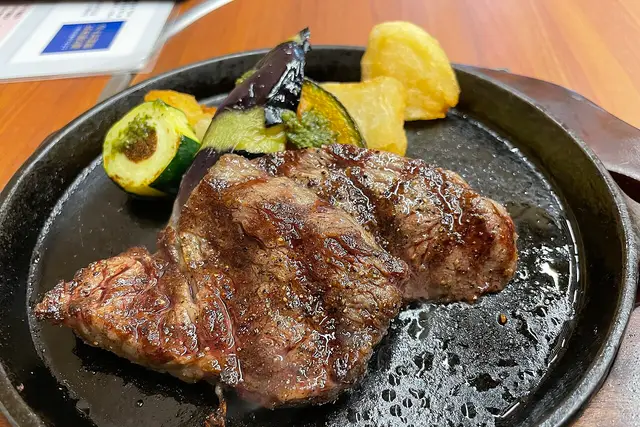
Yonezawa beef (premium marbled wagyu from the Okitama area)
米沢牛
Brand wagyu from the Okitama region, known for beautiful marbling and sweet fat.
- Known in
- Yonezawa · Yonezawa and Okitama guide
Street food
Dadacha-mame (Tsuruoka's summer edamame)
だだちゃ豆
Tsuruoka's brown-haired edamame, boiled to bring out a nutty aroma and sweet, savory taste. In season in summer.
- Known in
- Tsuruoka · Tsuruoka and Dewa Sanzan guide
Noodles
Shinjo torimotsu ramen (soy ramen topped with stewed chicken offal)
新庄のとりもつラーメン
Light soy-broth ramen topped with stewed chicken offal, eaten in Shinjo for many years.
- Known in
- Shinjo · Shinjo and Mogami guide
“Find places serving it” opens a map app search for the dish name and the place name. The results are not chosen or recommended by this site. Please check with the shop whether it serves the dish.
Traditional home dishes of Yamagata (29)Practical booking & planning links (Ad)
- Activities, tickets & local tours
- Popular observatories, museums and theme parks increasingly require timed-entry tickets booked in advance. For countryside spots with infrequent buses, a local day tour can save hours.
- KlookKKday
- Rental cars
- A rental car is practical when travelling straight from an airport or exploring rural areas with few trains. Request child seats, an ETC toll card, or winter snow tyres when booking.
- Klook
- Restaurant reservations & food tours
- Well-known dinner spots and course restaurants often fill up days ahead—reserving a table saves waiting in line. Guided local food tours are also a great way to try regional dishes.
- Klook
We list only well-established booking services. This site may receive a commission if you book through these links (each opens in a new tab).
Comment on whether your booking was helpful
Sources
Local food specialties
Each specialty was checked against an official page (prefecture, municipality, tourism association or JNTO) on 2026-11-17. The descriptions were written by this site.
- Sakata ramen (seafood-broth ramen with homemade noodles): yamagatakanko.com
- Ita soba (soba served in a shallow cedar box): yamagatakanko.com
- Yamagata imoni (autumn taro and beef stew): yamagatakanko.com
- Tsumetai niku soba (cold soba with chicken broth sauce and sliced chicken): yamagatakanko.com
- Tama konnyaku (skewered konjac balls simmered in soy dashi): yamagatakanko.com
- Tsumetai ramen (chilled ramen in cold soy broth): yamagatakanko.com
- Yonezawa ramen (light chicken and niboshi broth with hand-kneaded curly noodles): yamagatakanko.com
- Yonezawa beef (premium marbled wagyu from the Okitama area): yamagatakanko.com
- Dadacha-mame (Tsuruoka's summer edamame): www.tsuruokakanko.com
- Shinjo torimotsu ramen (soy ramen topped with stewed chicken offal): yamagatakanko.com
Photo and data credits
Traditional Sankyo rice warehouses with white walls and dark tiled roofs in Sakata contri from Yonezawa-Shi, Yamagata, Japan (CC BY-SA 2.0) / Tama konnyaku, soy-simmered konjac balls on a skewer No machine-readable author provided. J8takagi assumed (based on copyright claims (Public domain) / Yonezawa beef steak on a sizzling iron plate with grilled vegetables Totti (CC BY-SA 4.0). Cropped and resized.