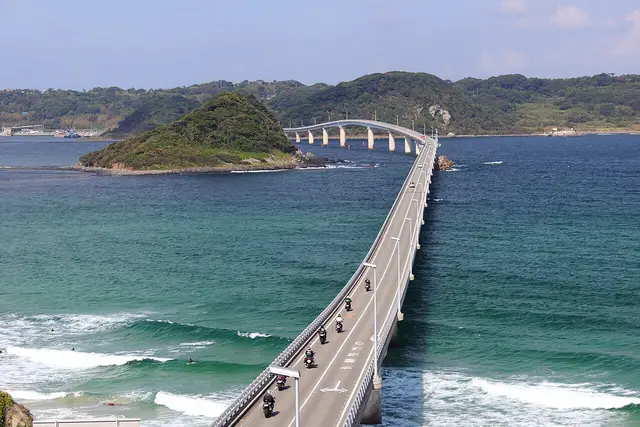
Road trips: roadside stations, rest areas & sleeping in your car
Before you drive: licences & road rules
What licence you need to drive in Japan, the road rules visitors most often miss, and the basics of expressway ETC lanes and refuelling.
Driving on a foreign licence
- If you do not hold a Japanese licence, you need an International Driving Permit issued under the 1949 Geneva Convention. Permits issued under the 1968 Vienna Convention or by the IAA (International Automobile Association) are not valid in Japan.
- You may drive for one year from the day you land in Japan or until the permit expires (one year from issue), whichever is shorter.
- Licences from Switzerland, Germany, France, Belgium, Monaco and Taiwan are valid when carried with an official Japanese translation issued by a designated body such as JAF or your embassy or consulate.
- Bring your original passport and required licence documents when picking up a rental car. Some offices require an entry stamp in your passport.
You must obtain an International Driving Permit in your home country before travelling; it cannot be issued after arriving in Japan.
Key traffic rules to watch for
- Drive on the left. Take extra care not to drift into the right lane when pulling out or turning at intersections.
- On a red light, you must stop for straight, left and right turns alike (unless a green arrow permits your direction). On a green light, oncoming traffic has priority when you turn right.
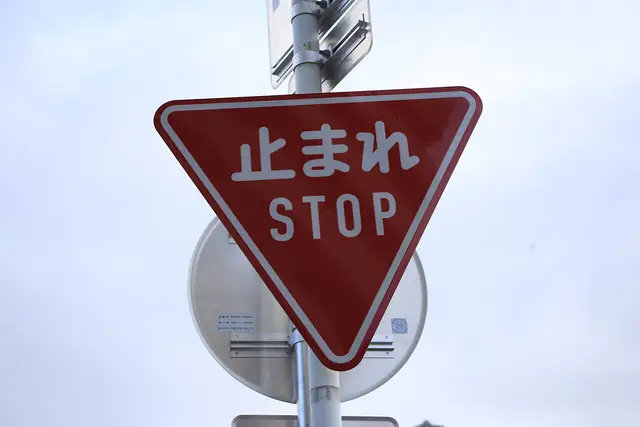
- Come to a complete stop at red inverted-triangle “止まれ (STOP)” signs and before every railway crossing, checking both directions before proceeding.
- Pedestrians always have priority at crossings; stop for anyone waiting to cross even where there are no lights. Seatbelts are required in all seats, front and rear.
Drink-driving and using a handheld mobile phone while driving are strictly illegal in Japan.
Expressway ETC lanes and refuelling
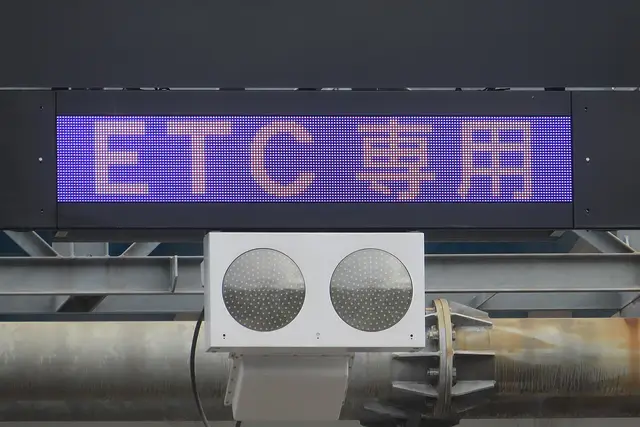
- “ETC 専用” (ETC-only) toll lanes can only be used with an ETC card inserted in the vehicle's reader. Without one, always use a “一般” (General) lane.
- Regional flat-rate expressway passes for visitors (Hokkaido, Tohoku, San'in–Setouchi–Shikoku and Kyushu) are available with an ETC card from participating rental car companies. The nationwide Japan Expressway Pass is no longer sold.
- Fuel nozzles at petrol stations are colour-coded: regular (red), high-octane (yellow) and diesel (green). Check which fuel your rental car takes before filling up.
- ETC cards, winter tyres, child seats and one-way returns to a different branch generally need to be booked in advance.
Official information
These open external sites. Check prices, times and dates there.
- For holders of foreign driving licences (in Japanese)
National Police Agency
- Traffic Bureau (English traffic rules & licence guides)
National Police Agency
- Rental car trip in Japan (rules, renting & returning)
All Japan Rent-A-Car Association
- Expressway passes for visitors
Japan National Tourism Organization (JNTO)
Event dates, operating days, reservation rules and opening hours can change. Please check the official information before you go.
Checked against official information on Nov 19, 2026.
Photo and data credits
Cars driving across Tsunoshima Bridge over clear blue sea 藤谷良秀 (CC BY-SA 3.0) / A red inverted-triangle Japanese stop sign reading Tomare and STOP 円周率3パーセント (CC BY-SA 4.0) / An ETC-only electronic sign above an expressway toll lane 運動会プロテインパワー (CC BY-SA 4.0). Cropped and resized.
Practical booking & planning links (Ad)
- Rental cars
- A rental car is practical when travelling straight from an airport or exploring rural areas with few trains. Request child seats, an ETC toll card, or winter snow tyres when booking.
- Klook
We list only well-established booking services. This site may receive a commission if you book through these links (each opens in a new tab).
Comment on whether your booking was helpful
Other topics in this theme
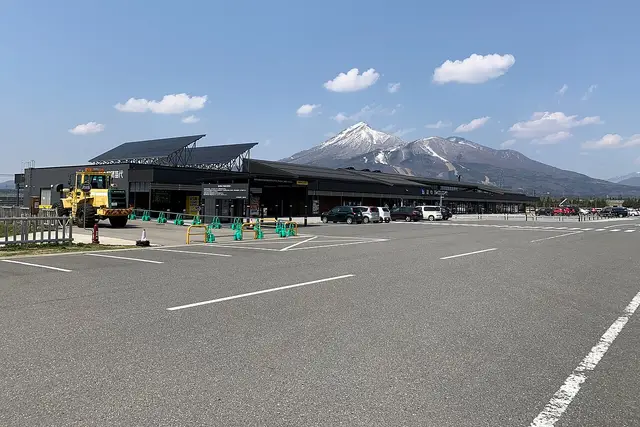
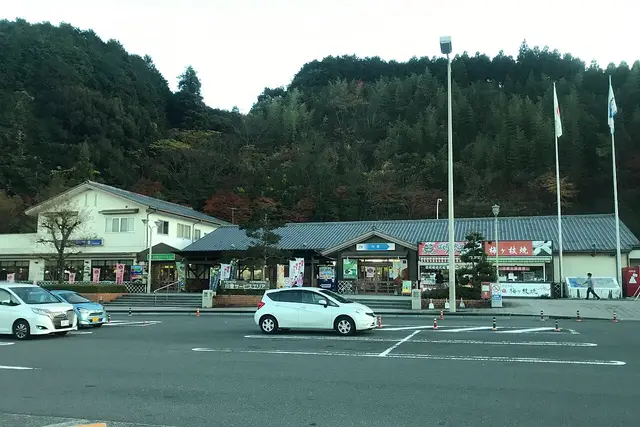
Michi-no-Eki (roadside stations)
Over 1,200 roadside stations along ordinary roads nationwide: 24-hour parking and toilets, local produce and how to find them.
Expressway service & parking areas (SA/PA)
How SA and PA differ, showers and Welcome Gates from ordinary roads, rules of use and official toll search.
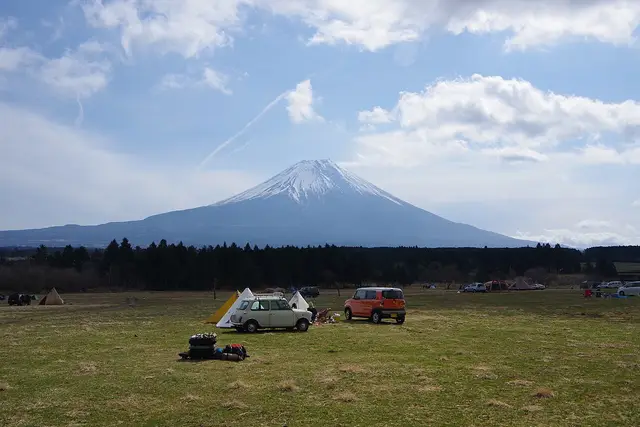
Sleeping in your car: rules & overnight sites
Resting versus overnight stays at roadside and expressway stops, certified RV Parks and auto campsites.