오래 머물기
생활 규칙(쓰레기·빨래·IC카드)
The everyday practicalities of living in Japan for a while: sorting rubbish, doing laundry, sending luggage, and watching IC card expiry dates.
Putting out rubbish
- How to sort rubbish, where to put it and collection days are set by each municipality. Normally you put it out on the morning of collection day.
- Incorrectly sorted rubbish or bags left in the wrong spot will not be collected. Some municipalities require official designated bags.
- The Immigration Services Agency's Guidebook on Living and Working explains everyday rules, including rubbish, in many languages.
Laundry and luggage
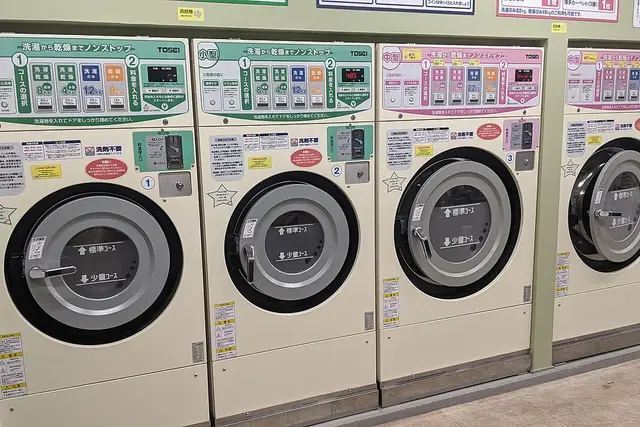
- Use a local coin laundry or your accommodation's laundry service, as Tokyo's official manners handbook advises.
- Large bags can be sent by courier from Narita, Haneda and Kansai airports to hotels, and many major hotels arrange delivery to your next stay. Size and weight limits apply, and valuables, fragile items, fresh food, liquids and dangerous goods are not accepted.
IC cards and rail passes
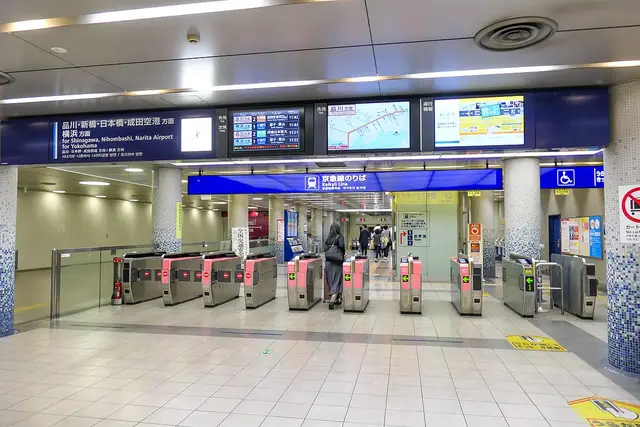
- The Welcome Suica for visitors is valid for only 28 days including the day of purchase. There is no deposit, but unused balance is not refunded—watch the expiry if staying longer.
- The Japan Rail Pass comes in 7-, 14- and 21-day versions. Riding Nozomi or Mizuho trains on the Tokaido, Sanyo or Kyushu Shinkansen requires an extra special ticket.
공식 안내
외부 사이트가 열립니다. 요금, 시각, 날짜는 여기에서 확인해 주세요.
- Guidebook on Living and Working (many languages)
Immigration Services Agency
- Luggage & Storage
Japan National Tourism Organization (JNTO)
- Welcome Suica
JR East
- JAPAN RAIL PASS
JR Group
행사 일정, 운행일, 예약 여부, 영업시간은 바뀔 수 있습니다. 출발 전에 공식 안내를 확인해 주세요.
2026년 11월 19일에 공식 안내로 확인한 내용입니다.
사진·데이터 출처
A row of washing machines at a coin laundry in Japan Mr.ちゅらさん (CC BY-SA 4.0) / Automatic ticket gates and multilingual displays at a Japanese station MaedaAkihiko (CC BY-SA 4.0). 잘라내고 축소했습니다.
이 테마의 다른 주제
체류 가능 일수와 절차(체류자격·연장)
Visa-exempt stay limits, status of residence granted on arrival, extensions and official support desks.
오래 묵는 숙소(월 단위 숙소·민박 규칙)
Types of licensed lodgings under the Inns and Hotels Act, and notification and sign rules for private-home stays (minpaku).
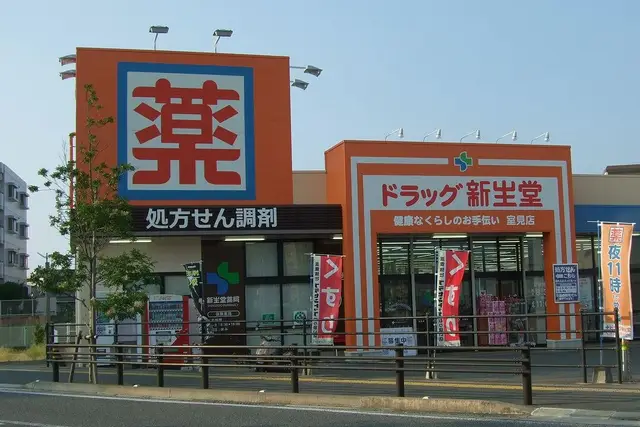
병원과 약(진료·다국어 병원 검색·약 반입)
Limits on bringing personal medicines into Japan, searching for multilingual hospitals, payment at clinics and calling 119.