长期停留
日常生活规则(垃圾分类・洗衣・IC卡)
The everyday practicalities of living in Japan for a while: sorting rubbish, doing laundry, sending luggage, and watching IC card expiry dates.
Putting out rubbish
- How to sort rubbish, where to put it and collection days are set by each municipality. Normally you put it out on the morning of collection day.
- Incorrectly sorted rubbish or bags left in the wrong spot will not be collected. Some municipalities require official designated bags.
- The Immigration Services Agency's Guidebook on Living and Working explains everyday rules, including rubbish, in many languages.
Laundry and luggage
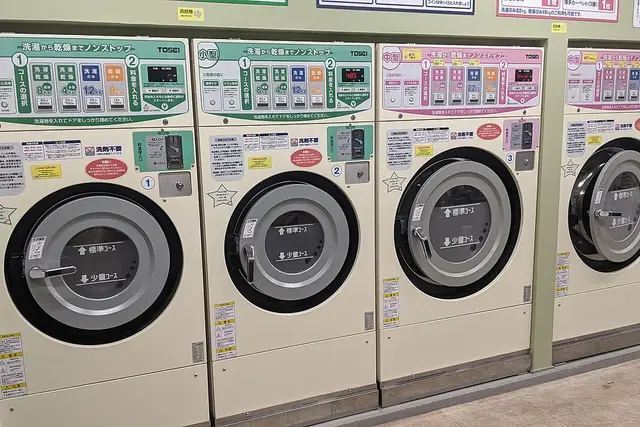
- Use a local coin laundry or your accommodation's laundry service, as Tokyo's official manners handbook advises.
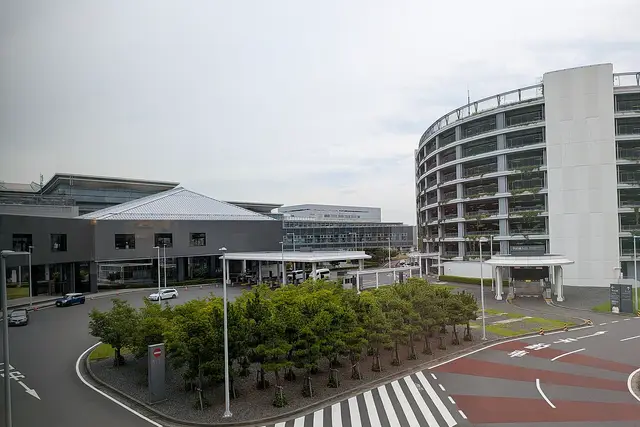
- Large bags can be sent by courier from Narita, Haneda and Kansai airports to hotels, and many major hotels arrange delivery to your next stay. Size and weight limits apply, and valuables, fragile items, fresh food, liquids and dangerous goods are not accepted.
IC cards and rail passes
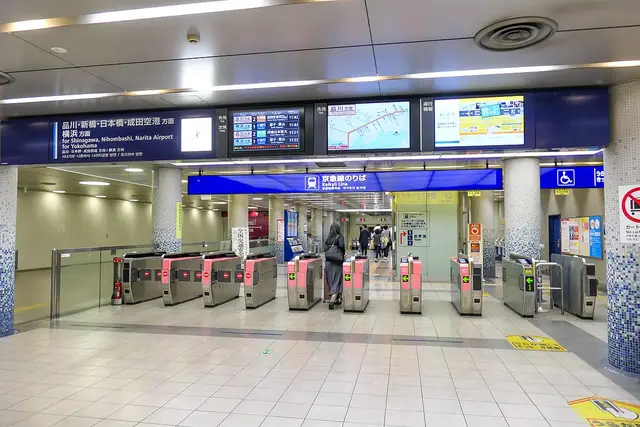
- The Welcome Suica for visitors is valid for only 28 days including the day of purchase. There is no deposit, but unused balance is not refunded—watch the expiry if staying longer.
- The Japan Rail Pass comes in 7-, 14- and 21-day versions. Riding Nozomi or Mizuho trains on the Tokaido, Sanyo or Kyushu Shinkansen requires an extra special ticket.
官方信息
将打开外部网站。费用、时刻、日期请在此确认。
- Guidebook on Living and Working (many languages)
Immigration Services Agency
- Luggage & Storage
Japan National Tourism Organization (JNTO)
- Welcome Suica
JR East
- JAPAN RAIL PASS
JR Group
活动日期、运行日、是否需要预约及营业时间可能变动。出发前请确认官方信息。
以上内容已于2026年11月19日根据官方信息确认。
照片与数据出处
A row of washing machines at a coin laundry in Japan Mr.ちゅらさん (CC BY-SA 4.0) / Automatic ticket gates and multilingual displays at a Japanese station MaedaAkihiko (CC BY-SA 4.0)。已裁剪并缩小。
本主题的其他专题
停留天数与在留手续(在留资格・延期)
Visa-exempt stay limits, status of residence granted on arrival, extensions and official support desks.
长期住宿(按月住宿・民宿规定)
Types of licensed lodgings under the Inns and Hotels Act, and notification and sign rules for private-home stays (minpaku).
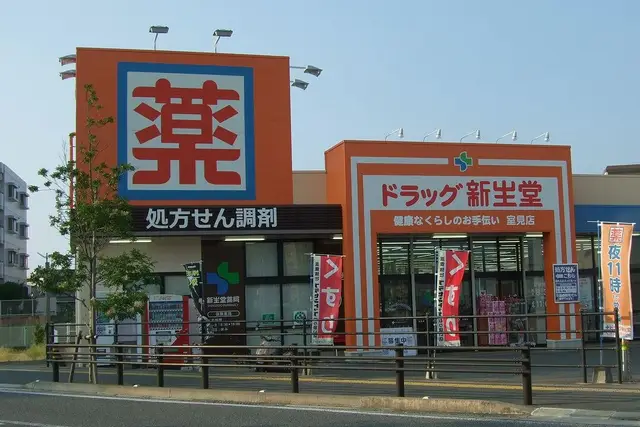
就医与药品(看病・多语种医院检索・携带药品)
Limits on bringing personal medicines into Japan, searching for multilingual hospitals, payment at clinics and calling 119.