오쿠쿠지・다이고・히타치오타 가이드
Mountain towns on the upper Kuji River: Fukuroda Falls, the maple temple Eigenji and Tsukimachi Falls, which you can walk behind. To the south, Hitachi-Ota has the Ryujin Bridge and Mitsukuni's retreat, Nishiyama Goten.
볼거리 대표 5곳
'대표 명소', '여행자 체험', '현지 추천'은 이 사이트의 편집부가 고른 것이며, 인기 순위를 조사한 것이 아닙니다.
- 1
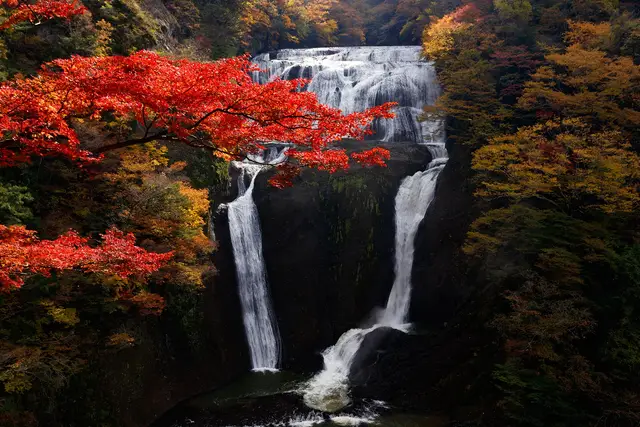
후쿠로다 폭포
One of Japan's three great waterfalls, 120 m high, seen up close from a platform at the end of a tunnel. It can freeze in deep cold.
- 자연
- 경치·전망
유료
전철 · Hitachi-Daigo에서 약 110분 ・ JR Suigun Line to Fukuroda, about 10 minutes by bus to Takimoto, then about 10 minutes on foot ・ 5.0km
- 2
류진 현수교
A 375 m footbridge about 100 m above the dam lake of Ryujin Gorge. You can even bungee jump from it.
- 경치·전망
- 자연
- 체험
약 60분유료
택시 · Hitachi-Daigo에서 약 35분 ・ About 30 minutes by car from Hitachi-Daigo (or 40 minutes by bus from Hitachi-Ota Station) ・ 14km
- 5
니시야마 고텐(세이잔소)
The retreat where Tokugawa Mitsukuni, the 'Mito Komon' of TV fame, spent his last decade. Walk its thatched house and wooded garden.
- 역사·건축
- 자연
약 60분유료
전철 · Hitachi-Daigo에서 약 110분 ・ JR Suigun Line via Kami-Sugaya to Hitachi-Ota, then about 5 minutes by car ・ 29km
지도에서 보기
대표여행자 체험현지 추천
추천 코스
시각은 9:00에 출발한 경우의 기준입니다. 이동 시간은 거리로 어림한 것으로, 대기와 혼잡에 따라 달라집니다.
Fukuroda Falls and Daigo town
9:00 출발 → 16:04쯤까지(약 7시간)
- 9:00Hitachi-Daigo
교통편으로 약 110분
10:50후쿠로다 폭포머무는 시간 약 45분교통편으로 약 25분
12:00쓰키마치 폭포머무는 시간 약 45분교통편으로 약 25분
13:10구 우와오카 초등학교머무는 시간 약 45분교통편으로 약 15분
14:10에이겐지(모미지데라)머무는 시간 약 30분도보 약 24분
15:04미치노에키 오쿠쿠지 다이고머무는 시간 약 60분
See Fukuroda Falls in the morning, taxi to Tsukimachi Falls and the old school, walk up to Eigenji behind the station, then rest at the roadside station.
이 순서로 주유 플랜 만들기The Ryujin Bridge and Mitsukuni's country
9:00 출발 → 14:35쯤까지(약 5.5시간)
- 9:00Hitachi-Daigo
교통편으로 약 35분
9:35류진 현수교머무는 시간 약 60분교통편으로 약 60분
11:35니시야마 고텐(세이잔소)머무는 시간 약 60분교통편으로 약 15분
12:50사타케지머무는 시간 약 30분교통편으로 약 15분
13:35구지라가오카와 우메즈 회관머무는 시간 약 60분
Start at the Ryujin Bridge and come down to Hitachi-Ota town. Buses are few, so a car or taxi makes the day much easier.
이 순서로 주유 플랜 만들기
주요 교통수단
JR Suigun Line
About 1 hour 20 minutes from Mito to Hitachi-Daigo; Fukuroda is the stop before. Trains run only every 1–2 hours, so check times first.
Limited Express Hitachi / Tokiwa (to Mito)
About 70–90 minutes from Ueno or Tokyo to Mito, where you change to the Suigun Line.
Buses from Fukuroda and Hitachi-Ota stations
About 10 minutes from Fukuroda Station to Takimoto for the falls, and 40 minutes from Hitachi-Ota Station to the Ryujin Bridge. Neither runs often.
Taxis and rental bikes at Hitachi-Daigo
Buses to Tsukimachi Falls and the old Uwaoka school are scarce, so a taxi or a rental bike from the tourist association works better.
Hitachi-Daigo 가는 방법
'대표', '여행자 체험', '현지 추천'은 이 사이트 편집자가 고른 것이며, 인기 순위를 조사한 것이 아닙니다. 소요 시간은 기준입니다. 요금·영업시간·운행일은 출발 전에 공식 안내를 확인해 주세요.
지역 명물 음식
오쿠쿠지・다이고・히타치오타의 명물로 소개되는 음식입니다. 음식 이름으로 실었으며, 특정 가게를 추천하는 것이 아닙니다.
전골・국물
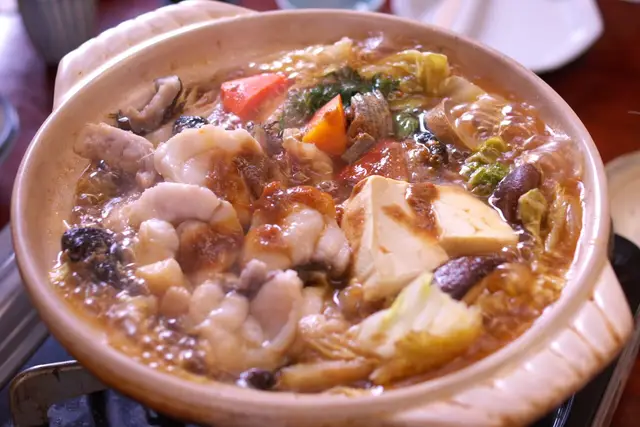
Ankou-nabe (monkfish hot pot)
あんこう鍋
Hot pot made with monkfish, a winter specialty of Ibaraki. Monkfish dishes are served around November to March.
- 명물 지역
- Ibaraki 각지
해산물
Shirasu-don (whitebait rice bowl)
しらす丼
Rice bowl topped with raw or boiled whitebait. Ibaraki is among the top whitebait-catching prefectures in Japan.
- 명물 지역
- Ibaraki 각지
해산물
Ibaraki seafood rice bowl (kaisen-don)
茨城の海鮮丼
Rice bowl topped with seasonal fish. Coastal towns each have a fish market where it can be eaten.
- 명물 지역
- Ibaraki 각지
면
Hitachi-aki soba (buckwheat noodles)
常陸秋そば
Soba made from Ibaraki's Hitachi-aki buckwheat. It is also eaten dipped in tsuke-kenchin, a local vegetable soup.
- 명물 지역
- Ibaraki 각지
해산물
Mehikari (greeneye fish, usually fried)
めひかり
Small deep-sea fish caught off Ibaraki most of the year, usually fried or tempura. Fattiest from about October to February.
- 명물 지역
- Ibaraki 각지
고기
Hitachi-gyu (Ibaraki wagyu beef)
常陸牛
Ibaraki-raised black wagyu that meets a set grade. Known for lean, good-quality meat.
- 명물 지역
- Ibaraki 각지
‘먹을 수 있는 가게 찾기’는 요리 이름과 지명으로 지도 앱 검색을 엽니다. 검색에 나오는 가게는 이 사이트가 고르거나 추천한 것이 아닙니다. 그 요리가 있는지는 가게에 확인해 주세요.
Ibaraki의 향토 요리(30개)여행 준비·예약할 수 있는 사이트(광고)
- 체험·입장권·현지 투어
- 인기 전망대·미술관·테마파크는 당일권 없이 날짜·시간 지정 사전 예약이 필요한 곳이 늘고 있습니다. 버스 배차가 적은 교외는 현지 출발 일일 투어를 이용하면 효율적입니다.
- KlookKKday
- 렌터카
- 공항에서 바로 이동하거나 철도·버스 배차가 적은 지역을 돌 때는 렌터카가 편리합니다. 카시트, ETC 카드, 겨울철 스노우 타이어는 예약할 때 미리 지정해 두면 당일에 원활합니다.
- Klook
- 식사·레스토랑 예약
- 저녁 인기 맛집이나 코스 요리는 당일에 만석인 경우가 많으므로 좌석만이라도 미리 예약해 두면 안심할 수 있습니다. 처음 방문하는 지역에서는 현지 가이드와 함께하는 푸드 투어도 유용합니다.
- Klook
신뢰할 수 있는 대형 예약 서비스만 안내합니다. 링크를 통해 예약이 이루어지면 이 사이트가 소개료를 받을 수 있습니다(새 탭에서 열림).
예약·구매한 상품이 도움이 되었는지 후기 남기기
출처
지역 명물 음식
명물 음식은 도도부현・시정촌・관광협회・JNTO 등의 공식 안내에서 그 지역의 명물임을 확인한 것입니다(2026-11-17 확인). 설명은 이 사이트에서 썼습니다.
- Ankou-nabe (monkfish hot pot): www.ibarakiguide.jp
- Shirasu-don (whitebait rice bowl): www.ibarakiguide.jp
- Ibaraki seafood rice bowl (kaisen-don): www.ibarakiguide.jp
- Hitachi-aki soba (buckwheat noodles): www.ibarakiguide.jp
- Mehikari (greeneye fish, usually fried): www.ibarakiguide.jp
- Hitachi-gyu (Ibaraki wagyu beef): www.ibarakiguide.jp
사진·데이터 출처
Fukuroda Falls cascading through a gorge of autumn foliage t.kunikuni (CC BY-SA 2.0) / A clay pot of monkfish simmered with tofu and vegetables Yamaguchi Yoshiaki Camera location36° 19′ 21″ N, 140° 34′ 07.5″ E View this and (CC BY-SA 2.0). 잘라내고 축소했습니다.