中国地区的名产・乡土料理
濑户内海和日本海两边的海鲜,以及山区的料理。
中国地区的名产美食 46 种,乡土料理 142 种。
来中国地区要尝的名产
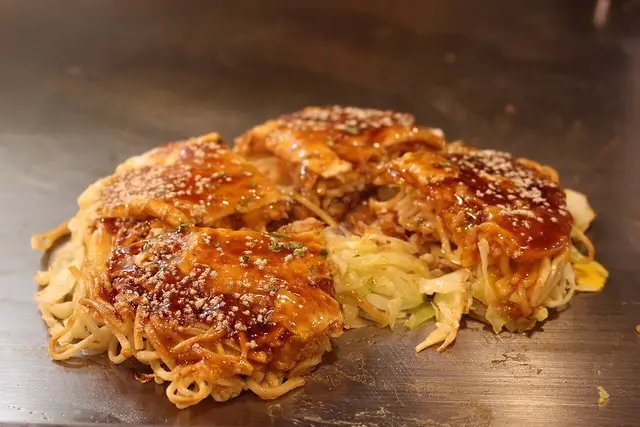 Hiroshima-style okonomiyaki (layered savory pancake with noodles)Hiroshima CitySavory pancake layered with cabbage, bean sprouts and fried noodles on a thin batter. About 1,300 shops in the prefecture.
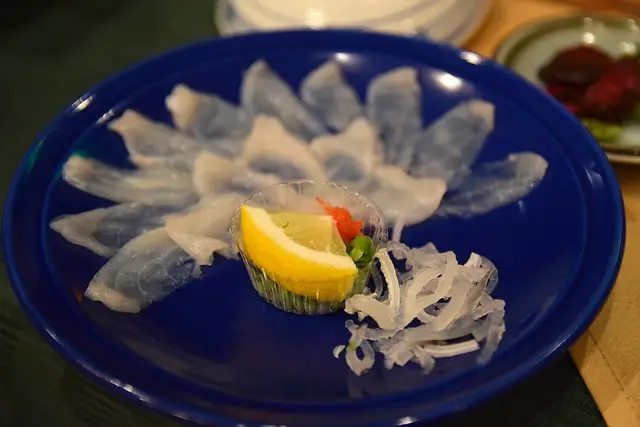 Shimonoseki fugu (blowfish) dishesShimonoseki
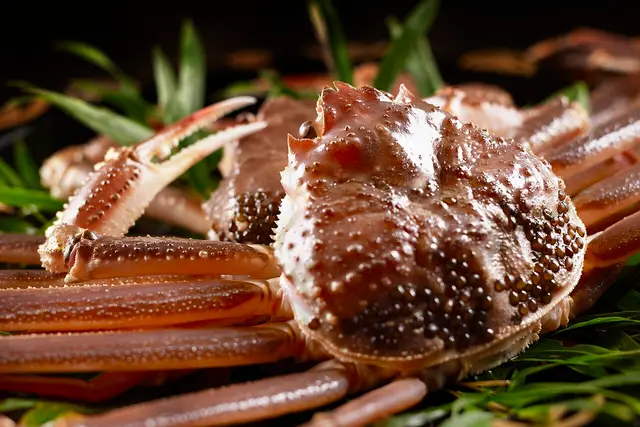 Matsuba crab (male snow crab)
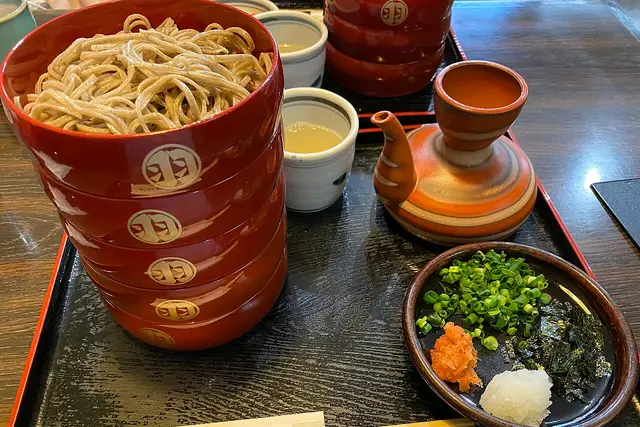 Izumo soba (dark, strongly flavored buckwheat noodles)Izumo and Matsue
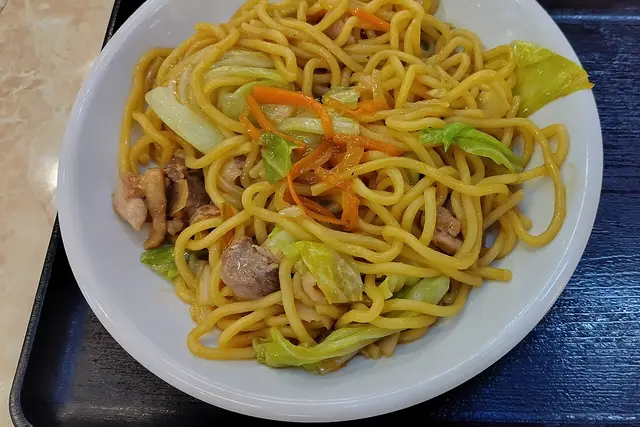 Hiruzen yakisoba (miso-sauce noodles with chicken)Hiruzen Highlands
Hiroshima
名产 10・乡土料理 29
名产美食
到访当地时值得一尝、在店铺或摊位能吃到的名产。
Mihara City面粉料理
Miharayaki (okonomiyaki with chicken offal)
三原焼き
Okonomiyaki containing chicken offal. Served at shops in Mihara.
Shobara City面粉料理
Shobara-yaki (okonomiyaki with rice and ponzu)
庄原焼き
Okonomiyaki that uses local rice instead of noodles and ponzu instead of sauce. Served in Shobara.
乡土料理
家庭和地方传承下来的料理。有些店里没有供应(取自日本农林水产省“うちの郷土料理”)。
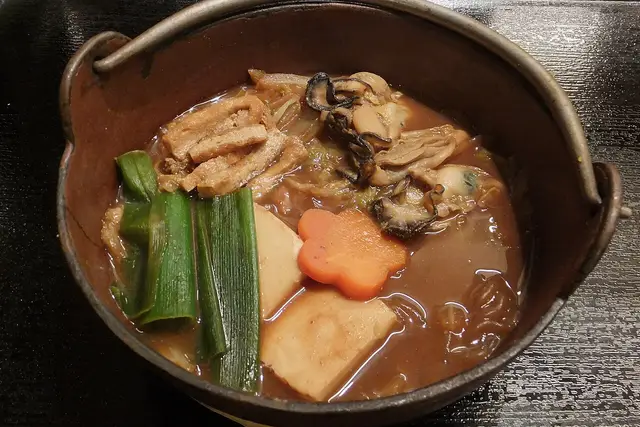 Hiroshima City, Etajima City, Miyajima, Kure, Ondo area, etc.Kaki no dotenabeかきの土手鍋
There are three origins of the name of "oyster Dote-nabe". The first is that miso is coated on the inside of the pot like a bank. The second is that Chokichi Dote was the inventor of this nabe dish.
主要食材: Oysters, tofu, red miso, white miso, shiitake mushrooms, enoki mushrooms, carrots, garland chrysanthemums, green onions, thread konnyaku
- All regions in Hiroshima PrefectureOkonomiyakiお好み焼き
The okonomiyaki made in Hiroshima is a dish wherein thinly spread batter is cooked in a pan and piled with heaps of cabbage, pork, yakisoba, a thinly fried egg, or other ingredients.
主要食材: Wheat flour, green cabbage, pork, yakisoba, egg, sauce, green laver aonori
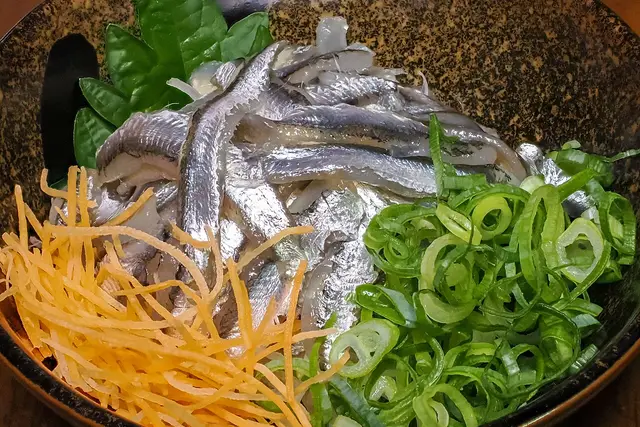 Ondo-cho Kure City, Kurahashi-machiKo-iwashi no sashimi (sashimi of small sardine)小いわしの刺身
"Ko-iwashi" refers to Japanese anchovy, and has long been known as "small sardines" in Hiroshima Prefecture.
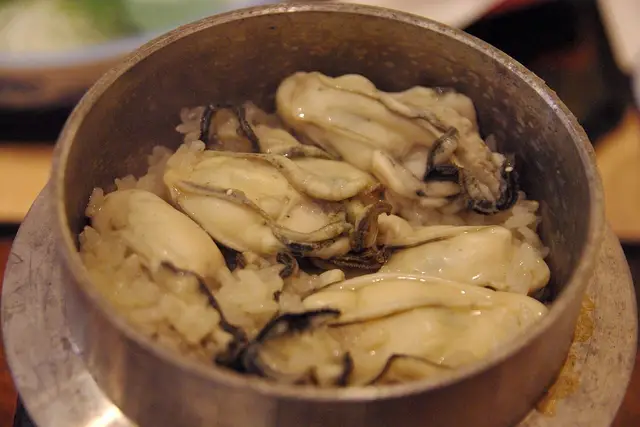 Etajima CityKaki Meshi (Mixed Rice with Oysters)かき飯
"Kaki meshi" is a mixed rice made with oysters from aquaculture in the areas around Etajima city. The local people of Hiroshima have been eating oysters for a long time.
主要食材: Oyster, Rice, Carrot, Gobou (=burdock root), Dried shiitake mushroom, Fried thin tofu
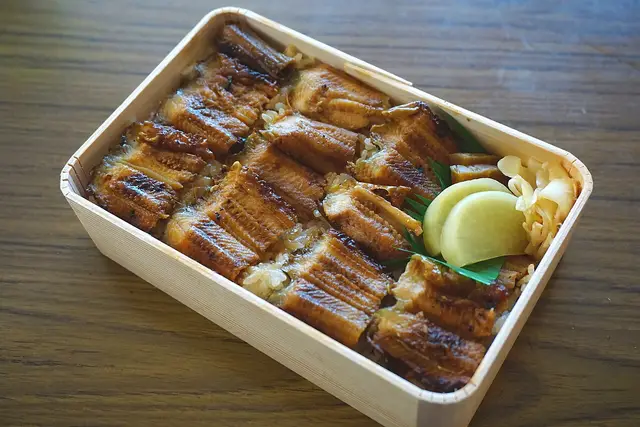 Miyajima Town, Hatsukaichi City , Hiroshima CityAnago Meshi (Rice with Conger Eel)あなご飯
"Anago meshi" is said to have been born in Meiji 34, four years after the opening of the Sanyo Railway.
- Miyoshi City and Shobara City in Bihoku areaWani no sashimiワニの刺身
It is called "crocodile", but what is actually eaten is "shark". It is also called "fuka.
- Fukuyama CityUzumiうずみ
Uzumi" is said to have originated in the Edo period (1603-1867), when people buried the ingredients under the rice to make it look more simple.
主要食材: burdock root, taro, carrot, radish, shiitake mushroom, matsutake mushroom, tofu, small shrimp, chicken, sea bream, rice
- Kumano Town, Akitakada CityHassun八寸
Hachisun" is a stew made from a combination of mountain and sea vegetables that was eaten in areas where there were many Aki Monzoku (Jodo Shinshu sect members in the western part of Hiroshima…
主要食材: Chicken, fish cakes, taro, lotus root, carrot, radish, burdock root, dried shiitake mushroom, konnyaku, tofu, thick fried bean curd
- Onomichi City, Mihara City, Kure CityWakegi no nutaわけぎのぬた
It is a hybrid of leek and shallot, and has a unique aroma different from that of green onions. It is a member of the leek family, but has a unique aroma that is different from that of green onions.
主要食材: Wakegi, white miso, sugar, vinegar, mirin (sweet cooking rice wine)
- Ōtake City, Kure CityMoburiもぶり
The name "Moburi" is derived from the Hiroshima dialect, meaning "to mix" or "to blend." Depending on the region, it is also known as "Mōburi-gohan" or "Moguri-meshi."
主要食材: Rice, carrots, burdock root, lotus root, dried shiitake mushrooms, fried tofu, snow peas, black beans
- Located in the Aki region, Hiroshima CityBisyunabe(Sake Hot Pot)美酒鍋
Sake hot pot is a simple dish made by cooking chicken, gizzard, pork, and vegetables with a straightforward seasoning of salt, pepper, and sake.
主要食材: Chicken, gizzard, pork, napa cabbage, chives, leek, salt, pepper, sake, garlic
- Seto Inland Sea coastal regions such as Fukuyama City, Onomichi City, and Osakikamijima TownTaimeshi鯛めし
“Taimeshi” is a local dish mainly eaten in the Seto Inland Sea coastal region. It’s made by putting a whole sea bream in a pot and cooking it with rice.
- Seto Inland Sea coastal areas such as Onomichi City and Hatsukaichi CityTai-men/Tai-somen鯛めん/鯛そうめん
Tai-men is a dish featuring boiled somen noodles piled in waves on a large plate and topped with a whole boiled sea bream, garnished with prickly ash leaves, cucumber, shredded egg crepe, and…
主要食材: Sea bream, somen noodles, prickly ash leaves, egg, shiitake mushroom
- Fuchu town and other areas in the western part of the prefectureNigome煮ごめ
The vegetarian dish "Nigome" is made with diced and boiled azuki beans, daikon radish, carrots, dried shiitake mushrooms, burdock root, lotus root, taro, deep-fried tofu, and konjac.
主要食材: azuki beans, radish, carrots, dried shiitake mushrooms, burdocks, lotus root, taro, deep-fried tofu, konjac
- Mihara, Onomichi, Osakikamijima, KureIgisu tofu (Red algae and soy flour)イギス豆腐
This dish is made from a type of algae called “igisu”, which is mixed with raw soy flour and heated until it melts, then set like gelatin.
主要食材: Igisu (red algae) raw soy flour, dashi stock, shiso leaves, Japanese ginger, miso, vinegar
- Fukuyama CityKuwai no Ama-ni (Arrowhead simmered in a sweet sauce)くわいの甘煮
Kuwai no Ama-ni is a stew that is known for its sweet taste, which is seasoned with broth, sugar, and mirin.
- Kita Hiroshima-choKinako Musubiきなこむすび
Kinako-musubi is a round omusubi with dried plums and thinly sliced salted kelp, covered with kinako (roasted soybean flour).
主要食材: Rice, kinako (roasted soybean flour), umeboshi (pickled plums), simmered soybeans, and salted kelp
- Fukuyama CityNebuto no Karaageねぶとの唐揚げ
Nebuto is a white-fleshed fish of 3 to 5 cm caught mainly in the Seto Inland Sea, and is commonly called tenjikudai. It is also called "ishimochi" or "ishikaberi" because of its hard head.
- Hiroshima City, Kita Hiroshima-cho, Akitakata City, GeihokuKaku Sushi角寿司
It is a type of oshizushi made by filling a square wooden mold with sushi rice and other ingredients, and is eaten in the Asakita-ku area of Hiroshima City and the Geihoku region of Hiroshima…
主要食材: Rice, Shime saba (vinegared mackerel), Eggs, Kamaboko(fish cake), Shiitake mushrooms, Chestnuts, Sansho leaves, Carrot leaves, Dried shrimps, Denbu (A food made by breaking up fish meat (e.g. Red Snapper fish) into small pieces, seasoning with sugar, soy sauce, mirin (=sweet rice wine) and roasting.
- Mihara City, Onomichi City, Fukuyama CityTakomeshiたこめし
"Takomeshi" is octopus cooked with rice. Originally, fishermen would chop octopus on the boat and cook it into rice and eat it as fishermen's rice.
- Onomichi City, Fukuyama CityAzuma (Vinegared Sushi on Soy Pulp)あずま
Along the coastal areas, it is known as "Azuma" or "Azumazushi," while in the mountainous regions around Miyoshi City, there is a variation called "Unohana Zushi" that uses sweetfish (ayu) and, once…
主要食材: Mamakari (Japanese sardine), U-no-hana (Okara Soy Pulp), Ginger, Salt, Vinegar, Sesame, Chives, Green Onions, etc.
- Kure CityKure-no-Nikujaga (Kure style Meat and Potato Stew)呉の肉じゃが
In the case of the general "nikujaga" (meat and potato stew), it typically consists of potatoes, beef, and onions as the main ingredients, with variations in additional vegetables such as carrots…
主要食材: Potatoes, Beef, Shirataki (konjac noodles), Onions, Sugar, Soy Sauce
- Onomichi CityEbiko / Maki-Zushiえび粉/巻き寿司
"Ebiko" is made by peeling and finely chopping boiled small shrimp (Akaebi) with a knife, and then sweetening and stir-frying them with sugar, mirin, sake, etc.
- Hiroshima City, Naka-ku, Eba districtEba Maki江波巻き
Traditional nori(seaweed) rolls from the Eba district in the central area of Hiroshima City, where nori cultivation has been thriving for a long time.
主要食材: Rice, Hiroshima-style pickled vegetables, Bonito flakes, Soy sauce, White sesame seeds, Seaweed
- All of Hiroshima PrefectureHiroshima-nazuke-no Onigiri (Rice ball wrapped in pickled Hiroshima mustard)広島菜漬のおにぎり/広島菜むすび
Rice ball wrapped in pickled Hiroshima mustard. Hiroshima-na is a type of Chinese cabbage belonging to the Brassicaceae family.
- Takehara CityGyohan (Fish rice)魚飯
Fish rice is a dish consisting of grilled and loosened white fish topped with colorful ingredients such as kinshi tamago (thin cut omelets), mitsuba, shiitake mushrooms, shrimp, seaweed, and bamboo…
主要食材: White fish, Kinshi tamago (thin cut omelets), Shiitake mushroom, Shrimp, Seaweed
- Otake CityOhira (Chiken and vegetable stew)大平
The name ohira is said to come from the large, flat bowl in which it is placed when served on a table.
主要食材: Chicken, Satoimo(=Japanese taro), Lotus root, Carrot, Daikon radish, Gobou(=Burdock root), Dried shiitake mushroom, Konjac(=yam cake), Thick fried tofu
- Fukuyama CityNija (Stir-fried Vegetables)煮菜
In the northern part of Fukuyama City, it is called nija and in the southern part, nizai. Seasonal ingredients such as small shrimp, shellfish, bonito flakes, and Napa cabbage may be added.
主要食材: Daikon radish, Fried thin tofu, Nebuka-negi (Japanese leeks), Iriko (dried sardines), Soy sauce
- Aki Region ,Etajima CityKaki Zoni (Japanese Soup made with Rice Cakes and Oysters)かき雑煮
"Kaki zoni" is a "sumashi-jiru" (=clear soup) made with dried sardines, kombu (=kelp), and bonito soup stock. The soup contains oysters, yellowtail, and vegetables.
主要食材: Round mochi (=rice cake), Oyster, Yellowtail, Turnip, Daikon radish, Carrot, Spinach, Shiitake mushroom
“查找能吃到的店”会用料理名称和地名打开地图应用的搜索。搜索出的店不是本站挑选或推荐的。是否供应这道料理,请向店家确认。
来源
名产・乡土料理
出处:根据农林水产省“うちの郷土料理 (Our Regional Cuisines)”加工制作(2026-11-15 获取) https://www.maff.go.jp/e/policies/market/k_ryouri/index.html. 名称、流传地区和食材按原页面所写,介绍是原文的一部分。不使用农林水产省的照片(料理照片来自 Wikimedia Commons)。本页面不是农林水产省制作的。料理名称和介绍以英语显示。
当地特色美食
各项美食均已通过都道府县、市町村、观光协会或 JNTO 的官方页面确认为当地特色(2026-11-17 确认)。说明由本站撰写。
- Hiroshima-style okonomiyaki (layered savory pancake with noodles): dive-hiroshima.com
- Shirunashi tantanmen (soupless spicy sesame noodles): dive-hiroshima.com
- Anagomeshi (grilled conger eel on rice): dive-hiroshima.com
- Miyajima oyster dishes: www.miyajima.or.jp
- Age-momiji (deep-fried momiji manju): dive-hiroshima.com
- Kure reimen (cold noodles with sweet-sour sauce): www.city.kure.lg.jp
- Onomichi ramen (soy ramen with small-fish broth and pork back fat): www.ononavi.jp
- Onomichiyaki (okonomiyaki with gizzard and squid tempura): dive-hiroshima.com
- Miharayaki (okonomiyaki with chicken offal): dive-hiroshima.com
- Shobara-yaki (okonomiyaki with rice and ponzu): dive-hiroshima.com
照片与数据出处
Hiroshima-style okonomiyaki with noodles, fresh off the griddle EllieBellie25 (CC BY-SA 4.0) / Thinly sliced fugu sashimi arranged on a blue plate Raita Futo from Tokyo, Japan (CC BY 2.0) / Matsuba snow crabs laid out on bamboo leaves Nishimuraya Kinosaki Onsen (CC BY 2.0) / Izumo warigo soba in five stacked round dishes with condiments J.Yoshiiiiiiii (CC BY-SA 4.0) / Hiruzen yakisoba with chicken and cabbage on a plate Miyuki Meinaka (CC BY-SA 4.0) / Oyster dotenabe: oysters, leeks and vegetables simmered in a miso broth Lombroso (CC BY-SA 4.0) / Small sardine sashimi with sliced green onion and shredded carrot かるちる (CC0) / Kaki-meshi: plump oysters on rice cooked in a small iron pot pelican from Tokyo, Japan (CC BY-SA 2.0) / Anago-meshi: grilled conger eel laid over rice in a wooden box くろふね (CC BY-SA 4.0)。已裁剪并缩小。