九州的名产・乡土料理
猪肉、鸡肉料理,面食,以及玄界滩、有明海的海鲜。也有因与海外往来而诞生的料理。
九州的名产美食 65 种,乡土料理 204 种。
来九州要尝的名产
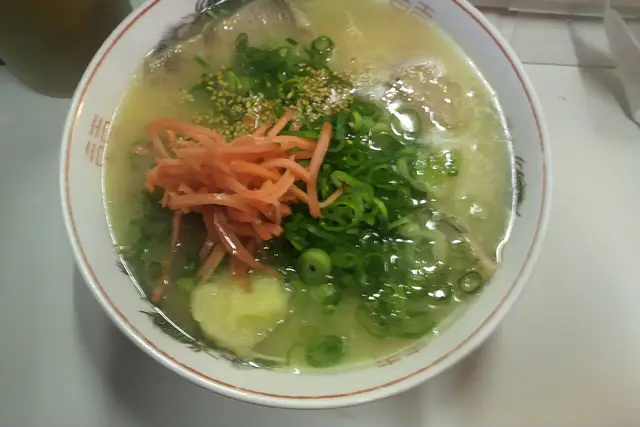 Hakata ramen (pork-bone broth with thin noodles)HakataRamen with milky pork-bone broth and thin straight noodles, also served at yatai stalls.
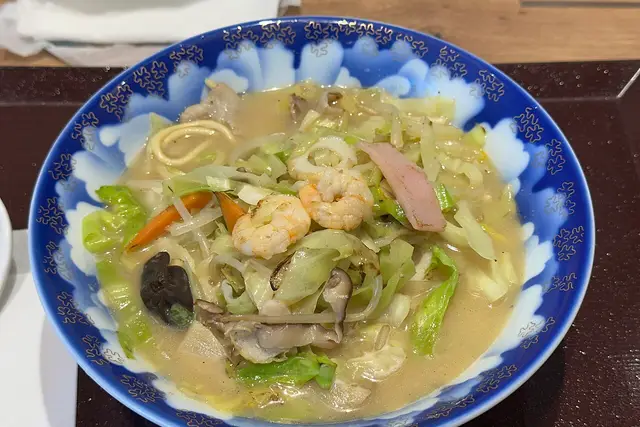 Nagasaki champon (noodles in rich soup with seafood and vegetables)Nagasaki City
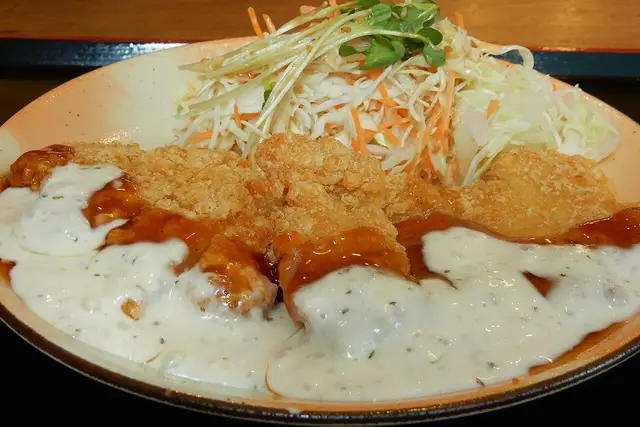 Chicken nanban (fried chicken in sweet vinegar sauce)Nobeoka
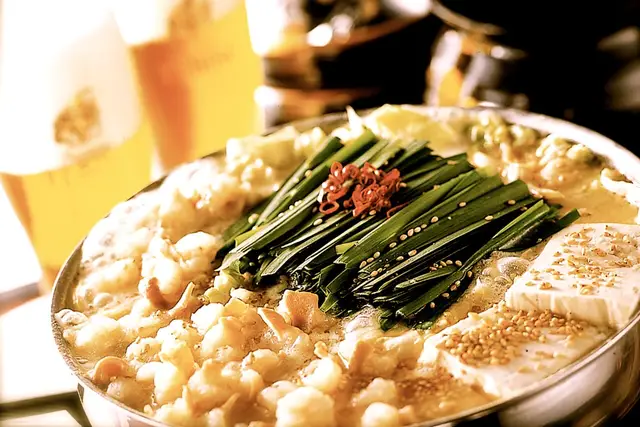 Hakata motsunabe (beef offal hot pot)Fukuoka City
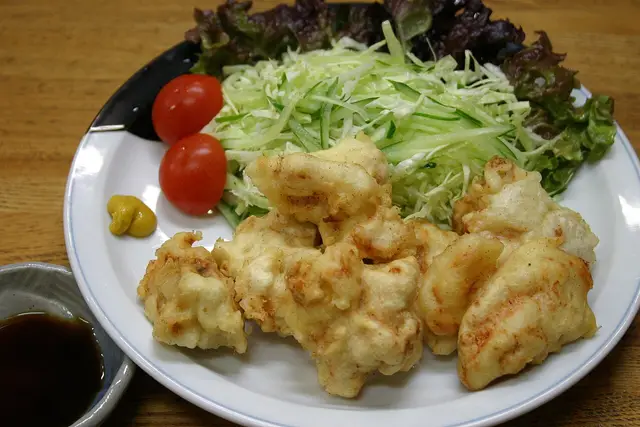 Toriten (tempura-battered fried chicken)Oita and Beppu
Fukuoka
名产 10・乡土料理 30
名产美食
到访当地时值得一尝、在店铺或摊位能吃到的名产。
Kokura, Kitakyushu面类
Kokura yaki-udon (pan-fried udon)
小倉焼うどん
Stir-fried udon born in Kokura after the war, a local B-grade gourmet dish.
Mojiko米饭・盖饭
Mojiko yaki-curry (baked curry rice)
門司港焼きカレー
Curry rice baked in an oven with toppings such as cheese and egg, from Mojiko.
Kurume City面类
Kurume ramen (rich pork-bone ramen)
久留米ラーメン
Rich, cloudy pork-bone ramen with slightly thick noodles; Kurume is said to be its birthplace.
Kurume City肉类
Kurume yakitori (skewers of many meats)
久留米焼きとり
Skewers of chicken, pork, beef and horse; Kurume has a dense concentration of yakitori shops.
乡土料理
家庭和地方传承下来的料理。有些店里没有供应(取自日本农林水产省“うちの郷土料理”)。
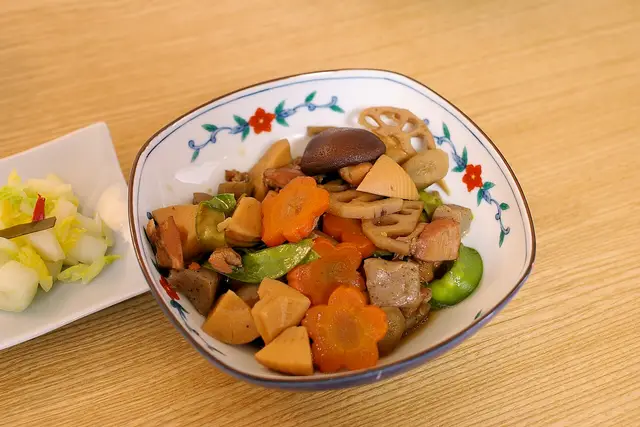 All over Fukuoka PrefectureGameniがめ煮
"Game-ni" is a typical local dish of Fukuoka Prefecture, and its name comes from the Hakata dialect word "gamekurikomu" (meaning "to gather together").
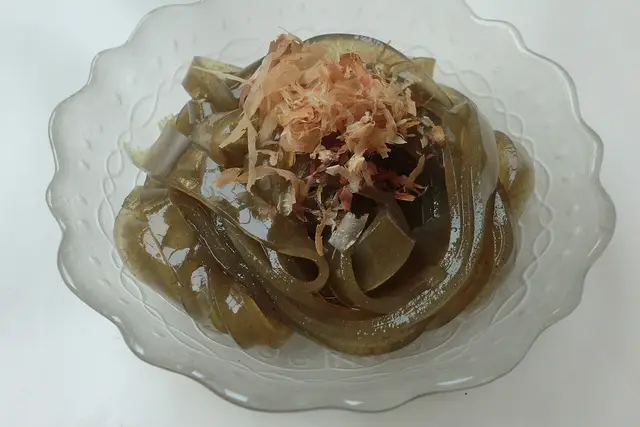 Fukuoka CityOkyutoおきゅうと
Okyuto is a local delicacy unique to Fukuoka Prefecture, which faces the sea.
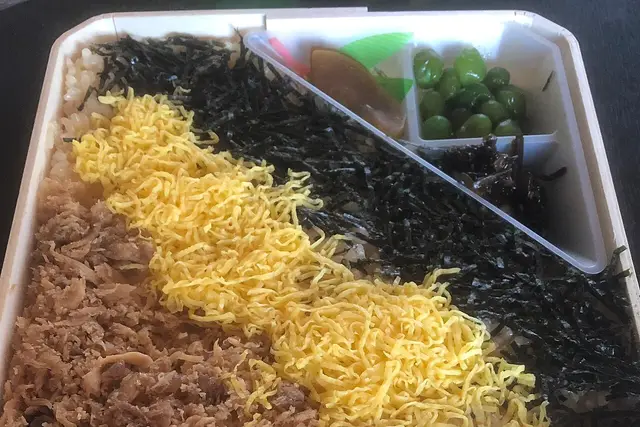 All areas within the prefectureKashiwa-meshiかしわめし
In the Kyushu region, chicken is called "kashiwa," and "kashiwa-meshi" is a local food that combines chicken and boiled-down ingredients to cooked rice.
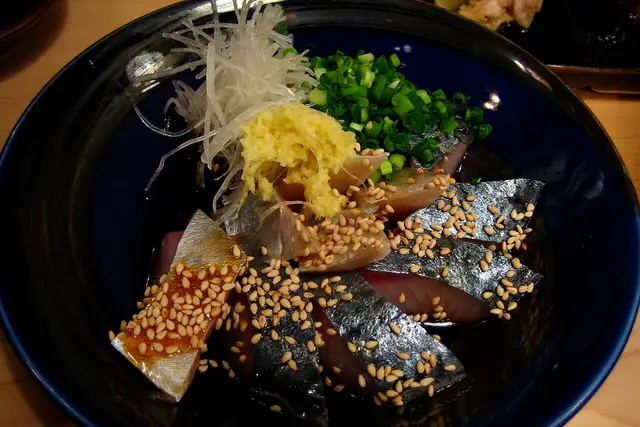 Fukuoka RegionHakata Sesame Mackerel博多の胡麻鯖
One well-known local dish featuring raw mackerel is "Hakata Sesame Mackerel." It consists of thinly sliced mackerel sashimi, mixed with soy sauce, toasted sesame seeds, and mirin (a sweet rice wine).
- Kitakyushu CityNukamisodakiぬかみそ炊き
In the old days, nukazuke was a preserved food of the Ogasawara clan, and it was handed down to an old family in Kokura, where it spread among the common people.
- Hakata areaHakata zoni博多雑煮
Katsuona, an essential ingredient in Hakata Zoni, is a vegetable that has been used in Hakata since ancient times and is a kind of the takana vegetable.It is said to have gotten its name from the…
主要食材: small round rice cakes, yellowtail fillets, shiitake mushrooms, taro, carrots, katsuona (leaf vegetables), radish
- Fukuoka areaWakadori no mizutaki若鶏の水炊き
The Chinese-style chicken stew in light salt became popular in Nagasaki and was fused with Western soups such as consommé, and then combined with elements of Japanese cuisine to create Fukuoka's own…
- Fukuoka regionAchara-zuke Picklesあちゃら漬け
Achara-zuke is a vinegared dish of chopped seasonal vegetables with red chili pepper. The refreshing sweetness and sourness are accented by the spiciness of the red chili pepper.
主要食材: Quick-pickling melon, eggplant, lotus root, cloud ear mushrooms, burdock root, quick-cooking kelp, carrot
- Buzen areaNiguiにぐい
With "nigui," ingredients are chopped into bite-sized pieces, a little more finely than typical stews, and cooked with plenty of broth. Its taste is one that brings relief to your heart.
- ChikugoFunayakiふなやき
“Funayaki” is an afternoon snack made from flour which has been passed down in the Chikugo region since ancient times.
- Buzen CityPumpkin dangojiruかぼちゃのだんご汁
The Mikekado area of Buzen City in the northeastern part of the prefecture is a production area for the large Japanese Mikekado pumpkins, which weigh nearly 4kg each and are used to make “pumpkin…
主要食材: Wheat flour dumplings, pumpkin, shiitake mushrooms, and dried sardines
- Fukuoka CityAbuttekamo (Salt-grilled Chromis)あぶってかも
"Abuttekamo" is salt-roasted damselfish mainly eaten in the coastal areas of Fukuoka City. It is characterized by the aroma of the skin and scales and the slight bitterness of the liver.
- Northern part of Fukuoka PrefectureGame no ha Manjyuがめの葉饅頭
"Kashiwa Mochi" is a traditional Japanese snack made during the Boys’ Day celebration and is especially popular among children.
主要食材: Top-grade rice flour, red bean paste, game (sankira) leaves (smilax glabra leaves)
- Yame CityImo-Manjuuいも饅頭
One of the dishes is "Imo-Manjuu". In the evening, I would eat it as a bridge until dinner was ready, or in place of rice when I didn't have enough food.
- Buzen AreaSu-Mochi酢もち
"Su-Mochi" is a local dish made by putting grated daikon radish, squeezed juice of daidai, soy sauce, and sugar in a bowl, cutting the last rice cake of the New Year into bite-size pieces by hand…
- Chikuhou DistrictSenbuki-Mageせんぶきまげ
The dish is named "Senbuki-Mage" because this "Senbuki" is quickly boiled, bent, and served. "Su-Miso-Ae (Vinegared miso paste)" is a typical dish, and it is always prepared for the Doll's Festival.
- Kasuya District to Munakata CityToriniku no Sukiyaki鶏肉のすき焼き
The people of Fukuoka began to eat chicken meat when Fukuoka prefecture experienced a famine, namely the Kyoho famine, during the Edo period and the Fukuoka Domain faced a financial crisis.
主要食材: Chicken meat (parent bird and broiler), offal (internal organs), gobou (=burdock), seasonal vegetables
- Chikugo RegionSetaka no Takana Zuke(Pickled takana)瀬高の高菜漬け
“Setaka no Takana Zuke” is nutritious and can be preserved for a long time and is a popular food enjoyed by the people of Japan. It is one of the most popular pickles available in the country.
- Munakata City, Oshima DistrictTohei Nabe (Eel Hot Pot)とうへい鍋
Although it is cherished as a special dish for festive occasions and gatherings with family and friends, the limited catch and the challenging preparation process have made 'Tohei Nabe' a…
- Kanezaki RegionNousabaのうさば
The term "Nousaba" refers to a regional dish where dried Hoshizame (a small type of shark found in various parts of Japan, characterized by star-like white spots on its back) is soaked in a…
- Northern Kyushu RegionMitori Manjuみとり饅頭
"Mitori Manju" is characterized by the distinctive aroma and subtle bitterness of baking soda. Adding baking soda causes the dough to expand when steamed, resulting in a beautifully round manju.
- All of Fukuoka PrefectureYuzu Gosho (Yuzu Citrus Pepper)ゆずごしょう
In the Kyushu region, there is a familiar seasoning called "yuzugosho."
- Asakura CityAmagi-no-Kawatakeあまぎのかわたけ
Kawatake (river mushroom) is a precious natural freshwater laver that can only be harvested from the Kogane River in Asakura City, Fukuoka Prefecture.
- Ariake Sea coastal areasKutsuzoko-no-nitsuke (Simmered Sole)くつぞこの煮つけ
The Ariake Sea is surrounded by four prefectures in Kyushu. The sea bottom is muddy and shallow, with an average depth of about 20 m.
- Buzen AreaEbizakko (Fried Shrimp)えびざっこ
The Buzen Sea brings us abundant blessings.
- Buzen AreaBeta-mochi (Wheat cake with Kinako)べたもち
The word "Beta-mochi" comes from "Beta," a fish caught in the Buzen Sea. In the area around Buzen City, the tongue sole is familiarly called "Beta" and is a common fish eaten locally.
- Chikugo Region (Yanagawa City)Yanagawa-nabe (stewed loach with egg)柳川なべ
One of the specialties of Yanagawa City is "Yanagawa-nabe" made with loach. Eels and loaches have been eaten in this area since ancient times.
- Chikugo Region (Yame City)Yama-Konjac-sashimi (Konjac-sashimi)やまごんにゃくの刺身
Konjac(=yam cake) has a long history.
- Chikugo RegionEtsuno-nanbanzuke (Etsu fish dish)エツの南蛮漬け
Etsu fish, also known as "phantom fish," is found only in Japan in the area around the mouth of the Chikugo River, which flows into the Ariake Sea.
- Chikugo area (Kurume City)Kamasu-sushi (barracuda-sushi)かます寿司
The Kora Taisha Festival (Korasan-Kunchi) held at the Kora Taisha Shrine, the number one shrine in Chikugo Province, is a festival that combines the celebration of Chou-you Festival and the autumn…
“查找能吃到的店”会用料理名称和地名打开地图应用的搜索。搜索出的店不是本站挑选或推荐的。是否供应这道料理,请向店家确认。
来源
名产・乡土料理
出处:根据农林水产省“うちの郷土料理 (Our Regional Cuisines)”加工制作(2026-11-15 获取) https://www.maff.go.jp/e/policies/market/k_ryouri/index.html. 名称、流传地区和食材按原页面所写,介绍是原文的一部分。不使用农林水产省的照片(料理照片来自 Wikimedia Commons)。本页面不是农林水产省制作的。料理名称和介绍以英语显示。
当地特色美食
各项美食均已通过都道府县、市町村、观光协会或 JNTO 的官方页面确认为当地特色(2026-11-17 确认)。说明由本站撰写。
- Hakata motsunabe (beef offal hot pot): www.crossroadfukuoka.jp
- Hakata mizutaki (chicken hot pot in white broth): www.crossroadfukuoka.jp
- Hakata ramen (pork-bone broth with thin noodles): www.crossroadfukuoka.jp
- Kokura yaki-udon (pan-fried udon): www.crossroadfukuoka.jp
- Mojiko yaki-curry (baked curry rice): www.crossroadfukuoka.jp
- Kurume ramen (rich pork-bone ramen): www.crossroadfukuoka.jp
- Kurume yakitori (skewers of many meats): www.crossroadfukuoka.jp
- Yanagawa unagi seiromushi (steamed eel on rice): www.crossroadfukuoka.jp
- Itoshima oysters (grilled at oyster huts): www.crossroadfukuoka.jp
- Umegae-mochi (grilled rice cake with sweet bean paste): www.crossroadfukuoka.jp
照片与数据出处
Hakata ramen in milky pork-bone broth with red pickled ginger and green onions vigorous_action (CC BY-SA 3.0) / Nagasaki champon with shrimp, cabbage and other vegetables in a blue bowl ノボホショコロトソ (CC BY 4.0) / Chicken nanban covered with tartar sauce, with shredded cabbage Lombroso (CC BY-SA 4.0) / Hakata motsunabe hot pot with beef offal, garlic chives, chili and sesame 徳永涼 (CC BY-SA 3.0) / Plate of toriten (chicken tempura) with shredded cabbage and tomatoes Toritencat (Public domain) / Bowl of gameni, simmered chicken with lotus root, carrot, taro and snow peas pelican (CC BY-SA 2.0) / Strips of okyuto seaweed jelly topped with bonito flakes in a glass dish Nissy-KITAQ (CC BY-SA 3.0) / Kashiwa-meshi boxed lunch with chicken, shredded egg and nori over rice 舌先現象になります (CC BY 4.0) / Goma-saba: raw mackerel slices with sesame, green onion and grated ginger ayustety from Tokyo, Japan (CC BY-SA 2.0)。已裁剪并缩小。