四国的名产・乡土料理
濑户内海和太平洋的海鲜、乌冬面等,各县名产各不相同。
四国的名产美食 31 种,乡土料理 115 种。
来四国要尝的名产
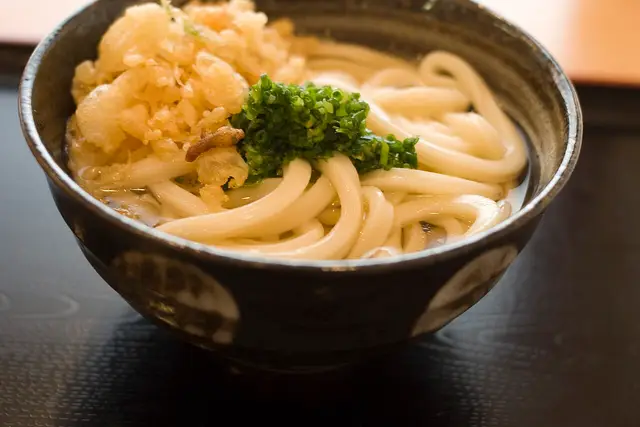 Sanuki udon (thick, chewy wheat noodles)Udon of Kagawa, served in many varieties such as kamatama and niku udon at shops across the prefecture.
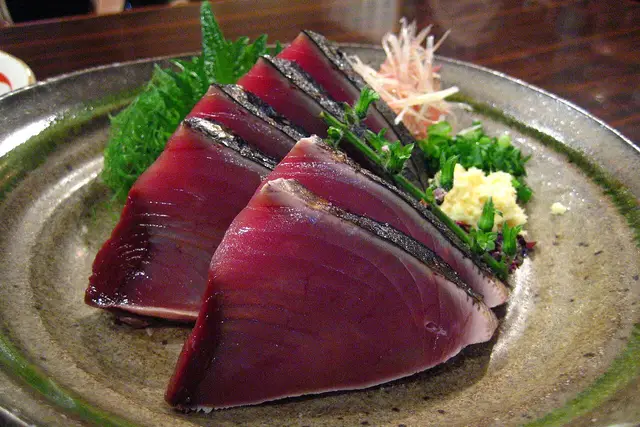 Katsuo no tataki (straw-seared bonito)Kochi City
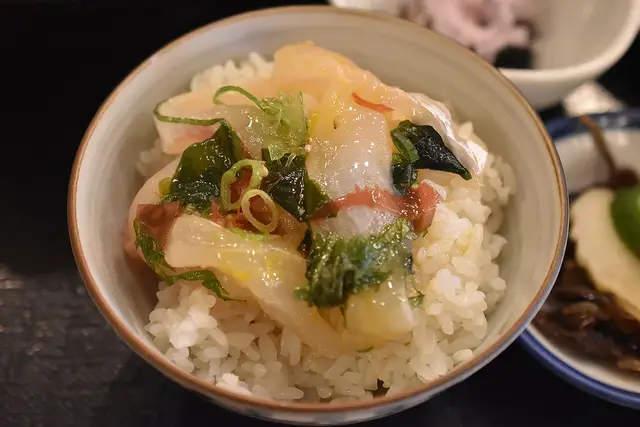 Uwajima taimeshi (sea bream sashimi on rice with egg sauce)Uwajima City
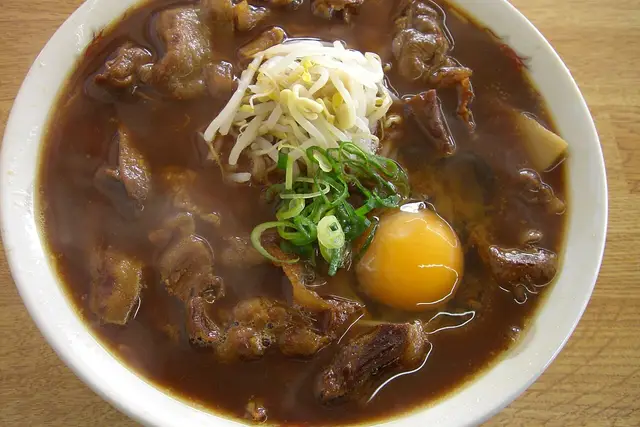 Tokushima ramen (brown pork-bone soy ramen)Tokushima City
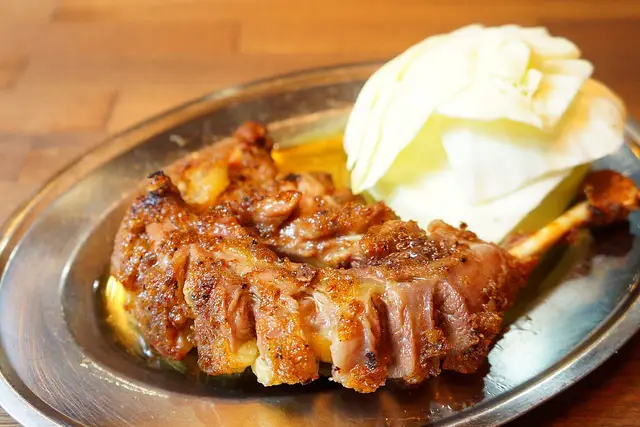 Honetsukidori (oven-roasted bone-in chicken)Marugame City
Kochi
名产 10・乡土料理 30
名产美食
到访当地时值得一尝、在店铺或摊位能吃到的名产。
Susaki City面类
Susaki nabeyaki ramen (ramen simmered in a clay pot)
須崎鍋焼きラーメン
Soy-flavored chicken-bone ramen simmered in a clay pot. Served at many shops in Susaki.
Susaki City海鲜
Utsubo (moray eel) dishes
うつぼ料理
Moray eel eaten in Susaki since long ago, usually as tataki or deep-fried.
Konan City面类
Konan nira shio yakisoba (garlic chive salt yakisoba)
香南にら塩焼そば
Yakisoba with plenty of garlic chives in a salt sauce. Konan is a top chive-producing city; served in local restaurants.
Akaoka, Konan面类
Chunichi soba (Chinese noodles in udon broth)
中日そば
Chinese noodles in udon broth. Eaten in Akaoka, Konan, for about 60 years; often a closing bowl after drinking.
Hidaka Village米饭・盖饭
Hidaka omurice (omelet rice with sugar tomato)
日高村オムライス
Omelet rice following a local rule of using the village sugar tomato. Many shops along National Route 33.
乡土料理
家庭和地方传承下来的料理。有些店里没有供应(取自日本农林水产省“うちの郷土料理”)。
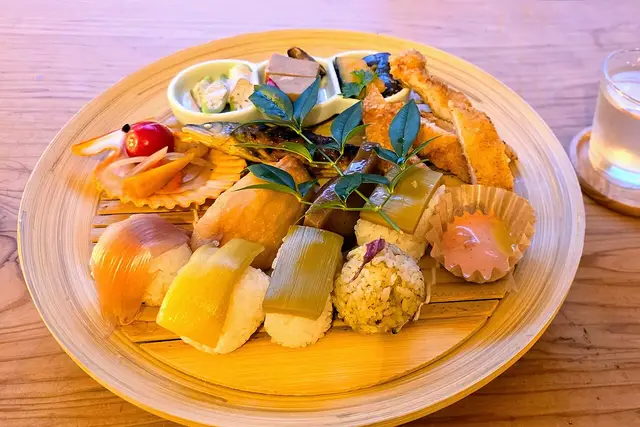 All of Kochi PrefectureInakazushi田舎ずし
“Inaka-zushi” is a type of Sushi using vegetables that are rare in Japan.
主要食材: “Myoga”, “Ryukyu” (a stalk of Lotus roots), Konjac(=yam cake), Bamboo shoots, Shiitake mushrooms, Turnips,” Shiho-tiku “(Special Bamboo shoots), Rice, etc.
- The whole prefectureBonito tatakiかつおのたたき
“Bonito tataki " was a fisherman's meal on board a boat, and was later introduced to the public.
- The whole prefectureStir-fried itadoriいたどりの油いため
One of the dishes, "Stir-fried itadori" is a dish that is still very popular at home.
- All of Kochi prefectureSaba no Sugata Zushi (Mackerel Sushi)さばの姿ずし
"Saba no sugata zushi" is one of the main dishes in "sawachi" cooking. Fresh mackerel is cut open and soaked in vinegar. Sushi rice is then stuffed into the mackerel.
- The whole prefectureVinegared Ryukyuりゅうきゅうの酢の物
“Vinegared Ryukyu” is one of the most popular summer dishes in Kochi Prefecture, and is still popular with the locals.
主要食材: Ryukyu (Hasuimo (a member of the taro family) stalk),marlin tuna or hairtail, yuzu vinegar, sesame seeds, etc.
- All of Kochi prefectureHaninniku-no-nuta (Vinaigrette Miso Leaf Garlic)葉にんにくのぬた
Nuta is a traditional seasoning from Kochi Prefecture, made by mixing miso and vinegar with garlic. It is commonly used to accompany raw fish or konjac(=yam cake).
- Nankoku City, etc.Negi to satsumaimo no nuta (Green onions and Sweet potatoes are mixed with vinegar miso dressing)ねぎとさつまいものぬた
Negi to Satsumaimo no Nuta is a dish where green onions and sweet potatoes are mixed with vinegar miso dressing.
- Plains, CoastMushi-Dai(Steamed sea bream)蒸し鯛
"Mushi-Dai " is one of the festive dishes served at an "okyaku" occasion in Kochi prefecture, such as weddings and New Year's celebrations. "Okyaku" means a banquet in the Tosa dialect.
主要食材: Sea bream, Okara(=the by-product left after making tofu), Carrot, Shiitake mushrooms, Gobou(=Burdock root), Eggs, Soy sauce, Mirin(=sweet rice wine), etc.
- Southern part of Aki CityKashikiriかしきり
“Kashikiri" is a type of Tofu made from ”kashi-no-mi” (Oak nuts, also called Acorns).
主要食材: Oak nuts (Arakashi no Mi), “Nuta” (seasoning made from a mixture of Leaf garlic, Sesame, Miso, Rice vinegar, etc.)
- The whole prefectureGuruniぐる煮
“Guruni” is a simmered dish made mainly of winter root vegetables such as daikons, carrots and taros. These are all vegetables that are easy to obtain in the prefecture.
- Otoyo TownHan-Ge Dango半夏だんご
The "Han-Ge Dango" (mid summer dumplings) is a local sweet that has been handed down from generation to generation in this town. The name "Han-Ge" refers to July 2nd.
主要食材: Flour (all-purpose flour), sugar, bean jam,“ Myoga” (Japanese ginger) leaves, etc.
- Otoyo TownGimburo Zushi銀ぶろうずし
“Gimburo Zushi” is a type of sushi with gimburo beans mixed in the rice. Sometimes, the recipe is made without vinegar or made into rice balls.
主要食材: Gimburo beans(=black turtle beans), kintokimame(=red kidney beans), rice, ginger, sesame seeds
- All of Kochi PrefectureKibinago no Hokaburiきびなごのほおかぶり
“Kibinago no Hokaburi” is a type of tamazushi using the fish “kibinago” (=silver-stripe round herring), which is a small fish measuring to around 10cm in length.
- All of Kochi PrefectureKyuuri to Kawa-Ebi no Nimonoきゅうりと川エビの煮物
Another typical recipe is "Kyuuri to Kawa-Ebi no Nimono". It is said that "Kyuuri to Kawa-Ebi no Nimono" originated with fishermen who fished for river shrimp.
- Muroto CityKokera-Zushiこけらずし
One type of "Oshi-Zushi" is "Kokera-Zushi", a local dish of Toyo-cho.
- Central Part of the Prefecture (Ita-Kobu-Zushi), Western Part of the Prefecture (Kuro-Kobu-Zushi)Kobu-Zushiこぶずし
The recipe for "Kobu-Zushi" is different in the central and western parts of the prefecture. The central part of the prefecture eats "Ita-Kobu-Zushi".
主要食材: "Shiroita-Kombu (=White kelp)”, Dashi kelp, Rice, Ginger, Sesame, etc.
- Mountainous regionsSimmered Stir-fried Royal Fernsぜんまいの炒め煮
In mountain villages, "fried royal fern with oil," tofu paste, and simmered vegetables have been eaten since ancient times.
- The entire prefectureChate aemonoチャーテの和え物
Chate is often used as an ingredient in everyday home cooking, and chate aemono is especially easy to prepare, so it is easy to add to your daily cooking repertoire.
- Shimanto River, Niyodo River, and Monobe River basinsTsugani-jiruつがに汁
"Tsugani-jiru" is one of the representative regional cuisines of Kochi prefecture. Tsugani refers to the mitten crabs that live in rivers such as the Shimanto River and Niyodo River.
- All over the prefectureHimeichi to mikan no karashiniひめいちとみかんの辛子煮
Himeichi is a small fish caught in small bottom trawls in Tosa Bay. Its official name is Hourai goatfish. Because of its low price, it is often used as a substitute for Thai fish.
主要食材: Himeichi, mandarin oranges (or yuzu or butsubikan) peels, chili peppers, etc.
- The whole prefectureStir-fried stalks of sweet potatoesいもの茎の炒め煮
In Kochi Prefecture, there is a food culture of eating sweet potatoes and pumpkin stems. The stem is the "petiole" that connects the leaves to the stem.
- Otoyo TownKonchinこんちん
"Konchin" is a local Otoyo confection in which ample amounts of flour batter are added to burdock root shavings.
- Ino-machiImobera Azukiいもべらあずき
“Imobera azuki” is a confection local to Ino-machi, in which yudebera and azuki beans are boiled with sugar. It is distinct for its sticky texture and fluffy, unsophisticated sweetness.
- Throughout Kochi prefectureSawachi ryori皿鉢料理
The representative cuisine of Kochi prefecture is sawachi ryori.
- All regions in Kōchi prefectureHachiku to Endo no Nimono(Henon Bamboo and Green Pea Stew)淡竹とエンドウの煮物
Bamboo shoots are often eaten in Kōchi prefecture. mōsō bamboo is in season at the beginning of spring, followed by Henon bamboo, and madaké bamboo.
- All areas within the prefectureTaimo no Korobashi田芋のころばし
In Kochi Prefecture, taro is called taimo and has been eaten since long ago as a valuable source of nutrients that ranks second to rice. It does not lack sweetness and has a soft and flaky texture.
- All over the prefectureKure no nimono暮れの煮物
The local dish eaten at New Year's Eve in Kochi Prefecture is "Kureno-ni-nimono" (simmered dishes at the end of the year), which contains whale meat.
- Tsunoyama areaTohu no umezu zuke豆腐の梅酢づけ
Tofu was first eaten in Japan in the late Heian period (794-1185). It is said to have been introduced from China.
- Ogawa District, Sagawa TownKirazumochiきらずもち
Kirazu mochi is a local sweet made from this bean curd.
- Otsuki TownKoushimeshiこうし飯
Otsuki Town is a seaside town located in the southwestern part of the prefecture.
主要食材: iwanori (seaweed), rice, takuan (pickled radish), chirimenjako (dried young sardines)
“查找能吃到的店”会用料理名称和地名打开地图应用的搜索。搜索出的店不是本站挑选或推荐的。是否供应这道料理,请向店家确认。
来源
名产・乡土料理
出处:根据农林水产省“うちの郷土料理 (Our Regional Cuisines)”加工制作(2026-11-15 获取) https://www.maff.go.jp/e/policies/market/k_ryouri/index.html. 名称、流传地区和食材按原页面所写,介绍是原文的一部分。不使用农林水产省的照片(料理照片来自 Wikimedia Commons)。本页面不是农林水产省制作的。料理名称和介绍以英语显示。
当地特色美食
各项美食均已通过都道府县、市町村、观光协会或 JNTO 的官方页面确认为当地特色(2026-11-17 确认)。说明由本站撰写。
- Katsuo no tataki (straw-seared bonito): kochi-tabi.jp
- Muroto kinme-don (golden eye snapper bowl): kochi-tabi.jp
- Aki kamaage chirimen-don (boiled whitebait bowl): kochi-tabi.jp
- Susaki nabeyaki ramen (ramen simmered in a clay pot): kochi-tabi.jp
- Utsubo (moray eel) dishes: kochi-tabi.jp
- Nakamura shio-tataki (salted bonito tataki): kochi-tabi.jp
- Pera-yaki (thin pancake with jakoten and egg): kochi-tabi.jp
- Konan nira shio yakisoba (garlic chive salt yakisoba): kochi-tabi.jp
- Chunichi soba (Chinese noodles in udon broth): kochi-tabi.jp
- Hidaka omurice (omelet rice with sugar tomato): kochi-tabi.jp
照片与数据出处
A bowl of thick Sanuki udon topped with tempura bits and green onions open-arms (CC BY 2.0) / Slices of seared bonito tataki with garnishes on a plate ayustety from Tokyo, JAPAN (CC BY-SA 2.0) / Uwajima taimeshi: sea bream sashimi with herbs over a bowl of rice Fred Cherrygarden (CC BY-SA 4.0) / Tokushima ramen in brown broth with stewed pork, bean sprouts and a raw egg Banku (CC BY-SA 3.0) / Roasted bone-in chicken leg served with cabbage on a metal plate Yurie Matsunaga (CC BY-SA 4.0) / Inaka-zushi: an assortment of sushi topped with mountain vegetables Yaseminkurr (CC BY 4.0)。已裁剪并缩小。