關東的名產・鄉土料理
延續自江戶時代的東京料理,以及靠海靠山的周邊各縣名產。
關東的名產美食 59 種,鄉土料理 197 種。
來關東要嚐的名產
Saitama
名產 7・鄉土料理 29
名產美食
造訪當地時值得一嚐、在店家或攤位吃得到的名產。
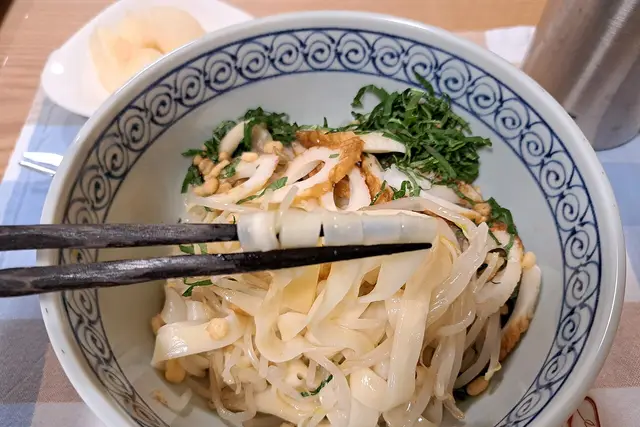
Kazo City麵類
Kazo udon (hand-made udon)
加須うどん
Hand-made udon whose dough is trodden and rested. Said to have begun serving temple visitors in the Edo period.
鄉土料理
家庭和地方傳承下來的料理。有些店家沒有供應(取自日本農林水產省「うちの郷土料理」)。
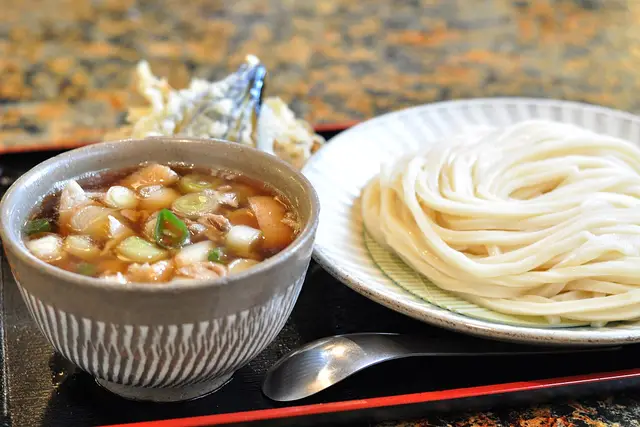 All over the prefectureSaitama no udon埼玉のうどん
Saitama Prefecture, which produced Aizo Gonda, who devoted himself to the development of high-yield cultivation methods that increased wheat yields by four to five times, such as "barley steeping,"…
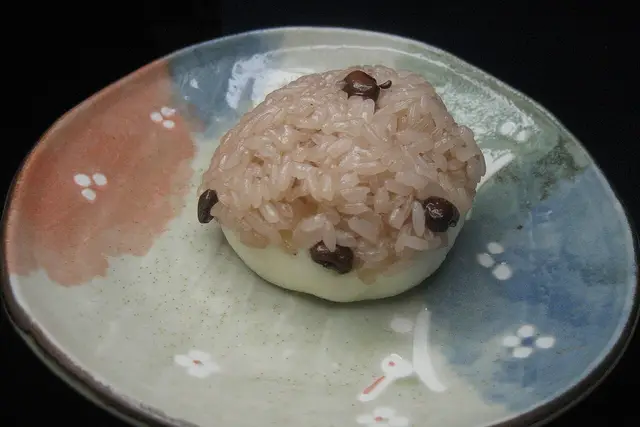 Kounosu City, Kazo City, Hanyu City, Gyoda CityIga manjuいがまんじゅう
Igamanju, which is said to have originated in Konosu City (formerly Kawasato-cho), is a local delicacy for special occasions that has been handed down from generation to generation in the…
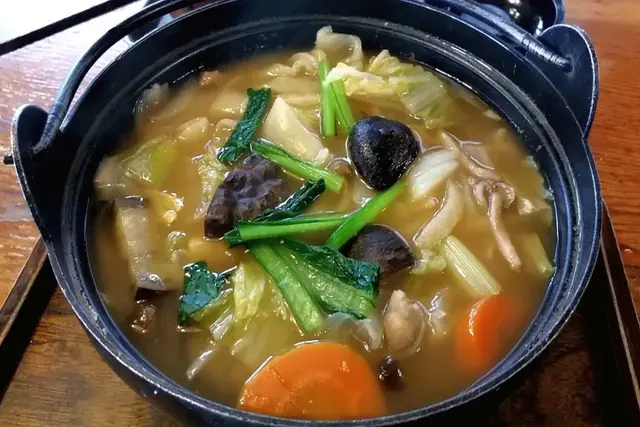 Fukaya City, Iruma District, Hiki District, Chichibu RegionNiboto/Himokawa煮ぼうとう/ひもかわ
In Saitama Prefecture, where a large amount of wheat is produced as a secondary crop during rice cultivation, a wide variety of udon noodles dishes have been created in different regions.
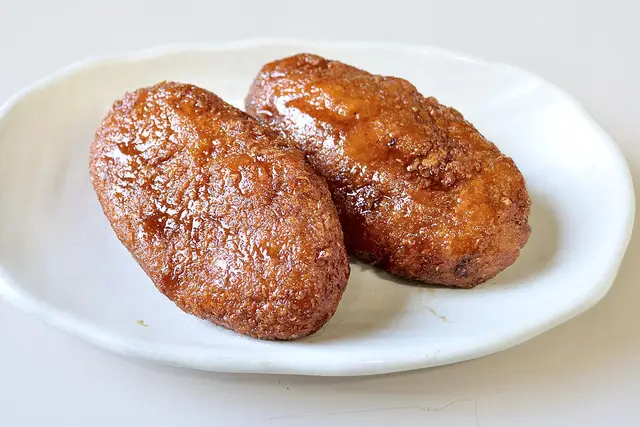
- Gyoda CityJelly Fryゼリーフライ
Despite being referred to as “Jelly Fry”, this dish is completely different from meats or fish fried in oil, as well as from traditional “jelly” which is a confectionery.
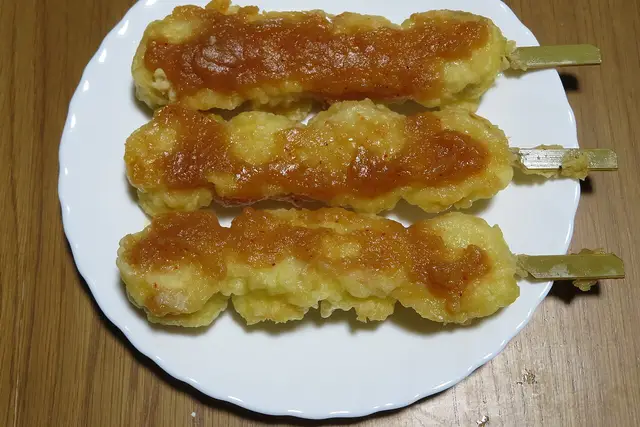 Chichibu areaMiso Poteto (Miso potatoes)みそポテト
“Miso potatoes” become well-known after it won the “5th Saitama B-Grade Local Gourmet Championship in Chichibu” (2009), but it is actually a local dish that has been passed down in the Chichibu area…
- All over the prefectureGojiru呉汁
"Go-jiru" is a local dish loved throughout Saitama Prefecture, especially in areas where rice and field crops were cultivated.
- Kawajima Town, Iruma area, northern part of the prefectureHiya jiru/Suttate冷や汁/すったて
The term "suttate" comes from the fact that the farmers used to grind vegetables and other ingredients with a mortar and eat them "suritate" (freshly grated).
- Kuki City, Kazo City, Gyoda CityShio anbin塩あんびん
In Kuki City, Kazo City, Gyoda City, and other areas from northern to eastern Saitama Prefecture, "shio anbin" has been eaten to celebrate the harvest of new rice since ancient times.
- Chichibu Region, Saitama City, Hiki District, Iruma AreaKatemeshiかてめし
“Katemeshi” is a well-established local dish in Saitama Prefecture, and especially the Chichibu region.
- Fukaya City,Prefecture-wideNeginuta (Green Onion Nuta)ねぎぬた
Neginuta is another dish using green onions which is a must at all celebrations.
- Chichibu area, Hiki CountyNeji/azuki botoねじ/小豆ぼうとう
Neji, which has its roots in the town of Ogano in Chichibu County, is a local dish made by tossing short udon noodles twisted into spirals in red bean paste.
- Ogose TownKanrobai (Nectar plums)甘露梅
Located in Iruma County, in the center of Saitama Prefecture, Ogose Town is home to the "Ogose Plum Grove", known as one of the three largest plum groves in the Kanto region.
- Hidaka cityKuri no Shibukawani (candied chestnuts with inner skin.)栗の渋皮煮
One dish that stands out is “Kuri no Shibukawani (candied chestnuts with inner skin.)”, a luxurious meal that was traditionally served during festivals and celebrations because it required a lot of…
- Chichibu Area, Honjo CityTsumikkoつみっこ
Tsumikko, loved in Honjo City and the Chichibu area, is a local dish that was especially useful during busy times because it can be made more quickly than udon.
- Yoriimachi Fuppu District Chichibu AreaKonjac(=yam cake) no Miso Odenこんにゃくのみそおでん
Konjac potatoes have long been grown in the Fuppu district of Yorii Town and the Chichibu area, and konjac is one of the specialties of the area.
- Higashi Matsuyama CityYakitoriやきとり
Higashimatsuyama City, where many restaurants around Higashimatsuyama Station display their yakitori (grilled chicken) brands, is called one of the seven largest "yakitori" cities in Japan, along…
- Chichibu Area, Ogose Town, Moroyama TownYuzu Maki (yuzu fruit Roll)ゆず巻き
Among them, "Yuzu Maki" is a pickle that is loved as a New Year's dish while having an aspect of winter preservation food.
- All of Saitama PrefectureUdemanju (Bean-paste bun)うでまんじゅう
“Ude-manju" was made using this new wheat.
- Kita Saitama area, Satte CitySumitsukare (Simmered Daikon Radish and Soy Beans)すみつかれ
“Sumitsukare” is a local dish in the northern Saitama region, and it has been enjoyed as a special dish for the ritual of Hatsuuma (Chinese New Year) and as a preserved food in winter.
- Gyoda CityFurai (Japanese Pancake)フライ
"Furai" in the northern Saitama region, including Gyoda City, is not a fried dish but rather a grilled one.
- Chichibu areaMeshi mochi (Left Over Rice Pan Cake)飯餅
In the Chichibu region, it's called "Meshimochi," in the eastern lowlands including Kazo, it's known as "Yakibin," and in the northeastern and Iruma regions, it's referred to as "Yakimochi."
- All of Saitama prefectureYatsugashira-no-itameni (Stir fried Taro Stalk)八ツ頭の茎の炒め煮
The stems of the satoimo(=japanese taro) plant, known as “zuiki,” especially those of the Yatsugashira variety, were traditionally consumed as a preserved food called “imogara.”
- Chichibu Area, Kazo CityTarashi-Yakiたらし焼き
This is a local dish eaten during break time from farm work mainly in the eastern low land like Chichibu area and Kazo City.
- Chichibu AreaTsutokko (Steamed rice ball)つとっこ
“Tsutokko” is steamed glutinous rice wrapped in horse chestnut leaves (Tochi leaves), and tied with straw strings. That was originally a portable meal carried by samurai to the battlefield.
- Chichibu RegionOnameおなめ
“Oname” is a fermented food made from barley koji and soybeans.
- Eastern Part, Tone River and Ayase River basinDojyou-ni (stewed loach)どじょう煮
In Saitama Prefecture, which has rivers such as the Arakawa and Tone Rivers originating in the Chichibu Mountains, people have enjoyed the rich bounty of the rivers.
- Saitama CityKuwai no fukumeniくわいの含め煮
"Kuwai(=arrowhead)," which is planted in late June to early July in rice fields, is a short-season ingredient with harvesting typically from late November to mid-December.
- All of Saitama PrefectureKomugimanju小麦まんじゅう
Among the various types of manju that have developed rich variations in each region, one of the simplest is the "Komugi manju(=wheat manju)," also known simply as "Manju," which is made by wrapping…
- Menuma Area in Kumagaya CitySyoten-zushi聖天ずし
"Syoten-zushi", made with precious rice and fried thin tofu, which was expensive, was a special dish eaten on festive and ceremonial occasions.
「尋找吃得到的店」會用料理名稱和地名開啟地圖應用程式的搜尋。搜尋出的店不是本站挑選或推薦的。是否供應這道料理,請向店家確認。
來源
名產・鄉土料理
出處:根據農林水產省「うちの郷土料理 (Our Regional Cuisines)」加工製作(2026-11-15 取得) https://www.maff.go.jp/e/policies/market/k_ryouri/index.html. 名稱、流傳地區和食材依原頁面所寫,介紹是原文的一部分。不使用農林水產省的照片(料理照片來自 Wikimedia Commons)。本頁面不是農林水產省製作的。料理名稱和介紹以英語顯示。
當地特色美食
各項美食皆已透過都道府縣、市町村、觀光協會或 JNTO 的官方頁面確認為當地特色(2026-11-17 確認)。說明由本站撰寫。
- Zeri-fry (fried potato and okara croquette): www.city.gyoda.lg.jp
- Fry (flour-based savory pancake of the Kumagaya area): www.city.kumagaya.lg.jp
- Yukikuma (fluffy shaved ice): www.city.kumagaya.lg.jp
- Kumagaya udon: www.city.kumagaya.lg.jp
- Kazo udon (hand-made udon): www.city.kazo.lg.jp
- Waraji katsu-don (giant cutlet bowl): www.pref.saitama.lg.jp
- Miso potato (fried potato with miso sauce): www.pref.saitama.lg.jp
照片與資料出處
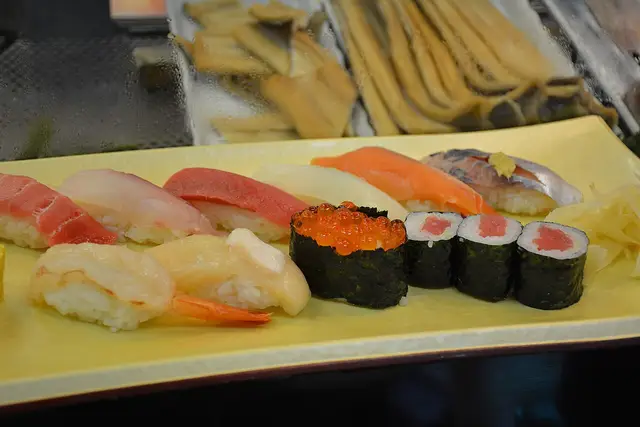
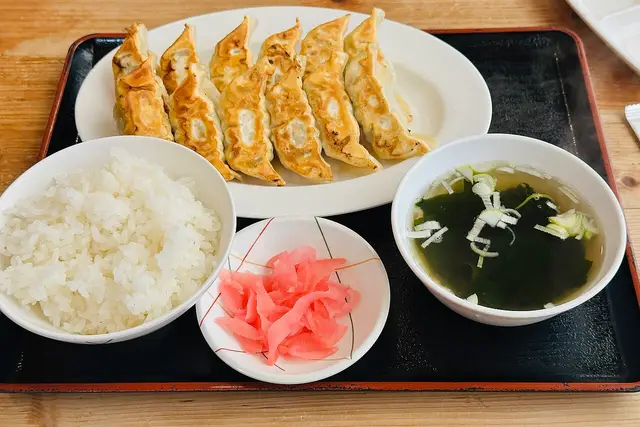
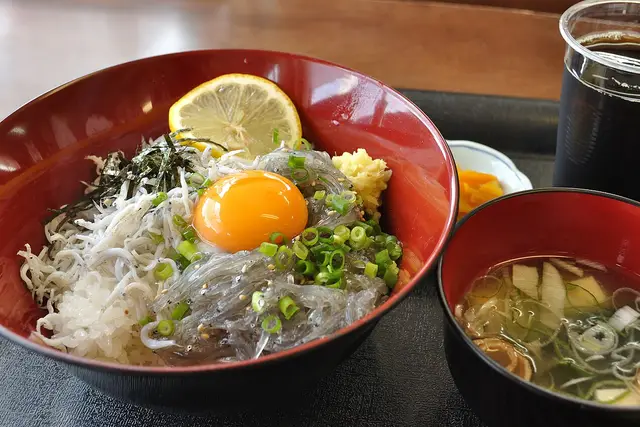
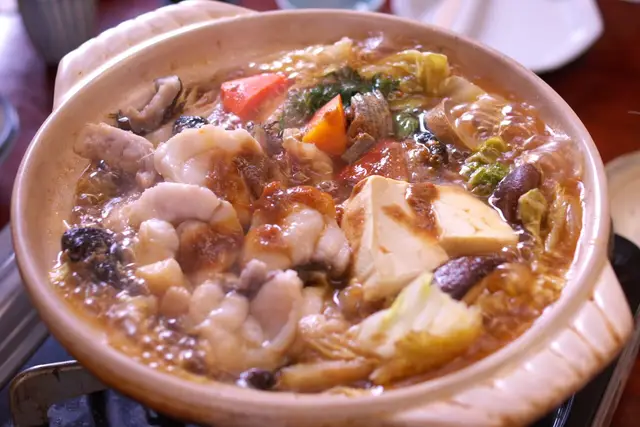
A plate of nigiri sushi with tuna, salmon, shrimp and salmon roe Cheng-en Cheng (CC BY-SA 2.0) / Pan-fried gyoza dumplings with rice and soup Tatsuo Yamashita from Tokyo, Japan (CC BY 4.0) / A rice bowl of raw and boiled whitebait topped with an egg yolk Ocdp (CC0) / A clay pot of monkfish simmered with tofu and vegetables Yamaguchi Yoshiaki Camera location36° 19′ 21″ N, 140° 34′ 07.5″ E View this and (CC BY-SA 2.0) / Himokawa udon, very wide flat noodles, lifted with chopsticks RuinDig/Yuki Uchida (CC BY 4.0) / Jelly fry: oval fried patties of okara and potato soaked in sauce Ocdp (CC0) / Thick Musashino-style udon served with a warm dipping broth Ocdp (CC0) / Iga manju: a sweet bean bun coated with red bean rice Ebiebi2 (CC BY-SA 4.0) / Niboto: wide flat noodles simmered with vegetables in a pot Fukayakanko (CC BY-SA 4.0) / Miso potato: skewered fried potatoes topped with sweet miso Ebiebi2 (CC BY-SA 4.0)。已裁切並縮小。