Ako and Aioi guide
Ako, on the Seto Inland Sea, is a town of salt and of the 47 ronin. Castle ruins, the ronin's temple and the old port of Sakoshi remain. About 20 minutes by JR Ako Line from Aioi on the Shinkansen.
Things to see 4 classics
"Classics", "For visitors" and "Local picks" are this site's editorial picks, not a measured popularity ranking.
- 1
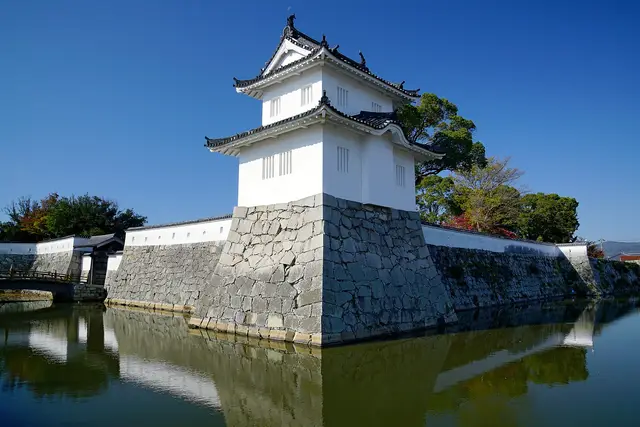
Ako Castle Ruins and Oishi Shrine
The home town of the 47 ronin of the Chushingura story. Moats, stone walls and gates remain, with a shrine dedicated to the 47.
- History & buildings
- Temples, shrines & churches
about 2 hrFree
Train · About 55 min from Aioi ・ JR to Banshu-Ako, then about 15 minutes on foot ・ 11km
- 2
Ako City Museum of History
A museum shaped like a rice storehouse, on Ako's salt making, its castle town, the 47 ronin and the old town waterworks.
- History & buildings
about 60 minPaid entryFine on a rainy day
Train · About 40 min from Aioi ・ JR Ako Line to Banshu-Ako, then about 15 minutes on foot ・ 11km
- 3
Kagakuji Temple
Family temple of Ako's lords, with graves of Oishi Kuranosuke and the 47 ronin and a treasure hall of their belongings.
- Temples, shrines & churches
- History & buildings
about 30 minPartly paid
Train · About 35 min from Aioi ・ JR Ako Line to Banshu-Ako, then about 8 minutes on foot ・ 11km
- 4
Sakoshi old port town
A port town that thrived on coastal trade ships. Old houses line its paved main street, and Ikushima Island sits off the harbor.
- History & buildings
- Views
- Food & markets
about 1.5 hrFree
Train · About 25 min from Aioi ・ JR Ako Line to Sakoshi, then about 15 minutes on foot ・ 7.0km
Show on map
ClassicsFor visitorsLocal picks
Suggested routes
Times assume a 9:00 start. Travel times are estimated from distance and vary with waiting and crowds.
Walking the castle town of the 47 ronin
Leave 9:00 → until about 14:07 (about 5 hr)
- 9:00Aioi
about 35 min by transport
9:35Kagakuji Templestay about 30 minabout 14 min on foot
10:19Ako Castle Ruins and Oishi Shrinestay about 2 hrabout 4 min on foot
12:23Ako City Museum of Historystay about 60 minabout 14 min on foot
13:37Ako City Folk Museumstay about 30 min
All walkable from Banshu-Ako Station. December 14 brings the Ako Gishi Festival honoring the ronin.
Plan this routeThe port town of Sakoshi and Ako's coast
Leave 9:00 → until about 15:12 (about 6 hr)
- 9:00Aioi
about 25 min by transport
9:25Sakoshi old port townstay about 1.5 hrabout 25 min by transport
11:20Ako Marine Science Museum and Salt Fieldsstay about 1.5 hrabout 26 min on foot
13:16Cape Ako-Misakistay about 60 minabout 11 min on foot
14:27Ako City Art and Craft Museum (Tabuchi Memorial)stay about 45 min
Take a bus or taxi from Sakoshi to the Ako seaside. In winter, try Sakoshi oysters.
Plan this route
Main ways to get around
Sanyo Shinkansen (Aioi)
Kodama and some Hikari trains stop at Aioi, about 10 minutes from Himeji.
JR Ako Line
From Aioi to Sakoshi and Banshu-Ako. Some Special Rapid trains from Osaka and Kobe run straight through to Banshu-Ako.
Local buses (from Banshu-Ako Station)
To Cape Ako-Misaki and toward the seaside park and salt fields. The castle ruins are walkable from the station.
Getting to Aioi
“Classics”, “For visitors” and “Local picks” are our editors' picks, not a measured popularity ranking. Travel times are estimates. Please check prices, opening hours and operating days with the official sources before you go.
Local food specialties
Specialties of Ako and Aioi, together with those of other places in Hyogo. They are listed by dish, not by shop, and are not recommendations.
Seafood
Ako oysters (large, plump; oyster huts in season)
赤穂の牡蠣
Large oysters from Ako on the Seto Inland Sea; oyster huts open in season.
- Known in
- Ako
Meat
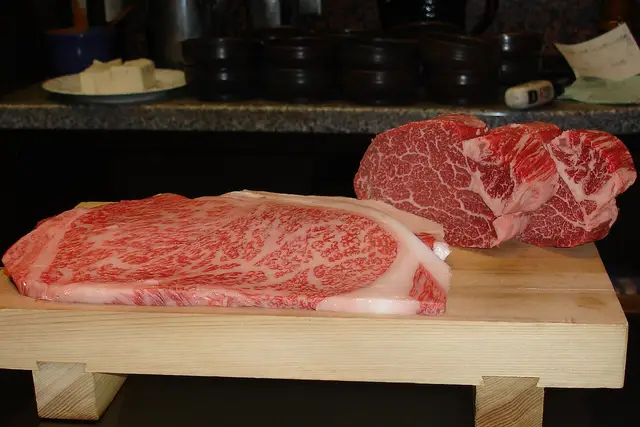
Kobe beef (premium wagyu: steak, teppanyaki)
神戸ビーフ
Wagyu that only Tajima cattle from Hyogo meeting strict standards can be called; served at steak and teppanyaki restaurants.
- Known in
- Kobe · Kobe guide
Savory pancakes
Sobameshi (fried noodles and rice stir-fried together)
そばめし
Yakisoba and rice chopped and fried together on a griddle; a Nagata, Kobe local dish.
- Known in
- Nagata, Kobe · Kobe guide
Meat
Kobe miso-dare gyoza (dumplings with miso sauce)
神戸の味噌だれ餃子
Gyoza dipped in a sweet-savory miso sauce, a Kobe style; vinegar, chili oil or garlic can be added.
- Known in
- Kobe · Kobe guide
Savory pancakes
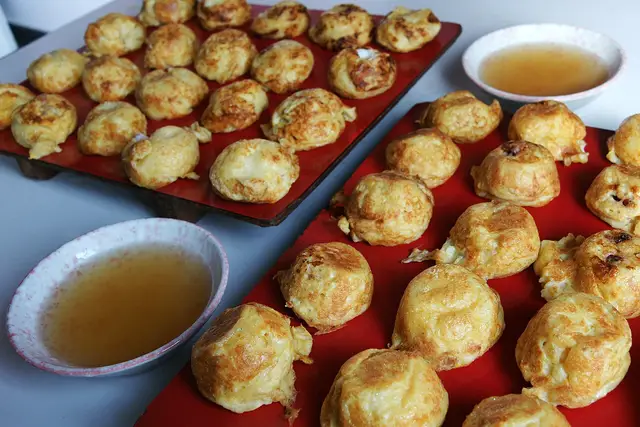
Akashiyaki (egg-rich takoyaki dipped in dashi)
明石焼き(玉子焼き)
Octopus in an egg-rich batter, dipped in dashi broth; locally called tamagoyaki.
- Known in
- Akashi · Akashi guide
Hot pots & soups
Himeji oden (oden dipped in ginger soy sauce)
姫路おでん
Oden eaten with ginger soy sauce; served at over 100 places in Himeji.
- Known in
- Himeji · Himeji guide
Hot pots & soups
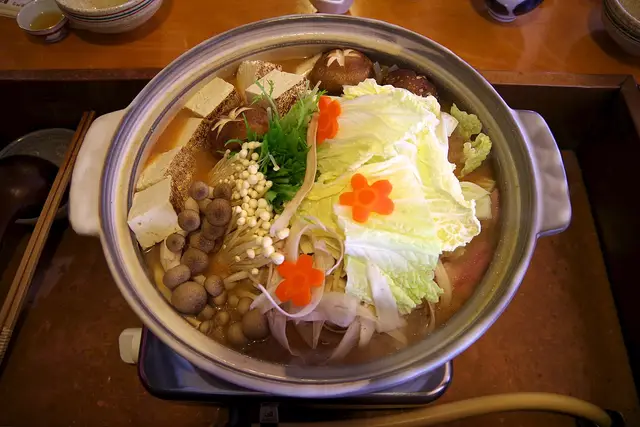
Botan-nabe (wild boar hot pot)
ぼたん鍋
Wild boar simmered in miso broth with sansho pepper and dipped in raw egg; a winter hot pot.
- Known in
- Tamba-Sasayama · Tamba-Sasayama guide
Noodles
Izushi soba (small plates of soba, five per serving)
出石そば
Soba served on small plates, about five per portion, eaten with changing condiments on Izushi porcelain.
- Known in
- Izushi
Rice dishes
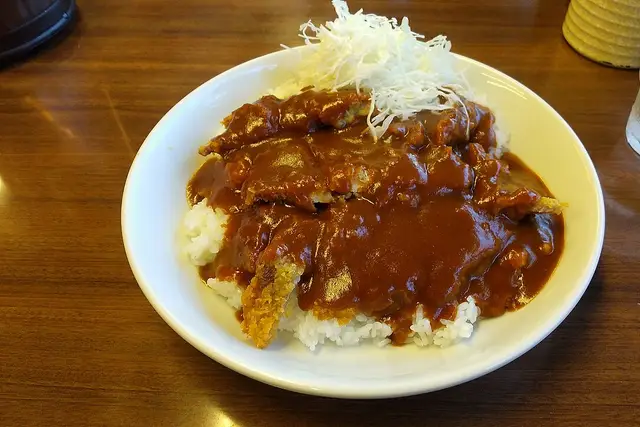
Katsumeshi (beef cutlet on rice with demi-glace)
かつめし
Thin beef cutlet on rice topped with demi-glace sauce; said to have started in Kakogawa.
- Known in
- Kakogawa
Seafood
Tajima snow crab (Sea of Japan zuwai crab)
但馬・日本海のカニ
Snow crab from the Sea of Japan, branded by landing port, eaten in winter.
- Known in
- Tajima
Rice dishes
Awaji Island gyudon (beef bowl with island beef, onion and rice)
淡路島牛丼
A beef bowl made with island-grown beef, onions and rice; each shop makes its own version.
- Known in
- Awaji Island · Awaji Island guide
Seafood
Awaji raw shirasu bowl (fresh whitebait over rice)
淡路島の生しらす丼
Fresh raw whitebait from Iwaya served over rice; available from late April to late November.
- Known in
- Iwaya, Awaji Island · Awaji Island guide
“Find places serving it” opens a map app search for the dish name and the place name. The results are not chosen or recommended by this site. Please check with the shop whether it serves the dish.
Traditional home dishes of Hyogo (30)Practical booking & planning links (Ad)
- Activities, tickets & local tours
- Popular observatories, museums and theme parks increasingly require timed-entry tickets booked in advance. For countryside spots with infrequent buses, a local day tour can save hours.
- KlookKKday
- Rental cars
- A rental car is practical when travelling straight from an airport or exploring rural areas with few trains. Request child seats, an ETC toll card, or winter snow tyres when booking.
- Klook
- Restaurant reservations & food tours
- Well-known dinner spots and course restaurants often fill up days ahead—reserving a table saves waiting in line. Guided local food tours are also a great way to try regional dishes.
- Klook
We list only well-established booking services. This site may receive a commission if you book through these links (each opens in a new tab).
Comment on whether your booking was helpful
Sources
Local food specialties
Each specialty was checked against an official page (prefecture, municipality, tourism association or JNTO) on 2026-11-17. The descriptions were written by this site.
- Ako oysters (large, plump; oyster huts in season): www.hyogo-tourism.jp
- Kobe beef (premium wagyu: steak, teppanyaki): www.hyogo-tourism.jp
- Sobameshi (fried noodles and rice stir-fried together): www.hyogo-tourism.jp
- Kobe miso-dare gyoza (dumplings with miso sauce): www.hyogo-tourism.jp
- Akashiyaki (egg-rich takoyaki dipped in dashi): www.hyogo-tourism.jp
- Himeji oden (oden dipped in ginger soy sauce): www.hyogo-tourism.jp
- Botan-nabe (wild boar hot pot): www.hyogo-tourism.jp
- Izushi soba (small plates of soba, five per serving): www.hyogo-tourism.jp
- Katsumeshi (beef cutlet on rice with demi-glace): www.hyogo-tourism.jp
- Tajima snow crab (Sea of Japan zuwai crab): www.hyogo-tourism.jp
- Awaji Island gyudon (beef bowl with island beef, onion and rice): gourmet.awajishima-kanko.jp
- Awaji raw shirasu bowl (fresh whitebait over rice): gourmet.awajishima-kanko.jp
Photo and data credits
A turret and stone wall of Ako Castle beside the moat 663highland (CC BY 2.5) / Marbled cuts of Kobe beef on a wooden board Orlando G. Calvo (CC BY-SA 3.0) / Akashiyaki, soft eggy octopus dumplings on red boards, with dashi for dipping 663highland (CC BY 2.5) / Botan nabe: wild boar hot pot with napa cabbage, mushrooms and carrots pelican from Tokyo, Japan (CC BY-SA 2.0) / Katsumeshi: a cutlet on rice covered in demi-glace sauce, with shredded cabbage Chacmool (CC BY-SA 4.0). Cropped and resized.