Himeji guide
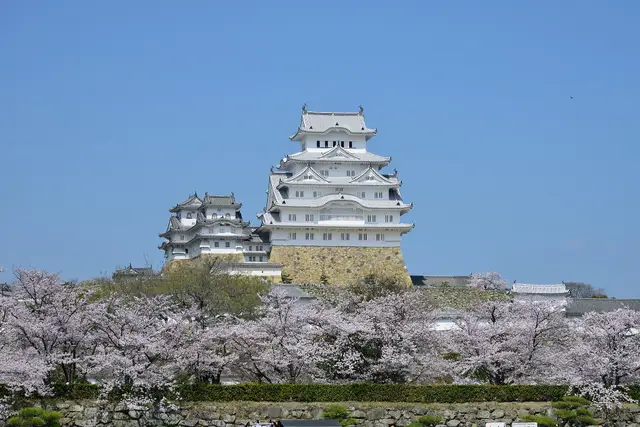
The city of the white Himeji Castle, visible straight down the main street as you leave the station. The castle and garden are walkable; a mountain temple and old towns lie a short trip away.
Things to see 8 classics
"Classics" and "Hidden gems" are this site's editorial picks, not a measured popularity ranking.
- 1
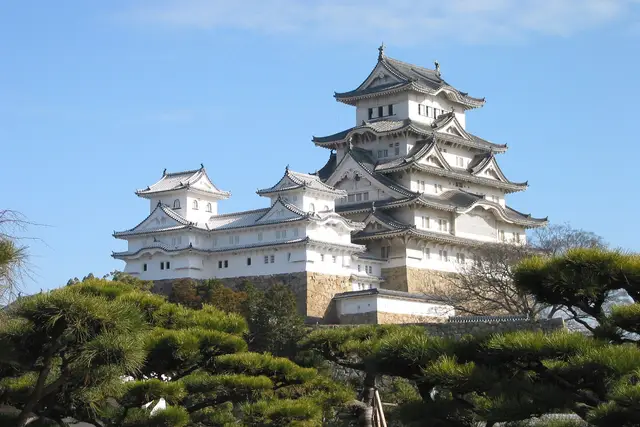
Himeji Castle
Called the White Heron Castle for its white plaster walls; a National Treasure and World Heritage site. Climb the keep, over 400 years old.
Many overseas visitors
An estimated 547,426 of 1,567,674 visitors in FY2025 (34.9%) were from overseas Source: Himeji City, Himeji Castle visitor numbers FY2025
- History & buildings
- Views
about 2.5 hrPaid entryFine on a rainy dayPartly step-free
Walk · About 20 min from Himeji ・ 1.4km
- 2
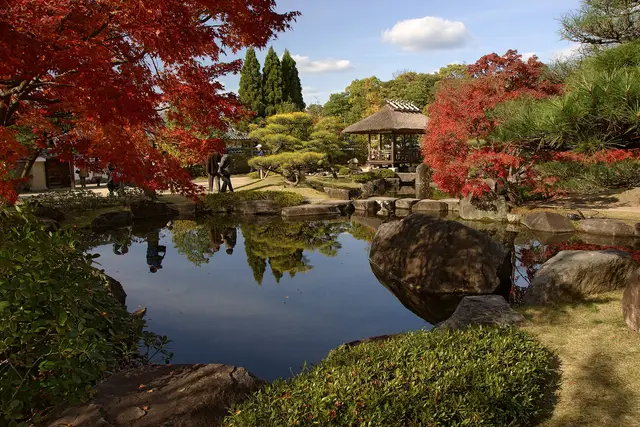
Kokoen Garden
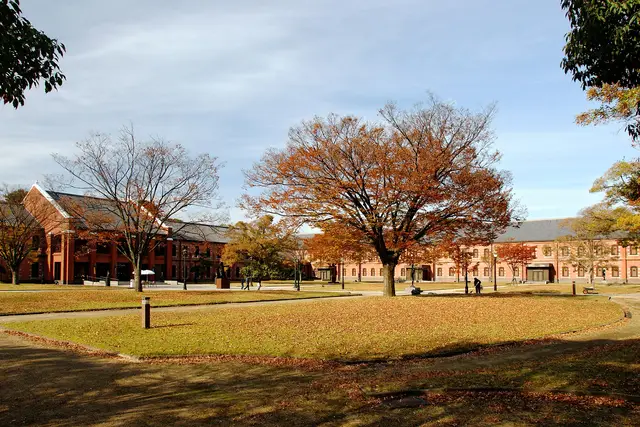
A Japanese garden on the site of samurai houses just west of the castle. Nine gardens, each in a different style. Fine autumn leaves.
- Nature
- History & buildings
about 60 minPaid entryWheelchair & stroller friendly
Walk · About 20 min from Himeji ・ 1.3km
- 3
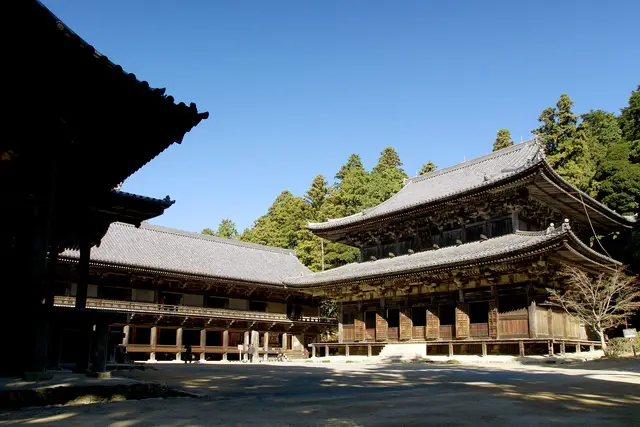
Engyo-ji Temple (Mt. Shosha)
An old temple of great wooden halls scattered through the forest on a mountaintop. Scenes of The Last Samurai were filmed here.
- Temples, shrines & churches
- Nature
- History & buildings
about 2.5 hrPaid entry
Bus · About 60 min from Himeji ・ Shinki Bus to Shosha Ropeway, ride up, then about 20 minutes on foot ・ 7.8km
- 4
Himeji City Museum of Art
An art museum in Meiji-era red-brick buildings just east of the castle. From its lawn you see the keep rising behind the brick.
- Museums
- History & buildings
about 60 minPaid entryFine on a rainy dayWheelchair & stroller friendly
Walk · About 25 min from Himeji ・ 1.6km
- 5
Hyogo Prefectural Museum of History
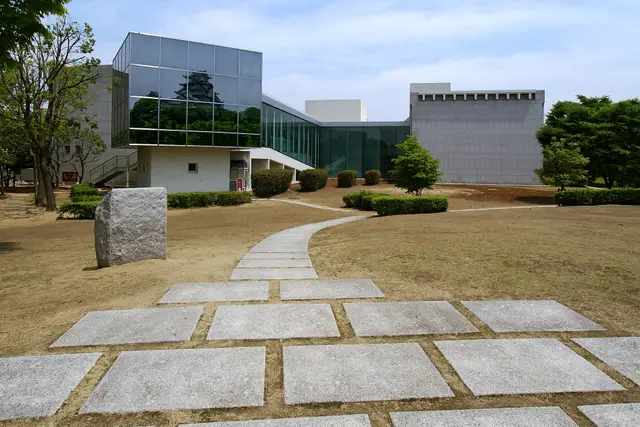
Detailed models explain Himeji Castle and how Japanese castles were built. It stands northeast of the castle; best visited after it.
- History & buildings
- With kids
about 60 minPaid entryFine on a rainy dayWheelchair & stroller friendly
Walk · About 30 min from Himeji ・ About 30 minutes on foot; or Loop Bus to Hakubutsukan-mae ・ 1.7km
- 6
Tegarayama Peace Park (aquarium and greenhouse)
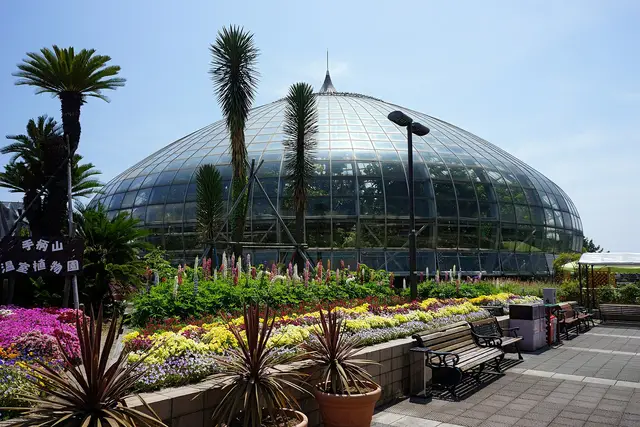
A hilltop park that gathers an aquarium, a greenhouse botanical garden, an amusement park and more. Good with children.
- With kids
- Nature
about 2 hrPartly paidFine on a rainy day
Train · About 20 min from Himeji ・ Sanyo Railway to Tegara, then about 10 minutes on foot ・ 1.5km
Show on map
ClassicsHidden gems
Suggested routes
Times assume a 9:00 start. Travel times are estimated from distance and vary with waiting and crowds.
Himeji Castle, Kokoen and a walk around the castle
Leave 9:00 → until about 15:56 (about 7 hr)
- 9:00Himeji
about 20 min on foot
9:20Himeji Castlestay about 2.5 hrabout 7 min on foot
11:57Kokoen Gardenstay about 60 minabout 13 min on foot
13:10Himeji City Museum of Artstay about 60 minabout 2 min on foot
14:12Hyogo Prefectural Museum of Historystay about 60 minabout 14 min on foot
15:26Otokoyama Haisuichi Parkstay about 30 min
The castle is quietest first thing in the morning. The keep has many steep stairs, so wear good shoes.
Plan this routeThe castle in the morning, Engyo-ji on Mt. Shosha in the afternoon
Leave 9:00 → until about 15:57 (about 7 hr)
- 9:00Himeji
about 20 min on foot
9:20Himeji Castlestay about 2.5 hrabout 7 min on foot
11:57Kokoen Gardenstay about 60 minabout 30 min by transport
13:27Engyo-ji Temple (Mt. Shosha)stay about 2.5 hr
Mt. Shosha is reached by bus and ropeway from the station. A combined bus-and-ropeway ticket is sold.
Plan this route
When to go
A fairly dry area. The castle in cherry blossom season is the highlight. July–August is hot and humid (26–28°C); winter is cold (4–5°C) but sunny.
Point at a month to see its temperature and precipitation.
Temperature (line: average; band: low to high)
Precipitation (mm)
Typical seasons
Cherry blossoms (Himeji Castle)
Yukata Festival
Nada Fighting Festival
Autumn leaves (Kokoen, Mt. Shosha)
Show as a table
| Jan | Feb | Mar | Apr | May | Jun | Jul | Aug | Sep | Oct | Nov | Dec | |
|---|---|---|---|---|---|---|---|---|---|---|---|---|
| High (℃) | 9.6 | 10.4 | 13.8 | 19.1 | 23.7 | 26.8 | 30.5 | 32.5 | 28.6 | 23.1 | 17.3 | 11.9 |
| Avg (℃) | 4.4 | 5 | 8.3 | 13.6 | 18.5 | 22.4 | 26.4 | 27.8 | 23.8 | 17.9 | 11.9 | 6.6 |
| Low (℃) | 0.2 | 0.5 | 3.2 | 8.2 | 13.5 | 18.5 | 23 | 24 | 19.8 | 13.4 | 7.3 | 2.4 |
| Rain (mm) | 36.9 | 48.6 | 92 | 104.7 | 127.3 | 160.4 | 184.3 | 105.4 | 177.8 | 108.7 | 61.2 | 47.5 |
Temperature and precipitation are Japan Meteorological Agency normals (1991–2020, Himeji). Seasons are typical timings and can shift by a week or two each year. JMA data
Main ways to get around
Sanyo Shinkansen
About 30 minutes from Shin-Osaka, 20 minutes from Okayama and 1 hour from Hiroshima. Many Nozomi trains do not stop at Himeji, so check before boarding.
JR Special Rapid (Kobe Line) and Sanyo Railway
The Special Rapid takes about 1 hour from Osaka and 40 minutes from Sannomiya, with no extra charge. Sanyo Railway trains run from Kobe and Akashi to Sanyo-Himeji.
Himeji Castle Loop Bus and Shinki Bus
The Loop Bus runs from the station round the castle, art museum, literature museum and Kokoen; in some seasons not every day. Shinki Bus reaches Mt. Shosha in about 30 minutes.
Mt. Shosha Ropeway
About 4 minutes from the foot of the mountain to the top. From the upper station it is about 20 minutes on foot to Engyo-ji's Maniden hall. It can stop for wind or maintenance.
On foot or by bicycle
About 15 minutes straight up Otemae-dori from the station to the castle's main gate. Share-cycle ports are also dotted around the centre.
Getting to Himeji
“Classics” and “Hidden gems” are our editors' picks, not a measured popularity ranking. Travel times are estimates. Please check prices, opening hours and operating days with the official sources before you go.
Photo and data credits
The white keep of Himeji Castle rising above cherry blossoms Seattleite7 (CC BY-SA 4.0) / The white keep of Himeji Castle by ja:User:Reggaeman (Public domain) / Autumn colours around the pond of Kokoen Garden 663highland (CC BY 2.5) / The Mitsunodo halls of Engyo-ji on Mt. Shosha 663highland (CC BY 2.5) / The red-brick Himeji City Museum of Art across its lawn 663highland (CC BY 2.5) / The Hyogo Prefectural Museum of History with a stone path in front 663highland (CC BY 2.5) / The glass dome of the Tegarayama greenhouse behind flower beds 663highland (CC BY 2.5). Cropped and resized.
Local food
Regional dishes handed down in Hyogo. Many are home and community cooking, so not every dish is served at restaurants.
Ikanago no kugini
イカナゴのくぎ煮
Ikanago no kugi-ni" is a local dish made by boiling raw ikanago fry in soy sauce, sugar, ginger, and other seasonings to a sweet and spicy consistency.
- Where it is made
- Seto Inland Sea coast (Harima, Settsu, Awaji area)
Himeji oden
姫路おでん
Oden is generally served with mustard, but “Himeji Oden” is served with or without ginger soy sauce. This is the characteristic of Himeji oden, a local dish of Himeji.
- Where it is made
- Himeji City and its vicinity
Banshu Hand-pulled Somen (thin wheat noodles)
播州手延べそうめん
Ibo No Ito, a Banshu soumen characterized by its firm, crisp texture and resistance to boil-through, is a specialty of the Harima region.
- Where it is made
- Harima area
Yaki Anago (Grilled Freshwater eel)
焼きアナゴ
Grilled conger eel, known as "yaki anago," is a dish where open-cut (freshwater eel) conger eel is skewered and grilled.
- Where it is made
- Harima District
Koya-tofuko-to-Yasai-no-nimono (Simmered Freeze-dried tofu Powder and Vegetables)
高野豆腐粉と野菜の煮物
Koya tofu powder, also known as "tofu powder," is the powder produced during the process of making Koya tofu.
- Where it is made
- Kitaharima (takacho)
Tako Meshi (Octopus rice)
たこめし
Records indicate that the common octopus fishery in the Seto Inland Sea was already well known in the Edo period (1603-1867), and "Tako-meshi" (octopus rice) was made after fishing as a rice dish…
- Where it is made
- Awaji Island, Higashi Harima
“Find places serving it” opens a map app search for the dish name and the place name. The results are not chosen or recommended by this site. Please check with the shop whether it serves the dish.
Source: “Our Regional Cuisines” (Ministry of Agriculture, Forestry and Fisheries), edited by this site (imported 2026-11-15) https://www.maff.go.jp/e/policies/market/k_ryouri/index.html. Names, areas and ingredients are as written on the source pages; descriptions are excerpts of the original text. No photos are used. This page is not made or endorsed by the ministry.