Kobe guide
A port city squeezed between the sea and the mountains. Hillside Western houses, Chinatown and the harbor lights are all walkable from Sannomiya, and Arima Onsen lies just over the hills.
Things to see 10 classics
"Classics" and "Hidden gems" are this site's editorial picks, not a measured popularity ranking.
- 2
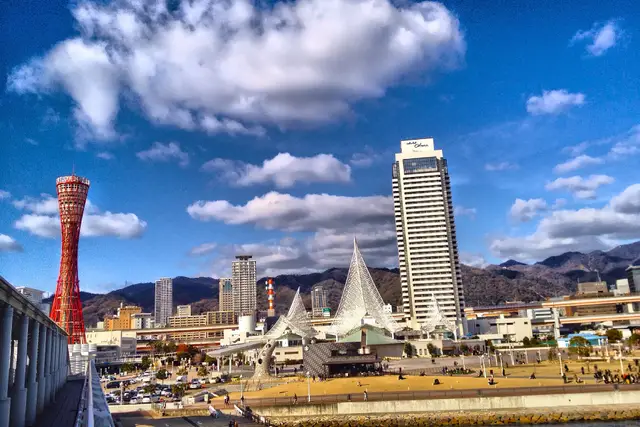
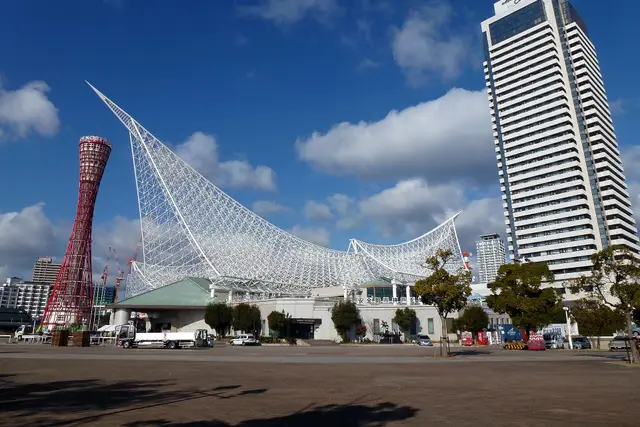
Meriken Park and Kobe Harborland
A harbor park with the red Port Tower, next to a waterfront shopping area. At night the tower and Ferris wheel are reflected in the water.
- Views
- Night views
- Shopping & strolling
about 1.5 hrFree
Walk · About 20 min from Sannomiya ・ About 20 minutes on foot; or JR to Kobe Station, right by Harborland ・ 1.6km
- 4
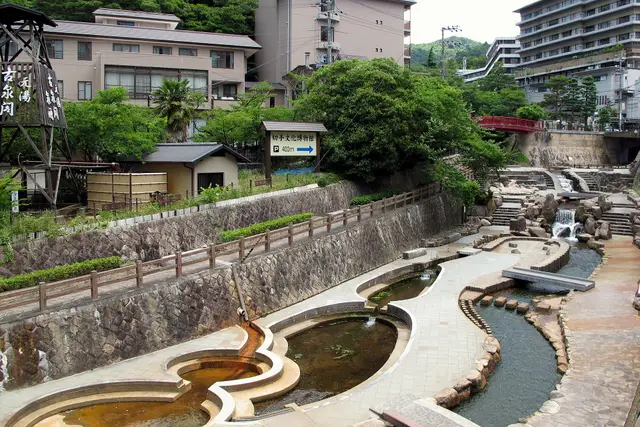
Arima Onsen
One of Japan's oldest hot-spring towns, with brown "gold" water and clear "silver" water. Public baths welcome day visitors.
- Hot springs
- History & buildings
about 2 hrPartly paidFine on a rainy day
Train · About 40 min from Sannomiya ・ Subway to Tanigami, then Shintetsu to Arima Onsen; direct buses also run ・ 12km
- 5
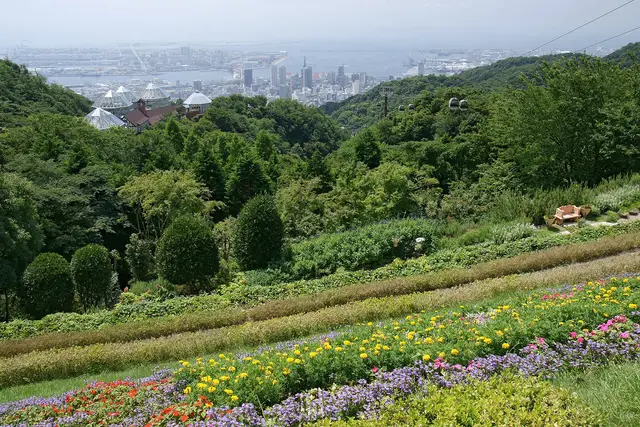
Kobe Nunobiki Herb Gardens and Ropeway
Ride the ropeway up from Shin-Kobe, then walk down through gardens of flowers and herbs. Fine views over the city and sea.
- Nature
- Views
- Night views
about 2 hrPaid entryPartly step-free
Ropeway · About 25 min from Sannomiya ・ Subway to Shin-Kobe, then about 5 minutes on foot to the ropeway station ・ 2.2km
- 6
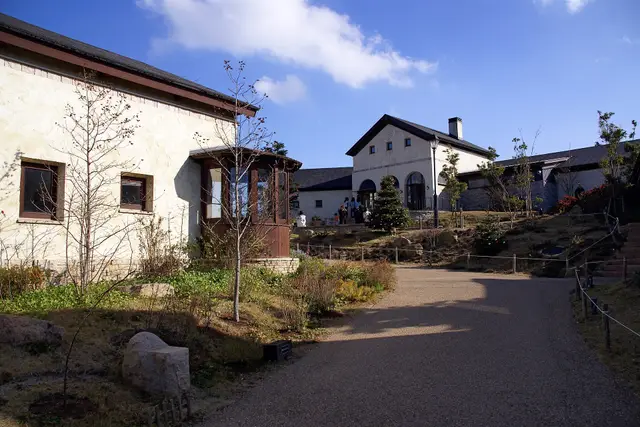
Mt. Rokko (Rokko Garden Terrace)
A hilltop terrace looking over the cities and bay from Kobe to Osaka, famous for its night view. Cooler than the city below.
- Views
- Night views
- Nature
about 2 hrFree
Bus · About 60 min from Sannomiya ・ Hankyu to Rokko, city bus to Rokko Cable-shita, then the cable car and the hilltop bus ・ 9.0km
Show on map
ClassicsHidden gems
Suggested routes
Times assume a 9:00 start. Travel times are estimated from distance and vary with waiting and crowds.
Kitano, the Old Settlement, Chinatown and the harbor
Leave 9:00 → until about 15:43 (about 6.5 hr)
- 9:00Sannomiya
about 15 min on foot
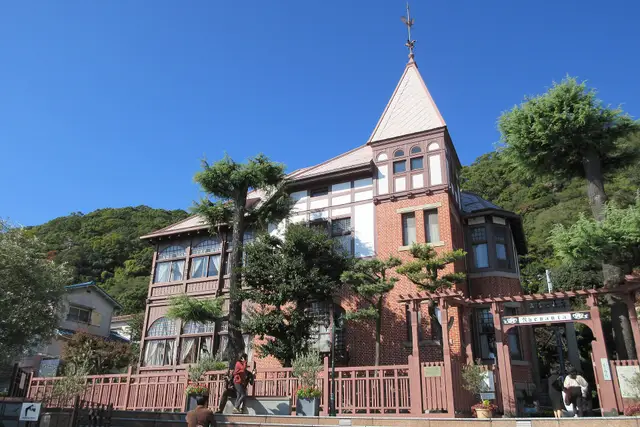
9:15Kitano Ijinkan (Foreign Residences)stay about 2 hrabout 12 min on foot
11:27Ikuta Shrinestay about 30 minabout 11 min on foot
12:08Old Foreign Settlementstay about 60 minabout 8 min on foot
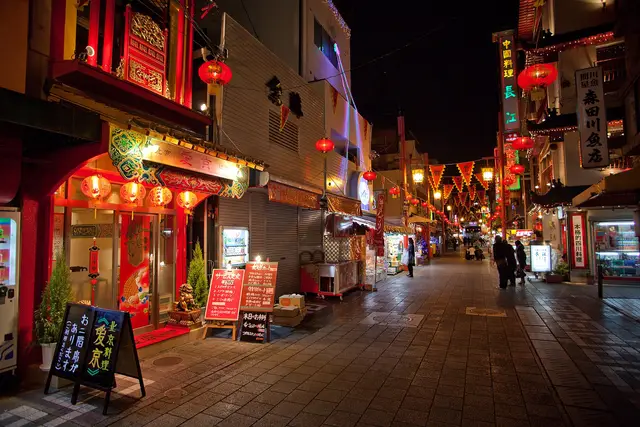
13:16Nankinmachi (Kobe Chinatown)stay about 45 minabout 12 min on foot
14:13Meriken Park and Kobe Harborlandstay about 1.5 hr
A downhill walk from the hills to the sea. Reach the harbor in the late afternoon and stay for the night view.
Plan this routeAround Shin-Kobe: waterfall, herb gardens and a tool museum
Leave 9:00 → until about 13:27 (about 4.5 hr)
- 9:00Sannomiya
about 10 min by transport
9:10Takenaka Carpentry Tools Museumstay about 60 minabout 9 min on foot
10:19Nunobiki Fallsstay about 60 minabout 8 min on foot
11:27Kobe Nunobiki Herb Gardens and Ropewaystay about 2 hr
All three are right by Shin-Kobe Station. A good half day before or after a Shinkansen ride.
Plan this route
When to go
Relatively dry; April–May and October–November are best for walking. Summer is hot and humid (27–29°C on average). Mt. Rokko is cooler than the city.
Point at a month to see its temperature and precipitation.
Temperature (line: average; band: low to high)
Precipitation (mm)
Typical seasons
Cherry blossoms (Oji Park)
Kobe Festival
Swimming (Suma Beach)
Autumn leaves (Mt. Rokko, Arima)
Show as a table
| Jan | Feb | Mar | Apr | May | Jun | Jul | Aug | Sep | Oct | Nov | Dec | |
|---|---|---|---|---|---|---|---|---|---|---|---|---|
| High (℃) | 9.4 | 10.1 | 13.5 | 18.9 | 23.6 | 26.7 | 30.4 | 32.2 | 28.8 | 23.2 | 17.5 | 12 |
| Avg (℃) | 6.2 | 6.5 | 9.8 | 15 | 19.8 | 23.4 | 27.1 | 28.6 | 25.4 | 19.8 | 14.2 | 8.8 |
| Low (℃) | 3.1 | 3.4 | 6.3 | 11.4 | 16.5 | 20.6 | 24.7 | 26.1 | 22.6 | 16.7 | 10.9 | 5.7 |
| Rain (mm) | 38.4 | 55.6 | 94.2 | 100.6 | 134.7 | 176.7 | 187.9 | 103.4 | 157.2 | 118 | 62.4 | 48.7 |
Temperature and precipitation are Japan Meteorological Agency normals (1991–2020, Kobe). Seasons are typical timings and can shift by a week or two each year. JMA data
Main ways to get around
JR, Hankyu and Hanshin (Osaka – Sannomiya)
From Osaka / Umeda to Sannomiya takes about 20 minutes by JR Special Rapid, or about 30 minutes by Hankyu or Hanshin. The JR station is written Sannomiya (三ノ宮).
Kobe Municipal Subway and Shintetsu
One stop from Sannomiya to Shin-Kobe, the Shinkansen station. Stay on to Tanigami and change to the Shintetsu line for Arima Onsen.
City Loop sightseeing bus
Green retro-style buses loop past Sannomiya, Kitano, Shin-Kobe, the Old Foreign Settlement, Nankinmachi, Meriken Park and Harborland. A one-day pass is sold.
Port Liner (Kobe Airport)
About 18 minutes from Sannomiya to Kobe Airport. From Kansai Airport, take the high-speed boat to Kobe Airport or a limousine bus to Sannomiya.
Cable cars and ropeways (Rokko, Maya, Nunobiki)
The Rokko Cable for Mt. Rokko, a cable car plus ropeway for Mt. Maya, and a ropeway from Shin-Kobe for the herb gardens. They can stop for wind or maintenance.
Getting to Sannomiya
“Classics” and “Hidden gems” are our editors' picks, not a measured popularity ranking. Travel times are estimates. Please check prices, opening hours and operating days with the official sources before you go.
Photo and data credits
Kobe Port Tower and the harbourfront skyline on a sunny day nesnad (CC BY 3.0) / The red-brick Weathercock House in the Kitano district KishujiRapid (CC BY-SA 4.0) / Port Tower and the white-roofed Maritime Museum at Meriken Park Mocchy (Public domain) / Red lanterns lighting a street in Nankinmachi at night Laitr Keiows (CC BY-SA 3.0) / The riverside park along the Arima River in the hot-spring town Wpcpey (CC BY-SA 4.0) / Flower beds at Nunobiki Herb Gardens overlooking the city of Kobe 663highland (CC BY 2.5) / European-style buildings at Rokko Garden Terrace 663highland (CC BY 2.5). Cropped and resized.
Local food
Regional dishes handed down in Hyogo. Many are home and community cooking, so not every dish is served at restaurants.
Kobe Beef Steak
神戸ビーフステーキ
‘Kobe Beef Steak’, grilled beef on an iron plate flavored with salt and pepper and served with steak sauce or mustard, is famous overseas, too. Actually, however, there is no breed called ‘Kobe beef’.
- Where it is made
- Kobe
Sansho no Tsukudani (Japanese Pepper simmered with soy sauce)
山椒の佃煮
(AD1603-AD1868) Many locals cooked ‘Sansho no Tsukudani’ with Asakura Sansho at home until around 1965, but many manufacturers have started selling one as the demand of spices has increased since…
- Where it is made
- Yabu City Youka-cho Asakura (Asakura ‘Sansho’=Japanese Pepper), Kobe City (Arima ‘Sansho’=Japanese Pepper)
Miso Dare Gyoza/ Miso Dumplings
味噌だれ餃子
In Kobe, it is common to eat "miso-dare gyoza," which are pan-fried dumplings served with a miso-based sauce consisting of vinegar, soy sauce, and chili oil.
- Where it is made
- Kobe City
Saba-zushi (Mackerel sushi)
鯖寿司
Saba-zushi is a traditional Japanese dish made from salted mackerel that has been pickled in vinegar. It can be served in various forms, such as sugata-zushi, bo-zushi and nigiri-zushi.
- Where it is made
- All areas
Kasu-jiru (Soup with a sake lees base)
粕汁
“Kasu-jiru” is a local dish which consists of daikon radish, carrots, burdock root, konjac, and other ingredients simmered in sake lees, a byproduct of sake brewing process.
- Where it is made
- All areas in the prefecture
Ibitsu Mochi (Red bean paste mochi)
いびつもち
The name "ibitsumochi" is said to originate from the irregular shape of the sarutori-ibara.
- Where it is made
- All of Hyogo Prefecture
“Find places serving it” opens a map app search for the dish name and the place name. The results are not chosen or recommended by this site. Please check with the shop whether it serves the dish.
Source: “Our Regional Cuisines” (Ministry of Agriculture, Forestry and Fisheries), edited by this site (imported 2026-11-15) https://www.maff.go.jp/e/policies/market/k_ryouri/index.html. Names, areas and ingredients are as written on the source pages; descriptions are excerpts of the original text. No photos are used. This page is not made or endorsed by the ministry.