Local specialties & regional dishes of Chugoku
Seafood from both the Seto Inland Sea and the Sea of Japan, and dishes from the mountains.
46 local specialties and 142 regional dishes from Chugoku.
Specialties to taste in Chugoku
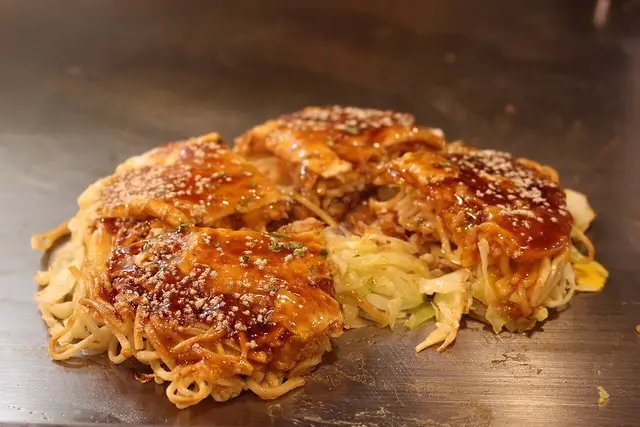 Hiroshima-style okonomiyaki (layered savory pancake with noodles)Hiroshima CitySavory pancake layered with cabbage, bean sprouts and fried noodles on a thin batter. About 1,300 shops in the prefecture.
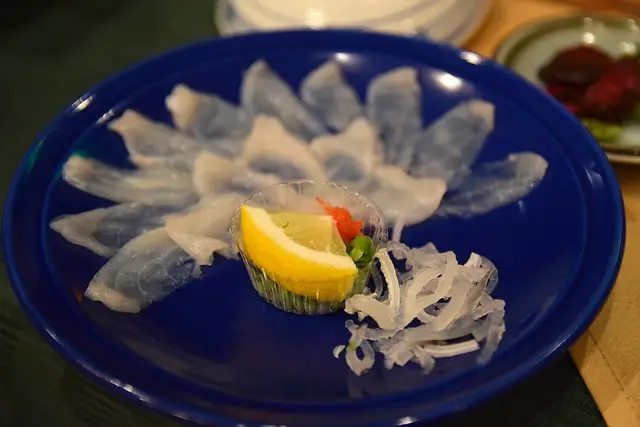 Shimonoseki fugu (blowfish) dishesShimonoseki
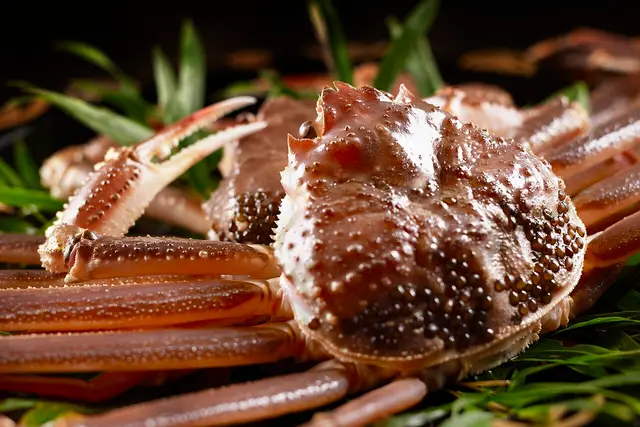 Matsuba crab (male snow crab)
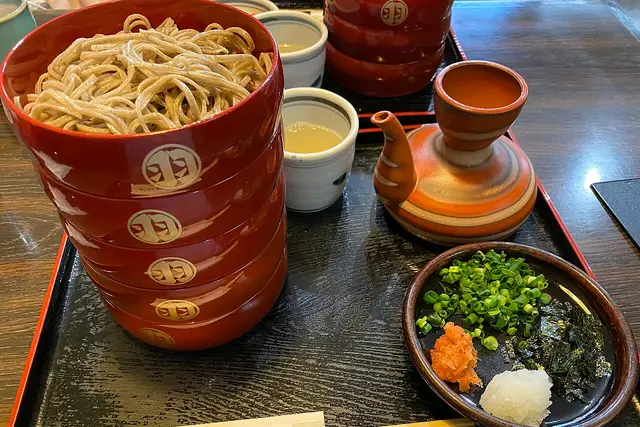 Izumo soba (dark, strongly flavored buckwheat noodles)Izumo and Matsue
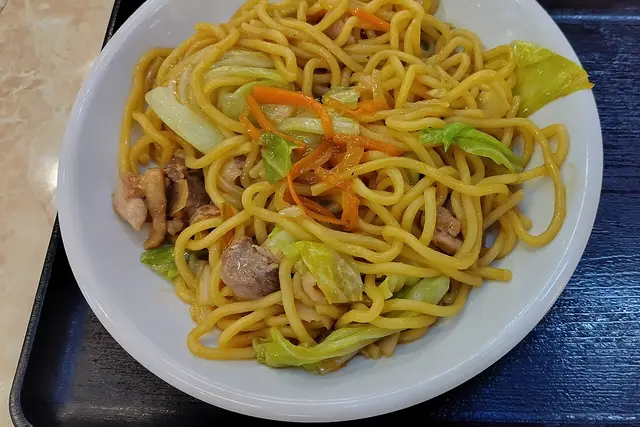 Hiruzen yakisoba (miso-sauce noodles with chicken)Hiruzen Highlands
Yamaguchi
9 specialties · 30 regional dishes
Yamaguchi travel guideSee all regional dishes of Yamaguchi (30)
Local specialties
Local specialties worth tasting when you visit, served at restaurants and food stalls.
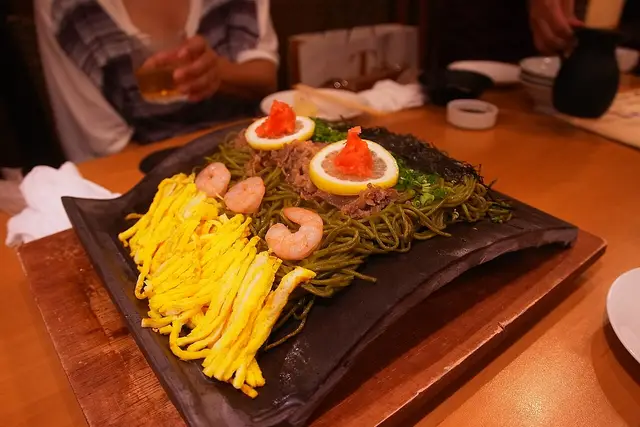
Kawatana Onsen, ShimonosekiNoodles
Kawara soba (tea soba served on a hot roof tile)
瓦そば
Tea soba with egg strands and beef on a heated tile, eaten with dipping sauce and lemon. Said to have originated at Kawatana Onsen.
ShimonosekiSeafood
Shimonoseki fugu (blowfish) dishes
下関のふぐ料理
Blowfish dishes such as sashimi and chiri hot pot. Also available casually at Karato Market in Shimonoseki.
ShimonosekiHot pots & soups
Tonchan-nabe (offal cooked in its own vegetable juices)
とんちゃん鍋
Beef offal in a sweet-savory sauce cooked only in vegetable juices, no water. Served at yakiniku shops in Shimonoseki.
Yamaguchi CityNoodles
Bari soba (crispy noodles with starchy chicken-broth sauce)
ばりそば
Crispy fried noodles topped with a thick, chicken-bone based sauce. Mainly eaten in Yamaguchi City.
Iwakuni CityRice dishes
Iwakuni-zushi (layered pressed sushi)
岩国寿司
Pressed sushi with egg strands and Iwakuni lotus root layered over vinegared rice. A specialty of Iwakuni.
Nagato CityMeat
Nagato yakitori (grilled chicken skewers)
長門やきとり
Yakitori from Nagato, which the prefecture's tourism site introduces as a yakitori town.
Mine CityNoodles
Gobo-men (burdock noodles)
ごぼう麺
Noodles made with Bito burdock from Mine City. Served at a lunch-only shop near Akiyoshidai and Akiyoshido Cave.
Ube CityNoodles
Ube ramen (rich tonkotsu ramen)
宇部ラーメン
Ramen with medium-thick noodles in rich pork-bone soup. About 15 shops in Ube City.
Suo-OshimaHot pots & soups
Mikan-nabe (hot pot with mandarin oranges and fish)
みかん鍋
Hot pot with Suo-Oshima mandarins and Seto Inland Sea fish, eaten with mikan pepper. Served October to March.
Regional dishes
Dishes handed down at home and in the community. Some are not served at restaurants (from “Our Regional Cuisines” by Japan's Ministry of Agriculture, Forestry and Fisheries).
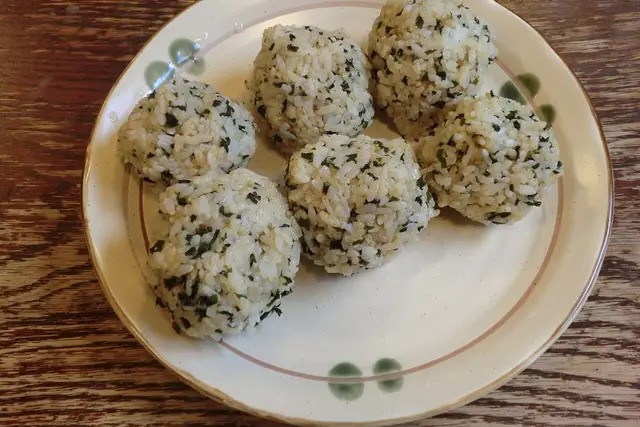 Hagi area, Kitaura area, Nagato areaWakame musubiわかめむすび
The dried seaweed is then eaten as "wakame musubi," a type of rice ball topped with wakame.
Main ingredients: Rice, wakame seaweed
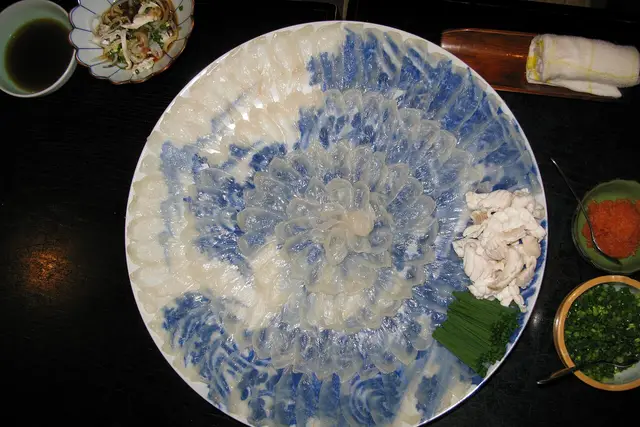 Shimonoseki Area, Hagi AreaFuku Sashiふく刺し
In the Shimonoseki area, fugu is called "fuku" in reference to good luck and fortune, and its sashimi is called "fuku sashimi.
Main ingredients: Fugu (Puffer Fish)
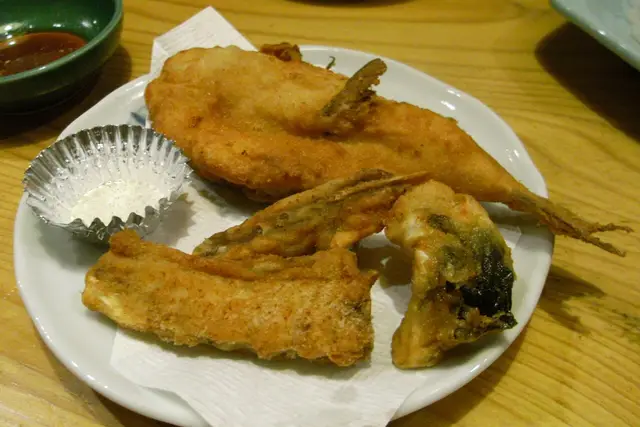 Shimonoseki Area, Hagi AreaFugu no Karaageふぐの唐揚げ
Yamaguchi prefecture is famous for its fugu dishes. There are several types of pufferfish, and most have poisonous ovaries and livers.
Main ingredients: Fugu (=Japanese pufferfish)
- Kawatana OnsenKawara Soba (BBQ Soba on tile)瓦そば
A representative soul food of Yamaguchi Prefecture, widely known across Japan, is "Kawara Soba" (Tile Soba).
Main ingredients: Green tea buckwheat noodles, Beef, Eggs
- All over the prefecture, Kitaura areaChishanamasuちしゃなます
A local dish using kaki-chisha, a traditional local ingredient, is "chisha namasu," which is made by mixing chopped kaki-chisha with vinegared miso paste and sesame seeds.
Main ingredients: Chisha, fish, miso
- All over the prefectureKenchouけんちょう
Kenchou" is a simple dish made by boiling tofu, radish, and carrot.
Main ingredients: Daikon (radish), tofu, carrots
- The whole prefecture, Kitaura area, Seto Inland Sea sideItokoniいとこ煮
Itokoni" has been widely produced in Yamaguchi Prefecture.
Main ingredients: Azuki beans, white bean flour, sugar, salt
- All over the prefecture, Iwakuni areaIwakuni zushi岩国寿司
Iwakuni-zushi" is one of the most famous food items in Iwakuni.
Main ingredients: Rice, fish, eggs, shiitake mushrooms, lotus root
- Yanai District, Suooshima District, Iwakuni District, Hagi DistrictChagayu(Tea Porridge)茶がゆ
“Rice porridge,” a dish said to have originated from the Nara region, has taken root as a local delicacy in other regions outside the Yamaguchi Prefecture.
Main ingredients: Rice, sweet potato, tea leaves, salt
- Shūnan regionTsushimaつしま
"Tsushima" is a traditional local dish passed down in the Shūnan region, including Shūnan City in the southeastern part of Yamaguchi Prefecture.
Main ingredients: Ingredients: Tofu, dried shiitake mushrooms, carrots, burdock root, soy sauce, sugar, vinegar, salt
- Iwakuni regionOhira大平
One of the most famous foods in the Iwakuni region is a dish called “Ohira”―so named because it is served in a large, flat lacquer ware bowl (the term “Ohira” is a combination of two characters―“o”…
Main ingredients: Ingredients: Renkon (lotus root), satoimo (Japanese taro), chicken
- Hagi regionNoppeiのっぺい
This local dish, called “Noppei” or “Noppei-jiru (Noppei soup),” can be found throughout Japan, but the ingredients used can vary from region to region.
Main ingredients: Ingredients: Satoimo (Japanese taro), dried shiitake mushrooms, gobo (burdock root), renkon (lotus root), konnyaku (a sort of yam cake made from the konjac plant), carrots, chicken
- The Kitaura areaUnohanakizushi/tozushiうの花きずし/唐ずし
A particularly unique local dish made with sardines is “unohanakizushi”, also known as “tozushi” or “dakizushi”.
Main ingredients: Sardines and okara
- Nagato, Hagi, Yamaguchi CityKashiwan柏椀
"Kashiwan" is a regional cuisine that has been passed down in Yamaguchi Prefecture, and is eaten for ceremonies and special occasions.
Main ingredients: Chicken, shiitake mushroom, egg, glass noodles, kamaboko (fish cake), spinach
- IwakuniHasunosanbaiはすのさんばい
Iwakuni City, located in the eastmost region of Yamaguchi Prefecture, is a beautiful castle city filled with a history of scenic nature and culture.
Main ingredients: Lotus root, carrots, fried beancurd, sanbaizu
- The Kitaura areaNutaぬた
“Nuta”, eaten all over Japan, is generally made with green onions and vinegared miso. It is a local dish that demonstrates the uniqueness of the ingredients used in each region.
Main ingredients: Green onion, obaike, konjac, white miso, sugar, and mustard paste
- Hagi CityGobo Makiごぼう巻き
A local dish using the skin of the eso fish produced in the process of making fish paste is "gobo maki" (gobou(=burdock) rolls).
Main ingredients: Gobou(=Burdock), Eso fish
- All of Yamaguchi PrefectureKashiwa Mochi柏餅
Kashiwa Mochi, which is eaten throughout Japan, is a celebratory rice cake made of fine white rice flour and white bean flour, and filled with red bean paste or miso bean paste.
Main ingredients: Joshinko (glutinous rice flour), anko (sweet red bean paste), and sarutoriibara leaves
- All of Yamaguchi PrefectureChicken Chicken Gobou (Chicken Chicken Burdock)チキンチキンごぼう
This dish has spread from school lunches to the entire prefecture and has become the soul food of Yamaguchi Prefecture residents.
Main ingredients: Chicken, Gobou(=Burdock)
- Nagato City, Shimonoseki CityKujira no Nanban-ni (Simmered whale meat with seasonings)くじらの南蛮煮
A notable dish is "Kujira no nanban-ni", which uses not only the red meat but also the skin of the whale. It is a warm and nutritious dish simmered in a miso soup.
Main ingredients: Whale meat
- Hagi CityWakame no shoyu-zuke (Marinated wakame seaweed with soy sauce)わかめの醤油漬け
Wakame is commonly prepared as a side dish at home, and "Wakame no shoyu-zuke" is one such dish.It is served raw, after being soaked in soy sauce to remove the bitterness, and is also a valuable…
Main ingredients: Wakame seaweed
- Hagi CityGube-jiru (Miso soup with “Gube(=limpet)”)ぐべ汁
One such dish is "Gube-jiru", a miso soup made with richly flavored shellfish.
Main ingredients: Gube (= a kind of limpet)
- Tabuse TownOgousan Dango-jiru(Glutinous rice flour dumplings in soup)お嫁さん団子汁
In Yamaguchi Prefecture, specifically in the southern part facing the Seto Inland Sea in Tabuse Town, Kumage district, there is a dish called "Ogousan Dango-jiru" that has been passed down.
Main ingredients: Wheat flour
- Hagi CityHasu-imo no Su-no-mono (Pickled Hasu-imo)はすいもの酢の物
A refreshing dish called "Hasu-imo no Su-no-mono," where "Hasu-imo" and summer-seasonal horse mackerel are mixed with vinegar. It offers a crunchy texture, providing a cool sensation.
Main ingredients: Leaf stalk of “Hasu-imo” (=giant elephant ear; a kind of taro)
- Hagi cityUni-meshi(Sea urchin rice)うに飯
The coastal areas of Hagi in Yamaguchi prefecture are a treasure trove of seafood.
Main ingredients: Sea urchin
- Yamaguchi cityUiro (Sweet Steamed Cake)外郎
”Uiro" is known to be produced in Nagoya, Kyoto, and Odawara.
Main ingredients: Bracken flour, Red bean paste
- All of Yamaguchi prefectureKabu Zou-ni (Radish Rice Cake Soup)かぶ雑煮
"Kabu Zou-ni," widely consumed throughout Yamaguchi prefecture, particularly in cities like Hagi, is a simple regional dish made with round mochi, kabu (turnips), and trefoil as ingredients.
Main ingredients: Rice cake, Turnips
- All of Yamaguchi PrefectureKujira-no-tatsutaage (Deep fired Whale)くじらの竜田揚げ
One of the nationally famous whale dishes is likely Kujira-no-tatsutaage (Deep fired Whale). This menu, widely used in post-war school lunches, was known as the "Champion of School Lunches."
Main ingredients: whale meat
- Hagi CityNatsu-mikan gashi (Summer Mandarin Orange candy)夏みかん菓子
Each prefecture selects a prefectural flower that best represents the region. For Yamaguchi Prefecture, the native Summer Mandarin Orange from Ohibi in Nagato City was chosen.
Main ingredients: Summer Mandarin Orange
- All of Yamaguchi PrefectureTakenoko-no-misoni (Simmered Bamboo shoot in Miso)筍の味噌煮
Bamboo shoots, which signal the arrival of spring, are in season from March to May.
Main ingredients: Bamboo shoot
“Find places serving it” opens a map app search for the dish name and the place name. The results are not chosen or recommended by this site. Please check with the shop whether it serves the dish.
Sources
Local specialties & regional dishes
Source: “Our Regional Cuisines” (Ministry of Agriculture, Forestry and Fisheries), edited by this site (imported 2026-11-15) https://www.maff.go.jp/e/policies/market/k_ryouri/index.html. Names, areas and ingredients are as written on the source pages; descriptions are excerpts of the original text. No photos from the ministry are used (dish photos are from Wikimedia Commons). This page is not made or endorsed by the ministry.
Local food specialties
Each specialty was checked against an official page (prefecture, municipality, tourism association or JNTO) on 2026-11-17. The descriptions were written by this site.
- Kawara soba (tea soba served on a hot roof tile): yamaguchi-tourism.jp
- Shimonoseki fugu (blowfish) dishes: yamaguchi-tourism.jp
- Tonchan-nabe (offal cooked in its own vegetable juices): yamaguchi-tourism.jp
- Bari soba (crispy noodles with starchy chicken-broth sauce): yamaguchi-tourism.jp
- Iwakuni-zushi (layered pressed sushi): yamaguchi-tourism.jp
- Nagato yakitori (grilled chicken skewers): yamaguchi-tourism.jp
- Gobo-men (burdock noodles): yamaguchi-tourism.jp
- Ube ramen (rich tonkotsu ramen): yamaguchi-tourism.jp
- Mikan-nabe (hot pot with mandarin oranges and fish): yamaguchi-tourism.jp
Photo and data credits
Hiroshima-style okonomiyaki with noodles, fresh off the griddle EllieBellie25 (CC BY-SA 4.0) / Thinly sliced fugu sashimi arranged on a blue plate Raita Futo from Tokyo, Japan (CC BY 2.0) / Matsuba snow crabs laid out on bamboo leaves Nishimuraya Kinosaki Onsen (CC BY 2.0) / Izumo warigo soba in five stacked round dishes with condiments J.Yoshiiiiiiii (CC BY-SA 4.0) / Hiruzen yakisoba with chicken and cabbage on a plate Miyuki Meinaka (CC BY-SA 4.0) / Kawara soba: green tea soba on a hot roof tile with egg, beef and lemon kagawa_ymg (CC BY 2.0) / Wakame musubi: rice balls coated with chopped dried wakame Nissy-KITAQ (CC BY-SA 4.0) / Fuku-sashi: thin slices of pufferfish arranged like a flower on a large plate Qwert1234 (CC BY-SA 3.0) / Fugu karaage: deep-fried pufferfish on a plate Yamaguchi Yoshiaki from Japan (CC BY-SA 2.0). Cropped and resized.