Local specialties & regional dishes of Kyushu
Pork and chicken dishes, noodles, and seafood from the Genkai Sea and the Ariake Sea, with some dishes born from contact with other countries.
65 local specialties and 204 regional dishes from Kyushu.
Specialties to taste in Kyushu
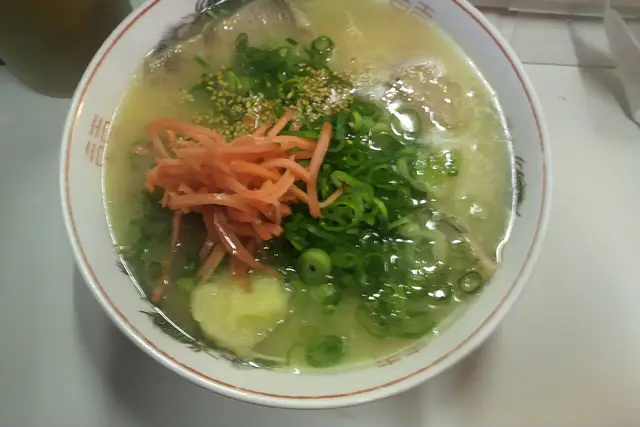 Hakata ramen (pork-bone broth with thin noodles)HakataRamen with milky pork-bone broth and thin straight noodles, also served at yatai stalls.
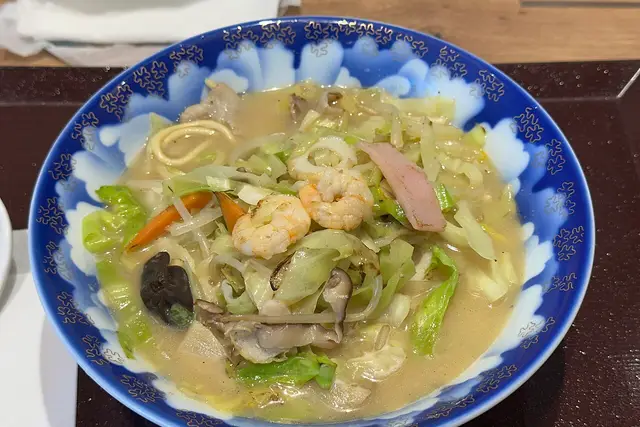 Nagasaki champon (noodles in rich soup with seafood and vegetables)Nagasaki City
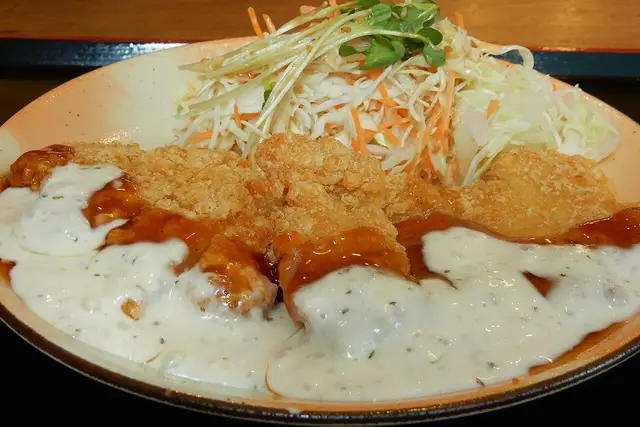 Chicken nanban (fried chicken in sweet vinegar sauce)Nobeoka
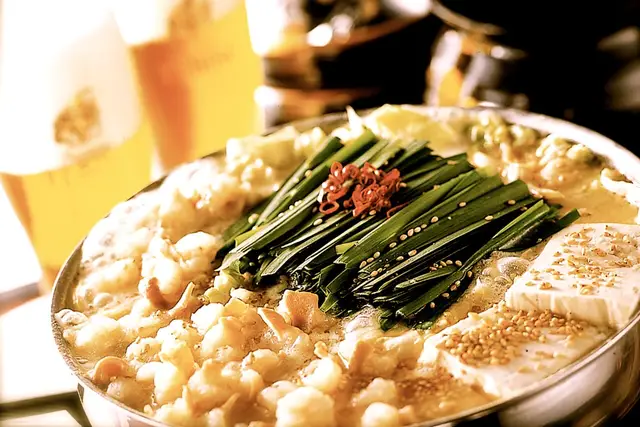 Hakata motsunabe (beef offal hot pot)Fukuoka City
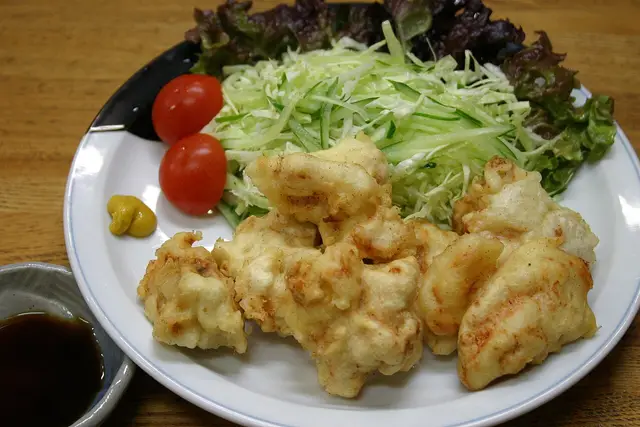 Toriten (tempura-battered fried chicken)Oita and Beppu
Miyazaki
10 specialties · 30 regional dishes
Miyazaki travel guideSee all regional dishes of Miyazaki (30)
Local specialties
Local specialties worth tasting when you visit, served at restaurants and food stalls.
NobeokaMeat
Chicken nanban (fried chicken in sweet vinegar sauce)
チキン南蛮
Fried chicken dipped in sweet vinegar sauce, often with tartar sauce; said to have originated in Nobeoka.
Miyazaki CityMeat
Jidori sumibiyaki (charcoal-grilled local chicken)
地鶏炭火焼き
Local free-range chicken grilled over charcoal, served at specialty shops and izakaya.
All over MiyazakiRice dishes
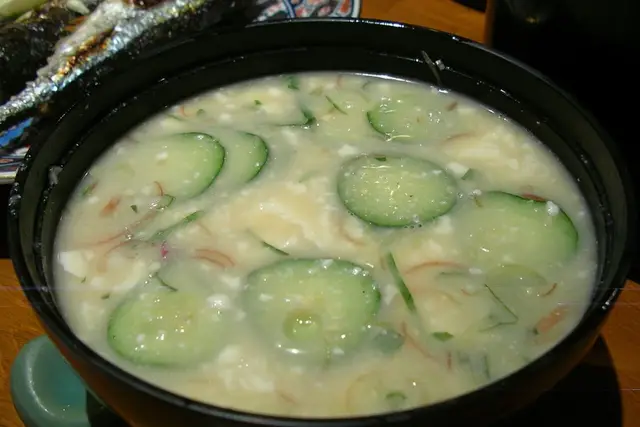
Hiyajiru (cold fish-and-sesame miso soup over rice)
冷や汁
Chilled soup of grilled fish, miso and sesame poured over rice.
Miyazaki CityRice dishes
Niku-maki onigiri (pork-wrapped rice ball)
肉巻きおにぎり
A rice ball wrapped in soy-marinated pork and grilled, from Miyazaki.
All over MiyazakiNoodles
Karamen (spicy noodle soup with konjac noodles)
辛麺
Spicy soup with konjac-blended noodles, a Miyazaki regional noodle dish.
Obi, NichinanStreet food
Obi tempura (fried fish paste cakes)
おびの天ぷら
Fried cakes of fish paste from the Nichinan coast, a local food of the Obi district.
Nichinan CityNoodles
Sakana udon (udon made from fish paste)
魚うどん
Noodles made from fish paste, born in Nichinan during wartime and postwar food shortages.
Miyakonojo CityHot pots & soups
Miyakonojo oden (chicken-bone and kelp broth oden)
都城おでん
Oden simmered in a broth of chicken bones, kelp and bonito, from Miyakonojo.
Takachiho GorgeNoodles
Takachiho nagashi somen (flowing somen noodles)
高千穂の流しそうめん
Somen noodles scooped from flowing bamboo troughs; said to have started at Takachiho Gorge, eaten in summer.
Nobeoka CityNoodles
Nobeoka ankake yakisoba (crispy noodles with thick vegetable sauce)
延岡あんかけ焼きそば
Pan-fried noodles topped with a thick vegetable sauce, a Nobeoka favorite.
Regional dishes
Dishes handed down at home and in the community. Some are not served at restaurants (from “Our Regional Cuisines” by Japan's Ministry of Agriculture, Forestry and Fisheries).
- All over the prefectureChicken nanbanチキン南蛮
Chicken Nanban" is known to have originated in Nobeoka City. It is said that it was first prepared as a bribe dish at a Western-style restaurant in Nobeoka City in the 1950s.
Main ingredients: Chicken meat (meat of the breast)
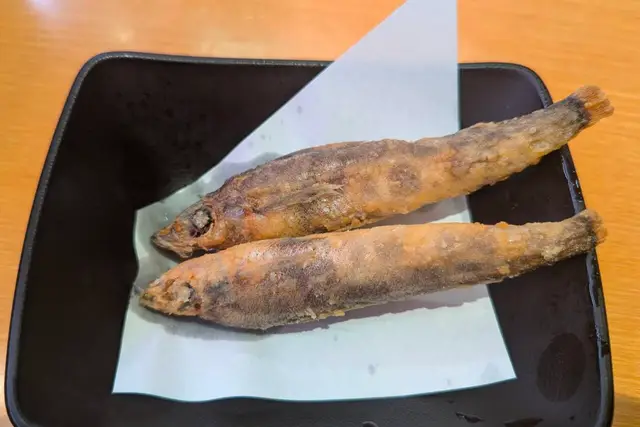 Northern part of the prefecture (coastal area), Nobeoka CityMehikari no karaage(Fried Chlorophthalmus borealis)めひかりの唐揚げ
small fish, 5-15 cm in length, caught off the coast of Nobeoka City in the Hyuga Sea at a depth of around 300 m. They are called "mehikari" because of their large, sparkling blue eyes.
Main ingredients: Chlorophthalmus borealis
- Central regionHiyajiru (cold soup)冷や汁
"Hiyajiru(cold soup)" is a local delicacy of the plains in Miyazaki Prefecture.
Main ingredients: dried sardines, tofu, cucumbers, eggplant, barley rice, green perilla, Japanese ginger
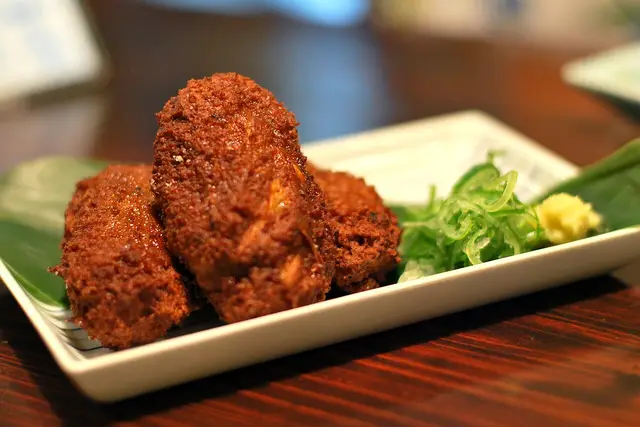 Obi DistrictObiten (Fried fish cake mixed with tofu blend)おび天
"Obiten" is a local dish from the Obi area of Nichinan City, Miyazaki Prefecture, Japan. It is a type of fish paste product classified as fried "Kamaboko(=Fish cake)."
Main ingredients: Iwashi (sardine), Aji (horse mackerel), Shiira (mahi-mahi), Saba (mackerel), Tobiuo (flying fish), Sawara (Japanese spanish mackerel), Firm tofu, Ginger
- All over Miyazaki PrefectureNishime煮しめ
The name "nishime" comes from the way it is cooked, which is to simmer it slowly so that no liquid remains.
Main ingredients: Shiitake mushrooms, taro, bamboo shoots, konnyaku, deep-fried tofu, dried radish, kombu (kelp)
- Northern Miyazaki Prefecture (coastal area)Sakana zushi(Fish sushi)魚ずし
Fish sushi" is a type of zushi made with mackerel or horse mackerel, and is commonly called "saba-zushi" or "aji-zushi".
Main ingredients: Horse mackerel, vinegar
- Northern part of the prefecture (coastal area)Futatabi dangoふたたびだんご
Nobeoka City, located in the northeastern part of Miyazaki Prefecture and facing the Sea of Hyuga to the east with five rivers flowing through it, is rich in nature and has a popular snack called…
Main ingredients: yawami, wheat flour, bean jam, mugwort
- In the northern and central regions, etc.Toshi-tori Zen/Toshi-tori Zen/Toshi-koshi Ryori (New Year’s Eve Feast)歳とり膳/年取り膳/年越し料理
On the night of New Year's Eve, the family gathers together to enjoy a lavish meal served on a high table tray to welcome the New Year. It is the time when 'Toshi-tori Zen' is eaten.
Main ingredients: Fish such as sea bream and salt sardines, kelp, daikon radish, carrots, tofu, shiitake mushrooms.
- Northern part of prefecture (mountainous area)Nadofu菜豆腐
One is the tofu dish "nadofu."
Main ingredients: Soybeans, magnesium chloride, fragrant vegetables
- Northern region of the prefecture (mountainous area)Kappodoriかっぽ鶏
Kappodori is a dish that uses kappo (bamboo) as a bowl and has been eaten since ancient times in Takachiho, where bamboo is abundant.
Main ingredients: Local chicken, shiitake mushrooms, carrots, burdock, and kuretake
- Northern part of the prefecture (mountainous region)Somageそまげ
“Somage” is a term rooted in “soma” (buckwheat) and “ge” (porridge).
Main ingredients: Buckwheat flour, radish, carrot, green onion
- Northern Miyazaki Prefecture (Mountainous Region)Hie Zoushi / Hie Gayu稗ずーしー/稗がゆ
The dish known as "zushi" refers to a type of rice porridge.
Main ingredients: Hie (Foxtail millet), Wild Boar Meat
- The northern region of the prefecture (the mountainous region)Tokibi Meshi (Rice with Corn)とうきびめし
A long time ago in this region, "tokibimeshi (rice with Corn)" was a staple food item that played a central role with boiled barley and rice.
Main ingredients: Corn, rice
- Central area of prefectureSengiri Daikon (Kiriboshi Daikon) no Madaka-zuke千切り大根(切り干し大根)のまだか漬け
Containing sengiri daikon, roasted soybeans, carrots, squid, konbu, etc., it is a healthy food that is full of ingredients that are good for your body.
Main ingredients: Sengiri daikon, Carrots, Squid
- Central Region of PrefectureNuta-Imoぬた芋
"Nuta-Imo" is a local dish using satoimo(=Japanese taro) that has been commonly eaten since long ago. It is rarely found on menus at restaurants, but it is sometimes served as an appetizer.
Main ingredients: Satoimo(=Japanese taro), Sugar, Miso
- Hyuga City, Miyakonojo City, Kushima City, Kawanami-cho, Takachiho-cho, Gokase-cho, etc.Ocha no ha tempura (Green tea leaf tempura)お茶の葉天ぷら
"Ocha no ha tempura (=Green tea leaf tempura)" is a local dish eaten when freshly harvested green tea leaves are ready.
Main ingredients: Green tea leaves
- East-Central part of the PrefectureZabu-Jiruざぶ汁
"Zabu-Jiru" is said to have gotten its name from the fact that various ingredients, mainly root vegetables, are boiled "zabu-zabu".
Main ingredients: Carrot, Gobou(=Burdock), potato, Daikon radish, pumpkin
- All of Miyazaki Prefecture, Shintomi-choTori Meshiとりめし
“Tori Meshi” is a rice seasoned and cooked with vegetables and chicken meat and has been a popular recipe for years, particularly as a farmer’s dish.
Main ingredients: Chicken meat, rice, carrots, gobou (=burdock), shiitake mushrooms
- Miyazaki CityHyuuga Kurokawa Kabocha No Nimono日向黒皮かぼちゃの煮物
With its elegant sweetness and firmness, this pumpkin is perfect for dishes such as “Hyuuga Kurokawa Kabocha No Nimono”. The skin looks rough but can be eaten as well.
Main ingredients: Pumpkin
- Central RegionsRenkon no Suri-Nagashi Jiru / Renkon no Gori-Gori Jiruれんこんのすり流し汁/れんこんのごりごり汁
“Renkonno suri nagashi jiru / renkonno gori gori jiru” is made by grating lotus roots and placing them in a soup flavored with “dashi” (=Japanese soup stock) and miso.
Main ingredients: Lotus root, Fried bean curd, Green onions, Miso, Yuzu peel
- Central RegionsGaneがね
“Gane” is a traditional dish from Minamikyushu of Kagoshima prefecture and Miyakonojo city of Miyazaki prefecture. “Gane” means crab in the local dialect.
Main ingredients: Sweet potato, Gobou(=Burdock root), Carrot, Wheat flour
- All of Miyazaki PrefectureIriko Mochiいりこもち
“Iriko mochi” literally means rice cake made from parched rice flour. The dish has been handed down in the Satsuma domain since the Edo period.
Main ingredients: Glutinous rice, Short-grain rice
- Kobayashi City (Western Part of the Prefecture)Jidori no Miso Korobakashi地鶏の味噌ころばかし
“Jidori no miso koro bakashi” is a traditional homemade dish and the words “koro bakashi” means to boil and roll the chicken meat in a pot in the local dialect of the western part of the prefecture.
Main ingredients: Locally raised chicken meat, Miso
- Western areas of Miyazaki prefectureSuno Shui (Sardine Vinegar Soup)酢のしゅい
"Suno shui" is a hot vinegar soup made with grated daikon radish and sardines simmered in vinegar and soy sauce. In Japanese, "shui" means soup.
Main ingredients: Sardine, Vinegar
- All of Miyazaki prefectureSerino Yogoshi (Japanese Parsley Mashed Tofu Salad)せりのよごし
"Seri" (Japanese parsley) is a perennial herb of the parsley family that grows wild in the mountains and fields throughout Japan.
Main ingredients: "Seri" (Japanese parsley), Salt, Tofu, Sesame seeds, Sugar, Miso
- Miyakonojo City, Miyazaki City, Nichinan Town, Takachiho Town, Nobeoka City, Hyuga CityNanatoko Zushi (Japanese Rice Soup with Seven Vegetables)七とこずし
"Nanatoko zushi" is a traditional dish from the Miyakonojo region dating back to the Satsuma Domain when the Shimazu clan was in rule.
Main ingredients: Rice, Rice cake, Carrot, Gobou (=burdock Root), Satoimo (=Japanese taro), Napa cabbage, Dried shiitake mushroom, Fried thin tofu, Soybean sprouts, Seri (=Japanese parsley)
- Nishimorokata district (Takaharu town and Kobayashi city) and Shiiba villageMeno Mochi Arare (Bite-sized Japanese Rice Crackers made from Old Decorations)めの餅あられ
"Meno mochi kazari" is a traditional event taking place in the southern Kyushu area on Little New Year.
Main ingredients: Glutinous rice
- Kitago Town, Nichinan City, Kitago and Sakatani areasKanimaki-jiru (crab miso soup)かに巻き汁
"Kanimaki-jiru" is a local dish of Kitago Town in southern Miyazaki Prefecture, using Yamataro-gani (officially called Mokuzu-gani in Kitago Town, a member of the Shanghai crab family), which are…
Main ingredients: Yamataro-gani, Miso
- Miyakonojo CityNerikuri, Nettabo, Imo-mochi (Sweet Potato and Mochi Dumpling)ねりくり/ねったぼ/芋もち
In Miyazaki Prefecture, sweet potatoes are called "Kansho", and "Nerikuri" made from sweet potatoes is eaten mainly in the vicinity of Miyakonojo City.
Main ingredients: Sweet potato, Mochi, Sugar, Kinako (Roasted soybean flour)
- Miyazaki City, Miyakonojo City, Nichinan CityTsuwabukino-aburaitame (fried tsuwabuki)つわぶきの油炒め
Tsuwabuki is native to Japan and grows wild south of Fukushima and Ishikawa prefectures in Honshu, but has long been used as a food mainly in Kyushu and some other regions.
Main ingredients: Tsuwabuki, carrot, fried thin tofu
“Find places serving it” opens a map app search for the dish name and the place name. The results are not chosen or recommended by this site. Please check with the shop whether it serves the dish.
Sources
Local specialties & regional dishes
Source: “Our Regional Cuisines” (Ministry of Agriculture, Forestry and Fisheries), edited by this site (imported 2026-11-15) https://www.maff.go.jp/e/policies/market/k_ryouri/index.html. Names, areas and ingredients are as written on the source pages; descriptions are excerpts of the original text. No photos from the ministry are used (dish photos are from Wikimedia Commons). This page is not made or endorsed by the ministry.
Local food specialties
Each specialty was checked against an official page (prefecture, municipality, tourism association or JNTO) on 2026-11-17. The descriptions were written by this site.
- Chicken nanban (fried chicken in sweet vinegar sauce): www.city.nobeoka.miyazaki.jp
- Jidori sumibiyaki (charcoal-grilled local chicken): www.kanko-miyazaki.jp
- Hiyajiru (cold fish-and-sesame miso soup over rice): www.kanko-miyazaki.jp
- Niku-maki onigiri (pork-wrapped rice ball): www.kanko-miyazaki.jp
- Karamen (spicy noodle soup with konjac noodles): www.kanko-miyazaki.jp
- Obi tempura (fried fish paste cakes): www.kanko-miyazaki.jp
- Sakana udon (udon made from fish paste): www.kanko-miyazaki.jp
- Miyakonojo oden (chicken-bone and kelp broth oden): www.kanko-miyazaki.jp
- Takachiho nagashi somen (flowing somen noodles): www.kanko-miyazaki.jp
- Nobeoka ankake yakisoba (crispy noodles with thick vegetable sauce): www.kanko-miyazaki.jp
Photo and data credits
Hakata ramen in milky pork-bone broth with red pickled ginger and green onions vigorous_action (CC BY-SA 3.0) / Nagasaki champon with shrimp, cabbage and other vegetables in a blue bowl ノボホショコロトソ (CC BY 4.0) / Chicken nanban covered with tartar sauce, with shredded cabbage Lombroso (CC BY-SA 4.0) / Hakata motsunabe hot pot with beef offal, garlic chives, chili and sesame 徳永涼 (CC BY-SA 3.0) / Plate of toriten (chicken tempura) with shredded cabbage and tomatoes Toritencat (Public domain) / Hiyajiru, a cold miso soup with sliced cucumber and crumbled tofu Hajime NAKANO (CC BY 2.0) / Two deep-fried mehikari (greeneye fish) on paper Hanabishi (CC0) / Plate of obiten, fried fish cakes from Obi [puamelia] (CC BY-SA 2.0). Cropped and resized.