Local specialties & regional dishes of Kyushu
Pork and chicken dishes, noodles, and seafood from the Genkai Sea and the Ariake Sea, with some dishes born from contact with other countries.
65 local specialties and 204 regional dishes from Kyushu.
Specialties to taste in Kyushu
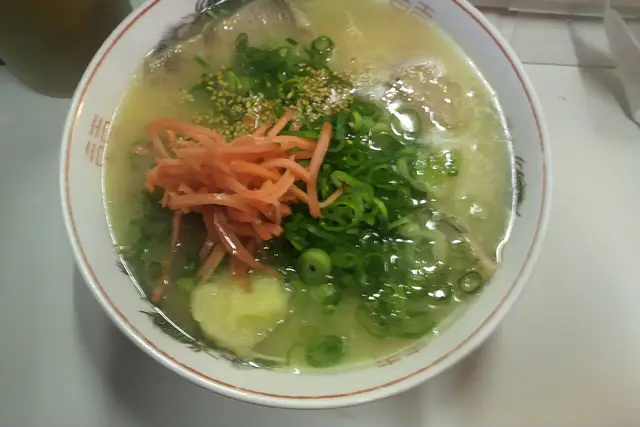 Hakata ramen (pork-bone broth with thin noodles)HakataRamen with milky pork-bone broth and thin straight noodles, also served at yatai stalls.
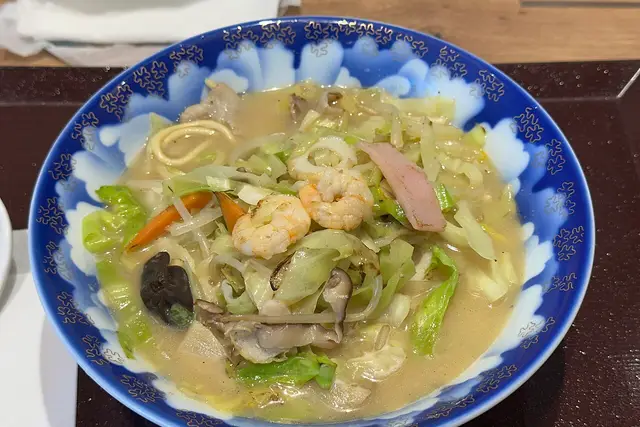 Nagasaki champon (noodles in rich soup with seafood and vegetables)Nagasaki City
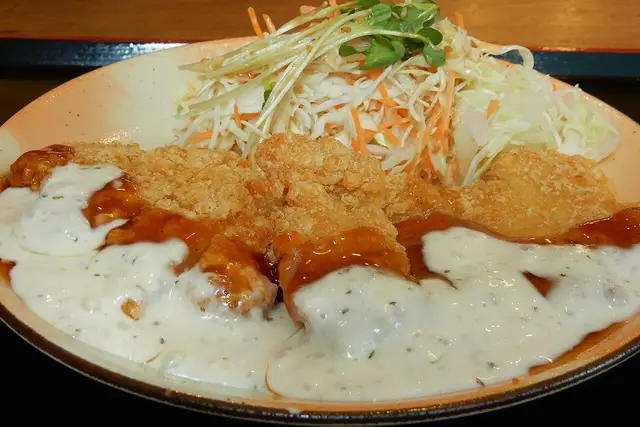 Chicken nanban (fried chicken in sweet vinegar sauce)Nobeoka
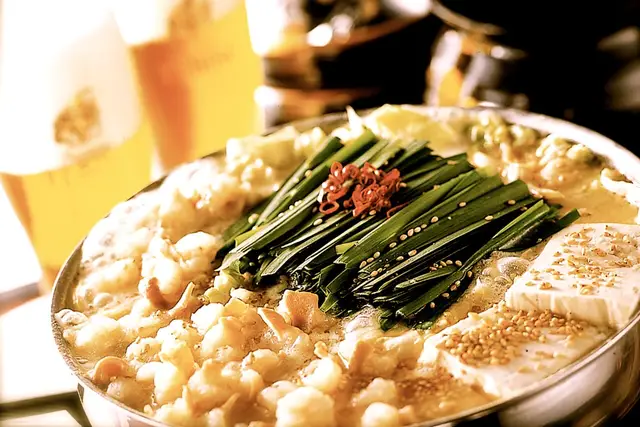 Hakata motsunabe (beef offal hot pot)Fukuoka City
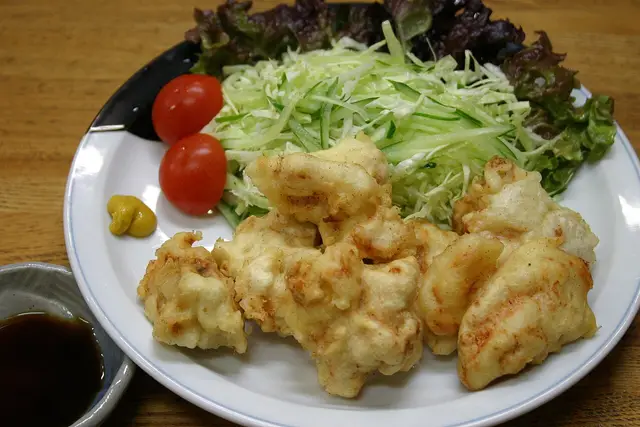 Toriten (tempura-battered fried chicken)Oita and Beppu
Saga
7 specialties · 25 regional dishes
Local specialties
Local specialties worth tasting when you visit, served at restaurants and food stalls.
Saga CityRice dishes
Saga Sicilian rice (meat and raw vegetables over rice)
佐賀シシリアンライス
Rice topped with stir-fried meat, raw vegetables and mayonnaise, served at cafes in Saga City.
Yobuko, KaratsuSeafood
Yobuko live squid sashimi (ika ikizukuri)
呼子のイカの活造り
Squid taken live from a tank and sliced to order; the translucent flesh is crunchy and sweet.
Ureshino OnsenHot pots & soups
Ureshino onsen yudofu (tofu simmered in hot-spring water)
嬉野温泉湯どうふ
Tofu simmered in Ureshino hot-spring water until it turns smooth and creamy, served at inns and restaurants.
Takezaki, TaraSeafood
Takezaki crab (blue swimming crab from Tara)
竹崎かに
Swimming crab landed at Takezaki in Tara, served salt-boiled or as tempura, miso soup and rice porridge.
TaraSeafood
Takezaki oysters (self-grill oyster huts)
竹崎カキのカキ小屋
Fresh oysters grilled yourself at roadside huts along Route 207 in winter.
All over SagaMeat
Saga beef (premium marbled wagyu)
佐賀牛
Black-haired wagyu raised in Saga graded 4 or above and BMS 7 or higher; served as steak or yakiniku.
Yobuko, KaratsuStreet food
Yobuko squid shumai (steamed squid dumplings)
呼子のいかしゅうまい
Shumai dumplings made with squid, eaten at Yobuko's morning market and shops.
Regional dishes
Dishes handed down at home and in the community. Some are not served at restaurants (from “Our Regional Cuisines” by Japan's Ministry of Agriculture, Forestry and Fisheries).
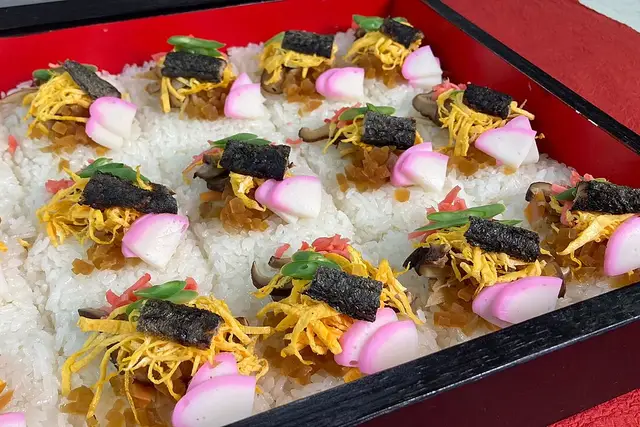 Shiraishi TownSuko-zushi須古ずし
Facing the Ariake Sea, Shiraishi Town boasts a rich natural landscape of mountains, plains, sea, and rivers.
Main ingredients: Rice
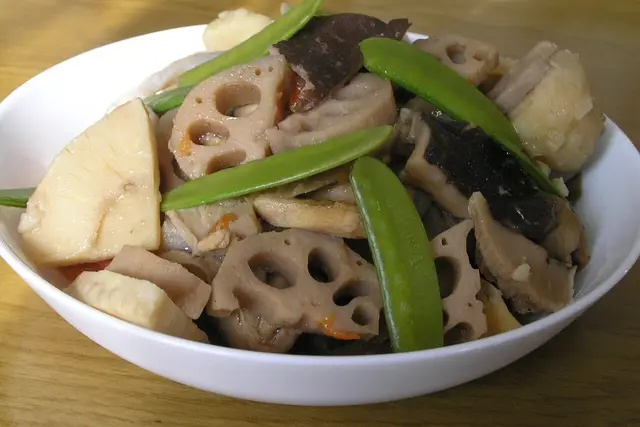 Throughout the prefectureGameni (chicken stew)がめ煮
Among the many regional dishes of Saga Prefecture, the standard is gameni chicken stew. The stew is called "chikuzenni chicken stew" nationwide.
Main ingredients: Vegetables, chicken
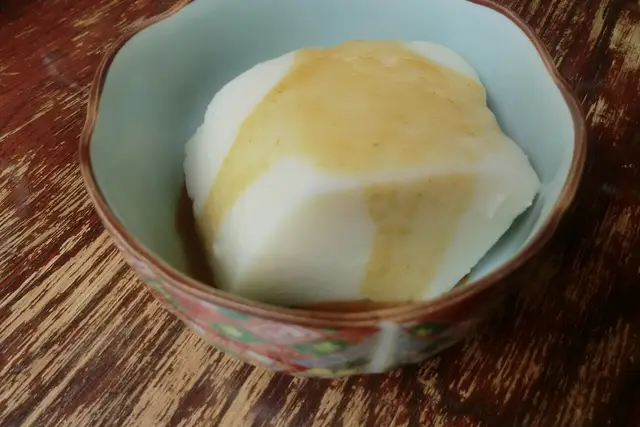 Arita TownKure Tofu with Sesame Soy Sauce呉豆腐のごま醤油かけ
Tofu made throughout Japan is formed by adding bittern to soy milk, but “Go Dofu", which is mainly from the town of Arita Town in Saga Prefecture, is characterized by the addition of kudzu, starch…
Main ingredients: Soy milk, Kudzu or Starch
- Kashima City, all areasFunankoguiふなんこぐい
A famous local dish using crucian carp is "funankogui.
Main ingredients: crucian carp
- All over the prefectureIka no kakeaeいかのかけ和え
Oroshi-namasu," "kakiage," or "nutaage," a dish made by dressing seafood with radish or wakame seaweed, is found all over Japan.
Main ingredients: Squid, vegetables
- All over the prefectureNiimojiにいもじ
At such times, a vinegared taro called "Niimoji" or "Niimoji no Vinegared Food" is very useful.
Main ingredients: mizuimo (sweet potato)
- Hamatama Town, Karatsu CityDabuだぶ
Dabu" is a local dish made with chicken and seasonal vegetables, and has been handed down from Saga Prefecture to Fukuoka Prefecture.
Main ingredients: Vegetables
- Saga City, Ogi City, Kanzaki CityOcha gai(Cha gayu)お茶がい/茶がゆ
Ochagai" or "Ochagayu" is rice cooked with tea.
Main ingredients: Rice
- Entire prefectureNoppe Jiruのっぺ汁
“Noppejiru” is a soup that has been passed down through families in Saga Prefecture, and is sometimes called “Noppeijiru” or “Nuppeijiru.”
Main ingredients: Fried tofu, vegetables
- Saga prefecture, all regionsNigomi煮ごみ
The spectacle, known as “Imari Ton-ten-ton” begins at the sounding of the drum, and chestnut rice and nigomi are crucial Kunchi cuisine for the event.
Main ingredients: Vegetables, chicken
- Ariake Sea coastal regionMutsugoro no Kabayaki (Broiled Mudskipper)むつごろうの蒲焼
“Mutsugoro no Kabayaki (broiled mutsugoro)” is a famous and delicious local cuisine, made by first lightly grilling the fish while still alive, and then cooked to a sweet and savory taste.
Main ingredients: Mutsugoro(Mudskipper)
- The entire prefectureYudedagoゆでだご
”Yudedago” is a corrupted form of the term “yudedango” and refers to sweets made from wheat flour and brown sugar. It is sometimes called “flat dago.”
Main ingredients: Wheat flour and brown sugar
- The whole prefectureOyogoshiおよごし
Since then, a village festival called "Oyogoshi Matsuri" is held on February 19th to commemorate the village predecessors who had suffered from the disaster.
Main ingredients: Tofu, vegetables
- The entire prefectureTsunkidagojiruつんきーだご汁
Both "flat dago" and "dagojiru", local dishes of Saga Prefecture, are made with "dago".
Main ingredients: Vegetables and wheat flour
- Arita TownYuki no Tsuyuゆきのつゆ
The festival begins around 23時30分 on New Year's Eve and continues until around 02時00分 on New Year's Day, when "Yuki no Tsuyu," a local dish, is served.
Main ingredients: Daikon radish
- Ariake Sea CoastlineKuchizoko no Nitsuke(Simmered Sole fish)くちぞこの煮つけ
The Ariake Sea, which has Japan's highest tidal range and vast mud flats, is home to a variety of unique fish and shellfish, including “Mutsugoro", “Mekaja", “Sea mushrooms", and “Wrasses".
Main ingredients: Kuchizoko(=Sole fish)
- All of Saga PrefectureKuri Okowa栗おこわ
“Kuri Okowa”, also known as “Kuri Kowai” and “Kowai”, is a traditional dish of Saga prefecture and served at local festivals and celebrations at home.
Main ingredients: Glutinous rice, chestnuts, Azuki beans(=Red beans)
- Matsuume Area of Yamato-cho, Saga CityHoshigaki Namasu干し柿なます
Dried persimmons can be eaten as is,They can also be eaten for cooking, such as to make “Hoshigaki Namasu”.
Main ingredients: Dried persimmon, daikon radish
- All of Saga PrefectureTugani Meshi (River Crab Rice)つがにめし
Saga Prefecture, which is blessed with the Ariake Sea and Genkai Sea, has many regional dishes that benefit from the abundance of seafood.
Main ingredients: Crab, Rice
- Ariake Sea AreaShappa-no-Nitsuke (Simmered Mantis Shrimp)しゃっぱの煮つけ
The mantis shrimp, a crustacean that resembles a shrimp, is found throughout Japan from Hokkaido to Okinawa.
Main ingredients: Mantis shrimp
- Ariake RegionWarasubo no Misoshiru (Warasubo Miso Soup)わらすぼのみそ汁
When it comes to rare fish in the Ariake Sea, the mudskipper (known as "Mutsugorou") is famous, but alongside it is the Warasubo, which is exclusive to the Ariake Sea in Japan.
Main ingredients: Warasubo
- Karatsu CityAra no Sugata-Ni (Simmered Whole Ara)あらの姿煮
The Karatsu Kunchi, which includes the "Hikiyama-Gyouji", 'Yama, Hoko, and Yatai' events, has been registered as a UNESCO Intangible Cultural Heritage.
Main ingredients: Ara (saw-edged perch)
- All of Saga prefectureFutsumochi (Mugwort Mochi)ふつもち
In Saga Prefecture, known for its thriving rice cultivation, both short-grain rice and glutinous rice are widely grown, boasting some of the highest production volumes in the country.
Main ingredients: Glutinous rice, Mugwort
- All of Saga PrefectureOkomojino-aburaitame (Fried Okomoji with oil)おこもじの油炒め
The idea was to make it possible to eat old Okomoji even after they become old, and this dish is called "Okomoji no aburaitame".
Main ingredients: Takana
- Kanzaki CityHiyashi-somen (cold somen noodle)冷やしそうめん
Cold somen noodles have long been eaten in Saga Prefecture.
Main ingredients: Somen noodle
“Find places serving it” opens a map app search for the dish name and the place name. The results are not chosen or recommended by this site. Please check with the shop whether it serves the dish.
Sources
Local specialties & regional dishes
Source: “Our Regional Cuisines” (Ministry of Agriculture, Forestry and Fisheries), edited by this site (imported 2026-11-15) https://www.maff.go.jp/e/policies/market/k_ryouri/index.html. Names, areas and ingredients are as written on the source pages; descriptions are excerpts of the original text. No photos from the ministry are used (dish photos are from Wikimedia Commons). This page is not made or endorsed by the ministry.
Local food specialties
Each specialty was checked against an official page (prefecture, municipality, tourism association or JNTO) on 2026-11-17. The descriptions were written by this site.
- Saga Sicilian rice (meat and raw vegetables over rice): www.asobo-saga.jp
- Yobuko live squid sashimi (ika ikizukuri): www.asobo-saga.jp
- Ureshino onsen yudofu (tofu simmered in hot-spring water): www.asobo-saga.jp
- Takezaki crab (blue swimming crab from Tara): www.asobo-saga.jp
- Takezaki oysters (self-grill oyster huts): www.asobo-saga.jp
- Saga beef (premium marbled wagyu): www.asobo-saga.jp
- Yobuko squid shumai (steamed squid dumplings): www.asobo-saga.jp
Photo and data credits
Hakata ramen in milky pork-bone broth with red pickled ginger and green onions vigorous_action (CC BY-SA 3.0) / Nagasaki champon with shrimp, cabbage and other vegetables in a blue bowl ノボホショコロトソ (CC BY 4.0) / Chicken nanban covered with tartar sauce, with shredded cabbage Lombroso (CC BY-SA 4.0) / Hakata motsunabe hot pot with beef offal, garlic chives, chili and sesame 徳永涼 (CC BY-SA 3.0) / Plate of toriten (chicken tempura) with shredded cabbage and tomatoes Toritencat (Public domain) / Suko-zushi: pressed sushi squares topped with egg, fish cake and nori 農林水産省 (CC BY 4.0) / Bowl of gameni, simmered chicken with lotus root, bamboo shoot and snow peas 南無観自在 (CC BY-SA 4.0) / Kure tofu (go-dofu) topped with a sesame soy sauce in a small bowl Nissy-KITAQ (CC BY-SA 3.0). Cropped and resized.