Ishiwara-Itchōme (Ishiwara 1)石原一丁目
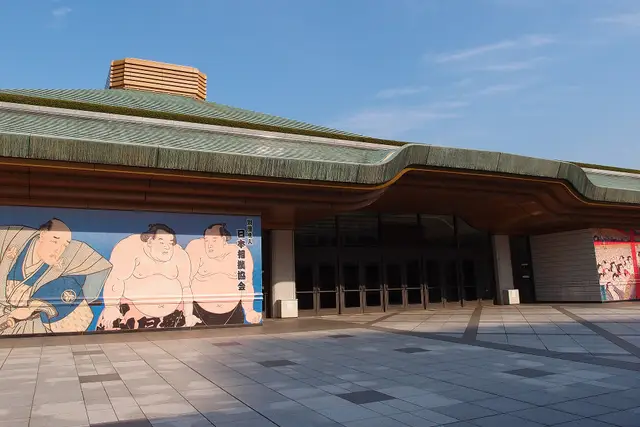
Ryogoku and Kinshicho guide
Ryogoku, the town of sumo, gathers the national sumo hall, the Edo-Tokyo Museum, a Hokusai museum and a daimyo garden. Farther east, Kameido has a shrine famous for wisteria.
Things to see 4 classics
"Classics", "For visitors" and "Local picks" are this site's editorial picks, not a measured popularity ranking.
By interest
By how you get there
By distance
- 1
Edo-Tokyo Museum
A museum of city life from Edo to modern Tokyo, with large-scale models of old streets. Reopened in March 2026 after renovation.
- History & buildings
- With kids
about 2 hrPaid entryFine on a rainy day
Walk · About 3 min from Ryogoku ・ 500m from here
- 2
Sumida Hokusai Museum
A museum devoted to ukiyo-e master Katsushika Hokusai, born in this area. The angular aluminum-clad building is by Kazuyo Sejima.
- Museums
- History & buildings
about 75 minPaid entryFine on a rainy day
Walk · About 9 min from Ryogoku ・ 500m from here
- 3
Kyu-Yasuda Garden
A former daimyo garden around a pond once fed by the Sumida River, just north of the Kokugikan sumo hall.
- Nature
- History & buildings
about 30 minFree
Walk · About 5 min from Ryogoku ・ 500m from here
- 4
Kameido Tenjin Shrine
A shrine to the god of learning. From late April to early May, wisteria trellises over the pond and its arched bridges are superb.
- Temples, shrines & churches
- Nature
about 45 minFree
Train · About 20 min from Ryogoku ・ JR Sobu Line to Kameido, then about 12 minutes on foot ・ 2.1km from here
“Classics”, “For visitors” and “Local picks” are our editors' picks, not a measured popularity ranking. Travel times are estimates. Please check prices, opening hours and operating days with the official sources before you go.
Photo and data credits
The Ryogoku Kokugikan sumo hall with a sumo mural on its wall Guilhem Vellut (CC BY 2.0). Cropped and resized.
Facilities & features
- Elevators available (the route may be longer)
- Typical transfer time: about 4 min
Lines from here
Within walking distance of here
See nearby on a mapWalking times are estimates from the straight-line distance.
- Go hereKyu-Yasuda GardenAbout 7 min on foot
A former daimyo garden around a pond once fed by the Sumida River, just north of the Kokugikan sumo hall.
- Go hereEdo-Tokyo MuseumAbout 8 min on foot
A museum of city life from Edo to modern Tokyo, with large-scale models of old streets. Reopened in March 2026 after renovation.
- Go hereSumida Hokusai MuseumAbout 8 min on foot
A museum devoted to ukiyo-e master Katsushika Hokusai, born in this area. The angular aluminum-clad building is by Kazuyo Sejima.
- Go hereYokoamicho Park (Great Kanto Earthquake Memorial Museum)About 2 min on foot
A park memorializing victims of the 1923 earthquake and the 1945 air raids. Its museum covers the disaster and the rebuilding.
Tips for this place
Write a tipNo tips match these filters yet.
Questions about this place
Ask a questionNo questions yet. Ask about getting here, tickets or luggage.
Nearby places
Practical booking & planning links (Ad)
We list only well-established booking services. This site may receive a commission if you book through these links (each opens in a new tab).