Jingūmae-Nichōme (Jingūmae 2)神宮前二丁目
Harajuku and Omotesando guide
Next to the forest of Meiji Jingu lie youthful Harajuku and the zelkova-lined Omotesando. Aoyama's museums and the ginkgo avenue and ballpark of Jingu Gaien are within walking distance.
Things to see 4 classics
"Classics", "For visitors" and "Local picks" are this site's editorial picks, not a measured popularity ranking.
By interest
By how you get there
- 1
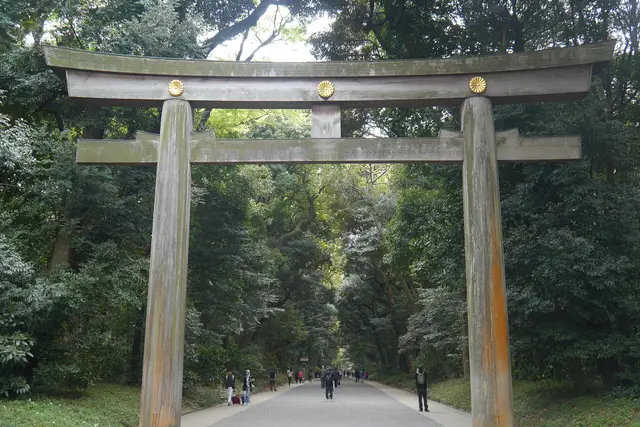
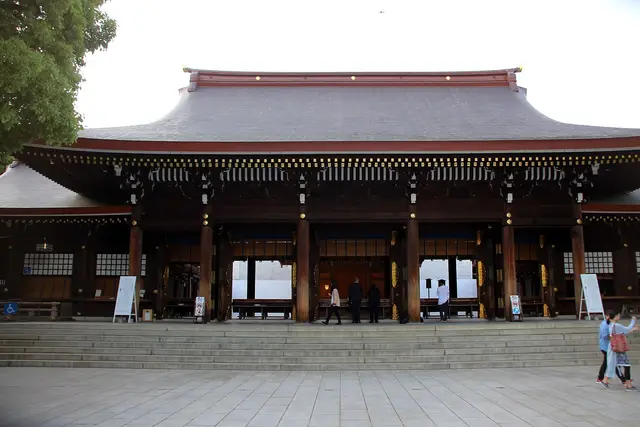
Meiji Jingu Shrine and Harajuku
A shrine deep in a forest. The entrance is right beside Harajuku Station, close to Takeshita Street and its youth fashion shops.
- Temples, shrines & churches
- Nature
- Shopping & strolling
about 1.5 hrFreeWheelchair & stroller friendly
Train · About 40 min from Harajuku ・ JR Yamanote Line to Harajuku, then about 10 minutes on foot to the main hall ・ 1.3km from here
- 2
Nezu Museum
A museum of Japanese and East Asian art, with a large garden of ponds and teahouses to stroll among the trees.
- Museums
- Nature
- History & buildings
about 1.5 hrPaid entryFine on a rainy day
Walk · About 20 min from Harajuku ・ About 20 minutes on foot along Omotesando, or 8 minutes from Omote-sando subway station ・ 1.3km from here
- 3
Jingu Gaien Ginkgo Avenue
Four rows of ginkgo trees lead straight toward the picture gallery, turning golden at the end of autumn.
- Nature
- Views
about 45 minFree
Subway · About 20 min from Harajuku ・ Chiyoda Line from Meiji-jingumae to Omote-sando, Ginza Line to Gaiemmae, then about 5 minutes on foot ・ 600m from here
- 4
Yoyogi National Gymnasium
Kenzo Tange's arena for the 1964 Tokyo Olympics, admired for the sweeping curves of its suspended roof.
- Museums
- Views
- History & buildings
about 30 minFree
Walk · About 5 min from Harajuku ・ About 5 minutes on foot from the Omote Exit ・ 1.3km from here
“Classics”, “For visitors” and “Local picks” are our editors' picks, not a measured popularity ranking. Travel times are estimates. Please check prices, opening hours and operating days with the official sources before you go.
Photo and data credits
The large wooden torii leading into the Meiji Jingu forest Zairon (CC BY-SA 4.0) / The main hall of Meiji Jingu beyond a wide gravel courtyard Hyppolyte de Saint-Rambert (CC BY-SA 4.0). Cropped and resized.
Facilities & features
- Elevators available (the route may be longer)
- Typical transfer time: about 4 min
Lines from here
Within walking distance of here
See nearby on a mapWalking times are estimates from the straight-line distance.
- Go hereJingu Gaien Ginkgo AvenueAbout 10 min on foot
Four rows of ginkgo trees lead straight toward the picture gallery, turning golden at the end of autumn.
- Go hereWatari Museum of Contemporary Art (Watari-um)About 4 min on foot
A small contemporary art museum on Gaien-nishi-dori, in a building by Swiss architect Mario Botta.
- Go hereMeiji Jingu StadiumAbout 7 min on foot
Home of the Yakult Swallows. Sit in the outfield to join the chants and umbrella dance of Japanese baseball fans.
- Go hereTogo ShrineAbout 9 min on foot
A quiet shrine just behind Takeshita Street, with a pond garden that offers a calm break from the crowds.
Tips for this place
Write a tipNo tips match these filters yet.
Questions about this place
Ask a questionNo questions yet. Ask about getting here, tickets or luggage.
Nearby places
Practical booking & planning links (Ad)
We list only well-established booking services. This site may receive a commission if you book through these links (each opens in a new tab).