鹿岛・潮来指南
The shrine town of Kashima Jingu, one of the three great shrines of eastern Japan. Find the Kaname-ishi deep in its forest and a torii in the lake, see irises and boats in watery Itako, or catch a Kashima Antlers match.
景点 经典4处
“经典”“游客体验”和“当地推荐”是本站编辑的选择,并非人气排名的调查结果。
- 1
香取神宫
Head shrine of some 400 Katori shrines across Japan. Its vermilion two-story gate is an Important Cultural Property.
- 寺社・教堂
- 历史・建筑
- 自然
巴士 · 从Kashima-Jingu约75分钟 ・ JR Narita Line to Sawara, then about 13 minutes on the Katori loop bus ・ 13km
- 2
鹿岛神宫
Head shrine of Kashima shrines across Japan. A path through a forest of giant trees leads to the inner shrine and a sacred deer park.
The treasure hall has been closed since 2018. (截至2026年11月17日)
- 寺社・教堂
- 历史・建筑
- 自然
约1.5小时免费
步行 · 从Kashima-Jingu约10分钟 ・ About 10 minutes on foot from Kashima-Jingu Station ・ 500m
- 3
水乡潮来菖蒲园
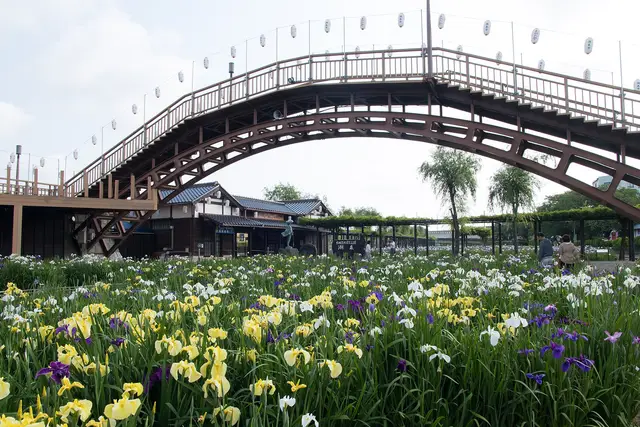
A riverside garden of about 500 iris varieties. At its early-summer festival, brides ride a boat to their wedding ('yomeiri-bune').
- 自然
- 体验
约60分钟免费
电车 · 从Kashima-Jingu约20分钟 ・ JR Kashima Line to Itako (about 10 minutes), then about 5 minutes on foot ・ 8.0km
- 4
息栖神社
One of eastern Japan's three great shrines, with Kashima and Katori. By its riverside torii, the old Oshioi wells spring underwater.
- 寺社・教堂
- 历史・建筑
约30分钟免费
出租车 · 从Kashima-Jingu约25分钟 ・ About 20 minutes by car from Kashima-Jingu Station ・ 9.4km
在地图上查看
经典游客体验当地推荐
推荐游览路线
时间以9:00出发为例。移动时间按距离估算,会因候车和拥挤而变化。
Kashima Jingu and its town
9:00出发 → 约12:32结束(约3.5小时)
- 9:00Kashima-Jingu
步行约10分钟
9:10鹿岛城山公园停留约30分钟步行约15分钟
9:55鹿岛神宫停留约1.5小时步行约7分钟
11:32要石停留约15分钟乘车约15分钟
12:02鹿岛神宫 西之一之鸟居停留约30分钟
From Joyama Park near the station, walk to the shrine and on through the forest to the Kaname-ishi, then end at the lake torii around sunset.
按此顺序制定周游计划The three great shrines of eastern Japan
9:00出发 → 约13:10结束(约4小时)
- 9:00Kashima-Jingu
步行约10分钟
9:10鹿岛神宫停留约1.5小时乘车约40分钟
11:20息栖神社停留约30分钟乘车约35分钟
12:25香取神宫停留约45分钟
From Kashima Jingu to Ikisu Shrine, then across the Tone River to Katori Jingu. Buses are scarce, so go by taxi.
按此顺序制定周游计划Itako's waterways
9:00出发 → 约11:59结束(约3小时)
- 9:00Kashima-Jingu
乘车约20分钟
9:20水乡潮来菖蒲园停留约60分钟步行约9分钟
10:29长胜寺停留约30分钟乘车约30分钟
11:29鹿岛神宫 西之一之鸟居停留约30分钟
Best in early summer when the irises bloom. Walk from Itako Station to the iris garden and Choshoji, then return toward Kashima for the lake torii.
按此顺序制定周游计划
主要交通方式
Kashima-go highway bus
About 2 hours from Tokyo Station Yaesu South Exit to Kashima-Jingu Station, also stopping at Itako (Suigo Itako Bus Terminal).
JR Kashima Line
From Sawara on the Narita Line, about 15 minutes to Itako and 25 to Kashima-Jingu. Some trains run through from the Chiba and Narita side.
Kashima Rinkai Railway Oarai-Kashima Line
About 75 minutes from Mito via Oarai to Kashima-Jingu. On match days trains stop at a temporary station right by the stadium.
Taxis from Kashima-Jingu Station
About 20 minutes to Ikisu Shrine and 25 to Katori Jingu. To see all three great shrines in a day, a taxi is the easy way.
前往Kashima-Jingu的方式
“经典”“游客体验”和“当地推荐”由本站编辑挑选,并非人气排名的调查结果。所需时间仅供参考。票价、营业时间和运行日请在出发前确认官方信息。
当地特色美食
鹿岛・潮来作为当地特色介绍的美食。按品名列出,并非推荐特定店铺。
“查找能吃到的店”会用料理名称和地名打开地图应用的搜索。搜索出的店不是本站挑选或推荐的。是否供应这道料理,请向店家确认。
Ibaraki的乡土料理(30 道)实用预订与行程安排网站(广告)
仅列出值得信赖的大型预订平台。通过这些链接预订时,本网站可能会收到介绍费(在新标签页中打开)。
评价您预订或购买的服务是否有用
来源
当地特色美食
各项美食均已通过都道府县、市町村、观光协会或 JNTO 的官方页面确认为当地特色(2026-11-17 确认)。说明由本站撰写。
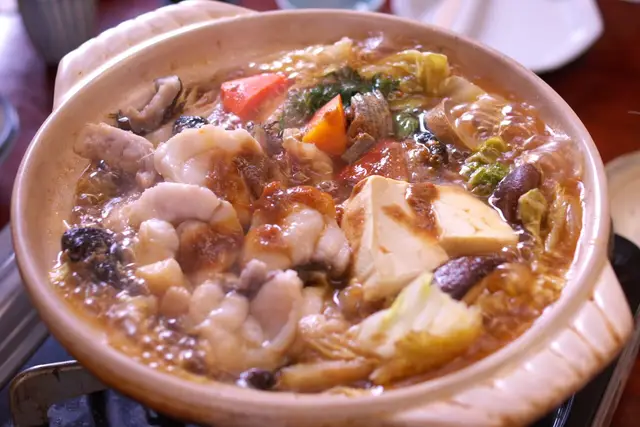
- Ankou-nabe (monkfish hot pot): www.ibarakiguide.jp
- Shirasu-don (whitebait rice bowl): www.ibarakiguide.jp
- Ibaraki seafood rice bowl (kaisen-don): www.ibarakiguide.jp
- Hitachi-aki soba (buckwheat noodles): www.ibarakiguide.jp
- Mehikari (greeneye fish, usually fried): www.ibarakiguide.jp
- Hitachi-gyu (Ibaraki wagyu beef): www.ibarakiguide.jp
照片与数据出处
Irises in bloom beside an arched wooden bridge at Itako Ayame Garden Σ64 (CC BY 4.0) / A clay pot of monkfish simmered with tofu and vegetables Yamaguchi Yoshiaki Camera location36° 19′ 21″ N, 140° 34′ 07.5″ E View this and (CC BY-SA 2.0)。已裁剪并缩小。