古河・结城指南
A post town on the Nikko Kaido and old seat of the Koga Kubo lords. See the peach blossoms of Koga Kubo Park and the history museum, roam the Watarase wetlands, and meet hand-woven Yuki-tsumugi silk in nearby Yuki.
景点 经典4处
“经典”“游客体验”和“当地推荐”是本站编辑的选择,并非人气排名的调查结果。
- 1
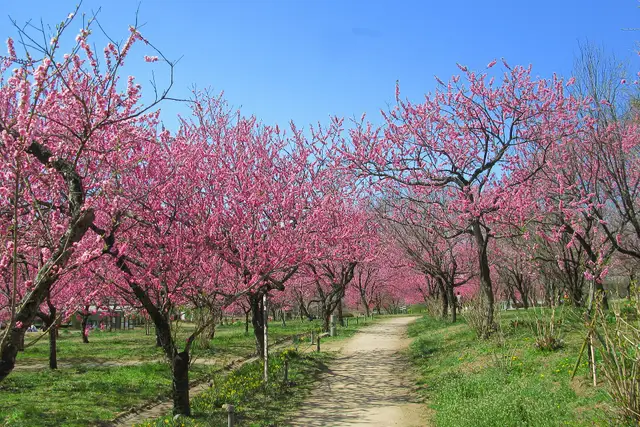
古河公方公园
A park on the site of the Koga Kubo lords' residence. Its flowering peach trees bloom from late March, with a peach blossom festival.
- 自然
- 历史・建筑
约1.5小时免费
出租车 · 从Koga约10分钟 ・ About 10 minutes by car from Koga Station ・ 2.0km
- 2
古河历史博物馆・鹰见泉石纪念馆
A museum on a Koga Castle outwork with records of Dutch-studies scholar Takami Senseki and snowflake drawings; his old house is next door.
- 历史・建筑
约1.5小时收费雨天也可游览
步行 · 从Koga约15分钟 ・ About 15 minutes on foot from Koga Station West Exit ・ 800m
- 3
渡良濑游水地
A vast Ramsar-listed wetland spanning four prefectures. Walk or cycle through its endless reed beds.
- 自然
- 风景・展望
- 体验
约2小时免费
出租车 · 从Koga约15分钟 ・ About 15 minutes by car from Koga Station (Central Entrance) ・ 4.1km
- 4
结城绸之馆
A center for Yuki-tsumugi, the UNESCO-listed hand-woven silk, with a museum, a shop and weaving sessions by reservation.
- 美术馆・博物馆
- 体验
- 购物・逛街
约1.5小时部分收费雨天也可游览
电车 · 从Koga约45分钟 ・ Change at Oyama to the JR Mito Line for Yuki, then about 15 minutes on foot ・ 19km
在地图上查看
经典游客体验当地推荐
推荐游览路线
时间以9:00出发为例。移动时间按距离估算,会因候车和拥挤而变化。
Koga's castle town and Koga Kubo Park
9:00出发 → 约14:06结束(约5小时)
- 9:00Koga
步行约10分钟
9:10篆刻美术馆停留约45分钟步行约7分钟
10:02古河历史博物馆・鹰见泉石纪念馆停留约1.5小时步行约19分钟
11:51雀神社停留约30分钟乘车约15分钟
12:36古河公方公园停留约1.5小时
Walk west from the station through the old town to the seal-carving and history museums, stop at Suzume Shrine, then ride to Koga Kubo Park.
按此顺序制定周游计划The Watarase wetlands and the three-prefecture border
9:00出发 → 约12:27结束(约3.5小时)
- 9:00Koga
步行约20分钟
9:20雀神社停留约30分钟乘车约15分钟
10:05渡良濑游水地停留约2小时步行约7分钟
12:12三县交界点停留约15分钟
Walk the wide reed beds, then find the border point in the fields. There is little shade, so bring a hat and water in summer.
按此顺序制定周游计划Yuki, the town of tsumugi silk
9:00出发 → 约13:15结束(约4.5小时)
- 9:00Koga
乘车约45分钟
9:45结城绸之馆停留约1.5小时步行约4分钟
11:19健田须贺神社停留约30分钟步行约3分钟
11:52称名寺停留约30分钟步行约23分钟
12:45结城城遗址公园停留约30分钟
All within walking distance of Yuki Station. Book the weaving session in advance.
按此顺序制定周游计划
主要交通方式
JR Utsunomiya Line (Ueno-Tokyo Line)
About 50–75 minutes from Tokyo, Ueno or Omiya to Koga with no change. The Rapid Rabbit also stops here.
Tohoku Shinkansen (to Oyama)
You can also take the Shinkansen from Tokyo or Ueno to Oyama and ride the Utsunomiya Line one stop back (about 10 minutes).
JR Mito Line
About 8 minutes from Oyama to Yuki and 20 to Shimodate, roughly hourly. From Koga, change at Oyama.
Taxis from Koga Station
About 10 minutes to Koga Kubo Park and 15 to the Watarase wetlands and the three-prefecture border.
前往Koga的方式
“经典”“游客体验”和“当地推荐”由本站编辑挑选,并非人气排名的调查结果。所需时间仅供参考。票价、营业时间和运行日请在出发前确认官方信息。
当地特色美食
古河・结城作为当地特色介绍的美食。按品名列出,并非推荐特定店铺。
“查找能吃到的店”会用料理名称和地名打开地图应用的搜索。搜索出的店不是本站挑选或推荐的。是否供应这道料理,请向店家确认。
Ibaraki的乡土料理(30 道)实用预订与行程安排网站(广告)
仅列出值得信赖的大型预订平台。通过这些链接预订时,本网站可能会收到介绍费(在新标签页中打开)。
评价您预订或购买的服务是否有用
来源
当地特色美食
各项美食均已通过都道府县、市町村、观光协会或 JNTO 的官方页面确认为当地特色(2026-11-17 确认)。说明由本站撰写。
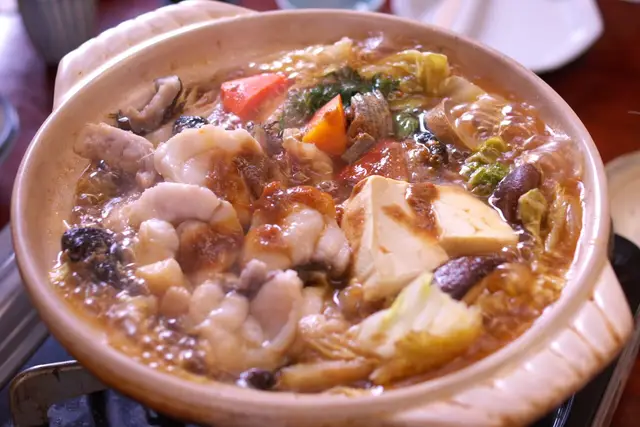
- Ankou-nabe (monkfish hot pot): www.ibarakiguide.jp
- Shirasu-don (whitebait rice bowl): www.ibarakiguide.jp
- Ibaraki seafood rice bowl (kaisen-don): www.ibarakiguide.jp
- Hitachi-aki soba (buckwheat noodles): www.ibarakiguide.jp
- Mehikari (greeneye fish, usually fried): www.ibarakiguide.jp
- Hitachi-gyu (Ibaraki wagyu beef): www.ibarakiguide.jp
照片与数据出处
A path through blooming pink peach trees in Koga Park 京浜にけ (CC BY-SA 3.0) / A clay pot of monkfish simmered with tofu and vegetables Yamaguchi Yoshiaki Camera location36° 19′ 21″ N, 140° 34′ 07.5″ E View this and (CC BY-SA 2.0)。已裁剪并缩小。