关东的名产・乡土料理
延续自江户时代的东京料理,以及靠海靠山的周边各县名产。
关东的名产美食 59 种,乡土料理 197 种。
来关东要尝的名产
Ibaraki
名产 9・乡土料理 30
名产美食
到访当地时值得一尝、在店铺或摊位能吃到的名产。
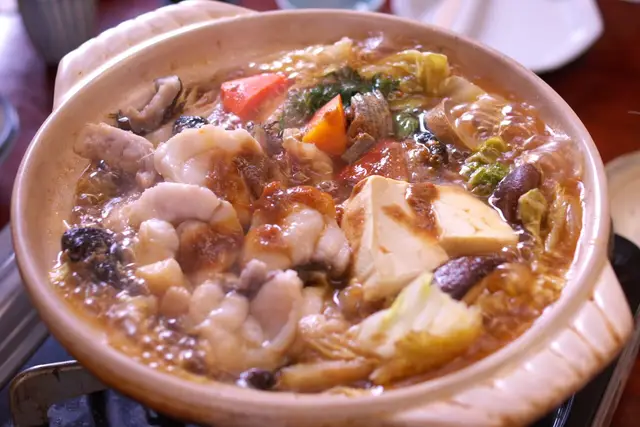
Ibaraki各地火锅・汤
Ankou-nabe (monkfish hot pot)
あんこう鍋
Hot pot made with monkfish, a winter specialty of Ibaraki. Monkfish dishes are served around November to March.
Ibaraki各地海鲜
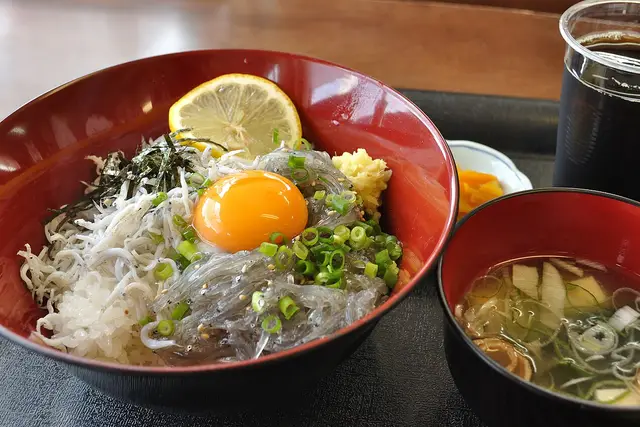
Shirasu-don (whitebait rice bowl)
しらす丼
Rice bowl topped with raw or boiled whitebait. Ibaraki is among the top whitebait-catching prefectures in Japan.
Ibaraki各地海鲜
Ibaraki seafood rice bowl (kaisen-don)
茨城の海鮮丼
Rice bowl topped with seasonal fish. Coastal towns each have a fish market where it can be eaten.
Ibaraki各地面类
Hitachi-aki soba (buckwheat noodles)
常陸秋そば
Soba made from Ibaraki's Hitachi-aki buckwheat. It is also eaten dipped in tsuke-kenchin, a local vegetable soup.
Hitachinaka面类
Stamina ramen (noodles with spicy liver and vegetable sauce)
スタミナラーメン
Ramen with a sweet-spicy sauce of liver, pumpkin and chives. Served hot or as chilled noodles with hot sauce.
Kashimanada coast海鲜
Kashimanada hamaguri (large clams)
鹿島灘はまぐり
Large clams from the Kashimanada coast, eaten sake-steamed, in clear soup, grilled or in curry.
Ibaraki各地海鲜
Mehikari (greeneye fish, usually fried)
めひかり
Small deep-sea fish caught off Ibaraki most of the year, usually fried or tempura. Fattiest from about October to February.
Ibaraki各地肉类
Hitachi-gyu (Ibaraki wagyu beef)
常陸牛
Ibaraki-raised black wagyu that meets a set grade. Known for lean, good-quality meat.
乡土料理
家庭和地方传承下来的料理。有些店里没有供应(取自日本农林水产省“うちの郷土料理”)。
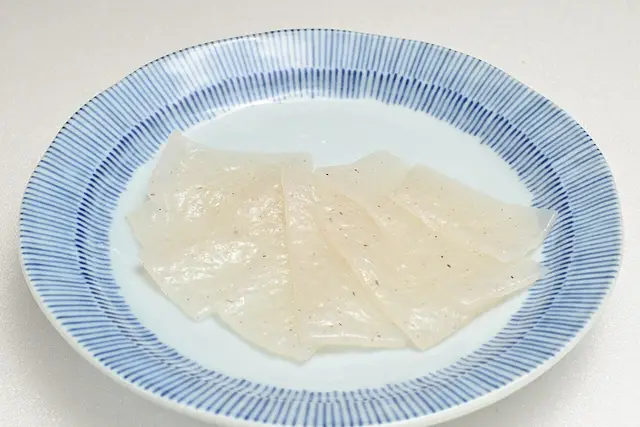 North RegionTezukuri Sashimi Konnyaku (Hand-made Sashimi Konjac (Raw thin-sliced Konjac))手作りさしみこんにゃく
The Okukuji region in Ibaraki Prefecture has been known for its thriving konjac cultivation since ancient times and is considered the birthplace of konjac.
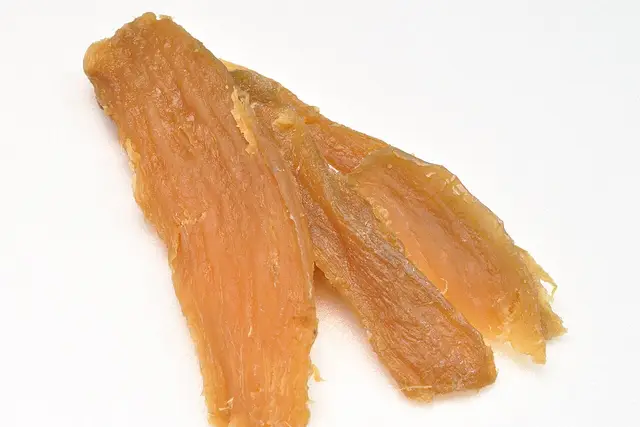 All over the prefectureHoshiimo干しいも
Dried sweet potatoes are a processed sweet potato product that is popular among men and women of all ages. Ibaraki Prefecture is the top producer of dried sweet potatoes in Japan.
- Central area of the prefectureNiai煮合い
In Ibaraki Prefecture, a vegetable kingdom, local cuisine using local vegetables is still deeply rooted, and one of the dishes is "Niai".
主要食材: Lotus root, burdock, carrot, shirataki noodles, dried shiitake mushrooms, fried tofu
- The whole prefectureTsuke Kenchinつけけんちん
Soba (buckwheat) has been widely cultivated in Ibaraki Prefecture since the Edo period (1603 - 1868) due to the large temperature difference between morning and evening and the large amount of…
主要食材: Soba, taro, radish, carrots, konjac, tofu, raw shiitake mushrooms
- Hitachinaka CityPaita Yakiパイタ焼き
Likewise, there are local dishes with chopped fish and flavor it like "Paita-yaki" in other prefectures.
主要食材: Sardine, Japanese leek, Ginger, Miso, Egg, Wheat flour as binder
- Northern RegionAnkou no Tomo-zuあんこうの共酢
It is a local dish of boiled anglerfish dipped in vinegared miso paste with liver.
- Northern RegionShimi Konjac凍みこんにゃく
"Shimi Konjac"(=Freeze-dried Konjac) has been traditionally produced as a sideline during the agricultural off-season in the northern part of Ibaraki prefecture.
- All of Ibaraki PrefectureRenkon no Kinpira (Kinpira made of lotus root)れんこんのきんぴら
Kasumigaura, with the second-largest lake surface area in Japan, is renowned for its thriving lotus root cultivation.
- All of Ibaraki PrefectureImogara no itame-ni/Imogara no gomoku-ni (stir-fry and simmer Japanese taro’s stalk)いもがらの炒め煮/いもがらの五目煮
"Imogara" refers to the dried stalk and tuber part of root vegetables such as Satoimo(=Japanese taro).
主要食材: Satoimo(=Japanese taro) stalk, Lotus root, Carrot, Fried bean curd, Konjac(=yam cake)
- All of Ibaraki PrefecturePeanut-Miso/Rakkasei-Misoピーナッツ味噌/落花生味噌
"Peanut-Miso" is a traditional dish in Ibaraki Prefecture, where peanuts are abundant.
- The whole prefectureGarigari Namasuがりがりなます
“Garigari Namasu”, a local dish made in Ibaraki Prefecture, which is blessed with rich food materials, is made with the seasonal produce of the mountains and sea.
- Northern RegionYuzu Daikon (Dried/Pickled Daikon Radish with Yuzu Citron)柚子大根
Green yuzu is available in the market from August until October, then yellow yuzu takes over after it’s getting cooler. ‘Yuzu Daikon’ is a local cuisine not only in Ibaraki, but also in wider area…
- Central Region of the PrefectureSoboro Natto/Shoboro Natto (Natto mixed with Dried strips of Daikon radish)そぼろ納豆/しょぼろ納豆
People made natto with soybeans harvested in the autumn, and made efforts to keep natto longer when they provided natto to their neighbors or temples. ’Soboro natto’ is a traditional dish in Mito…
主要食材: Natto (fermented soybean), Wariboshi Daikon(=Dried strips of Daikon radish), Soy sauce, "Mirin (=sweet rice wine)", Sake
- All of Ibaraki PrefectureMitsume no Botamochi (Sweet bean-filled rice cakes)みつめのぼたもち
Mitsumeno Botamochi' refers to the large rice cakes eaten three days after the birth of the first child.
- Kanasago Region and othersAka-mochi (Red Rice Cake)赤餅
Aka-mochi is a red-colored rice cake made from red corn flour.
- Kashima City, Namekata CityKaiso Yose (Seaweed Yose)海藻よせ
"Kaiso Yose(=Seaweed yose)" is a local dish eaten along the Kashima coast, extending from Kashima in Ibaraki Prefecture to Choshi in Chiba Prefecture.
- Southern region, Kasumigaura, Namegata City, Tsuchiura CityKoi no Karaage (Fried carp)鯉の唐揚げ
In Kasumigaura, the second largest lake in Japan in terms of area, carp farming began in the late 1960s, mainly in the Kitaura area, and today it is the area that produces the most carp in the…
- The whole prefectureSuzuke (pickling in vinegar) of Japanese smelt and lotus rootわかさぎとれんこんの酢漬け
“Suzuke (pickling in vinegar) of Japanese smelt and lotus root” is made with Japanese smelt and lotus root, which are local specialties of Kasumigaura, the second largest lake in Japan.
- Rokko region, Kashima, HokotaGosaitzukeごさい漬け
“Gosaitzuke” has long been loved as a local hometown winter dish and was an important source of protein for commoners.
- Tone River, Kasumigaura areaUnagi no hobiki ni (eel stewed in a hobiki)うなぎの帆引き煮
Kasumigaura is the second largest lake in Japan. It is abundant in freshwater fish like smelt, whitebait, eels, and crucian carp because of the rich plankton and interaction with the sea.
- Northern regionIwashi no unohana zuke(Pickled sardines with soy pulp)いわしの卯の花漬け
While Ibaraki Prefecture is renowned as one of the most agricultural prefectures in Japan, it is also a fishery prefecture.
- All regions of the prefectureClam Riceはまぐりごはん
Clam rice is another classic clam dish that is often eaten in Japanese households.
- Entire prefecturePumpkin itoko-niかぼちゃのいとこ煮
Pumpkin itoko-ni, which is boiled with adzuki beans, has become a staple dish for the winter solstice. Itoko-ni refers to a stew made mainly from vegetables and beans.
- All areas of Ibaraki and areas around KasumigauraOgura Renkon (Ogura Lotus Root)小倉れんこん
Since adzuki beans also come from Ibaraki Prefecture, 'ogura renkon' has long been made at home, as it can be made with locally available ingredients.
- Entire prefectureGomoku Inarizushi五目いなりずし
"Gomoku Inarizushi" has been well-known for many years as a regional cuisine that features local agricultural products.
主要食材: Fried tofu pouches, rice, carrot, burdock root, shiitake mushroom
- All over the prefectureKomo dofuこも豆腐
One of Ibaraki Prefecture's local dishes using such soybeans is "komo-dofu. Komodofu" is tofu wrapped in straw wrappings and boiled in salted water, just like natto (fermented soybeans).
- Western part of the prefectureShimotsukare/Sumitukareしもつかれ/すみつかれ
“Shimotsukare” is a local cuisine in the western part of Ibaraki that consists of leftover New Year's salmon heads, leftover beans from Setsubun (February 3), and root vegetables cooked in sake lees.
主要食材: Salmon, soybeans, radishes, fried tofu, carrots, sake lees
- Yuki CitySudarebu no gomazuaeすだれ麩のごま酢和え
Sudare-bu with sesame paste is a local dish produced in Yuki City, Ibaraki Prefecture.
- Southern region, Shikagyo regionTagane mochiたがね餅
One of the most popular rice cake dishes in Ibaraki Prefecture is "tagane-mochi.
- Mito CityShikinbai紫錦梅
In order to make effective use of all the plums harvested at Kairakuen, Prince Nariaki invented the "Shikinbai" plum tree.
“查找能吃到的店”会用料理名称和地名打开地图应用的搜索。搜索出的店不是本站挑选或推荐的。是否供应这道料理,请向店家确认。
来源
名产・乡土料理
出处:根据农林水产省“うちの郷土料理 (Our Regional Cuisines)”加工制作(2026-11-15 获取) https://www.maff.go.jp/e/policies/market/k_ryouri/index.html. 名称、流传地区和食材按原页面所写,介绍是原文的一部分。不使用农林水产省的照片(料理照片来自 Wikimedia Commons)。本页面不是农林水产省制作的。料理名称和介绍以英语显示。
当地特色美食
各项美食均已通过都道府县、市町村、观光协会或 JNTO 的官方页面确认为当地特色(2026-11-17 确认)。说明由本站撰写。
- Ankou-nabe (monkfish hot pot): www.ibarakiguide.jp
- Shirasu-don (whitebait rice bowl): www.ibarakiguide.jp
- Ibaraki seafood rice bowl (kaisen-don): www.ibarakiguide.jp
- Hitachi-aki soba (buckwheat noodles): www.ibarakiguide.jp
- Stamina ramen (noodles with spicy liver and vegetable sauce): www.ibarakiguide.jp
- Kashimanada hamaguri (large clams): www.ibarakiguide.jp
- Mehikari (greeneye fish, usually fried): www.ibarakiguide.jp
- Shirauo (icefish) from Lake Kasumigaura: www.ibarakiguide.jp
- Hitachi-gyu (Ibaraki wagyu beef): www.ibarakiguide.jp
照片与数据出处
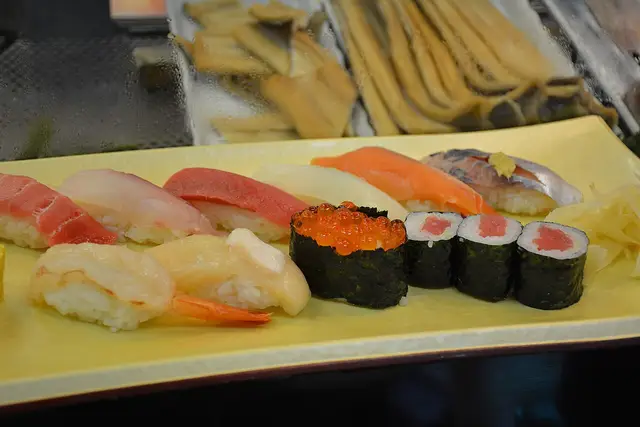
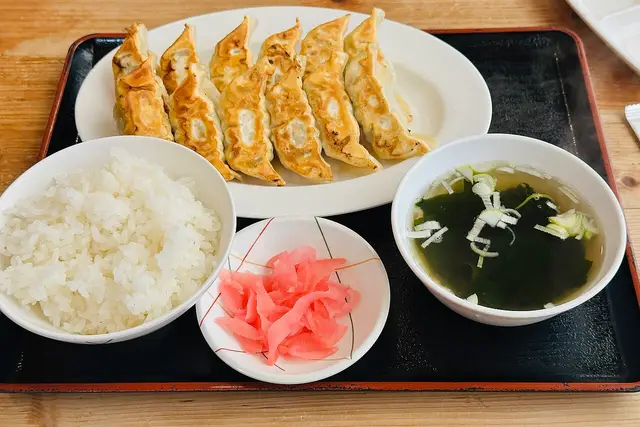
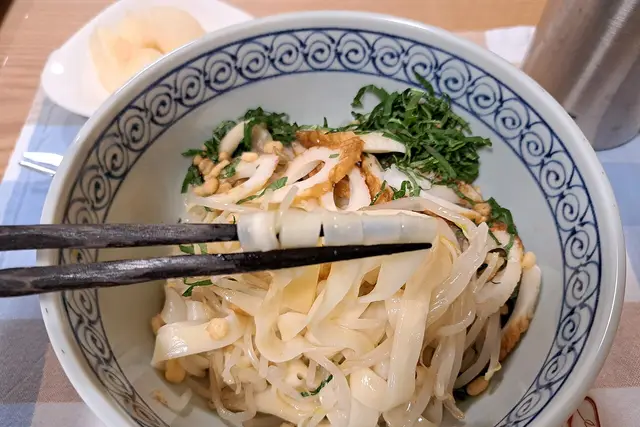
A plate of nigiri sushi with tuna, salmon, shrimp and salmon roe Cheng-en Cheng (CC BY-SA 2.0) / Pan-fried gyoza dumplings with rice and soup Tatsuo Yamashita from Tokyo, Japan (CC BY 4.0) / A rice bowl of raw and boiled whitebait topped with an egg yolk Ocdp (CC0) / A clay pot of monkfish simmered with tofu and vegetables Yamaguchi Yoshiaki Camera location36° 19′ 21″ N, 140° 34′ 07.5″ E View this and (CC BY-SA 2.0) / Himokawa udon, very wide flat noodles, lifted with chopsticks RuinDig/Yuki Uchida (CC BY 4.0) / Sashimi konnyaku: thin slices of konjac arranged on a plate Ocdp (CC0) / Hoshiimo: slices of steamed and dried sweet potato Ocdp (CC0)。已裁剪并缩小。