Hitachi, Takahagi and Kitaibaraki guide
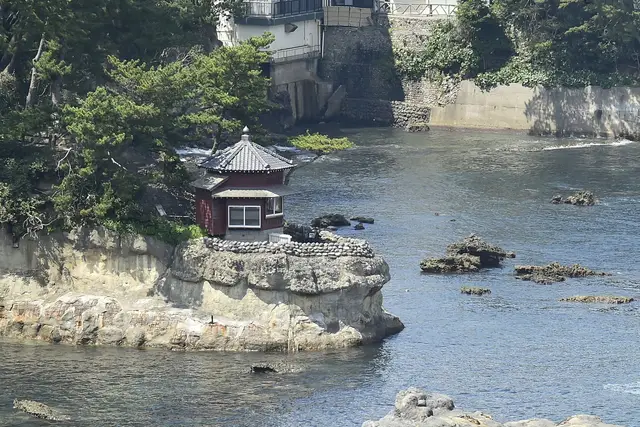
Ibaraki's northern Pacific shore. See the sea-view Hitachi Station, cherry-lined Kamine Park and mountain Oiwa Shrine, then head north to the autumn colors of Hanakuki Gorge and the Rokkakudo on the Izura coast.
Things to see 6 classics
"Classics", "For visitors" and "Local picks" are this site's editorial picks, not a measured popularity ranking.
- 2
Kamine Park
A hilltop park among Japan's 100 best cherry blossom spots, with a zoo, a small amusement park and a lookout over the city and sea.
- Nature
- With kids
- Views
about 2 hrPartly paid
Bus · About 15 min from Hitachi ・ About 10 minutes by bus from Hitachi Station ・ 2.1km
- 3
Oiwa Shrine
A mountain shrine of ancient worship, mentioned in the 8th-century Hitachi gazetteer. Walk a cedar-lined approach or climb on to Mt. Oiwa.
- Temples, shrines & churches
- Nature
about 1.5 hrFree
Bus · About 35 min from Hitachi ・ About 30 minutes by bus from Hitachi Station to Oiwa Jinja-mae ・ 8.5km
- 4
Heiwa-dori cherry avenue
A cherry-lined avenue west of the station, one of Japan's 100 best blossom spots and home of the April Hitachi Sakura Festival.
- Nature
- History & buildings
about 30 minFree
Walk · About 5 min from Hitachi ・ About 5 minutes on foot from Hitachi Station Central Exit ・ 700m
- 5
Hanakuki Gorge
A gorge famed for its autumn leaves. Cross the Shiomitaki suspension bridge and follow the riverside trail.
- Nature
- Views
about 1.5 hrFree
Taxi · About 40 min from Hitachi ・ JR Joban Line to Takahagi (about 15 minutes), then about 20 minutes by car ・ 16km
- 6
Izura Coast and the Rokkakudo
A small hexagonal pavilion that Okakura Tenshin built on a seaside rock. Swept away by the 2011 tsunami, it has been rebuilt.
- Views
- History & buildings
about 60 minPaid entry
Taxi · About 45 min from Hitachi ・ JR Joban Line to Otsuko (about 30 minutes), then about 10 minutes by car ・ 30km
Show on map
ClassicsFor visitorsLocal picks
Suggested routes
Times assume a 9:00 start. Travel times are estimated from distance and vary with waiting and crowds.
Hitachi city and its mountain shrine
Leave 9:00 → until about 16:12 (about 7 hr)
- 9:00Hitachi
about 1 min on foot
9:01Hitachi Station (the sea-view station)stay about 30 minabout 35 min by transport
10:06Oiwa Shrinestay about 1.5 hrabout 26 min on foot
12:02Nikko Memorial Museum (Hitachi Mine)stay about 60 minabout 25 min by transport
13:27Kamine Parkstay about 2 hrabout 15 min by transport
15:42Heiwa-dori cherry avenuestay about 30 min
Take in the sea from the station, then ride the bus to Oiwa Shrine. On the way back, stop at the mining museum and Kamine Park, and stroll Heiwa-dori to the station.
Plan this routeHanakuki Gorge and the Izura coast
Leave 9:00 → until about 15:35 (about 6.5 hr)
- 9:00Hitachi
about 40 min by transport
9:40Hanakuki Gorgestay about 1.5 hrabout 55 min by transport
12:05Noguchi Ujo Memorial Museumstay about 45 minabout 30 min by transport
13:20Tenshin Memorial Museum of Art, Ibarakistay about 60 minabout 15 min on foot
14:35Izura Coast and the Rokkakudostay about 60 min
Taxi from Takahagi Station to the gorge, then head north on the Joban Line: the Ujo museum at Isohara, and from Otsuko the art museum and Rokkakudo.
Plan this route
Main ways to get around
Limited Express Hitachi / Tokiwa
About 1.5–2 hours from Shinagawa, Tokyo or Ueno to Hitachi; some trains also stop at Takahagi. For Isohara and Otsuko, change to a local train.
JR Joban Line local trains
From Hitachi: about 15 minutes to Takahagi, 25 to Isohara and 30 to Otsuko. Trains get less frequent the farther north you go.
Local buses from Hitachi Station
About 10 minutes to Kamine Park and 30 to Oiwa Shrine. Buses toward the shrine are infrequent, so check the return times first.
Taxis from Takahagi and Otsuko stations
About 20 minutes from Takahagi Station to Hanakuki Gorge, and 5–10 minutes from Otsuko Station to the Rokkakudo and the Tenshin museum.
Getting to Hitachi
“Classics”, “For visitors” and “Local picks” are our editors' picks, not a measured popularity ranking. Travel times are estimates. Please check prices, opening hours and operating days with the official sources before you go.
Local food specialties
Foods introduced as local specialties of Hitachi, Takahagi and Kitaibaraki. They are listed by dish, not by shop, and are not recommendations.
Hot pots & soups
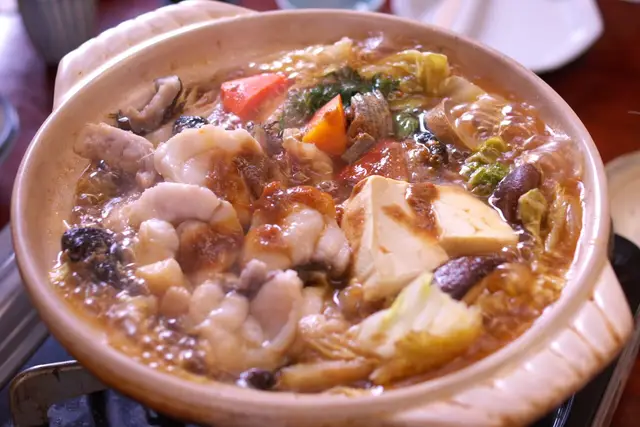
Ankou-nabe (monkfish hot pot)
あんこう鍋
Hot pot made with monkfish, a winter specialty of Ibaraki. Monkfish dishes are served around November to March.
- Known in
- All over Ibaraki
Seafood
Shirasu-don (whitebait rice bowl)
しらす丼
Rice bowl topped with raw or boiled whitebait. Ibaraki is among the top whitebait-catching prefectures in Japan.
- Known in
- All over Ibaraki
Seafood
Ibaraki seafood rice bowl (kaisen-don)
茨城の海鮮丼
Rice bowl topped with seasonal fish. Coastal towns each have a fish market where it can be eaten.
- Known in
- All over Ibaraki
Noodles
Hitachi-aki soba (buckwheat noodles)
常陸秋そば
Soba made from Ibaraki's Hitachi-aki buckwheat. It is also eaten dipped in tsuke-kenchin, a local vegetable soup.
- Known in
- All over Ibaraki
Seafood
Mehikari (greeneye fish, usually fried)
めひかり
Small deep-sea fish caught off Ibaraki most of the year, usually fried or tempura. Fattiest from about October to February.
- Known in
- All over Ibaraki
Meat
Hitachi-gyu (Ibaraki wagyu beef)
常陸牛
Ibaraki-raised black wagyu that meets a set grade. Known for lean, good-quality meat.
- Known in
- All over Ibaraki
“Find places serving it” opens a map app search for the dish name and the place name. The results are not chosen or recommended by this site. Please check with the shop whether it serves the dish.
Traditional home dishes of Ibaraki (30)Practical booking & planning links (Ad)
- Activities, tickets & local tours
- Popular observatories, museums and theme parks increasingly require timed-entry tickets booked in advance. For countryside spots with infrequent buses, a local day tour can save hours.
- KlookKKday
- Rental cars
- A rental car is practical when travelling straight from an airport or exploring rural areas with few trains. Request child seats, an ETC toll card, or winter snow tyres when booking.
- Klook
- Restaurant reservations & food tours
- Well-known dinner spots and course restaurants often fill up days ahead—reserving a table saves waiting in line. Guided local food tours are also a great way to try regional dishes.
- Klook
We list only well-established booking services. This site may receive a commission if you book through these links (each opens in a new tab).
Comment on whether your booking was helpful
Sources
Local food specialties
Each specialty was checked against an official page (prefecture, municipality, tourism association or JNTO) on 2026-11-17. The descriptions were written by this site.
- Ankou-nabe (monkfish hot pot): www.ibarakiguide.jp
- Shirasu-don (whitebait rice bowl): www.ibarakiguide.jp
- Ibaraki seafood rice bowl (kaisen-don): www.ibarakiguide.jp
- Hitachi-aki soba (buckwheat noodles): www.ibarakiguide.jp
- Mehikari (greeneye fish, usually fried): www.ibarakiguide.jp
- Hitachi-gyu (Ibaraki wagyu beef): www.ibarakiguide.jp
Photo and data credits
The hexagonal Rokkakudo hall on a rocky point jutting into the sea 小石川人晃 (CC BY-SA 4.0) / A clay pot of monkfish simmered with tofu and vegetables Yamaguchi Yoshiaki Camera location36° 19′ 21″ N, 140° 34′ 07.5″ E View this and (CC BY-SA 2.0). Cropped and resized.