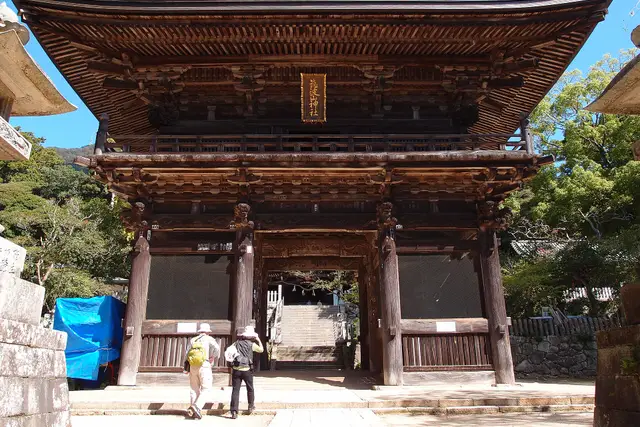
Area guides
7 areas in Ibaraki, with sights, suggested routes and ways to get around.
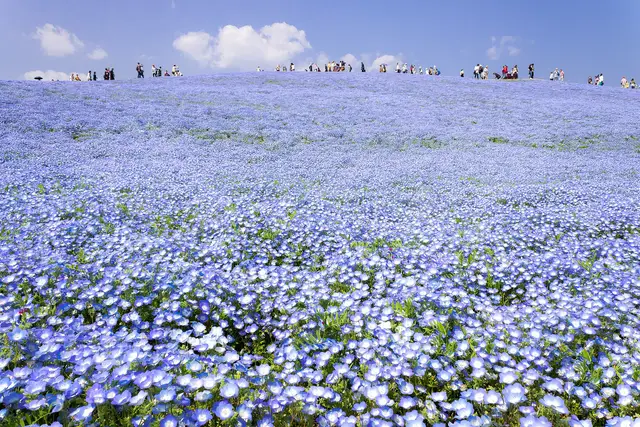
The old castle town of the Mito domain, home to Kairakuen, famed for plum blossoms, and the Kodokan school. Trains and buses reach the flower hills of Hitachi Seaside Park and the seaside shrines of Oarai.
Tsukuba
About 45 minutes from Akihabara on the Tsukuba Express. Ride a cable car or ropeway up twin-peaked Mt. Tsukuba, and visit the space center and free science museums of this research city.
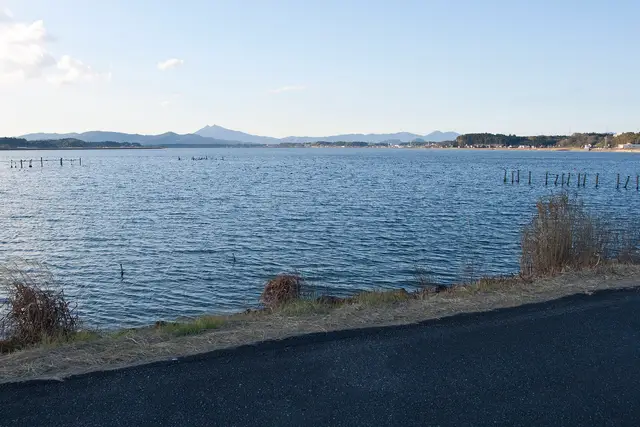
Tsuchiura and Lake Kasumigaura
An old castle town on the shore of Lake Kasumigaura. Rent a bike at the station to ride the Rinrin Road along the lake or toward Mt. Tsukuba, past fields of lotus root, the local specialty.
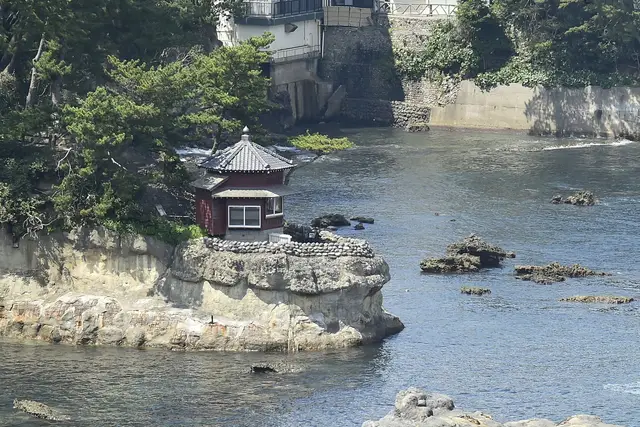
Hitachi, Takahagi and Kitaibaraki
Ibaraki's northern Pacific shore. See the sea-view Hitachi Station, cherry-lined Kamine Park and mountain Oiwa Shrine, then head north to the autumn colors of Hanakuki Gorge and the Rokkakudo on the Izura coast.
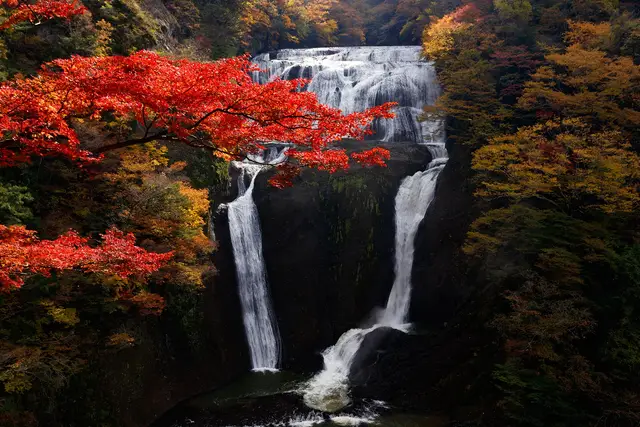
Okukuji, Daigo and Hitachi-Ota
Mountain towns on the upper Kuji River: Fukuroda Falls, the maple temple Eigenji and Tsukimachi Falls, which you can walk behind. To the south, Hitachi-Ota has the Ryujin Bridge and Mitsukuni's retreat, Nishiyama Goten.
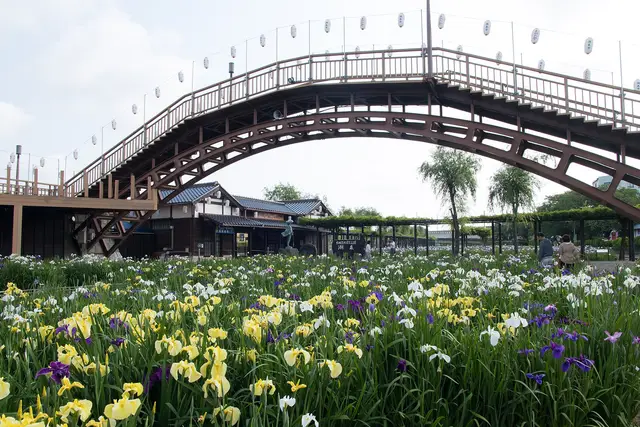
Kashima and Itako
The shrine town of Kashima Jingu, one of the three great shrines of eastern Japan. Find the Kaname-ishi deep in its forest and a torii in the lake, see irises and boats in watery Itako, or catch a Kashima Antlers match.
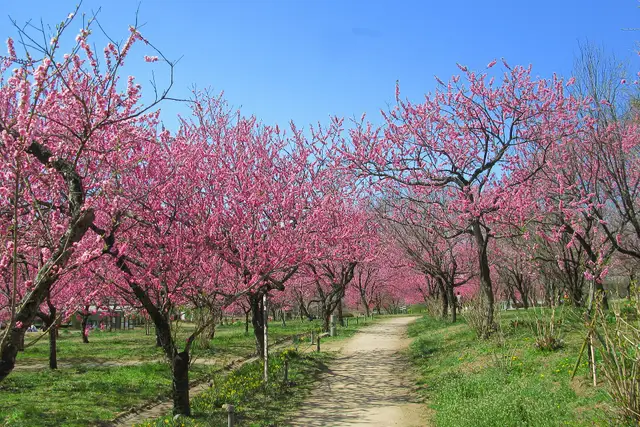
Koga and Yuki
A post town on the Nikko Kaido and old seat of the Koga Kubo lords. See the peach blossoms of Koga Kubo Park and the history museum, roam the Watarase wetlands, and meet hand-woven Yuki-tsumugi silk in nearby Yuki.
Upcoming events
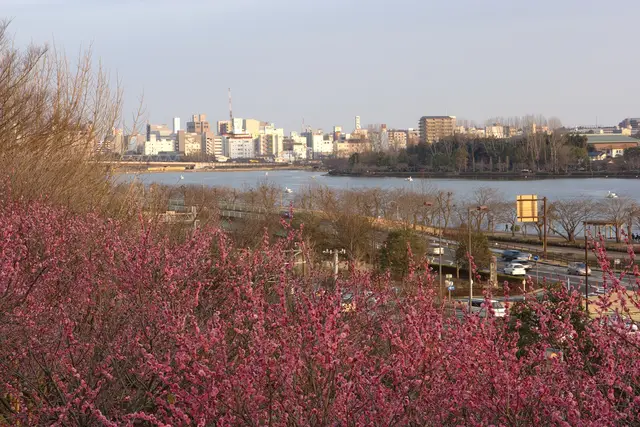
Autumn leaves & flowers
Thu, Feb 11 – Mon, Mar 22Until Mon, Mar 22
131st Mito Plum Blossom Festival
Kairakuen Garden and Kodokan, Mito · Kanto
Paid
Themes with places in Ibaraki
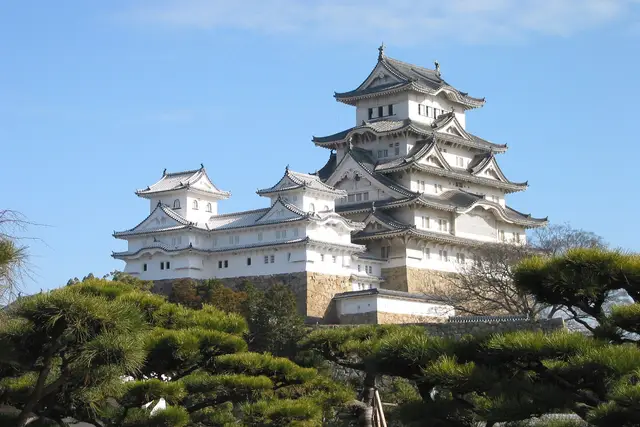
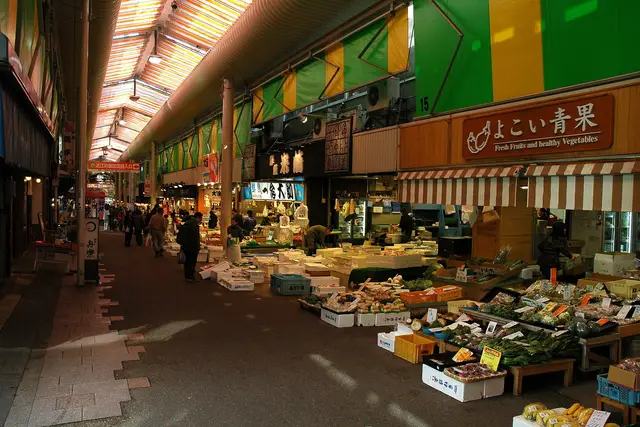
Anime, film and drama locations
Local food specialties
Foods introduced as local specialties of Ibaraki. They are listed by dish, not by shop, and are not recommendations.
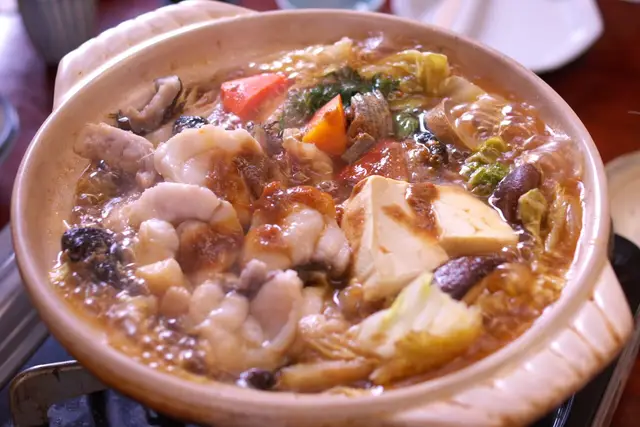
Hot pots & soups
Ankou-nabe (monkfish hot pot)
あんこう鍋
Hot pot made with monkfish, a winter specialty of Ibaraki. Monkfish dishes are served around November to March.
- Known in
- All over Ibaraki
Seafood
Shirasu-don (whitebait rice bowl)
しらす丼
Rice bowl topped with raw or boiled whitebait. Ibaraki is among the top whitebait-catching prefectures in Japan.
- Known in
- All over Ibaraki
Seafood
Ibaraki seafood rice bowl (kaisen-don)
茨城の海鮮丼
Rice bowl topped with seasonal fish. Coastal towns each have a fish market where it can be eaten.
- Known in
- All over Ibaraki
Noodles
Hitachi-aki soba (buckwheat noodles)
常陸秋そば
Soba made from Ibaraki's Hitachi-aki buckwheat. It is also eaten dipped in tsuke-kenchin, a local vegetable soup.
- Known in
- All over Ibaraki
Noodles
Stamina ramen (noodles with spicy liver and vegetable sauce)
スタミナラーメン
Ramen with a sweet-spicy sauce of liver, pumpkin and chives. Served hot or as chilled noodles with hot sauce.
- Known in
- Hitachinaka · Mito, Oarai and Hitachinaka guide
Seafood
Kashimanada hamaguri (large clams)
鹿島灘はまぐり
Large clams from the Kashimanada coast, eaten sake-steamed, in clear soup, grilled or in curry.
- Known in
- Kashimanada coast
Seafood
Mehikari (greeneye fish, usually fried)
めひかり
Small deep-sea fish caught off Ibaraki most of the year, usually fried or tempura. Fattiest from about October to February.
- Known in
- All over Ibaraki
Seafood
Shirauo (icefish) from Lake Kasumigaura
霞ヶ浦のシラウオ
Translucent icefish from Lake Kasumigaura, eaten as sashimi, kakiage, egg-simmered or tempura.
- Known in
- Lake Kasumigaura · Tsuchiura and Lake Kasumigaura guide
Meat
Hitachi-gyu (Ibaraki wagyu beef)
常陸牛
Ibaraki-raised black wagyu that meets a set grade. Known for lean, good-quality meat.
- Known in
- All over Ibaraki
“Find places serving it” opens a map app search for the dish name and the place name. The results are not chosen or recommended by this site. Please check with the shop whether it serves the dish.
Traditional home dishes of Ibaraki (30)Souvenirs
Local sweets and specialties of Ibaraki, and traditional crafts designated by the national government. Items are listed by type, not by shop or brand, and are not recommendations.
Local sweets and specialties
Food
Natto (fermented soybeans)
納豆
Fermented soybeans. Mito natto uses small soybeans and became known nationwide after being sold at Mito Station from 1889.
With rice
- Known in
- Mito
Food
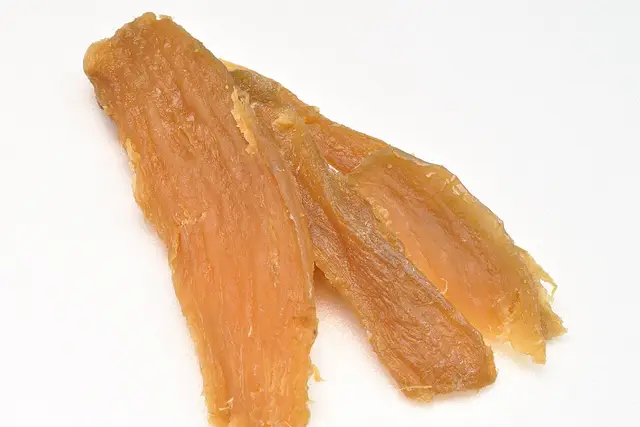
Hoshiimo (dried sweet potato)
干しいも
Sweet potato steamed, sliced and dried. Ibaraki makes about 90% of Japan's supply, mainly around Hitachinaka.
Snacks
Sweets
Kuri-gashi (chestnut sweets)
栗菓子
Sweets made with local chestnuts. Ibaraki leads Japan in chestnut acreage and shipments, and Kasama is a main growing area.
Sweets
- Known in
- Kasama
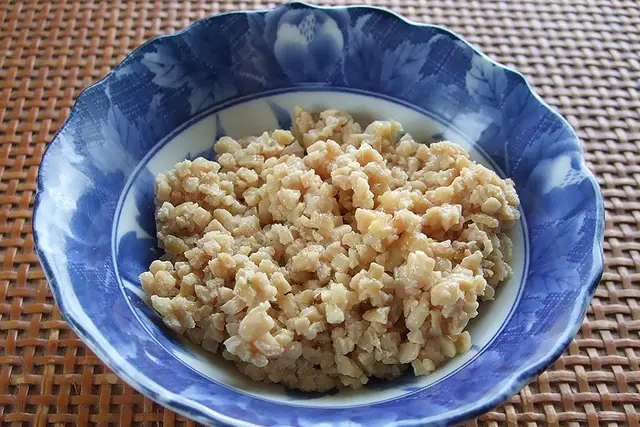
Food
Soboro natto (natto crumbles)
そぼろ納豆
A natto product registered as a tourism souvenir by Mito city.
With rice
- Known in
- Mito
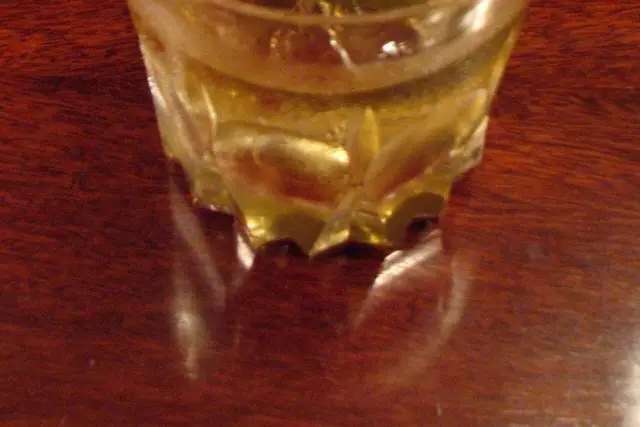
Food
Umeshu (plum liqueur)
梅酒
Plum liqueur made partly with plums from Kairakuen, registered as a Mito tourism souvenir.
Alcohol · Liquids
- Known in
- Mito
Food
Hitachi-aki soba (buckwheat)
常陸秋そば
Prefecture-brand buckwheat, praised as the finest unhulled buckwheat.
Noodles
Food
Mito tea (green tea)
水戸茶
Tea listed as a Mito tourism souvenir.
Tea & drinks
- Known in
- Mito
Sweets
Rakkasei mame-gashi (peanut bean confection)
落花生の豆菓子
Bean confection made from peanuts grown in Ryugasaki.
Sweets · Snacks
- Known in
- Ryugasaki City
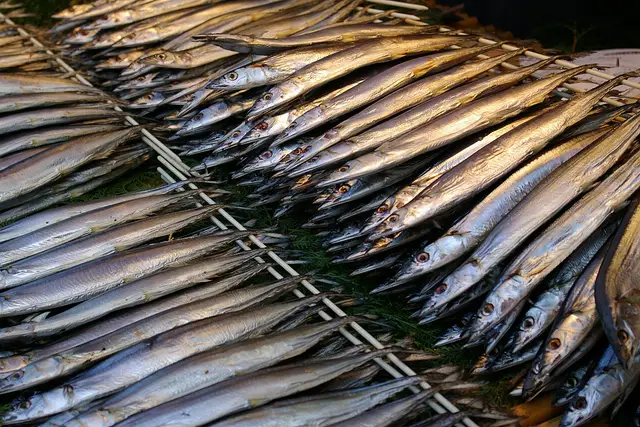
Food
Maruboshi (whole dried fish)
丸干し
Whole fish dried whole. Sold as a souvenir in Kashima City.
Seafood
- Known in
- Kashima City
Sweets
Melon sweets (melon bread and baked confections)
メロン菓子
Sweets made in Japan's top melon-producing prefecture, including melon bread and baumkuchen sold at local shops.
Sweets · Fruit
On international flights, liquids (sake, soy sauce, etc.) in containers over 100 ml cannot go in carry-on bags, except items bought after security. Pack them in checked baggage.
"Find shops" opens a map app search with the item name and place. The shops it shows are not chosen or recommended by this site.
Traditional crafts
3 traditional crafts of Ibaraki designated by Japan's Minister of Economy, Trade and Industry. Tap a name to read about it on KOGEI JAPAN, a site introducing traditional crafts.
結城紬 · Woven textiles
笠間焼 · Ceramics
真壁石燈籠 · Stonework
Getting there
Passes and deals for Kanto
- JR EAST PASSRail (regional)
- JR East-South Hokkaido Rail PassRail (regional)
- JR TOKYO Wide PassRail (regional)
- Hokuriku Arch PassRail (regional)
- NIKKO PASS WORLD HERITAGE AREARail (regional)
- N'EX TOKYO Round Trip TicketAirport to city
- Tokyo Subway TicketCity subway & bus
- Tokyo Metro 24-hour TicketCity subway & bus
- Hakone FreepassTransport + attractions
Practical booking & planning links (Ad)
- Activities, tickets & local tours
- Popular observatories, museums and theme parks increasingly require timed-entry tickets booked in advance. For countryside spots with infrequent buses, a local day tour can save hours.
- KlookKKday
- Rental cars
- A rental car is practical when travelling straight from an airport or exploring rural areas with few trains. Request child seats, an ETC toll card, or winter snow tyres when booking.
- Klook
- Restaurant reservations & food tours
- Well-known dinner spots and course restaurants often fill up days ahead—reserving a table saves waiting in line. Guided local food tours are also a great way to try regional dishes.
- Klook
We list only well-established booking services. This site may receive a commission if you book through these links (each opens in a new tab).
Comment on whether your booking was helpful
Sources
Souvenirs
Pages used to check local specialties: www.city.mito.lg.jp (1 2), www.pref.ibaraki.jp (1 2 3), www.city.ryugasaki.ibaraki.jp, www.city.kashima.ibaraki.jp, www.ibarakiguide.jp
Each item was checked as a local specialty against an official prefectural, municipal or tourism association page (checked 2026-11-18). Descriptions are written by this site.
Source: list of designated traditional crafts, Ministry of Economy, Trade and Industry (as of 2026-10-22), edited https://www.meti.go.jp/files/000006438.pdf
Local food specialties
Each specialty was checked against an official page (prefecture, municipality, tourism association or JNTO) on 2026-11-17. The descriptions were written by this site.
- Ankou-nabe (monkfish hot pot): www.ibarakiguide.jp
- Shirasu-don (whitebait rice bowl): www.ibarakiguide.jp
- Ibaraki seafood rice bowl (kaisen-don): www.ibarakiguide.jp
- Hitachi-aki soba (buckwheat noodles): www.ibarakiguide.jp
- Stamina ramen (noodles with spicy liver and vegetable sauce): www.ibarakiguide.jp
- Kashimanada hamaguri (large clams): www.ibarakiguide.jp
- Mehikari (greeneye fish, usually fried): www.ibarakiguide.jp
- Shirauo (icefish) from Lake Kasumigaura: www.ibarakiguide.jp
- Hitachi-gyu (Ibaraki wagyu beef): www.ibarakiguide.jp
Photo and data credits
The two-story gate of Tsukuba Shrine on Mount Tsukuba Guilhem Vellut from Annecy, France (CC BY 2.0) / Blue nemophila flowers covering the hill at Hitachi Seaside Park Kakidai (CC BY-SA 4.0) / Lake Kasumigaura stretching to distant mountains Σ64 (CC BY 3.0) / The hexagonal Rokkakudo hall on a rocky point jutting into the sea 小石川人晃 (CC BY-SA 4.0) / Fukuroda Falls cascading through a gorge of autumn foliage t.kunikuni (CC BY-SA 2.0) / Irises in bloom beside an arched wooden bridge at Itako Ayame Garden Σ64 (CC BY 4.0) / A path through blooming pink peach trees in Koga Park 京浜にけ (CC BY-SA 3.0) / The white keep of Himeji Castle Reggaeman (Public domain) / The covered arcade of Omicho Market, Kanazawa User: (WT-shared) Jpatokal at wts wikivoyage (CC BY-SA 4.0) / A clay pot of monkfish simmered with tofu and vegetables Yamaguchi Yoshiaki Camera location36° 19′ 21″ N, 140° 34′ 07.5″ E View this and (CC BY-SA 2.0) / Hoshiimo (dried sweet potato) Ocdp (CC0) / Soboro natto (natto crumbles) Muyo (CC BY-SA 3.0) / Umeshu (plum liqueur) Wikimedia Commons (CC BY-SA 3.0) / Maruboshi (whole dried fish) Tomomarusan (CC BY-SA 3.0). Cropped and resized.