규슈의 명물·향토 요리
돼지고기·닭고기 요리, 면, 겐카이나다와 아리아케해의 해산물. 해외와의 교류에서 생겨난 요리도 있습니다.
규슈의 명물 음식 65가지와 향토 요리 204가지입니다.
규슈에서 맛보고 싶은 명물
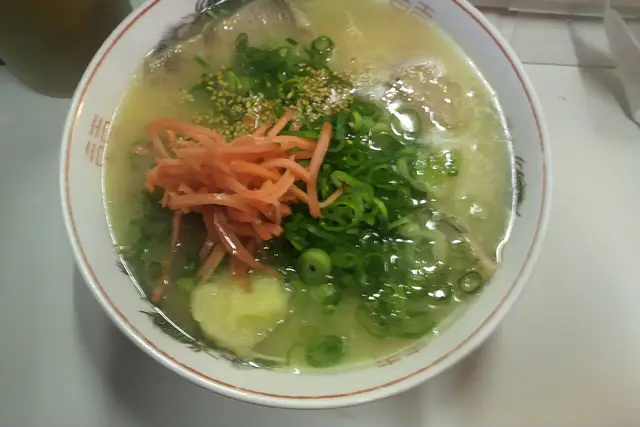 Hakata ramen (pork-bone broth with thin noodles)HakataRamen with milky pork-bone broth and thin straight noodles, also served at yatai stalls.
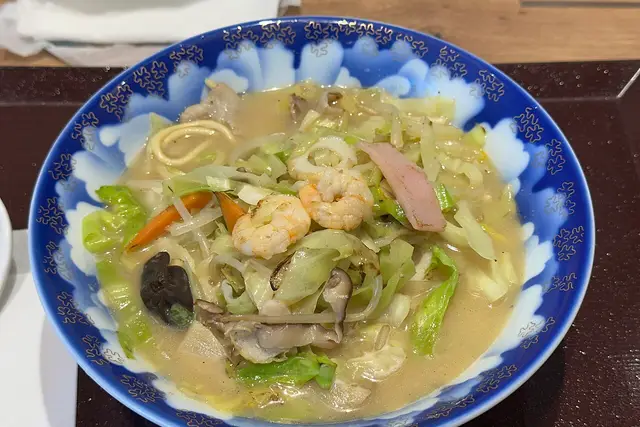 Nagasaki champon (noodles in rich soup with seafood and vegetables)Nagasaki City
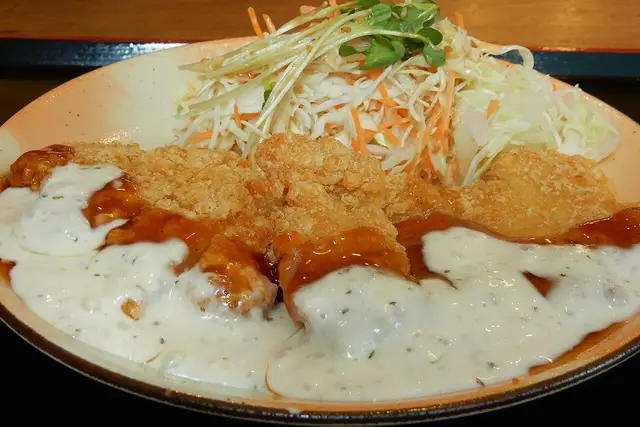 Chicken nanban (fried chicken in sweet vinegar sauce)Nobeoka
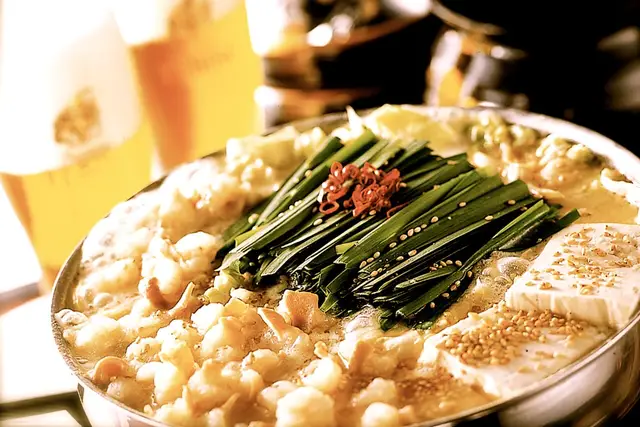 Hakata motsunabe (beef offal hot pot)Fukuoka City
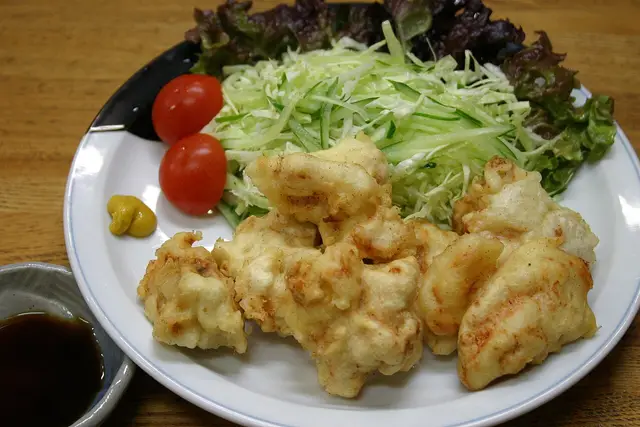 Toriten (tempura-battered fried chicken)Oita and Beppu
Saga
명물 7·향토 요리 25
명물 음식
그 지역에 가면 맛보고 싶은, 가게나 노점에서 먹을 수 있는 명물입니다.
Saga City밥・덮밥
Saga Sicilian rice (meat and raw vegetables over rice)
佐賀シシリアンライス
Rice topped with stir-fried meat, raw vegetables and mayonnaise, served at cafes in Saga City.
Yobuko, Karatsu해산물
Yobuko live squid sashimi (ika ikizukuri)
呼子のイカの活造り
Squid taken live from a tank and sliced to order; the translucent flesh is crunchy and sweet.
Ureshino Onsen전골・국물
Ureshino onsen yudofu (tofu simmered in hot-spring water)
嬉野温泉湯どうふ
Tofu simmered in Ureshino hot-spring water until it turns smooth and creamy, served at inns and restaurants.
Takezaki, Tara해산물
Takezaki crab (blue swimming crab from Tara)
竹崎かに
Swimming crab landed at Takezaki in Tara, served salt-boiled or as tempura, miso soup and rice porridge.
Tara해산물
Takezaki oysters (self-grill oyster huts)
竹崎カキのカキ小屋
Fresh oysters grilled yourself at roadside huts along Route 207 in winter.
Saga 각지고기
Saga beef (premium marbled wagyu)
佐賀牛
Black-haired wagyu raised in Saga graded 4 or above and BMS 7 or higher; served as steak or yakiniku.
Yobuko, Karatsu길거리 음식
Yobuko squid shumai (steamed squid dumplings)
呼子のいかしゅうまい
Shumai dumplings made with squid, eaten at Yobuko's morning market and shops.
향토 요리
가정과 지역에서 이어져 온 요리입니다. 가게에서 팔지 않는 것도 있습니다(일본 농림수산성 ‘うちの郷土料理’에서).
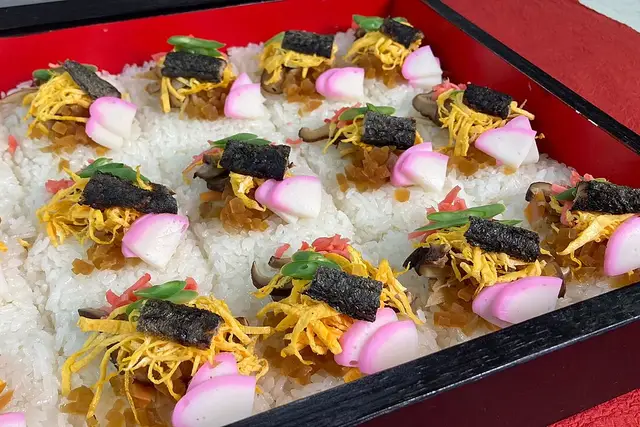 Shiraishi TownSuko-zushi須古ずし
Facing the Ariake Sea, Shiraishi Town boasts a rich natural landscape of mountains, plains, sea, and rivers.
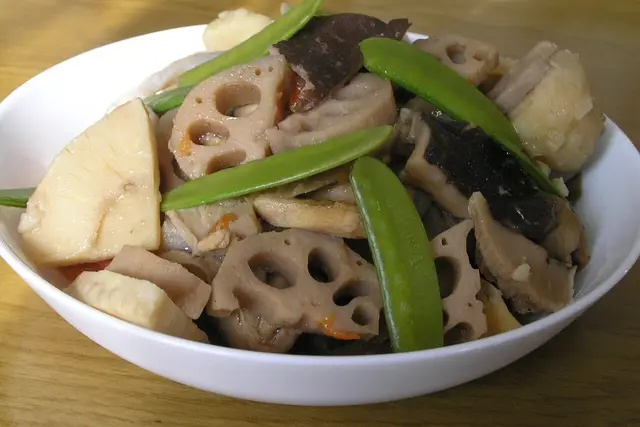 Throughout the prefectureGameni (chicken stew)がめ煮
Among the many regional dishes of Saga Prefecture, the standard is gameni chicken stew. The stew is called "chikuzenni chicken stew" nationwide.
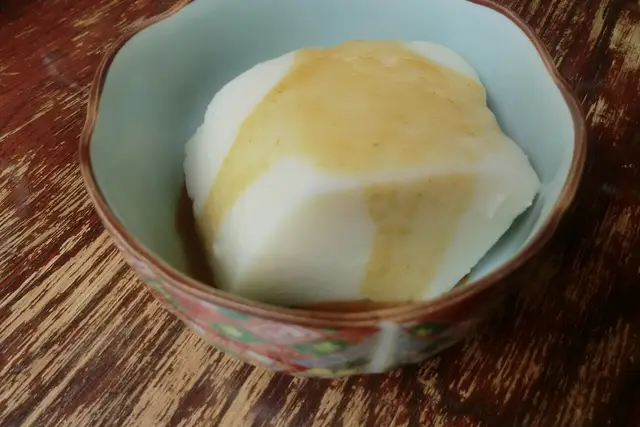 Arita TownKure Tofu with Sesame Soy Sauce呉豆腐のごま醤油かけ
Tofu made throughout Japan is formed by adding bittern to soy milk, but “Go Dofu", which is mainly from the town of Arita Town in Saga Prefecture, is characterized by the addition of kudzu, starch…
- Kashima City, all areasFunankoguiふなんこぐい
A famous local dish using crucian carp is "funankogui.
- All over the prefectureIka no kakeaeいかのかけ和え
Oroshi-namasu," "kakiage," or "nutaage," a dish made by dressing seafood with radish or wakame seaweed, is found all over Japan.
- All over the prefectureNiimojiにいもじ
At such times, a vinegared taro called "Niimoji" or "Niimoji no Vinegared Food" is very useful.
- Hamatama Town, Karatsu CityDabuだぶ
Dabu" is a local dish made with chicken and seasonal vegetables, and has been handed down from Saga Prefecture to Fukuoka Prefecture.
- Saga City, Ogi City, Kanzaki CityOcha gai(Cha gayu)お茶がい/茶がゆ
Ochagai" or "Ochagayu" is rice cooked with tea.
- Entire prefectureNoppe Jiruのっぺ汁
“Noppejiru” is a soup that has been passed down through families in Saga Prefecture, and is sometimes called “Noppeijiru” or “Nuppeijiru.”
- Saga prefecture, all regionsNigomi煮ごみ
The spectacle, known as “Imari Ton-ten-ton” begins at the sounding of the drum, and chestnut rice and nigomi are crucial Kunchi cuisine for the event.
- Ariake Sea coastal regionMutsugoro no Kabayaki (Broiled Mudskipper)むつごろうの蒲焼
“Mutsugoro no Kabayaki (broiled mutsugoro)” is a famous and delicious local cuisine, made by first lightly grilling the fish while still alive, and then cooked to a sweet and savory taste.
- The entire prefectureYudedagoゆでだご
”Yudedago” is a corrupted form of the term “yudedango” and refers to sweets made from wheat flour and brown sugar. It is sometimes called “flat dago.”
- The whole prefectureOyogoshiおよごし
Since then, a village festival called "Oyogoshi Matsuri" is held on February 19th to commemorate the village predecessors who had suffered from the disaster.
- The entire prefectureTsunkidagojiruつんきーだご汁
Both "flat dago" and "dagojiru", local dishes of Saga Prefecture, are made with "dago".
- Arita TownYuki no Tsuyuゆきのつゆ
The festival begins around 23時30分 on New Year's Eve and continues until around 02時00分 on New Year's Day, when "Yuki no Tsuyu," a local dish, is served.
- Ariake Sea CoastlineKuchizoko no Nitsuke(Simmered Sole fish)くちぞこの煮つけ
The Ariake Sea, which has Japan's highest tidal range and vast mud flats, is home to a variety of unique fish and shellfish, including “Mutsugoro", “Mekaja", “Sea mushrooms", and “Wrasses".
- All of Saga PrefectureKuri Okowa栗おこわ
“Kuri Okowa”, also known as “Kuri Kowai” and “Kowai”, is a traditional dish of Saga prefecture and served at local festivals and celebrations at home.
- Matsuume Area of Yamato-cho, Saga CityHoshigaki Namasu干し柿なます
Dried persimmons can be eaten as is,They can also be eaten for cooking, such as to make “Hoshigaki Namasu”.
- All of Saga PrefectureTugani Meshi (River Crab Rice)つがにめし
Saga Prefecture, which is blessed with the Ariake Sea and Genkai Sea, has many regional dishes that benefit from the abundance of seafood.
- Ariake Sea AreaShappa-no-Nitsuke (Simmered Mantis Shrimp)しゃっぱの煮つけ
The mantis shrimp, a crustacean that resembles a shrimp, is found throughout Japan from Hokkaido to Okinawa.
- Ariake RegionWarasubo no Misoshiru (Warasubo Miso Soup)わらすぼのみそ汁
When it comes to rare fish in the Ariake Sea, the mudskipper (known as "Mutsugorou") is famous, but alongside it is the Warasubo, which is exclusive to the Ariake Sea in Japan.
- Karatsu CityAra no Sugata-Ni (Simmered Whole Ara)あらの姿煮
The Karatsu Kunchi, which includes the "Hikiyama-Gyouji", 'Yama, Hoko, and Yatai' events, has been registered as a UNESCO Intangible Cultural Heritage.
- All of Saga prefectureFutsumochi (Mugwort Mochi)ふつもち
In Saga Prefecture, known for its thriving rice cultivation, both short-grain rice and glutinous rice are widely grown, boasting some of the highest production volumes in the country.
- All of Saga PrefectureOkomojino-aburaitame (Fried Okomoji with oil)おこもじの油炒め
The idea was to make it possible to eat old Okomoji even after they become old, and this dish is called "Okomoji no aburaitame".
- Kanzaki CityHiyashi-somen (cold somen noodle)冷やしそうめん
Cold somen noodles have long been eaten in Saga Prefecture.
‘먹을 수 있는 가게 찾기’는 요리 이름과 지명으로 지도 앱 검색을 엽니다. 검색에 나오는 가게는 이 사이트가 고르거나 추천한 것이 아닙니다. 그 요리가 있는지는 가게에 확인해 주세요.
출처
명물·향토 요리
출처: 농림수산성 ‘うちの郷土料理 (Our Regional Cuisines)’를 가공하여 작성 (2026-11-15 가져옴) https://www.maff.go.jp/e/policies/market/k_ryouri/index.html. 이름·전해지는 지역·재료는 원문 그대로이며, 설명은 원문의 일부입니다. 농림수산성의 사진은 쓰지 않았습니다(요리 사진은 Wikimedia Commons의 것입니다). 이 페이지는 농림수산성이 만든 것이 아닙니다. 요리 이름과 설명은 영어로 표시됩니다.
지역 명물 음식
명물 음식은 도도부현・시정촌・관광협회・JNTO 등의 공식 안내에서 그 지역의 명물임을 확인한 것입니다(2026-11-17 확인). 설명은 이 사이트에서 썼습니다.
- Saga Sicilian rice (meat and raw vegetables over rice): www.asobo-saga.jp
- Yobuko live squid sashimi (ika ikizukuri): www.asobo-saga.jp
- Ureshino onsen yudofu (tofu simmered in hot-spring water): www.asobo-saga.jp
- Takezaki crab (blue swimming crab from Tara): www.asobo-saga.jp
- Takezaki oysters (self-grill oyster huts): www.asobo-saga.jp
- Saga beef (premium marbled wagyu): www.asobo-saga.jp
- Yobuko squid shumai (steamed squid dumplings): www.asobo-saga.jp
사진·데이터 출처
Hakata ramen in milky pork-bone broth with red pickled ginger and green onions vigorous_action (CC BY-SA 3.0) / Nagasaki champon with shrimp, cabbage and other vegetables in a blue bowl ノボホショコロトソ (CC BY 4.0) / Chicken nanban covered with tartar sauce, with shredded cabbage Lombroso (CC BY-SA 4.0) / Hakata motsunabe hot pot with beef offal, garlic chives, chili and sesame 徳永涼 (CC BY-SA 3.0) / Plate of toriten (chicken tempura) with shredded cabbage and tomatoes Toritencat (Public domain) / Suko-zushi: pressed sushi squares topped with egg, fish cake and nori 農林水産省 (CC BY 4.0) / Bowl of gameni, simmered chicken with lotus root, bamboo shoot and snow peas 南無観自在 (CC BY-SA 4.0) / Kure tofu (go-dofu) topped with a sesame soy sauce in a small bowl Nissy-KITAQ (CC BY-SA 3.0). 잘라내고 축소했습니다.