Local specialties & regional dishes of Tohoku
Rice country, with hot pots, soups and preserved foods for the cold winters, and plenty of noodles such as soba.
53 local specialties and 176 regional dishes from Tohoku.
Specialties to taste in Tohoku
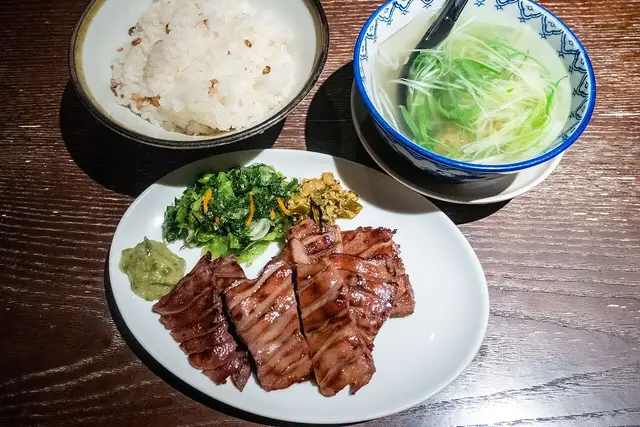 Gyutan-yaki (grilled beef tongue, Sendai specialty)SendaiSliced beef tongue grilled over a fire. The first specialty shop opened in Sendai in 1948, and about 100 now operate in the city.
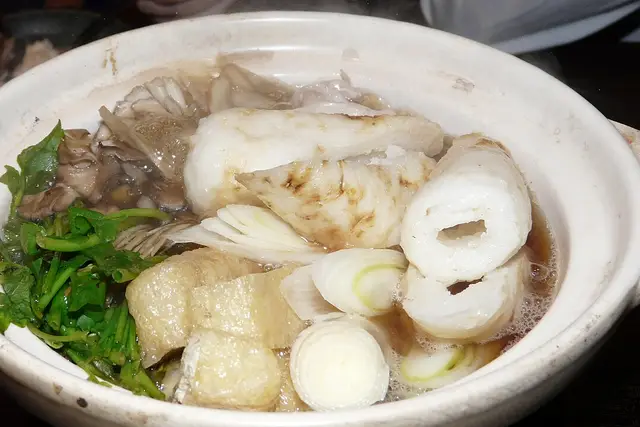 Kiritanpo nabe (hot pot with grilled rice sticks and Hinai chicken broth)Odate
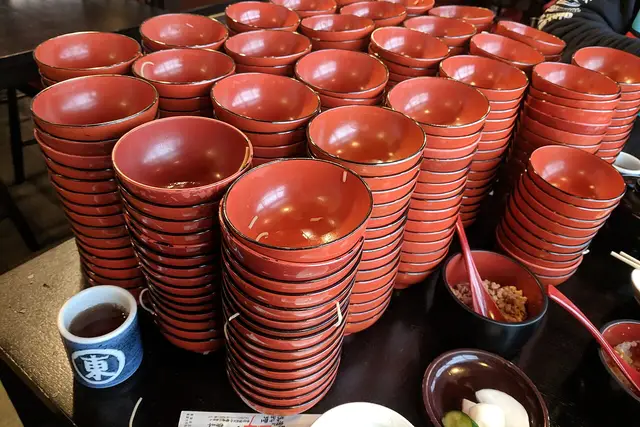 Wanko soba (bite-size soba refilled into your bowl until you stop)Morioka and Hanamaki
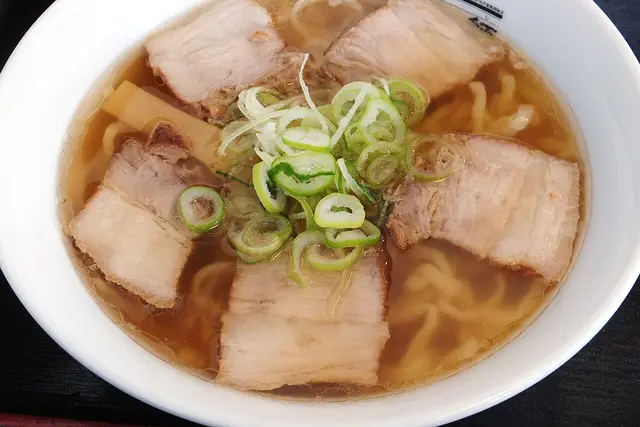 Kitakata ramen (soy ramen with thick curly noodles)Kitakata
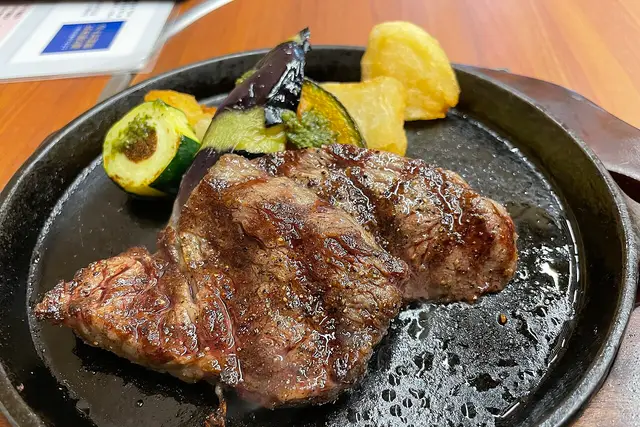 Yonezawa beef (premium marbled wagyu from the Okitama area)Yonezawa
Yamagata
10 specialties · 29 regional dishes
Yamagata travel guideSee all regional dishes of Yamagata (29)
Local specialties
Local specialties worth tasting when you visit, served at restaurants and food stalls.
YamagataHot pots & soups
Yamagata imoni (autumn taro and beef stew)
山形の芋煮
An autumn stew of taro, leeks, mushrooms and beef or pork. Soy-flavored beef in Murayama and Okitama; miso-flavored pork in Shonai.
KahokuNoodles
Tsumetai niku soba (cold soba with chicken broth sauce and sliced chicken)
冷たい肉そば
Firm country-style soba with a sweet-salty chicken-stock sauce, topped with chicken and chopped leek. A specialty of Kahoku.
All over YamagataNoodles
Ita soba (soba served in a shallow cedar box)
板そば
Soba served in a shallow cedar-wood box, a handy way to serve many people, which spread across Yamagata.
Yamagata and YamaderaStreet food
Tama konnyaku (skewered konjac balls simmered in soy dashi)
玉こんにゃく
Konjac balls simmered in soy-flavored dashi, skewered and eaten with mustard. Sold at festivals and roadside stations.
YamagataNoodles
Tsumetai ramen (chilled ramen in cold soy broth)
冷たいラーメン
Ramen with cold broth and noodles, sometimes with ice. Soy-flavored and not sweet-sour, with the noodles sitting in rich dashi broth.
YonezawaNoodles
Yonezawa ramen (light chicken and niboshi broth with hand-kneaded curly noodles)
米沢ラーメン
Ramen with a light chicken-bone and dried-sardine broth and thin hand-kneaded curly noodles.
YonezawaMeat
Yonezawa beef (premium marbled wagyu from the Okitama area)
米沢牛
Brand wagyu from the Okitama region, known for beautiful marbling and sweet fat.
SakataNoodles
Sakata ramen (seafood-broth ramen with homemade noodles)
酒田のラーメン
Ramen with a seafood stock of niboshi, flying fish and kelp blended with meat stock, plus homemade noodles. Certified as a 100-year food.
TsuruokaStreet food
Dadacha-mame (Tsuruoka's summer edamame)
だだちゃ豆
Tsuruoka's brown-haired edamame, boiled to bring out a nutty aroma and sweet, savory taste. In season in summer.
ShinjoNoodles
Shinjo torimotsu ramen (soy ramen topped with stewed chicken offal)
新庄のとりもつラーメン
Light soy-broth ramen topped with stewed chicken offal, eaten in Shinjo for many years.
Regional dishes
Dishes handed down at home and in the community. Some are not served at restaurants (from “Our Regional Cuisines” by Japan's Ministry of Agriculture, Forestry and Fisheries).
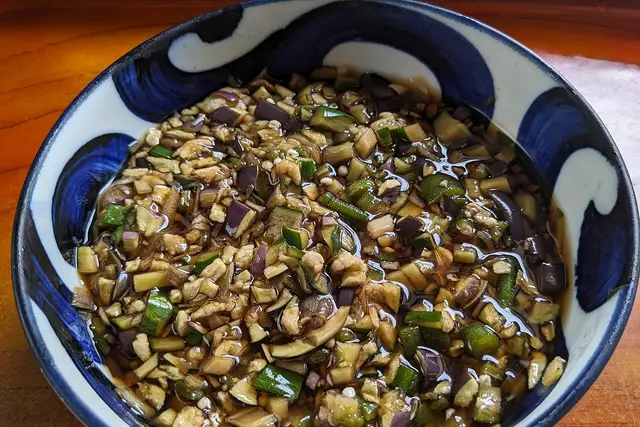 Murayama area, Okitama areaDashiだし
“Dashi" is made by chopping up and seasoning summer vegetables such as cucumbers and eggplants, which contain a lot of water, and savory vegetables such as green perilla and myoga (Japanese ginger)…
Main ingredients: Eggplant, cucumber, Japanese ginger, green perilla, soy sauce
- All over the prefectureTama Konnyaku(Ball-shaped konjac)玉こんにゃく
"Ball-shaped konjac", nicknamed Tamakon, is the soul food of the people of Yamagata Prefecture.
Main ingredients: Ball-shaped konjac, soy sauce, dried squid soup stock
- The whole prefectureImoni(taro soup)芋煮
“Imoni” (taro soup) is said to have originated in the mid-1600s.
Main ingredients: Taro, beef, konjac, green onions, (may include mushrooms, burdock root, etc.)
- Shonai areaDongara Jiru (cod soup)どんがら汁/寒鱈汁
“Dongara Jiru” (cod soup) is a local winter dish using Kandara. It was originally eaten by fishermen on the beach. It is characterized by the use of Kandara from head to tail without leaving anything.
Main ingredients: Cold cod (all internal organs), miso, green onions, seaweed
- The whole prefectureNatto Jiru(natto soup)納豆汁
In the Murayama area of Oe Town, fermented soybeans without strings are made into "Natto Jiru” (natto soup).
Main ingredients: Natto, tofu, fried tofu, edible wild plants, Imogara(made from dried stems of Karatori potatoes), konjac, mushrooms, onions, Japanese parsley, miso
- Shounai AreaMousou-jiru (Bambooshoot Soup)孟宗汁
"Mousou-jiru" is a local dish using "Mousou", a type of bamboo shoot.
Main ingredients: Mousou Bamboo Shoot, Thick fried tofu, Shiitake mushroom, Sake lees, Miso
- Okitama Region, Yonezawa CityHiyashiru冷や汁
Although the name “Hiyashiru” suggests soup, this is a boiled dish made by combining seasonal vegetables and cold dashi broth (soaking soup).
Main ingredients: Seasonal vegetables, Shimi konjac (freeze dried konjac), Uchi-mame(Soybeans simmered, flattened and dried), Hoshi-kaibashira (Dried scallop adductor muscle), Hoshi shiitake (Dried Shiitake mushroom)
- All of Yamagata PrefectureShio-Kujira-Jiru塩くじら汁
"Shio-Kujira-Jiru" (salted whale soup) is a traditional nourishing meal to survive the hot inland summers.
Main ingredients: New potatoes,“ Shio-Kujira”(=Salted Whale), Seasonal vegetables
- Yonezawa CityToyama Kabu no Kasu-jiru (Toyama Turnip Soup with Sake Lees)遠山かぶの粕汁
"Toyama Kabu no Kasu-jiru" is a soup with “Toyama Kabu” and “Uchimame,” an ingredient unique to snowy Yonezawa City.
Main ingredients: “Toyama-Kabu”(=turnip), “Uchimame”(=pounded soybeans), Various vegetables
- All of Yamagata PrefectureSasamaki笹巻き
“Sasamaki “is made by soaking and draining Glutinous rice, wrapping it in Bamboo leaves, tying a string around it, and boiling it in hot water. In other prefectures, it is also called "Chimaki.
Main ingredients: Glutinous rice, Bamboo grass leaves, Kinako(Roasted soybean flour), Sugar
- Mogami Area, Murayama AreaKujira-mochiくじら餅
Although it is called " Kujira-Mochi (whale cake)," it is not made with Whale meat. There are various theories as to the origin of the name.
Main ingredients: Rice flour, Sugar, Walnuts
- Murayama Region, Okitama RegionHyo-Boshi-no-Nimono/Hyo-Boshi-Niひょう干しの煮物/ひょう干し煮
The entire area of Yamagata Prefecture was designated as a heavy snowfall area, and in those days when distribution was poor, securing food for the winter was essential for survival.
Main ingredients: Hyo-Boshi(Dried Purslane), Konjac noodles, Carrot, Fried thin tofu
- Okitama Region, Yonezawa CityKoi-no-Umani鯉のうま煮
Koi-no-Umani is a local dish made by koi (=Carp) cut into round slices and simmering them in sugar, soy sauce, and sake. koi (=Carp) was once a valuable source of protein in inland rural areas.
Main ingredients: Koi (=Carp), Soy source, Mirin (Sweet Rice Wine), Sugar
- Okitama Region, Yonezawa CityUkogi no Kiri-Ae(Sliced and dressed araliad)うこぎの切り和え
"Ukogi(=Araliad)" has a unique flavor and bitterness, and is used to make "ukogi gohan (rice with ukogi)," "ukogi tempura," and "ukogi ohitashi (boiled ukogi)," in addition to "Ukogi no Kiri-Ae," a…
Main ingredients: Ukogi(=Araliad), Miso, Bonito flakes
- All of Yamagata PrefectureGrilled akebi stuffed with miso / Grilled akebi with oilあけびの味噌詰め焼き/あけびの油焼き
"Akebi(=Chocolate vine)" has a bittersweet flavor and is served in a variety of dishes such as grilled akebi stuffed with miso, simmered dishes, salad, tempura, and nuta-age.
Main ingredients: Akebi(=Chocolate vine), Maitake mushrooms, Shimeji mushrooms, Miso, Sugar
- Okitama RegionYukina no fusubezuke (Pickled yukina cabbage)雪菜のふすべ漬け
"Yukina no Fusubedzuke" is a pickled dish using yukina, a snow cabbage. Yukina is one of the Yamagata-Okitama traditional vegetables, a special vegetable of the Okitama region.
Main ingredients: Yukina cabbage, salt
- Murayama area, Mogami area, Okitama areaOmizukeおみ漬
"Omizuke" is a pickle made from a type of mustard green called "Yamagata seisai." Along with "seisaizuke," it is one of the representative pickles of Yamagata Prefecture.
Main ingredients: Yamagata seisai (greens), daikon radish, carrot, Jerusalem artichoke, perilla seeds (salted), soy sauce, granulated brown sugar
- All areas in Yamagata PrefectureSeisai-zuke (Pickled seisai mustard)青菜漬
Yamagata Prefecture is known for its diverse pickling culture, with "Seisai mustard pickles" being one of its most popular varieties.
Main ingredients: Yamagata seisai mustard, salt, soy sauce, sugar, sake, shochu
- Shonai regionHatahata no Yuage (Poached Japanese sandfish)ハタハタの湯上げ
Japanese sandfish are a scaleless, mild-flavored fish that are favored in the Shonai region as the taste of autumn. The sandfish come to the shores of Shonai around December to lay their eggs.
Main ingredients: Japanese sandfish, scallion, soy sauce
- Entire prefectureKarakaini (simmered dried stingray fin)からかい煮
"Karakai" is a dry food made by drying the cartilage of kasube (stingray) fins that are caught in Hokkaido.
Main ingredients: Karakai (dried stingray fin), soy sauce, sugar, mirin, sake
- Murayama area, Okitama areaJapanese saltwort in mustard dressingおかひじきのからし和え
The Japanese saltwort used in this dish was originally a wild plant that grew along the coast and came to be called okahijiki because it looks like hijiki, a seaweed.
Main ingredients: Japanese saltwort, hot pepper, soy sauce
- The whole prefectureOhitashi of edible chrysanthemums (boiled and eaten with soy sauce)食用ぎくのおひたし
In Yamagata Prefecture, the culture of eating this flower is still strong, and “Ohitashi of edible chrysanthemums” (boiled and eaten with soy sauce) is a typical example.
Main ingredients: Edible chrysanthemum, vinegar, soy sauce
- Shonai AreaTrout Ankake鱒のあんかけ
Trout Ankake is a springtime dish representative of the Shonai area. It is made from the most delicious of all trout, “Sakuramasu” or cherry trout.
Main ingredients: Trout, chives, ginger, salt, sugar, and kudzu flour.
- Shonai areaEgg agar/soy sauce agar卵寒天/醤油寒天
In the Shonai area, agar as a sweet dessert is mainstream, and the most popular one is "egg agar".
Main ingredients: Agar, egg, soy sauce, and sugar
- Yonezawa City (Okitama area and Murayama area)Kukitachihoshi no nimonoくきたち干しの煮物
Kukitachi-nimono" is a local dish using "kukitachi", a cruciferous vegetable.
Main ingredients: dried kukitatsuboshi, carrots, beans, konnyaku thread, deep-fried tofu, soy sauce, sugar
- Yonezawa CityShiobiki zushi塩引きずし
Salted sushi, a local delicacy for special occasions, originated in Yonezawa City.
Main ingredients: Salmon, sushi rice
- Northern part of the prefectureWarabi tatakiわらびたたき
Tataki" in "Warabi Tataki" refers to a method of cooking in which the strawbi is placed on a cutting board and beaten with a knife as if cutting it, thereby breaking the fibers of the strawbi into…
Main ingredients: Straw, miso, etc.
- Mogami areaUdo to komidaikon no donkoroniうどと凍み大根のどんころ煮
Frozen daikon" and "frozen rice cakes" are common preserved foods in the Tohoku region, and are made by taking advantage of the cold weather unique to the snow country.
Main ingredients: Udo (udo), frozen daikon radish, kipper, satsuma-age (fried fish cake), soy sauce, sake, sugar
- Shonai areaShoyu no miしょうゆの実
Shoyu-no-Mi" is a versatile seasoning made by fermenting soybeans, wheat (pressed barley is sometimes used), rice, and seed koji by adding salt water and letting it sit while stirring.
Main ingredients: Soybeans, wheat, rice, seed malt, salt
“Find places serving it” opens a map app search for the dish name and the place name. The results are not chosen or recommended by this site. Please check with the shop whether it serves the dish.
Sources
Local specialties & regional dishes
Source: “Our Regional Cuisines” (Ministry of Agriculture, Forestry and Fisheries), edited by this site (imported 2026-11-15) https://www.maff.go.jp/e/policies/market/k_ryouri/index.html. Names, areas and ingredients are as written on the source pages; descriptions are excerpts of the original text. No photos from the ministry are used (dish photos are from Wikimedia Commons). This page is not made or endorsed by the ministry.
Local food specialties
Each specialty was checked against an official page (prefecture, municipality, tourism association or JNTO) on 2026-11-17. The descriptions were written by this site.
- Yamagata imoni (autumn taro and beef stew): yamagatakanko.com
- Tsumetai niku soba (cold soba with chicken broth sauce and sliced chicken): yamagatakanko.com
- Ita soba (soba served in a shallow cedar box): yamagatakanko.com
- Tama konnyaku (skewered konjac balls simmered in soy dashi): yamagatakanko.com
- Tsumetai ramen (chilled ramen in cold soy broth): yamagatakanko.com
- Yonezawa ramen (light chicken and niboshi broth with hand-kneaded curly noodles): yamagatakanko.com
- Yonezawa beef (premium marbled wagyu from the Okitama area): yamagatakanko.com
- Sakata ramen (seafood-broth ramen with homemade noodles): yamagatakanko.com
- Dadacha-mame (Tsuruoka's summer edamame): www.tsuruokakanko.com
- Shinjo torimotsu ramen (soy ramen topped with stewed chicken offal): yamagatakanko.com
Photo and data credits
Grilled beef tongue set with barley rice and oxtail soup くろふね (CC BY 4.0) / Kiritanpo hot pot with grilled rice sticks, maitake and seri greens Chensiyuan (CC BY-SA 4.0) / Tall stacks of empty wanko soba bowls on the table Koltonsmith (CC BY-SA 4.0) / Kitakata ramen in clear soy broth topped with chashu and green onion Lombroso (CC BY-SA 4.0) / Yonezawa beef steak on a sizzling iron plate with grilled vegetables Totti (CC BY-SA 4.0) / Tama konnyaku, soy-simmered konjac balls on a skewer No machine-readable author provided. J8takagi assumed (based on copyright claims (Public domain) / Yamagata dashi: finely chopped eggplant, cucumber and herbs タクナワン (CC BY-SA 4.0). Cropped and resized.