Local specialties & regional dishes of Tohoku
Rice country, with hot pots, soups and preserved foods for the cold winters, and plenty of noodles such as soba.
53 local specialties and 176 regional dishes from Tohoku.
Specialties to taste in Tohoku
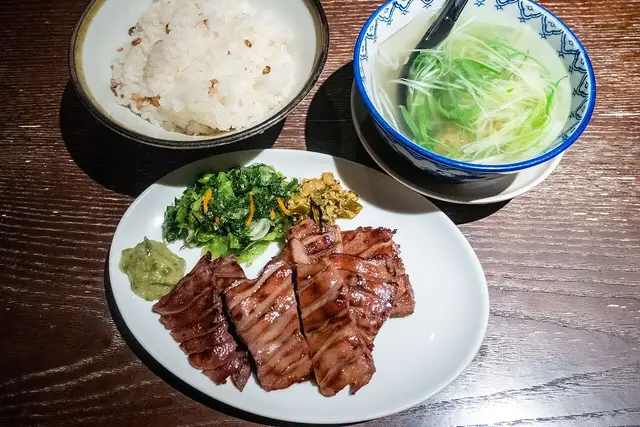 Gyutan-yaki (grilled beef tongue, Sendai specialty)SendaiSliced beef tongue grilled over a fire. The first specialty shop opened in Sendai in 1948, and about 100 now operate in the city.
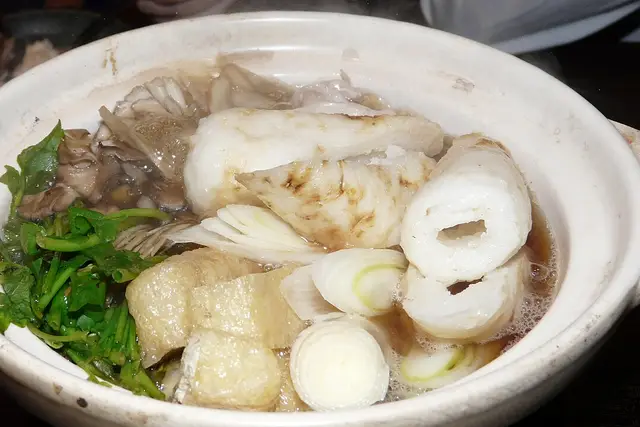 Kiritanpo nabe (hot pot with grilled rice sticks and Hinai chicken broth)Odate
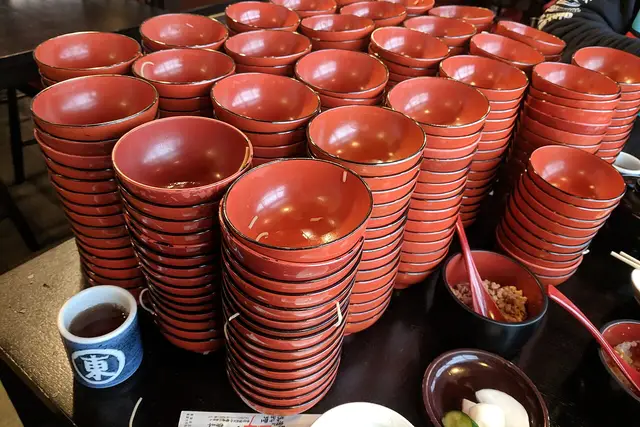 Wanko soba (bite-size soba refilled into your bowl until you stop)Morioka and Hanamaki
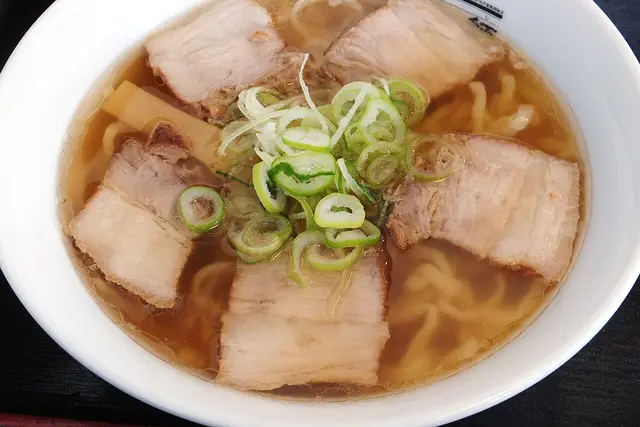 Kitakata ramen (soy ramen with thick curly noodles)Kitakata
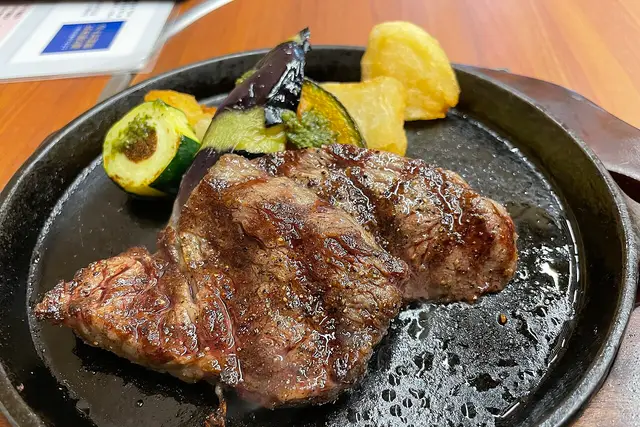 Yonezawa beef (premium marbled wagyu from the Okitama area)Yonezawa
Iwate
8 specialties · 30 regional dishes
Local specialties
Local specialties worth tasting when you visit, served at restaurants and food stalls.
MoriokaNoodles
Morioka reimen (chewy cold noodles in beef broth with kimchi)
盛岡冷麺
Chewy cold noodles in a chilled beef and chicken broth with spicy kimchi. About 30 shops in Morioka serve it.
MoriokaNoodles
Morioka jajamen (noodles topped with meat miso, cucumber and scallion)
盛岡じゃじゃ麺
Boiled noodles topped with meat miso, cucumber and scallion, mixed at the table. Leftover sauce can be turned into egg soup (chi-tan-tan).
Morioka and HanamakiNoodles
Wanko soba (bite-size soba refilled into your bowl until you stop)
わんこそば
Servers keep dropping small portions of soba into your bowl. It comes from a hospitality custom in Morioka and Hanamaki.
TonoMeat
Tono jingisukan (grilled lamb, often cooked on a bucket grill)
遠野ジンギスカン
Grilled lamb widely eaten in Tono. Some cook it on a tin-bucket stove, called bucket jingisukan, at festivals and outings.
KamaishiNoodles
Kamaishi ramen (clear amber soup with very thin curly noodles)
釜石ラーメン
Ramen with a clear amber soup and very thin curly noodles. Served at Chinese restaurants, diners and soba shops.
MiyakoSeafood
Bin-don (seafood in a milk bottle poured over rice)
瓶ドン
A rice bowl where seasonal Miyako seafood packed in a milk bottle is poured over rice. Served at several shops in Miyako.
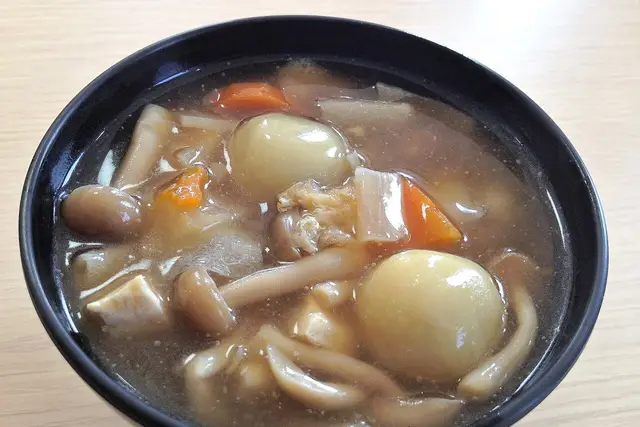
KujiHot pots & soups
Mamebu (dumplings with walnut and brown sugar in soup)
まめぶ汁
Soup with wheat dumplings filled with walnut and brown sugar. A local dish of Yamagata, Kuji City.
IchinosekiJapanese cuisine
Ichinoseki mochi dishes (set meals of freshly pounded rice cakes)
一関のもち料理
A local Ichinoseki custom of enjoying many kinds of freshly pounded rice cake, served as set meals at restaurants in the city.
Regional dishes
Dishes handed down at home and in the community. Some are not served at restaurants (from “Our Regional Cuisines” by Japan's Ministry of Agriculture, Forestry and Fisheries).
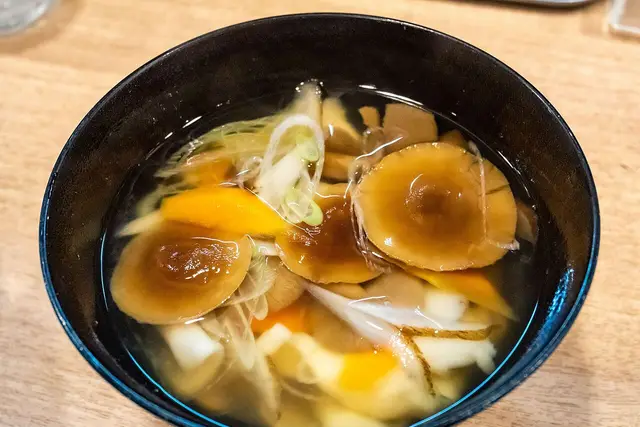 All over the prefecture, with a focus on the central part of the prefectureHittsumi jiru(Hittsumi soup)ひっつみ/ひっつみ汁
The central region of the prefecture has a lot of flat land in the Kitakami River basin, which has long been open to rice paddies, and the scale of rice production has been large.
Main ingredients: Flour, seasonal vegetables such as root vegetables, river fish, river crabs, chicken, mushrooms, etc. depending on the region
- Yamagata-cho, Kuji CityMamebujiruまめぶ汁
Mamebu-jiru" is a local dish of Yamagata-machi, Kuji City (former Yamagata Village), in which ingredients such as familiar vegetables and baked tofu are simmered in a soy sauce-based soup flavored…
Main ingredients: Flour, walnuts, carrots, burdocks and other vegetables, baked tofu, dried gourd, soy sauce
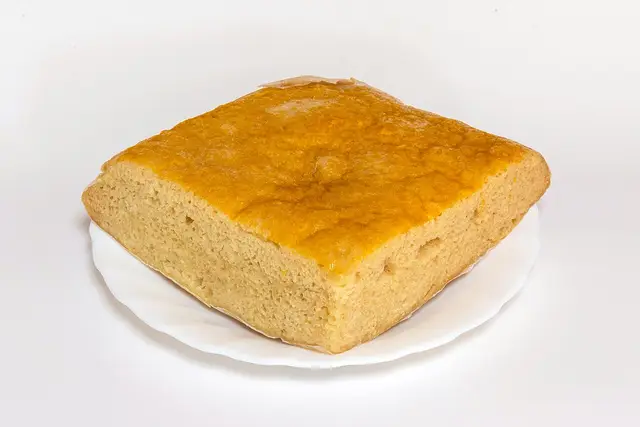 Southern part of the prefectureGanzukiがんづき
Ganzuki" is a sweet eaten throughout the prefecture, especially in the southern part of the prefecture.
Main ingredients: Flour, sugar, baking soda, vinegar, walnuts, sesame seeds
- Central part of the prefecture (Morioka City, Hanamaki City, Shiwa Town, Tono City, etc.)Kirisenshoきりせんしょ
The origin of the name "Kirisensho" is said to come from the fact that in the old days, the powder was kneaded with the juice soaked in chopped sansho (Japanese pepper), which was called…
Main ingredients: rice flour, walnuts, sesame, sugar, soy sauce
- Sanriku Coastal AreaSukikonbu no nimonoすき昆布の煮物
Sukikombu" is made by boiling young kelp from the Sanriku coast, cutting it into thin strips, and drying it into boards.
Main ingredients: Sukikonbu, carrots, deep-fried tofu, dried shiitake mushrooms, soy sauce
- The southern region of the prefecture around Ichinoseki CityTraditional Mochi Rice Cake Dishes伝統餅料理
The southern region of the prefecture has a comparatively warm climate, and has long produced primarily rice, which could be cultivated reliably.
Main ingredients: Mochi rice cakes, azuki (red beans), sesame, walnuts, anko (sweet bean paste), zunda (mashed green soybeans), natto, and more
- Northern RegionYanagi-batto柳ばっと
The cool climate of Northern Iwate makes it difficult to grow rice, which has led to the continued production of cereals that grow well in harsh environments, such as Japanese millet, foxtail…
Main ingredients: Buckwheat Flour, Firm Tofu, Carrot, Daikon Radish, Burdock Root, Shimeji Mushroom
- Northern regionMame-shitogi豆しとぎ
Mame-shitogi is a fresh sweet made by kneading boiled and ground green soybeans with rice flour and sugar. “Shitogi” means “to grind,” and normally, it refers to food offerings made with rice flour.
Main ingredients: Green soybeans, rice flour, sugar, and salt
- Prefectural southern regionKahou Dango果報だんご
Kahou dango (rice dumpling) is a confectionery dish offered on December 24th (November 24th in Japan's lunisolar calendar) for a folk event called "Daishiko."
Main ingredients: rice flour(non-glutinous rice flour), glutinous rice flour, wood pieces from the Hagi plant, Azuki beans, sugar, salt
- Throughout the entire prefectureNishime煮しめ
Nishime is a traditional dish prepared throughout the entire prefecture during weddings, funerals, New Year's, O-Bon (Festival of the Dead), and other gatherings.
Main ingredients: Grilled tofu, carrots, shiitake mushrooms, kelp, wild vegetables, dried and sliced herring, etc.
- Morioka City and the central region of the prefectureOchamochiお茶もち
"Ochamochi" is a mochi confectionery made by skewering two or three dango made from rice flour, crushing them thinly, seasoning them with walnut sauce (soy sauce or miso flavor), and grilling them.
Main ingredients: rice flour, walnuts, soy sauce, and mirin
- The Sanriku coastal area and the central region of the prefectureHizunamasu氷頭なます
"Hizunamasu" is made by turning the "hizu" into "namasu" and is a vinegared dish that is an essential New Year's dish.
Main ingredients: Salmon head, daikon radish, carrot, vinegar, and salt
- Kitakami River basinImonoko-jiru (Taro stew)いもの子汁
"Imo no kojiru" is a soup dish that is prepared by stewing taro, along with carrots, radishes, burdocks, mushrooms, konjac noodles, tofu, chicken, and other ingredients that are cut into bite-sized…
Main ingredients: taro, chicken, tofu, daikon (radish), carrot, burdock root, soup stock, soy sauce
- Northern Parts of Iwate PrefectureHechoko Dango/Uki Uki Dangoへっちょこだんご/うきうきだんご
The “Hechoko Dango” is made with millets such as sorghum flour, glutinous millet flour and sticky millet flour.
Main ingredients: Sorghum flour, glutinous millet flour, sticky millet flour, azuki beans, sugar, salt
- All of Iwate PrefectureKamamochiかまもち
“Kamamochi” is one of such dishes. “Kamamochi” is made by creating a sweet paste using miso, brown sugar and walnuts and wrapping the paste in a flour dough.
Main ingredients: Wheat flour, brown sugar, miso, walnuts
- Northern Parts of Iwate PrefectureSoba Kakkeそばかっけ
“Soba Kakke” is a traditional dish born during the rule of the Nanbu clan. Buckwheat flour is kneaded and flattened, then cut into small triangles.
Main ingredients: Buckwheat flour, wheat flour, walnuts, soy sauce, mirin (=sweet rice wine)
- Center of the PrefectureHina Manju (Spring Steamed Bun)ひなまんじゅう
"Hina Manju" is also called "Hana Manju" or "Hana Dango", and made from rice flour stuffed with red bean paste, then shaped like flowers, peaches, leave or rabbits.
Main ingredients: Short-grain rice flour, Glutinous rice flour, Sugar, Koshi an(= smooth red bean paste), Katakuriko (=potato starch), Red food coloring
- Sanriku Coast AreaSamma no Surimi Jiru (Pacific Saury Fish Ball Soup)さんまのすり身汁
The amount of saury catches, however, is decreasing these days. ‘Samma no Surimi Jiru’ is a soup with pacific saury fish ball. You will enjoy simple flavor of seasonings and saury.
Main ingredients: Pacific saury, Daikon radish, Carrot, Tofu, Green onion, Egg, Miso, Soy sauce
- Central RegionUkogi no Horohoroうこぎのほろほろ
Actually, it is very nutritious, and has plenty of polyphenol, fiber, calcium, vitamin C, etc., and it was found that it works for anti-acidification, lowering blood sugar level, lowering…
Main ingredients: ‘Ukogi’ (aralia), Daikon radish pickled with miso, Walnuts
- Sanriku Coast RegionAzuki Battou (Noodle with Red Beans)小豆ばっとう
‘Azuki Battou’ is a dish simmered wide and short ‘udon’ noodle in sweet red bean soup, and mainly eaten in Sanriku Coast region.
Main ingredients: Wheat flour, Red beans, ‘Zarame’ (=crystal sugar)
- Northern RegionTofu Dengaku豆腐田楽
Tofu is still eaten a lot in Iwate Prefecture, and the consumption of tofu per home is high in the prefecture. ‘Tofu Dengaku’ is a dish of grilled firm tofu cut into rectangular and skewered with…
Main ingredients: Tofu, Miso, Garlic, Sake
- Morioka CityUsuyakiうす焼き
Sold at stalls during festivals and New Year's visits to Hachiman-gu Shrine, “Sasaki's Usuyaki” is especially famous.
Main ingredients: Wheat flour, Red ginger, Green onion, “Sakura” shrimp, “Nori”(sea weed), Green onion, “Tenkasu”(crunchy tempura flakes)
- Sanriku Coast AreaDonko-jiruどんこ汁
On October 20th of the lunar calendar, "donko-jiru" with the tail and head of the fish attached is served to the gods to pray for a bountiful fishing season.
Main ingredients: “Donko” (=Dark sleeper), Daikon radish, Carrot, Tofu, Potato, Japanese leek, Miso
- Northern AreasKenchin-jiruけんちん汁
"Kenchin-jiru" is a soup flavored with soy sauce and made with finely cut carrot, daikon radish, gobou (burdock root) and other vegetables which are stir fried with tofu.
Main ingredients: Carrot, Daikon radish, Gobou(=Burdock root), Konjac(=Yam cake), Mushroom, Sansai(=Wild mountain vegetable), Tofu, Japanese leek, Soy sauce
- Areas surrounding Ou Mountains and Kitakami MountainsMizu-tataki / Tororoみずたたき(とろろ)
“Mizu-tataki” is made by tapping and chopping the red root part of “mizu” (=wild nettle) and seasoning it with miso and soy sauce.
Main ingredients: “Mizu” (=wild nettle), Miso, Mirin (=sweet rice wine), Soy sauce, Sugar, Seaweed, Japanese leek
- Sanriku Coast AreaTennen Hoya no Sunomono天然ほやの酢の物
"Hoya" (=Sea Squirt) is called ‘Pineapple in the sea’, and is known as a food contains all five tastes; sweetness, sourness, saltiness, "umami" (=savoriness) and bitterness.
Main ingredients: "Hoya" (=Sea squirt), Cucumber, Salt
- Oushu City Esashi RegionKurumi-dofuくるみ豆腐
"Kurumi-dofu" is made with strained walnut after crushed, water and sugar and set by kudzu (arrowroot) starch.
Main ingredients: Walnut, Sugar, Kudzu (Arrowroot) starch, Miso, Ginger juice, Sake
- Northern Areas, Ouu area,Kitakami mountain range areaShidami-dangoしだみだんご
"Shidami" refers to acorns, and "Shidami-dango" can be made by adding sugar to "Shidami" and forming them into dumplings, or by making "Shidami" into paste and wrapping them in a dough kneaded from…
Main ingredients: Wheat flour, "Shidami-an( acorn paste)", Brown sugar, Sugar, Salt,
- Northern Sanriku Coastal AreaKurumi-zouniくるみ雑煮
"Kurumi-zouni" is also called "Kurumi-mochi (rice cake with walnuts sauce)" and is a typical dish eaten on the morning of New Year's Day in the Miyako region along the Sanriku coast.
Main ingredients: Carrot, Daikon radish, Gobou(=Burdock root) , Shiitake mushrooms, Grilled tofu, Soy sauce, Mochi (=rice cake), Walnuts, Sugar,
- All of Iwate PrefectureNuppei-jiru/Hachihai-jiruぬっぺい汁/八杯汁
"Hachihai-jiru" is a dish consisting of tofu, dried shiitake mushrooms, and green onions in a soy sauce-flavored dashi (Japanese soup stock), thickened with katakuriko (potato starch).
Main ingredients: Tofu, Dried shiitake mushrooms, Green onions, Soy sauce, Salt, "Naga-imo(=mountain yam)", Katakuriko(=potato starch)
“Find places serving it” opens a map app search for the dish name and the place name. The results are not chosen or recommended by this site. Please check with the shop whether it serves the dish.
Sources
Local specialties & regional dishes
Source: “Our Regional Cuisines” (Ministry of Agriculture, Forestry and Fisheries), edited by this site (imported 2026-11-15) https://www.maff.go.jp/e/policies/market/k_ryouri/index.html. Names, areas and ingredients are as written on the source pages; descriptions are excerpts of the original text. No photos from the ministry are used (dish photos are from Wikimedia Commons). This page is not made or endorsed by the ministry.
Local food specialties
Each specialty was checked against an official page (prefecture, municipality, tourism association or JNTO) on 2026-11-17. The descriptions were written by this site.
- Morioka reimen (chewy cold noodles in beef broth with kimchi): iwatetabi.jp
- Morioka jajamen (noodles topped with meat miso, cucumber and scallion): iwatetabi.jp
- Wanko soba (bite-size soba refilled into your bowl until you stop): iwatetabi.jp
- Tono jingisukan (grilled lamb, often cooked on a bucket grill): tonojikan.jp
- Kamaishi ramen (clear amber soup with very thin curly noodles): iwatetabi.jp
- Bin-don (seafood in a milk bottle poured over rice): iwatetabi.jp
- Mamebu (dumplings with walnut and brown sugar in soup): iwatetabi.jp
- Ichinoseki mochi dishes (set meals of freshly pounded rice cakes): www.ichitabi.jp
Photo and data credits
Grilled beef tongue set with barley rice and oxtail soup くろふね (CC BY 4.0) / Kiritanpo hot pot with grilled rice sticks, maitake and seri greens Chensiyuan (CC BY-SA 4.0) / Tall stacks of empty wanko soba bowls on the table Koltonsmith (CC BY-SA 4.0) / Kitakata ramen in clear soy broth topped with chashu and green onion Lombroso (CC BY-SA 4.0) / Yonezawa beef steak on a sizzling iron plate with grilled vegetables Totti (CC BY-SA 4.0) / Mamebu-jiru with round dumplings, mushrooms and vegetables Datemasa (CC BY 3.0) / Hittsumi soup with torn wheat dough, mushrooms and vegetables くろふね (CC BY 4.0) / Ganzuki, a square steamed brown-sugar cake, on a white plate Yasu (talk) (CC BY-SA 3.0). Cropped and resized.