간토의 명물·향토 요리
에도 시대부터 이어진 도쿄의 요리와, 바다와 산에 가까운 주변 현의 명물.
간토의 명물 음식 59가지와 향토 요리 197가지입니다.
간토에서 맛보고 싶은 명물
Ibaraki
명물 9·향토 요리 30
명물 음식
그 지역에 가면 맛보고 싶은, 가게나 노점에서 먹을 수 있는 명물입니다.
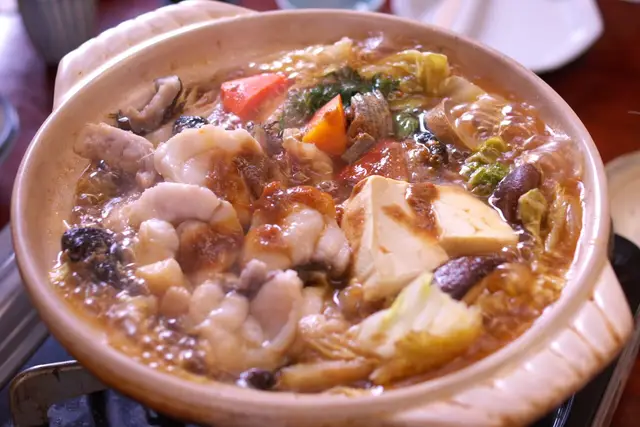
Ibaraki 각지전골・국물
Ankou-nabe (monkfish hot pot)
あんこう鍋
Hot pot made with monkfish, a winter specialty of Ibaraki. Monkfish dishes are served around November to March.
Ibaraki 각지해산물
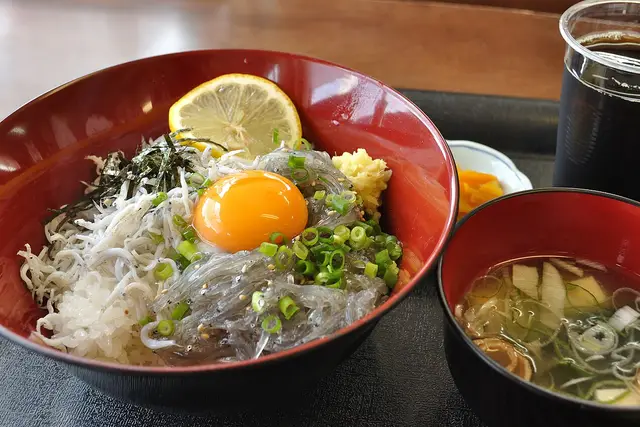
Shirasu-don (whitebait rice bowl)
しらす丼
Rice bowl topped with raw or boiled whitebait. Ibaraki is among the top whitebait-catching prefectures in Japan.
Ibaraki 각지해산물
Ibaraki seafood rice bowl (kaisen-don)
茨城の海鮮丼
Rice bowl topped with seasonal fish. Coastal towns each have a fish market where it can be eaten.
Ibaraki 각지면
Hitachi-aki soba (buckwheat noodles)
常陸秋そば
Soba made from Ibaraki's Hitachi-aki buckwheat. It is also eaten dipped in tsuke-kenchin, a local vegetable soup.
Hitachinaka면
Stamina ramen (noodles with spicy liver and vegetable sauce)
スタミナラーメン
Ramen with a sweet-spicy sauce of liver, pumpkin and chives. Served hot or as chilled noodles with hot sauce.
Kashimanada coast해산물
Kashimanada hamaguri (large clams)
鹿島灘はまぐり
Large clams from the Kashimanada coast, eaten sake-steamed, in clear soup, grilled or in curry.
Ibaraki 각지해산물
Mehikari (greeneye fish, usually fried)
めひかり
Small deep-sea fish caught off Ibaraki most of the year, usually fried or tempura. Fattiest from about October to February.
Lake Kasumigaura해산물
Shirauo (icefish) from Lake Kasumigaura
霞ヶ浦のシラウオ
Translucent icefish from Lake Kasumigaura, eaten as sashimi, kakiage, egg-simmered or tempura.
Ibaraki 각지고기
Hitachi-gyu (Ibaraki wagyu beef)
常陸牛
Ibaraki-raised black wagyu that meets a set grade. Known for lean, good-quality meat.
향토 요리
가정과 지역에서 이어져 온 요리입니다. 가게에서 팔지 않는 것도 있습니다(일본 농림수산성 ‘うちの郷土料理’에서).
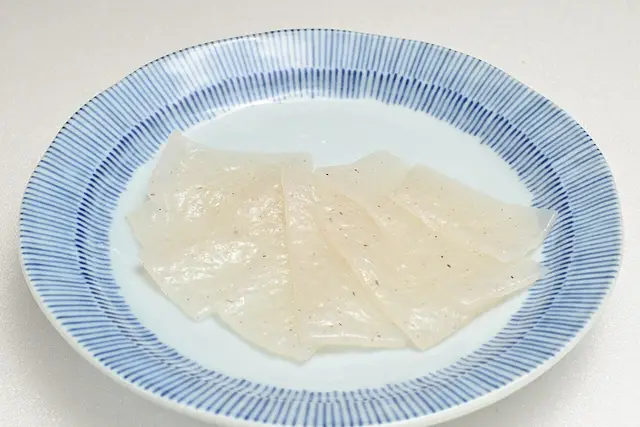 North RegionTezukuri Sashimi Konnyaku (Hand-made Sashimi Konjac (Raw thin-sliced Konjac))手作りさしみこんにゃく
The Okukuji region in Ibaraki Prefecture has been known for its thriving konjac cultivation since ancient times and is considered the birthplace of konjac.
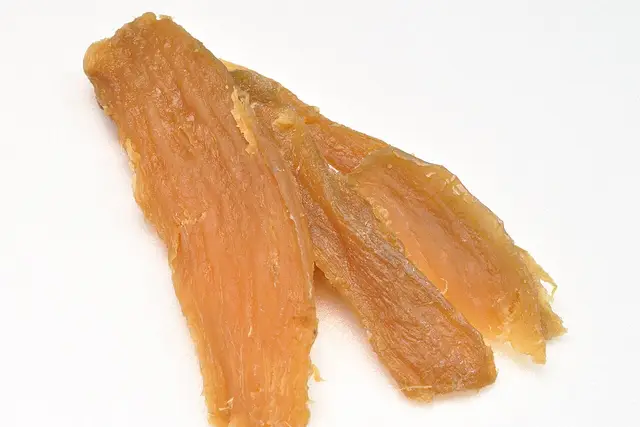 All over the prefectureHoshiimo干しいも
Dried sweet potatoes are a processed sweet potato product that is popular among men and women of all ages. Ibaraki Prefecture is the top producer of dried sweet potatoes in Japan.
- Central area of the prefectureNiai煮合い
In Ibaraki Prefecture, a vegetable kingdom, local cuisine using local vegetables is still deeply rooted, and one of the dishes is "Niai".
주요 재료: Lotus root, burdock, carrot, shirataki noodles, dried shiitake mushrooms, fried tofu
- The whole prefectureTsuke Kenchinつけけんちん
Soba (buckwheat) has been widely cultivated in Ibaraki Prefecture since the Edo period (1603 - 1868) due to the large temperature difference between morning and evening and the large amount of…
주요 재료: Soba, taro, radish, carrots, konjac, tofu, raw shiitake mushrooms
- Hitachinaka CityPaita Yakiパイタ焼き
Likewise, there are local dishes with chopped fish and flavor it like "Paita-yaki" in other prefectures.
주요 재료: Sardine, Japanese leek, Ginger, Miso, Egg, Wheat flour as binder
- Northern RegionAnkou no Tomo-zuあんこうの共酢
It is a local dish of boiled anglerfish dipped in vinegared miso paste with liver.
- Northern RegionShimi Konjac凍みこんにゃく
"Shimi Konjac"(=Freeze-dried Konjac) has been traditionally produced as a sideline during the agricultural off-season in the northern part of Ibaraki prefecture.
- All of Ibaraki PrefectureRenkon no Kinpira (Kinpira made of lotus root)れんこんのきんぴら
Kasumigaura, with the second-largest lake surface area in Japan, is renowned for its thriving lotus root cultivation.
주요 재료: Lotus root, Gobou(=Burdock root), Carrot and so on
- All of Ibaraki PrefectureImogara no itame-ni/Imogara no gomoku-ni (stir-fry and simmer Japanese taro’s stalk)いもがらの炒め煮/いもがらの五目煮
"Imogara" refers to the dried stalk and tuber part of root vegetables such as Satoimo(=Japanese taro).
주요 재료: Satoimo(=Japanese taro) stalk, Lotus root, Carrot, Fried bean curd, Konjac(=yam cake)
- All of Ibaraki PrefecturePeanut-Miso/Rakkasei-Misoピーナッツ味噌/落花生味噌
"Peanut-Miso" is a traditional dish in Ibaraki Prefecture, where peanuts are abundant.
- The whole prefectureGarigari Namasuがりがりなます
“Garigari Namasu”, a local dish made in Ibaraki Prefecture, which is blessed with rich food materials, is made with the seasonal produce of the mountains and sea.
- Northern RegionYuzu Daikon (Dried/Pickled Daikon Radish with Yuzu Citron)柚子大根
Green yuzu is available in the market from August until October, then yellow yuzu takes over after it’s getting cooler. ‘Yuzu Daikon’ is a local cuisine not only in Ibaraki, but also in wider area…
- Central Region of the PrefectureSoboro Natto/Shoboro Natto (Natto mixed with Dried strips of Daikon radish)そぼろ納豆/しょぼろ納豆
People made natto with soybeans harvested in the autumn, and made efforts to keep natto longer when they provided natto to their neighbors or temples. ’Soboro natto’ is a traditional dish in Mito…
주요 재료: Natto (fermented soybean), Wariboshi Daikon(=Dried strips of Daikon radish), Soy sauce, "Mirin (=sweet rice wine)", Sake
- All of Ibaraki PrefectureMitsume no Botamochi (Sweet bean-filled rice cakes)みつめのぼたもち
Mitsumeno Botamochi' refers to the large rice cakes eaten three days after the birth of the first child.
주요 재료: Glutinous rice flour, Short-grain rice, Red bean Paste
- Kanasago Region and othersAka-mochi (Red Rice Cake)赤餅
Aka-mochi is a red-colored rice cake made from red corn flour.
주요 재료: Red Corn Flour, Kinako (Roasted soybean flour), Sugar
- Kashima City, Namekata CityKaiso Yose (Seaweed Yose)海藻よせ
"Kaiso Yose(=Seaweed yose)" is a local dish eaten along the Kashima coast, extending from Kashima in Ibaraki Prefecture to Choshi in Chiba Prefecture.
- Southern region, Kasumigaura, Namegata City, Tsuchiura CityKoi no Karaage (Fried carp)鯉の唐揚げ
In Kasumigaura, the second largest lake in Japan in terms of area, carp farming began in the late 1960s, mainly in the Kitaura area, and today it is the area that produces the most carp in the…
- The whole prefectureSuzuke (pickling in vinegar) of Japanese smelt and lotus rootわかさぎとれんこんの酢漬け
“Suzuke (pickling in vinegar) of Japanese smelt and lotus root” is made with Japanese smelt and lotus root, which are local specialties of Kasumigaura, the second largest lake in Japan.
- Rokko region, Kashima, HokotaGosaitzukeごさい漬け
“Gosaitzuke” has long been loved as a local hometown winter dish and was an important source of protein for commoners.
- Tone River, Kasumigaura areaUnagi no hobiki ni (eel stewed in a hobiki)うなぎの帆引き煮
Kasumigaura is the second largest lake in Japan. It is abundant in freshwater fish like smelt, whitebait, eels, and crucian carp because of the rich plankton and interaction with the sea.
- Northern regionIwashi no unohana zuke(Pickled sardines with soy pulp)いわしの卯の花漬け
While Ibaraki Prefecture is renowned as one of the most agricultural prefectures in Japan, it is also a fishery prefecture.
- All regions of the prefectureClam Riceはまぐりごはん
Clam rice is another classic clam dish that is often eaten in Japanese households.
- Entire prefecturePumpkin itoko-niかぼちゃのいとこ煮
Pumpkin itoko-ni, which is boiled with adzuki beans, has become a staple dish for the winter solstice. Itoko-ni refers to a stew made mainly from vegetables and beans.
- All areas of Ibaraki and areas around KasumigauraOgura Renkon (Ogura Lotus Root)小倉れんこん
Since adzuki beans also come from Ibaraki Prefecture, 'ogura renkon' has long been made at home, as it can be made with locally available ingredients.
- Entire prefectureGomoku Inarizushi五目いなりずし
"Gomoku Inarizushi" has been well-known for many years as a regional cuisine that features local agricultural products.
주요 재료: Fried tofu pouches, rice, carrot, burdock root, shiitake mushroom
- All over the prefectureKomo dofuこも豆腐
One of Ibaraki Prefecture's local dishes using such soybeans is "komo-dofu. Komodofu" is tofu wrapped in straw wrappings and boiled in salted water, just like natto (fermented soybeans).
- Western part of the prefectureShimotsukare/Sumitukareしもつかれ/すみつかれ
“Shimotsukare” is a local cuisine in the western part of Ibaraki that consists of leftover New Year's salmon heads, leftover beans from Setsubun (February 3), and root vegetables cooked in sake lees.
주요 재료: Salmon, soybeans, radishes, fried tofu, carrots, sake lees
- Yuki CitySudarebu no gomazuaeすだれ麩のごま酢和え
Sudare-bu with sesame paste is a local dish produced in Yuki City, Ibaraki Prefecture.
주요 재료: sudare-bu, white sesame, vinegar, sugar, soy sauce
- Southern region, Shikagyo regionTagane mochiたがね餅
One of the most popular rice cake dishes in Ibaraki Prefecture is "tagane-mochi.
- Mito CityShikinbai紫錦梅
In order to make effective use of all the plums harvested at Kairakuen, Prince Nariaki invented the "Shikinbai" plum tree.
‘먹을 수 있는 가게 찾기’는 요리 이름과 지명으로 지도 앱 검색을 엽니다. 검색에 나오는 가게는 이 사이트가 고르거나 추천한 것이 아닙니다. 그 요리가 있는지는 가게에 확인해 주세요.
출처
명물·향토 요리
출처: 농림수산성 ‘うちの郷土料理 (Our Regional Cuisines)’를 가공하여 작성 (2026-11-15 가져옴) https://www.maff.go.jp/e/policies/market/k_ryouri/index.html. 이름·전해지는 지역·재료는 원문 그대로이며, 설명은 원문의 일부입니다. 농림수산성의 사진은 쓰지 않았습니다(요리 사진은 Wikimedia Commons의 것입니다). 이 페이지는 농림수산성이 만든 것이 아닙니다. 요리 이름과 설명은 영어로 표시됩니다.
지역 명물 음식
명물 음식은 도도부현・시정촌・관광협회・JNTO 등의 공식 안내에서 그 지역의 명물임을 확인한 것입니다(2026-11-17 확인). 설명은 이 사이트에서 썼습니다.
- Ankou-nabe (monkfish hot pot): www.ibarakiguide.jp
- Shirasu-don (whitebait rice bowl): www.ibarakiguide.jp
- Ibaraki seafood rice bowl (kaisen-don): www.ibarakiguide.jp
- Hitachi-aki soba (buckwheat noodles): www.ibarakiguide.jp
- Stamina ramen (noodles with spicy liver and vegetable sauce): www.ibarakiguide.jp
- Kashimanada hamaguri (large clams): www.ibarakiguide.jp
- Mehikari (greeneye fish, usually fried): www.ibarakiguide.jp
- Shirauo (icefish) from Lake Kasumigaura: www.ibarakiguide.jp
- Hitachi-gyu (Ibaraki wagyu beef): www.ibarakiguide.jp
사진·데이터 출처
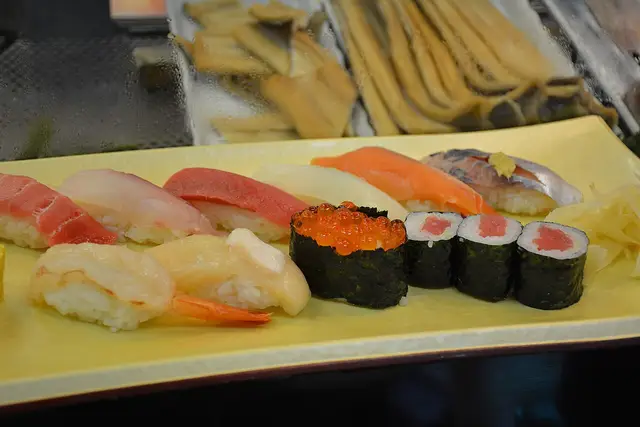
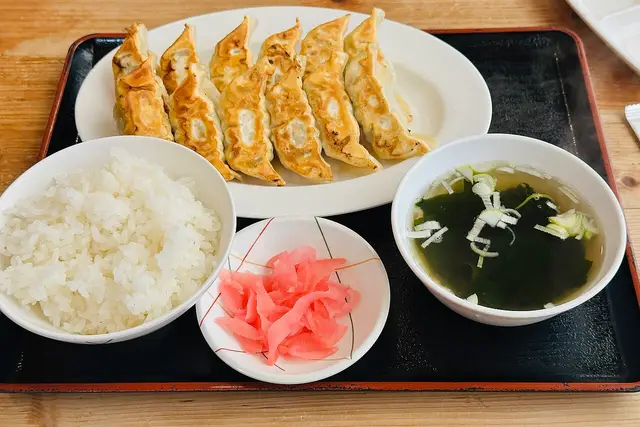
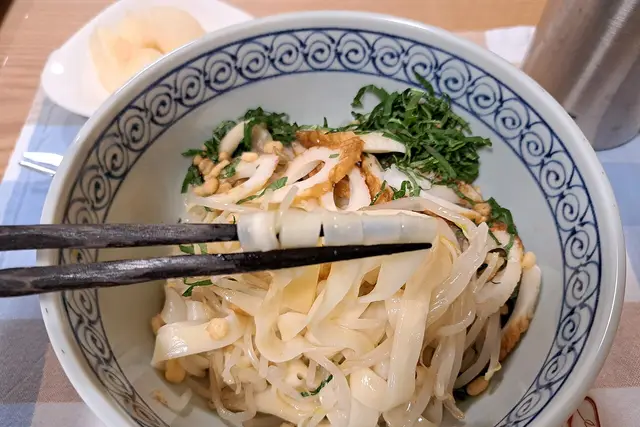
A plate of nigiri sushi with tuna, salmon, shrimp and salmon roe Cheng-en Cheng (CC BY-SA 2.0) / Pan-fried gyoza dumplings with rice and soup Tatsuo Yamashita from Tokyo, Japan (CC BY 4.0) / A rice bowl of raw and boiled whitebait topped with an egg yolk Ocdp (CC0) / A clay pot of monkfish simmered with tofu and vegetables Yamaguchi Yoshiaki Camera location36° 19′ 21″ N, 140° 34′ 07.5″ E View this and (CC BY-SA 2.0) / Himokawa udon, very wide flat noodles, lifted with chopsticks RuinDig/Yuki Uchida (CC BY 4.0) / Sashimi konnyaku: thin slices of konjac arranged on a plate Ocdp (CC0) / Hoshiimo: slices of steamed and dried sweet potato Ocdp (CC0). 잘라내고 축소했습니다.