도호쿠의 명물·향토 요리
쌀의 고장. 겨울 추위에 대비한 전골·국물 요리와 저장 음식, 소바 같은 면 요리가 많은 지역입니다.
도호쿠의 명물 음식 53가지와 향토 요리 176가지입니다.
도호쿠에서 맛보고 싶은 명물
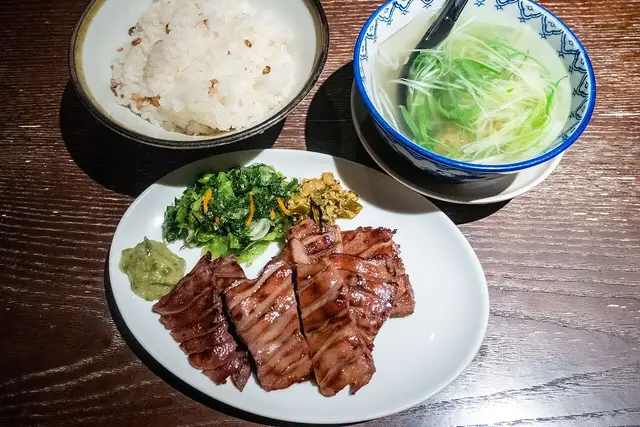 Gyutan-yaki (grilled beef tongue, Sendai specialty)SendaiSliced beef tongue grilled over a fire. The first specialty shop opened in Sendai in 1948, and about 100 now operate in the city.
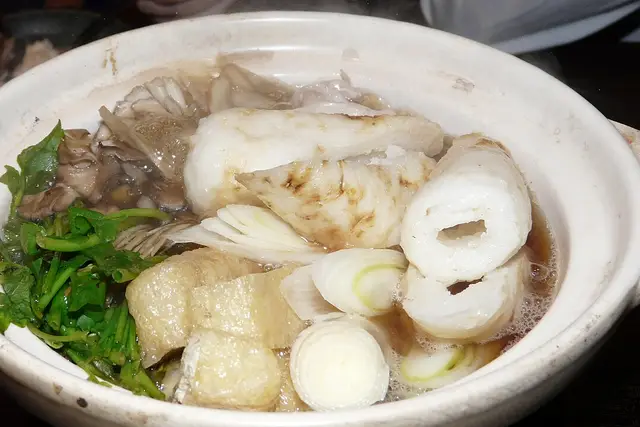 Kiritanpo nabe (hot pot with grilled rice sticks and Hinai chicken broth)Odate
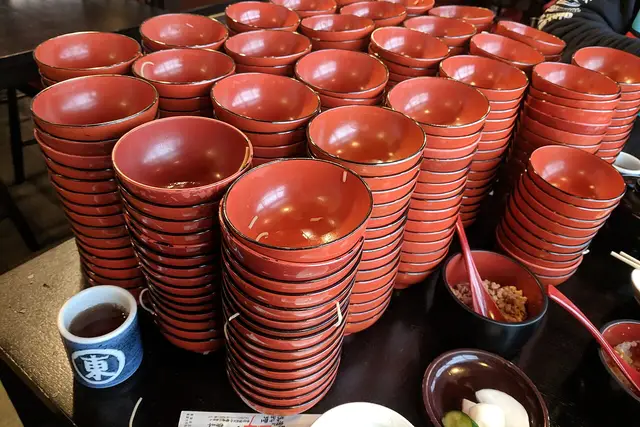 Wanko soba (bite-size soba refilled into your bowl until you stop)Morioka and Hanamaki
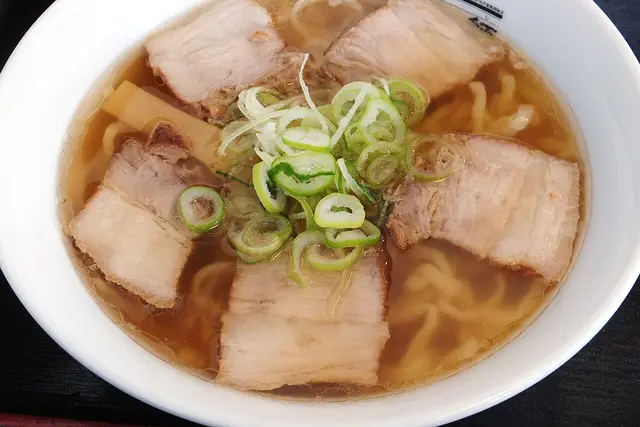 Kitakata ramen (soy ramen with thick curly noodles)Kitakata
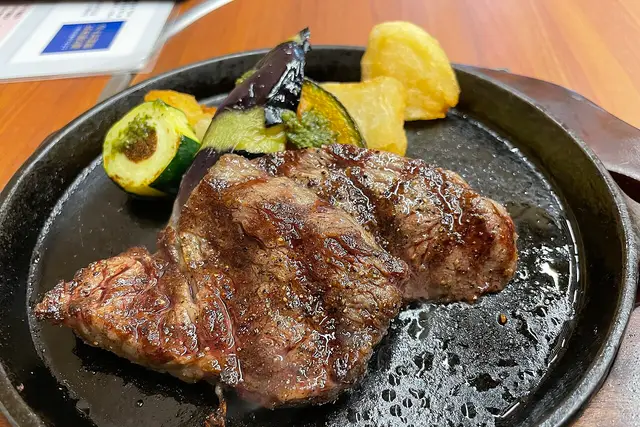 Yonezawa beef (premium marbled wagyu from the Okitama area)Yonezawa
Iwate
명물 8·향토 요리 30
명물 음식
그 지역에 가면 맛보고 싶은, 가게나 노점에서 먹을 수 있는 명물입니다.
Morioka면
Morioka reimen (chewy cold noodles in beef broth with kimchi)
盛岡冷麺
Chewy cold noodles in a chilled beef and chicken broth with spicy kimchi. About 30 shops in Morioka serve it.
Morioka면
Morioka jajamen (noodles topped with meat miso, cucumber and scallion)
盛岡じゃじゃ麺
Boiled noodles topped with meat miso, cucumber and scallion, mixed at the table. Leftover sauce can be turned into egg soup (chi-tan-tan).
Morioka and Hanamaki면
Wanko soba (bite-size soba refilled into your bowl until you stop)
わんこそば
Servers keep dropping small portions of soba into your bowl. It comes from a hospitality custom in Morioka and Hanamaki.
Tono고기
Tono jingisukan (grilled lamb, often cooked on a bucket grill)
遠野ジンギスカン
Grilled lamb widely eaten in Tono. Some cook it on a tin-bucket stove, called bucket jingisukan, at festivals and outings.
Kamaishi면
Kamaishi ramen (clear amber soup with very thin curly noodles)
釜石ラーメン
Ramen with a clear amber soup and very thin curly noodles. Served at Chinese restaurants, diners and soba shops.
Miyako해산물
Bin-don (seafood in a milk bottle poured over rice)
瓶ドン
A rice bowl where seasonal Miyako seafood packed in a milk bottle is poured over rice. Served at several shops in Miyako.
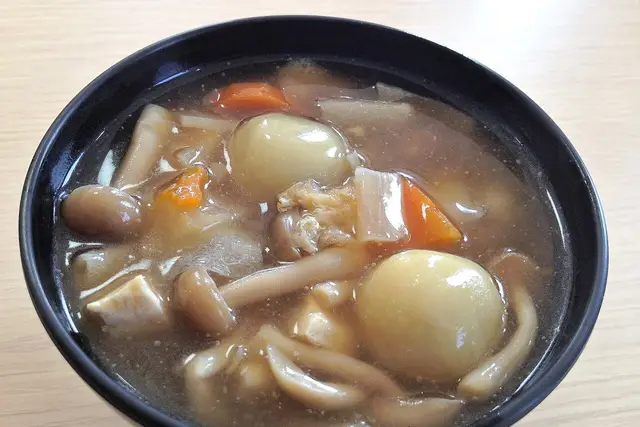
Kuji전골・국물
Mamebu (dumplings with walnut and brown sugar in soup)
まめぶ汁
Soup with wheat dumplings filled with walnut and brown sugar. A local dish of Yamagata, Kuji City.
Ichinoseki일식
Ichinoseki mochi dishes (set meals of freshly pounded rice cakes)
一関のもち料理
A local Ichinoseki custom of enjoying many kinds of freshly pounded rice cake, served as set meals at restaurants in the city.
향토 요리
가정과 지역에서 이어져 온 요리입니다. 가게에서 팔지 않는 것도 있습니다(일본 농림수산성 ‘うちの郷土料理’에서).
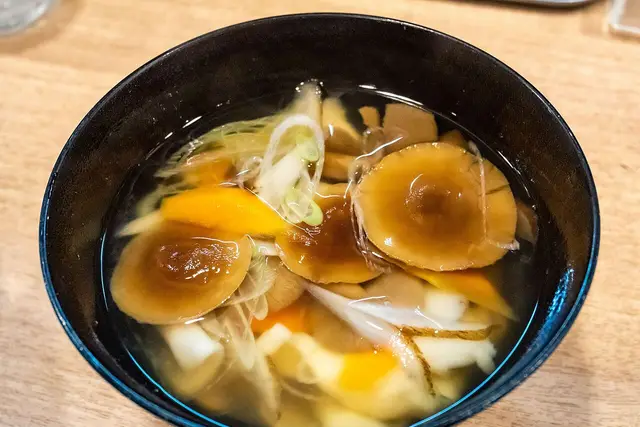 All over the prefecture, with a focus on the central part of the prefectureHittsumi jiru(Hittsumi soup)ひっつみ/ひっつみ汁
The central region of the prefecture has a lot of flat land in the Kitakami River basin, which has long been open to rice paddies, and the scale of rice production has been large.
주요 재료: Flour, seasonal vegetables such as root vegetables, river fish, river crabs, chicken, mushrooms, etc. depending on the region
- Yamagata-cho, Kuji CityMamebujiruまめぶ汁
Mamebu-jiru" is a local dish of Yamagata-machi, Kuji City (former Yamagata Village), in which ingredients such as familiar vegetables and baked tofu are simmered in a soy sauce-based soup flavored…
주요 재료: Flour, walnuts, carrots, burdocks and other vegetables, baked tofu, dried gourd, soy sauce
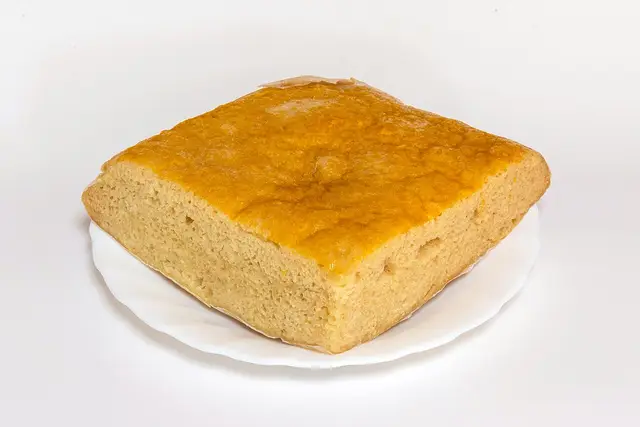 Southern part of the prefectureGanzukiがんづき
Ganzuki" is a sweet eaten throughout the prefecture, especially in the southern part of the prefecture.
주요 재료: Flour, sugar, baking soda, vinegar, walnuts, sesame seeds
- Central part of the prefecture (Morioka City, Hanamaki City, Shiwa Town, Tono City, etc.)Kirisenshoきりせんしょ
The origin of the name "Kirisensho" is said to come from the fact that in the old days, the powder was kneaded with the juice soaked in chopped sansho (Japanese pepper), which was called…
- Sanriku Coastal AreaSukikonbu no nimonoすき昆布の煮物
Sukikombu" is made by boiling young kelp from the Sanriku coast, cutting it into thin strips, and drying it into boards.
주요 재료: Sukikonbu, carrots, deep-fried tofu, dried shiitake mushrooms, soy sauce
- The southern region of the prefecture around Ichinoseki CityTraditional Mochi Rice Cake Dishes伝統餅料理
The southern region of the prefecture has a comparatively warm climate, and has long produced primarily rice, which could be cultivated reliably.
주요 재료: Mochi rice cakes, azuki (red beans), sesame, walnuts, anko (sweet bean paste), zunda (mashed green soybeans), natto, and more
- Northern RegionYanagi-batto柳ばっと
The cool climate of Northern Iwate makes it difficult to grow rice, which has led to the continued production of cereals that grow well in harsh environments, such as Japanese millet, foxtail…
주요 재료: Buckwheat Flour, Firm Tofu, Carrot, Daikon Radish, Burdock Root, Shimeji Mushroom
- Northern regionMame-shitogi豆しとぎ
Mame-shitogi is a fresh sweet made by kneading boiled and ground green soybeans with rice flour and sugar. “Shitogi” means “to grind,” and normally, it refers to food offerings made with rice flour.
- Prefectural southern regionKahou Dango果報だんご
Kahou dango (rice dumpling) is a confectionery dish offered on December 24th (November 24th in Japan's lunisolar calendar) for a folk event called "Daishiko."
주요 재료: rice flour(non-glutinous rice flour), glutinous rice flour, wood pieces from the Hagi plant, Azuki beans, sugar, salt
- Throughout the entire prefectureNishime煮しめ
Nishime is a traditional dish prepared throughout the entire prefecture during weddings, funerals, New Year's, O-Bon (Festival of the Dead), and other gatherings.
주요 재료: Grilled tofu, carrots, shiitake mushrooms, kelp, wild vegetables, dried and sliced herring, etc.
- Morioka City and the central region of the prefectureOchamochiお茶もち
"Ochamochi" is a mochi confectionery made by skewering two or three dango made from rice flour, crushing them thinly, seasoning them with walnut sauce (soy sauce or miso flavor), and grilling them.
- The Sanriku coastal area and the central region of the prefectureHizunamasu氷頭なます
"Hizunamasu" is made by turning the "hizu" into "namasu" and is a vinegared dish that is an essential New Year's dish.
- Kitakami River basinImonoko-jiru (Taro stew)いもの子汁
"Imo no kojiru" is a soup dish that is prepared by stewing taro, along with carrots, radishes, burdocks, mushrooms, konjac noodles, tofu, chicken, and other ingredients that are cut into bite-sized…
주요 재료: taro, chicken, tofu, daikon (radish), carrot, burdock root, soup stock, soy sauce
- Northern Parts of Iwate PrefectureHechoko Dango/Uki Uki Dangoへっちょこだんご/うきうきだんご
The “Hechoko Dango” is made with millets such as sorghum flour, glutinous millet flour and sticky millet flour.
주요 재료: Sorghum flour, glutinous millet flour, sticky millet flour, azuki beans, sugar, salt
- All of Iwate PrefectureKamamochiかまもち
“Kamamochi” is one of such dishes. “Kamamochi” is made by creating a sweet paste using miso, brown sugar and walnuts and wrapping the paste in a flour dough.
- Northern Parts of Iwate PrefectureSoba Kakkeそばかっけ
“Soba Kakke” is a traditional dish born during the rule of the Nanbu clan. Buckwheat flour is kneaded and flattened, then cut into small triangles.
주요 재료: Buckwheat flour, wheat flour, walnuts, soy sauce, mirin (=sweet rice wine)
- Center of the PrefectureHina Manju (Spring Steamed Bun)ひなまんじゅう
"Hina Manju" is also called "Hana Manju" or "Hana Dango", and made from rice flour stuffed with red bean paste, then shaped like flowers, peaches, leave or rabbits.
주요 재료: Short-grain rice flour, Glutinous rice flour, Sugar, Koshi an(= smooth red bean paste), Katakuriko (=potato starch), Red food coloring
- Sanriku Coast AreaSamma no Surimi Jiru (Pacific Saury Fish Ball Soup)さんまのすり身汁
The amount of saury catches, however, is decreasing these days. ‘Samma no Surimi Jiru’ is a soup with pacific saury fish ball. You will enjoy simple flavor of seasonings and saury.
주요 재료: Pacific saury, Daikon radish, Carrot, Tofu, Green onion, Egg, Miso, Soy sauce
- Central RegionUkogi no Horohoroうこぎのほろほろ
Actually, it is very nutritious, and has plenty of polyphenol, fiber, calcium, vitamin C, etc., and it was found that it works for anti-acidification, lowering blood sugar level, lowering…
주요 재료: ‘Ukogi’ (aralia), Daikon radish pickled with miso, Walnuts
- Sanriku Coast RegionAzuki Battou (Noodle with Red Beans)小豆ばっとう
‘Azuki Battou’ is a dish simmered wide and short ‘udon’ noodle in sweet red bean soup, and mainly eaten in Sanriku Coast region.
- Northern RegionTofu Dengaku豆腐田楽
Tofu is still eaten a lot in Iwate Prefecture, and the consumption of tofu per home is high in the prefecture. ‘Tofu Dengaku’ is a dish of grilled firm tofu cut into rectangular and skewered with…
- Morioka CityUsuyakiうす焼き
Sold at stalls during festivals and New Year's visits to Hachiman-gu Shrine, “Sasaki's Usuyaki” is especially famous.
주요 재료: Wheat flour, Red ginger, Green onion, “Sakura” shrimp, “Nori”(sea weed), Green onion, “Tenkasu”(crunchy tempura flakes)
- Sanriku Coast AreaDonko-jiruどんこ汁
On October 20th of the lunar calendar, "donko-jiru" with the tail and head of the fish attached is served to the gods to pray for a bountiful fishing season.
주요 재료: “Donko” (=Dark sleeper), Daikon radish, Carrot, Tofu, Potato, Japanese leek, Miso
- Northern AreasKenchin-jiruけんちん汁
"Kenchin-jiru" is a soup flavored with soy sauce and made with finely cut carrot, daikon radish, gobou (burdock root) and other vegetables which are stir fried with tofu.
주요 재료: Carrot, Daikon radish, Gobou(=Burdock root), Konjac(=Yam cake), Mushroom, Sansai(=Wild mountain vegetable), Tofu, Japanese leek, Soy sauce
- Areas surrounding Ou Mountains and Kitakami MountainsMizu-tataki / Tororoみずたたき(とろろ)
“Mizu-tataki” is made by tapping and chopping the red root part of “mizu” (=wild nettle) and seasoning it with miso and soy sauce.
주요 재료: “Mizu” (=wild nettle), Miso, Mirin (=sweet rice wine), Soy sauce, Sugar, Seaweed, Japanese leek
- Sanriku Coast AreaTennen Hoya no Sunomono天然ほやの酢の物
"Hoya" (=Sea Squirt) is called ‘Pineapple in the sea’, and is known as a food contains all five tastes; sweetness, sourness, saltiness, "umami" (=savoriness) and bitterness.
- Oushu City Esashi RegionKurumi-dofuくるみ豆腐
"Kurumi-dofu" is made with strained walnut after crushed, water and sugar and set by kudzu (arrowroot) starch.
주요 재료: Walnut, Sugar, Kudzu (Arrowroot) starch, Miso, Ginger juice, Sake
- Northern Areas, Ouu area,Kitakami mountain range areaShidami-dangoしだみだんご
"Shidami" refers to acorns, and "Shidami-dango" can be made by adding sugar to "Shidami" and forming them into dumplings, or by making "Shidami" into paste and wrapping them in a dough kneaded from…
주요 재료: Wheat flour, "Shidami-an( acorn paste)", Brown sugar, Sugar, Salt,
- Northern Sanriku Coastal AreaKurumi-zouniくるみ雑煮
"Kurumi-zouni" is also called "Kurumi-mochi (rice cake with walnuts sauce)" and is a typical dish eaten on the morning of New Year's Day in the Miyako region along the Sanriku coast.
주요 재료: Carrot, Daikon radish, Gobou(=Burdock root) , Shiitake mushrooms, Grilled tofu, Soy sauce, Mochi (=rice cake), Walnuts, Sugar,
- All of Iwate PrefectureNuppei-jiru/Hachihai-jiruぬっぺい汁/八杯汁
"Hachihai-jiru" is a dish consisting of tofu, dried shiitake mushrooms, and green onions in a soy sauce-flavored dashi (Japanese soup stock), thickened with katakuriko (potato starch).
주요 재료: Tofu, Dried shiitake mushrooms, Green onions, Soy sauce, Salt, "Naga-imo(=mountain yam)", Katakuriko(=potato starch)
‘먹을 수 있는 가게 찾기’는 요리 이름과 지명으로 지도 앱 검색을 엽니다. 검색에 나오는 가게는 이 사이트가 고르거나 추천한 것이 아닙니다. 그 요리가 있는지는 가게에 확인해 주세요.
출처
명물·향토 요리
출처: 농림수산성 ‘うちの郷土料理 (Our Regional Cuisines)’를 가공하여 작성 (2026-11-15 가져옴) https://www.maff.go.jp/e/policies/market/k_ryouri/index.html. 이름·전해지는 지역·재료는 원문 그대로이며, 설명은 원문의 일부입니다. 농림수산성의 사진은 쓰지 않았습니다(요리 사진은 Wikimedia Commons의 것입니다). 이 페이지는 농림수산성이 만든 것이 아닙니다. 요리 이름과 설명은 영어로 표시됩니다.
지역 명물 음식
명물 음식은 도도부현・시정촌・관광협회・JNTO 등의 공식 안내에서 그 지역의 명물임을 확인한 것입니다(2026-11-17 확인). 설명은 이 사이트에서 썼습니다.
- Morioka reimen (chewy cold noodles in beef broth with kimchi): iwatetabi.jp
- Morioka jajamen (noodles topped with meat miso, cucumber and scallion): iwatetabi.jp
- Wanko soba (bite-size soba refilled into your bowl until you stop): iwatetabi.jp
- Tono jingisukan (grilled lamb, often cooked on a bucket grill): tonojikan.jp
- Kamaishi ramen (clear amber soup with very thin curly noodles): iwatetabi.jp
- Bin-don (seafood in a milk bottle poured over rice): iwatetabi.jp
- Mamebu (dumplings with walnut and brown sugar in soup): iwatetabi.jp
- Ichinoseki mochi dishes (set meals of freshly pounded rice cakes): www.ichitabi.jp
사진·데이터 출처
Grilled beef tongue set with barley rice and oxtail soup くろふね (CC BY 4.0) / Kiritanpo hot pot with grilled rice sticks, maitake and seri greens Chensiyuan (CC BY-SA 4.0) / Tall stacks of empty wanko soba bowls on the table Koltonsmith (CC BY-SA 4.0) / Kitakata ramen in clear soy broth topped with chashu and green onion Lombroso (CC BY-SA 4.0) / Yonezawa beef steak on a sizzling iron plate with grilled vegetables Totti (CC BY-SA 4.0) / Mamebu-jiru with round dumplings, mushrooms and vegetables Datemasa (CC BY 3.0) / Hittsumi soup with torn wheat dough, mushrooms and vegetables くろふね (CC BY 4.0) / Ganzuki, a square steamed brown-sugar cake, on a white plate Yasu (talk) (CC BY-SA 3.0). 잘라내고 축소했습니다.