주부·호쿠리쿠의 명물·향토 요리
맛이 진한 나고야 요리, 동해 쪽(호쿠리쿠)의 해산물, 산간 지역의 소바와 밀가루 음식.
주부·호쿠리쿠의 명물 음식 87가지와 향토 요리 266가지입니다.
주부·호쿠리쿠에서 맛보고 싶은 명물
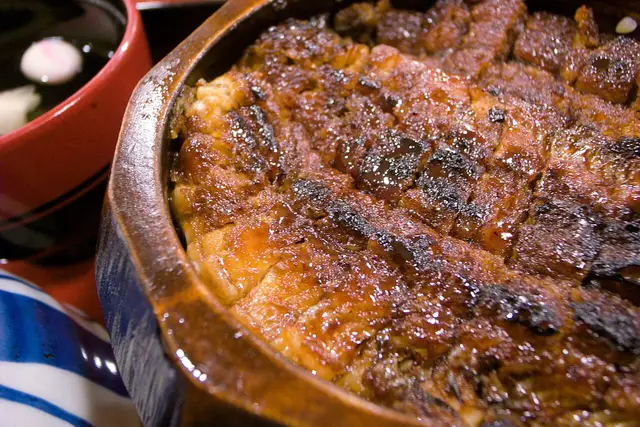 Hitsumabushi (chopped grilled eel over rice, eaten three ways)NagoyaChopped grilled eel on rice, eaten plain, with condiments, then as tea or broth ochazuke.
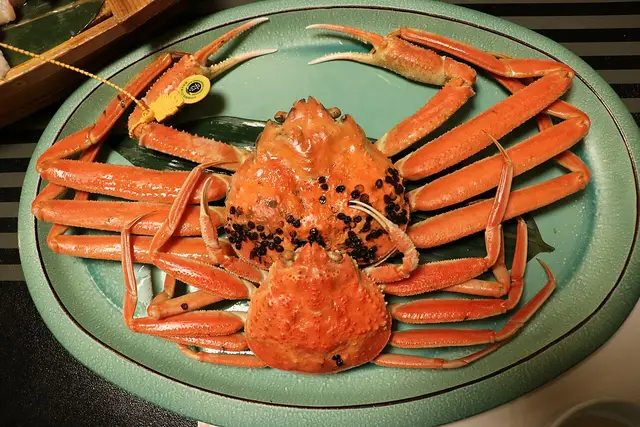 Echizen-gani (Fukui snow crab)
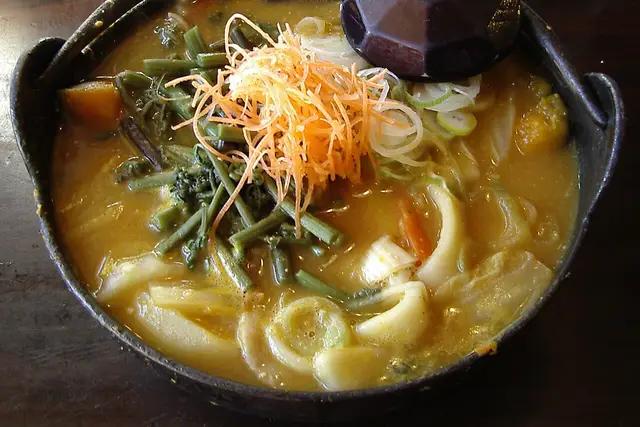 Hoto (wide flat noodles simmered in miso with pumpkin and vegetables)
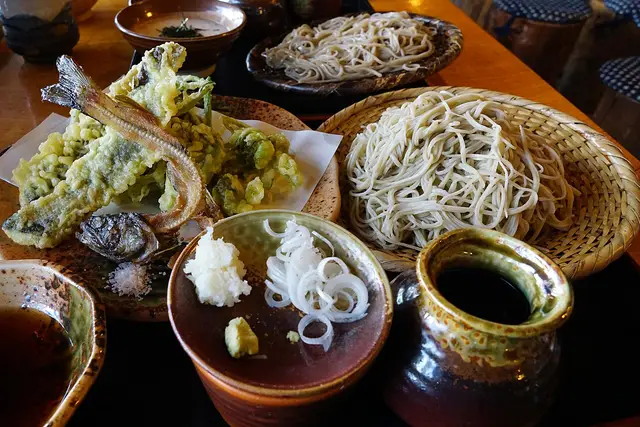 Shinshu soba (buckwheat noodles)
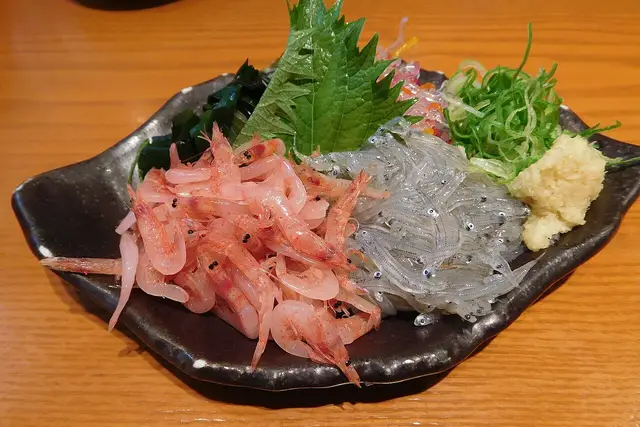 Sakura ebi (Suruga Bay sakura shrimp)Shizuoka City
Nagano
명물 11·향토 요리 29
명물 음식
그 지역에 가면 맛보고 싶은, 가게나 노점에서 먹을 수 있는 명물입니다.
Nagano 각지면
Shinshu soba (buckwheat noodles)
信州そば
Buckwheat noodles from across Nagano; Togakushi soba is counted among Japan three great soba.
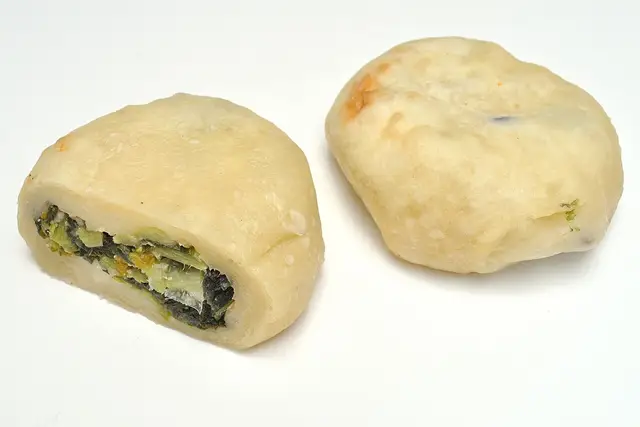
Nagano 각지길거리 음식
Oyaki (stuffed dumplings of grain flour)
おやき
Dough of wheat, grains or buckwheat wrapped around vegetables and grilled, steamed or pan-fried.
Shinshu-Shinmachi, Nagano고기
Shinshu-Shinmachi Jingisukan (grilled marinated lamb)
信州新町のジンギスカン
Lamb marinated in a local style and grilled; shops line National Route 19, called the Jingisukan Road.
Sakaki and Chikuma면
Oshibori udon (udon dipped in spicy radish juice)
おしぼりうどん
Udon dipped in grated spicy mouse-radish juice with miso dissolved in it.
Matsumoto and Shiojiri고기
Sanzoku-yaki (large deep-fried marinated chicken thigh)
山賊焼き
Chicken thigh marinated with garlic and deep-fried in starch coating; said to have originated in Shiojiri.
Komagane밥・덮밥
Komagane sauce katsudon (cutlet over cabbage on rice)
駒ヶ根ソースかつ丼
Cutlet dipped in sweet-savory sauce over shredded cabbage on rice; in Komagane, katsudon means this.
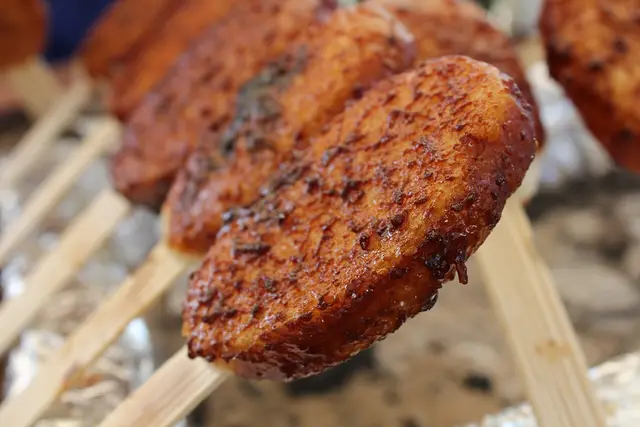
Kiso길거리 음식
Gohei-mochi (grilled rice skewer with miso sauce)
五平餅
Mashed rice on a skewer, brushed with miso-based sauce and grilled; a specialty of the Kiso region.
Ina면
Romen (Ina mutton and steamed noodles)
ローメン
Mutton and firm steamed noodles simmered with cabbage in a distinct soup; a specialty of Ina.
Matsumoto고기
Matsumoto basashi (raw horse meat sashimi)
松本の馬刺し
Raw horse meat; Nagano has a horse-meat tradition and Matsumoto has restaurants serving it.
Around Lake Suwa밥・덮밥
Suwa unagi (grilled eel, also eaten in winter)
諏訪のうなぎ
Many eel restaurants stand around Lake Suwa; locals also eat eel in winter when it is fattier.
Ueda고기
Ueda bimidare yakitori (yakitori with garlic soy sauce)
美味だれ焼き鳥
Yakitori topped with garlic-soy sauce; a local specialty of Ueda.
향토 요리
가정과 지역에서 이어져 온 요리입니다. 가게에서 팔지 않는 것도 있습니다(일본 농림수산성 ‘うちの郷土料理’에서).
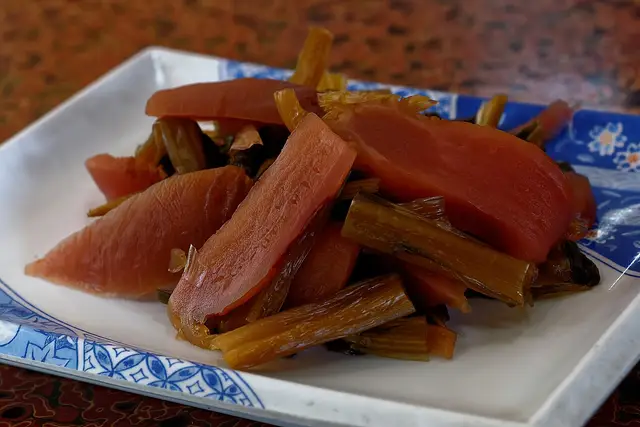 Kiso AreaSunki-zukeすんき漬け
The mountainous Kiso region has a unique culinary tradition that includes a dish called "Sunki-zuke," using the leaves of red turnips.
- Kiso Area, Ina Area, Kamiina Area, Shimoina AreaGohei Mochi五平餅
"Gohei-mochi" is made by skewering half-pounded Uruchi rice(short-grain rice), dipping it in miso or soy sauce-based sauce, and baking it.
- Hokushin Area, Chushin Area (All of Nagano Prefecture)Oyaki (Japanese stuffed dumplings)おやき
"Oyaki" is a local dish representing Shinshu, made by mixing flour such as wheat and buckwheat flour with water or hot water, kneading it, wrapping seasonal ingredients such as sweet red bean paste…
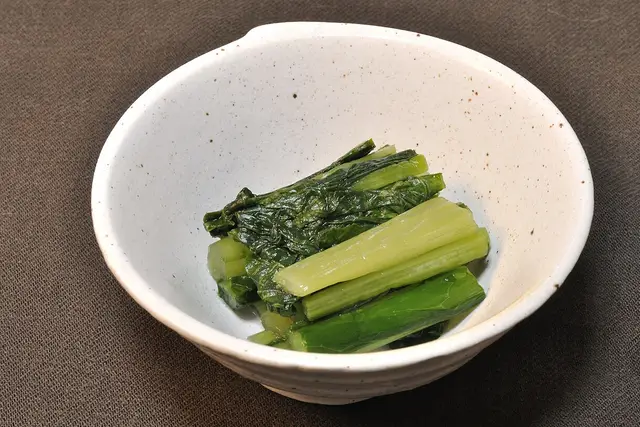 All of Nagano Prefecture (Nozawa onsen village)Nozawana-zuke (Nozawana pickles)野沢菜漬
Among them, 'Nozawana-zuke' is one of the two representative pickles in the prefecture and an essential ingredient during the winter in Shinshu.
- Kiso AreaHooba Makiほう葉巻
Hooba maki is a traditional festive rice cake in the Kiso region.
주요 재료: Rice flour, Wheat flour, Magnolia leaves, Igusa (=Japanese mugwort), Red beans
- Saku AreaKobuna-no-kanroni (Sweet and Savory Simmered Small Crucian Carp)小鮒の甘露煮
Saku City, located in the eastern part of the prefecture, is situated near the border with Gunma Prefecture and is blessed with clean water sources suitable for cultivating freshwater fish such as…
- Iiyama City (Hokushin Area)Sasazushi (Bamboo Sushi)笹ずし
"Sasazushi" is a regional dish passed down in the city of Iiyama and the Joetsu region of Niigata Prefecture.
- Hokushin Area, Chushin AreaYashouma (Colorful Mochi)やしょうま
In the northern regions, February 15th is a day known as Nehan-e, commemorating the death of Buddha, and there is a custom to make "yashouma" and offer it on the Buddhist altar.
주요 재료: Rice flour, Katakuriko(=potato starch), Aonori (seaweed), Sesame seeds, Black soybeans
- All of Nagano PrefectureInago-no-tsukudani (Locust cooked in soy sauce)いなごの佃煮
The Ina Valley in the southern part of Nagano Prefecture has a long-standing culture of eating insects, including locusts, bee larvae, cicadas, and grasshoppers.
- Hokushin area (Iiyama City)Imonamasuいもなます
Imo-Namasu" is a local dish using potatoes in the Iiyama City area. In Japan, "Namasu" is a dish made by dressing ingredients with vinegar, and is used as a New Year's osechi dish.
- Saku CityKoikoku鯉こく
Koikoku," a traditional soup in Saku City, is made by boldly cutting the fish into cylindrical slices and simmering them in miso paste, and is an indispensable New Year's dish in the Saku area.
- Hoku-shin and Nan-shin areas (throughout the prefecture)Shioika no sunomono塩いかの酢の物
Because Nagano Prefecture is far from the sea, marine products were processed in the area where they were landed and transported via the "salt road.
- All over the prefectureTeuchi soba手打ちそば
Soba is a typical local cuisine, so much so that Nagano Prefecture is known for its "Shinshu soba" (buckwheat noodles).
- Hoku-shin area, To-shin areaKonetsukeこねつけ
"Konetsuke" is said to have been eaten by Yukimura Sanada, a feudal warlord, to fill his stomach before going into battle.
- Hokushin RegionTakenoko jiru(Bamboo Shoot Soup)たけのこ汁
Takenoko jiru(Bamboo shoot soup) is a miso soup that uses Nemagari bamboo. It is a regional dish eaten in the Hokushin Region and Niigata Prefecture's Joetsu region.
- Suwa RegionTenyose Jelly Cake天寄せ
The Suwa region’s kanten (agar agar) producing industry developed due to the area’s low temperatures and stable weather, which allowed for longer production seasons than other areas, and the opening…
- Hokushin regionGarlic Chive Senbeiにらせんべい
The recipes for garlic chive senbei or usuyaki also differ slightly between households, with many variations; like mixing in miso with the flour and vegetables when frying, or eating with a miso or…
- Suwa area, Kamiina areaNotamochiのたもち
“Notamochi” is a local dish eaten in the Suwa and Kamiina regions. The “nota” in “notamochi” is made by boiling edamame beans, grinding them with a mortar and pestle, and adding sugar and salt.
- Hokushin RegionYataraやたら
“Yatara” is a mixture of finely chopped vegetables and pickles, similar to a “furikake” (sprinkles) of summer vegetables.
주요 재료: Cucumber, eggplant, myoga ginger, green pepper, and miso-pickled radish
- Hokushin and Chushin areasEgo no Sumiso-aeえごの酢味噌あえ
The name "Ego" comes from boiled and kneaded seaweed called "egogusa," and it is a regional cuisine passed down throughout Niigata Prefecture.
- Hokushin areaOshibori Udonおしぼりうどん
“Oshibori Udon” is a local dish that originated from the Sakaki area in Hanishina County. It is made by grating spicy daikon radish and squeezing out its juice.
주요 재료: Udon noodles, Radish, Miso, Green onion, Dried bonito flakes
- The entire prefecture (especially around Nagano City and Matsumoto City)Gudakusan Misosiru (Gudakusan Miso Soup)具だくさん味噌汁
“Gudakusan miso soup” is a soup with lots of ingredients such as seasonal vegetables, meat, and fish.
주요 재료: Seasonal ingredients (Examples of winter ingredients: Wheat flour, Potatoes, Radish, Carrots, Burdock, Chikuwa, and Green onions)
- Toshin Area, Kamiina AreaSake no Kasuni (Simmered Salmon in Sake Lees)鮭の粕煮
In Japan, as part of the preparations to welcome Toshigami (the deity of the New Year), there is a tradition of preparing a special feast called "Toshikoshi" on New Year's Eve.
- All of Nagano PrefectureShimi Daikon no Otaue no Nimono凍み大根のお田植えの煮物
"Frozen Daikon Radish" is one of the preserved foods made by utilizing the cold of winter. It involves exposing daikon radishes to the cold outdoor air to dry them.
주요 재료: Daikon Radish, Gutted Herring, Kombu(=kelp), Warabi (=bracken fern), Carrot, Konjac (=yam cake), Chikuwa (fish cake), Satsuma Age (fried fish cake)
- Hokushin Area, Chushin AreaShoyu Mame / Shoyu no Mi (Soy Sauce Beans / Soy sauce seeds)しょうゆ豆/しょうゆの実
"Shoyu Mame" or "Soy Sauce Beans" is a fermented food traditional to the northern and central Shinshu region.
주요 재료: Soy sauce, soybean koji( Malt), rice koji (Malt).
- Toshin AreaHangoroshi半ごろし
"Hangoroshi" refers to "botamochi" or "ohagi" in Nagano Prefecture, and it indicates the state of mochi rice that is pounded until it becomes semi-crushed with a surikogi (pestle).
주요 재료: Glutinous rice, Short-grain rice, Azuki beans (Red beans), Kinako (Roasted soybean flour)
- Hokushin Area, Toushin AreaHitashi Mame (Soaked Beans)ひたし豆
"Hitashi Mame" is a regional dish eaten not only in the northern and eastern Shinano regions of Nagano Prefecture but also in Niigata Prefecture and the Tohoku region.
- Hokushin AreaHoshi-kabocha no Egoma-ae (Dried pumpkin dressed with perilla seeds)干しかぼちゃのえごま和え
The region known as Kinasa, also called the "Valley Capital," has a long-standing food culture of drying and preserving vegetables.
- Matsumoto AreaTanabata Hotoたなばたほうとう
Matsumoto City, situated in the almost exact center of Nagano Prefecture, offers views of the Northern Alps to the west and the Utsukushi-gahara Plateau to the east.
주요 재료: All-purpose flour, Azuki (=Red beans), Goma (=Sesame seeds), Kinako (=Roasted soybean flour)
‘먹을 수 있는 가게 찾기’는 요리 이름과 지명으로 지도 앱 검색을 엽니다. 검색에 나오는 가게는 이 사이트가 고르거나 추천한 것이 아닙니다. 그 요리가 있는지는 가게에 확인해 주세요.
출처
명물·향토 요리
출처: 농림수산성 ‘うちの郷土料理 (Our Regional Cuisines)’를 가공하여 작성 (2026-11-15 가져옴) https://www.maff.go.jp/e/policies/market/k_ryouri/index.html. 이름·전해지는 지역·재료는 원문 그대로이며, 설명은 원문의 일부입니다. 농림수산성의 사진은 쓰지 않았습니다(요리 사진은 Wikimedia Commons의 것입니다). 이 페이지는 농림수산성이 만든 것이 아닙니다. 요리 이름과 설명은 영어로 표시됩니다.
지역 명물 음식
명물 음식은 도도부현・시정촌・관광협회・JNTO 등의 공식 안내에서 그 지역의 명물임을 확인한 것입니다(2026-11-17 확인). 설명은 이 사이트에서 썼습니다.
- Shinshu soba (buckwheat noodles): www.go-nagano.net
- Oyaki (stuffed dumplings of grain flour): www.go-nagano.net
- Shinshu-Shinmachi Jingisukan (grilled marinated lamb): www.go-nagano.net
- Oshibori udon (udon dipped in spicy radish juice): www.go-nagano.net
- Sanzoku-yaki (large deep-fried marinated chicken thigh): www.city.shiojiri.lg.jp
- Komagane sauce katsudon (cutlet over cabbage on rice): www.go-nagano.net
- Gohei-mochi (grilled rice skewer with miso sauce): www.go-nagano.net
- Romen (Ina mutton and steamed noodles): db.go-nagano.net
- Matsumoto basashi (raw horse meat sashimi): www.go-nagano.net
- Suwa unagi (grilled eel, also eaten in winter): www.go-nagano.net
- Ueda bimidare yakitori (yakitori with garlic soy sauce): www.go-nagano.net
사진·데이터 출처
Hitsumabushi: grilled eel sliced over rice in a wooden ohitsu akira yamada from Chigasaki, Japan (CC BY-SA 2.0) / Boiled Echizen snow crabs, male and female, on a plate さかおり (CC BY-SA 4.0) / Hoto: flat noodles simmered in miso with vegetables in an iron pot No machine-readable author provided. Jungle assumed (based on copyright claims). (CC BY-SA 3.0) / Shinshu soba on bamboo trays with tempura and condiments 663highland (CC BY 2.5) / Raw sakura shrimp and whitebait from Suruga Bay on a plate Miyuki Meinaka (CC BY-SA 4.0) / Oyaki dumplings, one cut open to show the vegetable filling Ocdp (CC0) / Gohei mochi: flat rice cakes on skewers, grilled with a sweet glaze Kunmap (CC BY-SA 4.0) / Sunki-zuke, salt-free fermented turnip greens, on a plate Kurokawa t (CC BY-SA 4.0) / Nozawana-zuke pickled greens in a white bowl Ocdp (CC0). 잘라내고 축소했습니다.