Food & drink
Markets & street food
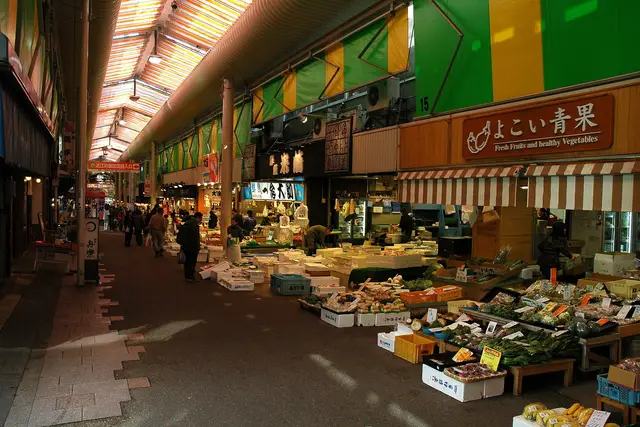
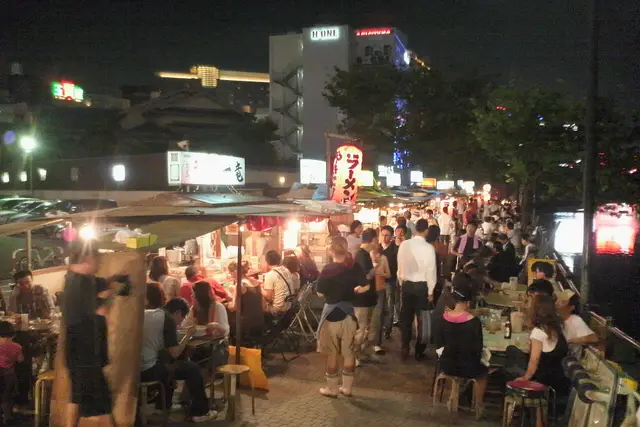
Market breakfasts, snacks along shopping streets, food stalls at night. Some streets ask you not to eat while walking, so it's safest to eat in front of the shop.
9 places to go
Tap a pin to jump to that place's description.
Kanto
Chubu & Hokuriku
Kansai
Regional dishes at these destinations
One dish from each prefecture this theme takes you to.
Tokyo
Nigiri zushi
にぎりずし
Nigiri-zushi is a typical Japanese dish consisting of vinegared rice topped with ingredients.
- Where it is made
- Around Tokyo Bay and throughout Tokyo
Ishikawa
Hasu-mushi (Steamed lotus root)
はす蒸し
"Hasu-mushi" is a local dish popular among the locals for its texture of Kaga lotus root. "Hasu-mushi" is a steamed dish made by grating Kaga lotus root and mixing it with other ingredients.
- Where it is made
- Around City of Kanazawa
Kyoto
Natto-Mochi (Fermented soybeans rice cake)
納豆餅
At a time when food was scarce, "Natto", a valuable source of protein, was wrapped in a rice cake that was good for the stomach and eaten as a “Natto-Mochi”, which was also favored by peasant…
- Where it is made
- Kyoto City, Nantan Region
Osaka
Bara zushi
ばらずし
According to one theory, bara-zushi originated in Okayama Prefecture, where the common people protested against the Edo period feudal lord's prohibition of "one soup and one vegetable" in order to…
- Where it is made
- All over Osaka Prefecture
Kanagawa
Sanma-men
サンマーメン
Before World War II, meat soba (roosu noodles) was a common dish in Yokohama Chinatown, but it was expensive, so "sanma-men," a noodle dish with vegetables, came to be prepared as a meal.
- Where it is made
- Yokohama City, All of Kanagawa Prefecture
Hyogo
Kobe Beef Steak
神戸ビーフステーキ
‘Kobe Beef Steak’, grilled beef on an iron plate flavored with salt and pepper and served with steak sauce or mustard, is famous overseas, too. Actually, however, there is no breed called ‘Kobe beef’.
- Where it is made
- Kobe
Fukuoka
Gameni
がめ煮
"Game-ni" is a typical local dish of Fukuoka Prefecture, and its name comes from the Hakata dialect word "gamekurikomu" (meaning "to gather together").
- Where it is made
- All over Fukuoka Prefecture
Aichi
Hakozushi
箱ずし
“Hakozushi” can be found all over Japan. It is a type of sushi made by filling a square wooden box with sushi rice, placing the ingredients on top, and then pressing them down from above.
- Where it is made
- The entire prefecture centering on the Owari area and Nishimikawa area
- Regional dishes of Tokyo
- Regional dishes of Ishikawa
- Regional dishes of Kyoto
- Regional dishes of Osaka
- Regional dishes of Kanagawa
- Regional dishes of Hyogo
- Regional dishes of Fukuoka
- Regional dishes of Aichi
“Find places serving it” opens a map app search for the dish name and the place name. The results are not chosen or recommended by this site. Please check with the shop whether it serves the dish.
Source: “Our Regional Cuisines” (Ministry of Agriculture, Forestry and Fisheries), edited by this site (imported 2026-11-15) https://www.maff.go.jp/e/policies/market/k_ryouri/index.html. Names, areas and ingredients are as written on the source pages; descriptions are excerpts of the original text. No photos are used. This page is not made or endorsed by the ministry.
From people who went
Tips about the places in this theme, most helpful first.
Event dates, operating days, reservation rules and opening hours can change. Please check the official information before you go.
Photo and data credits
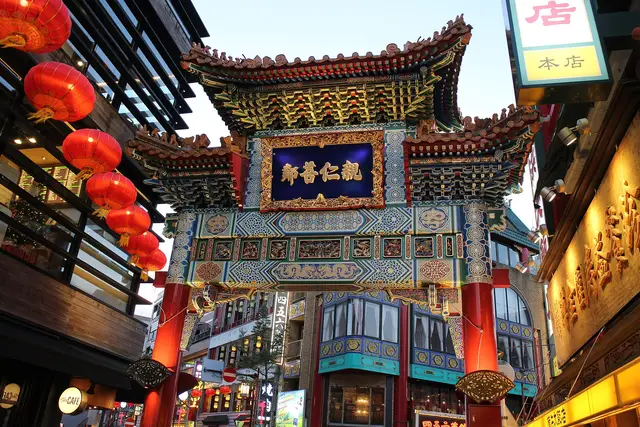
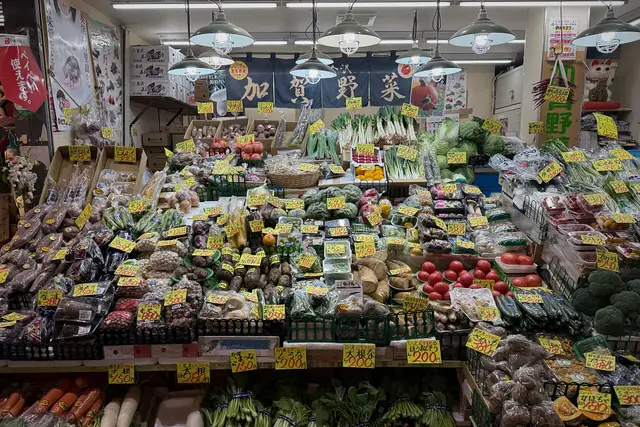
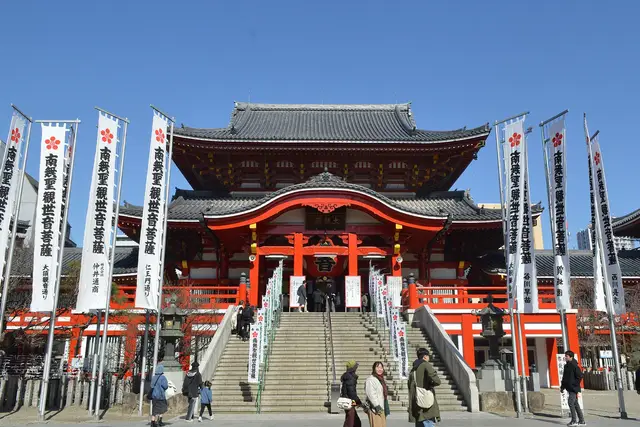
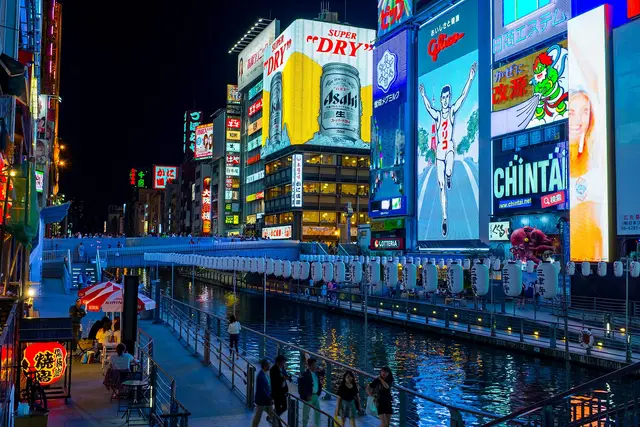
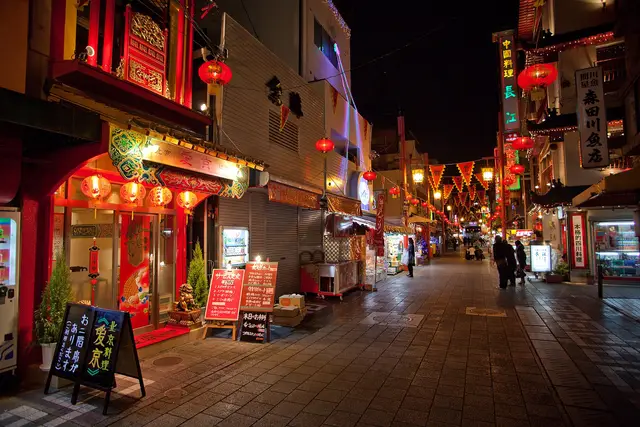
The covered arcade of Omicho Market, Kanazawa User: (WT-shared) Jpatokal at wts wikivoyage (CC BY-SA 4.0) / Zenrinmon Gate of Yokohama Chinatown with red lanterns Suicasmo (CC BY-SA 4.0) / A greengrocer's stall piled with Kaga vegetables at Omicho Market NevinThompson (CC BY-SA 4.0) / The vermilion main hall of Osu Kannon temple Asturio Cantabrio (CC BY-SA 4.0) / Dotonbori canal at night, lined with illuminated signs Kristoffer Trolle (CC BY 2.0) / Red lanterns lighting a street in Nankinmachi at night Laitr Keiows (CC BY-SA 3.0) / Nakasu food stalls by the river at night, busy with diners mmry0241 (CC BY-SA 3.0). Cropped and resized.