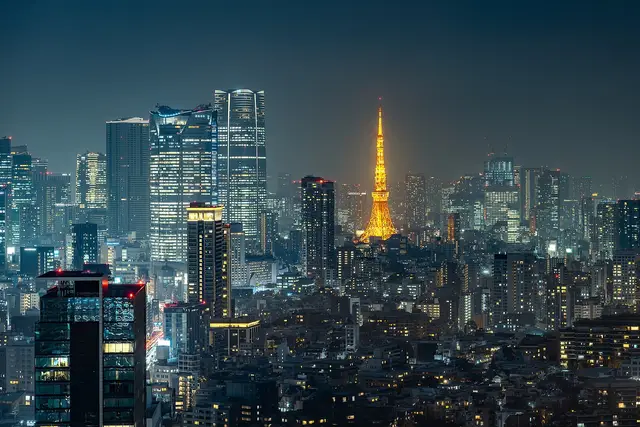
東京指南
From old downtown streets of temples and shopping lanes to districts of skyscrapers and neon, each area feels different. Trains and subways go everywhere; most main sights are about 30 minutes from Tokyo Station.
景點 經典10處
「經典」和「內行才知道」是本站編輯的選擇,並非人氣排名的調查結果。
- 1
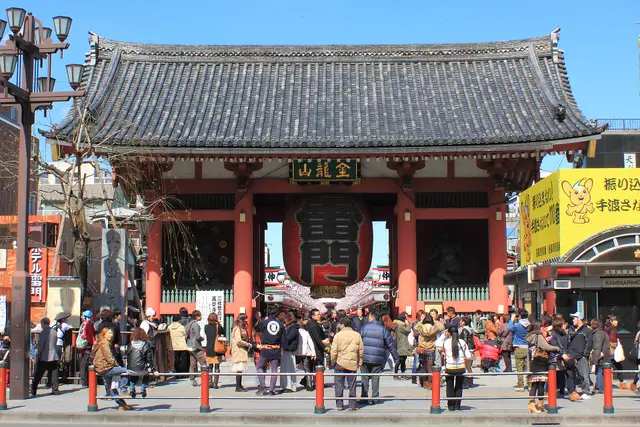
淺草寺・雷門
Said to be Tokyo's oldest temple. From Kaminarimon Gate with its giant lantern, the Nakamise shopping lane leads to the main hall.
海外旅客多
In the 2023 survey, 47.4% of foreign visitors to Tokyo went to Asakusa (4th) 出處: Tokyo Metropolitan Government, 2023 Survey of Foreign Visitors' Behavior
- 寺社・教堂
- 歷史・建築
- 購物・逛街
約60分鐘免費輪椅・嬰兒車可通行
地鐵 · 從Tokyo約25分鐘 ・ JR Yamanote Line to Kanda, change to the Ginza subway line for Asakusa, then about 5 minutes on foot ・ 4.6km
在地圖上查看
經典內行才知道
推薦遊覽路線
時間以9:00出發為例。移動時間按距離估算,會因候車和擁擠而變化。
Old downtown: Asakusa, Ueno and Yanaka
9:00出發 → 約16:43結束(約7.5小時)
- 9:00Tokyo
搭車約25分鐘
9:25東京晴空塔停留約1.5小時步行約24分鐘
11:19淺草寺・雷門停留約60分鐘搭車約15分鐘
12:34上野公園停留約2小時步行約23分鐘
14:57根津神社停留約30分鐘步行約16分鐘
15:43谷中銀座停留約60分鐘
Take the Ginza subway line from Asakusa to Ueno. From Ueno, Nezu and Yanaka can be covered on foot.
依此順序制定周遊計畫Meiji Jingu, Shibuya, then Shinjuku at night
9:00出發 → 約13:15結束(約4.5小時)
- 9:00Tokyo
搭車約40分鐘
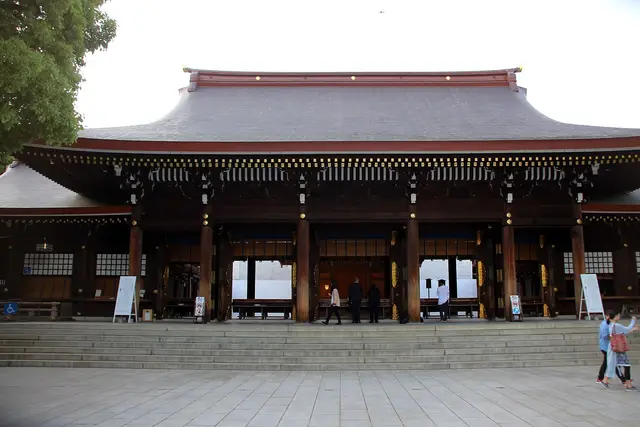
9:40明治神宮・原宿停留約1.5小時搭車約15分鐘
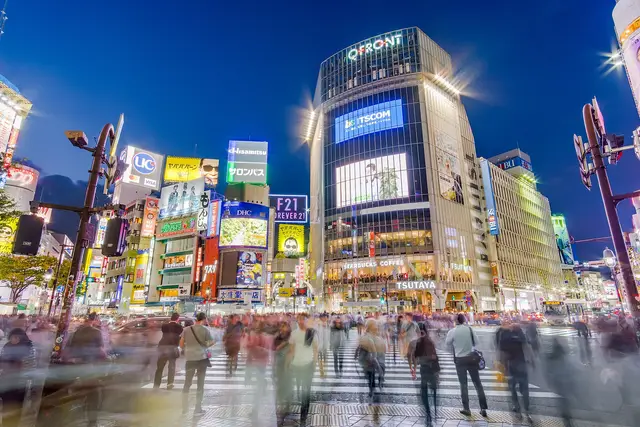
11:25澀谷十字路口停留約30分鐘搭車約20分鐘
12:15新宿(東京都廳展望室)停留約60分鐘
Harajuku, Shibuya and Shinjuku are neighboring stops on the JR Yamanote Line. Harajuku to Shibuya is also about 20 minutes on foot.
依此順序制定周遊計畫
何時去
March–May and October–November are best for walking. July–August is hot and humid (26–27°C on average); September–October is the wettest. Winter is dry and sunny.
指向月份即可查看該月的氣溫和降水量。
氣溫(線為平均,帶為最低至最高)
降水量(mm)
觀賞期參考
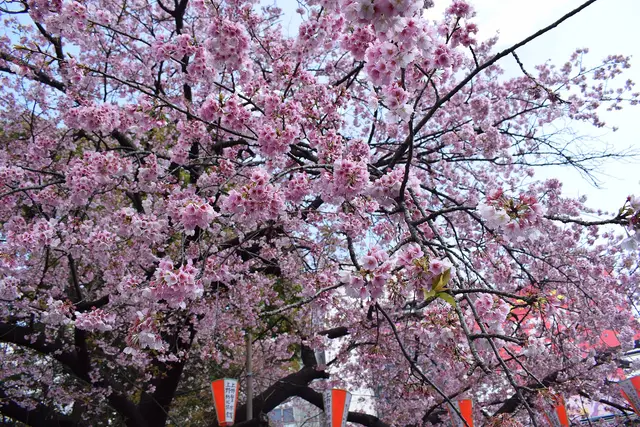
Cherry blossoms (Ueno, Chidorigafuchi)
Sanja Festival (Asakusa)
Sumida River Fireworks
Autumn leaves (ginkgo avenues)
以表格查看
| 1月 | 2月 | 3月 | 4月 | 5月 | 6月 | 7月 | 8月 | 9月 | 10月 | 11月 | 12月 | |
|---|---|---|---|---|---|---|---|---|---|---|---|---|
| 最高 (℃) | 9.8 | 10.9 | 14.2 | 19.4 | 23.6 | 26.1 | 29.9 | 31.3 | 27.5 | 22 | 16.7 | 12 |
| 平均 (℃) | 5.4 | 6.1 | 9.4 | 14.3 | 18.8 | 21.9 | 25.7 | 26.9 | 23.3 | 18 | 12.5 | 7.7 |
| 最低 (℃) | 1.2 | 2.1 | 5 | 9.8 | 14.6 | 18.5 | 22.4 | 23.5 | 20.3 | 14.8 | 8.8 | 3.8 |
| 降水量 (mm) | 59.7 | 56.5 | 116 | 133.7 | 139.7 | 167.8 | 156.2 | 154.7 | 224.9 | 234.8 | 96.3 | 57.9 |
氣溫和降水量為日本氣象廳的平年值(1991〜2020年,Tokyo)。觀賞期為往年參考,每年可能相差1〜2週。 氣象廳資料
主要交通方式
JR Yamanote Line
A loop line linking Tokyo, Ueno, Ikebukuro, Shinjuku, Harajuku, Shibuya and Shinagawa. A full circuit takes about 1 hour; board in the direction that reaches your stop sooner.
Subway (Tokyo Metro and Toei Subway)
Thirteen lines in all cover the whole city center. The two operators charge separate fares, but with an IC card you can simply tap through from one to the other.
Narita Express and Keisei Skyliner
From Narita Airport, the Narita Express takes about 1 hour to Tokyo Station; the Skyliner takes about 40–45 minutes to Nippori and Ueno. Both are all-reserved.
Tokyo Monorail and Keikyu Line (Haneda Airport)
From Haneda Airport, take the monorail to Hamamatsucho or the Keikyu Line to Shinagawa. Either takes about 15–20 minutes; change there to the JR Yamanote Line.
Water bus (Asakusa – Odaiba)
Down the Sumida River from Asakusa to Hamarikyu, Hinode Pier and Odaiba. You pass under many bridges and see the city from the water.
前往Tokyo的方式
「經典」和「內行才知道」由本站編輯挑選,並非人氣排名的調查結果。所需時間僅供參考。票價、營業時間和運行日請在出發前確認官方資訊。
照片與資料出處
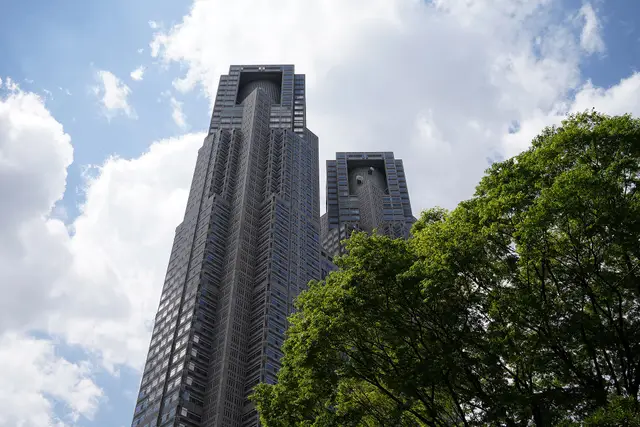
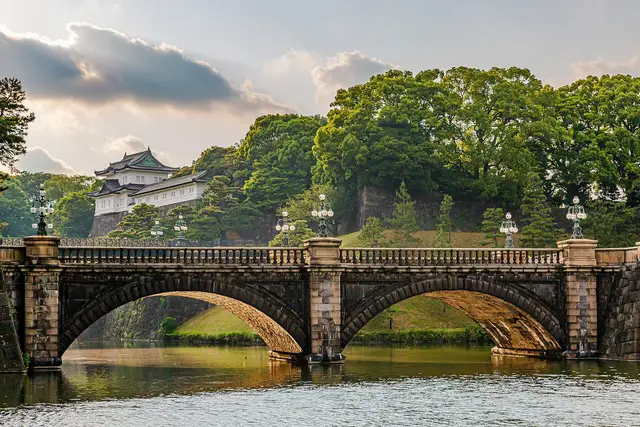
Night skyline of Tokyo with the illuminated Tokyo Tower David Kernan (CC BY 4.0) / Kaminarimon Gate of Senso-ji with its huge red lantern Kakidai (CC BY-SA 3.0) / Crowds crossing the Shibuya Scramble Crossing at dusk Benh LIEU SONG (Flickr) (CC BY-SA 2.0) / The main hall of Meiji Jingu beyond a wide gravel courtyard Hyppolyte de Saint-Rambert (CC BY-SA 4.0) / The twin towers of the Tokyo Metropolitan Government Building Eavesdropper6735 (CC BY 4.0) / Cherry trees in full bloom and lanterns in Ueno Park Syced (CC0) / The stone bridge to the Imperial Palace and Fushimi Turret Otto Domes (CC BY-SA 4.0)。已裁切並縮小。
當地的食物
Tokyo流傳下來的鄉土料理。很多是家庭和地方自己做的菜,有些在餐廳裡吃不到。
Nigiri zushi
にぎりずし
Nigiri-zushi is a typical Japanese dish consisting of vinegared rice topped with ingredients.
- 流傳地區
- Around Tokyo Bay and throughout Tokyo
Kanpyo-maki
かんぴょう巻き
Kanpyo-maki is a type of sushi roll that is made by boiling kanpyo in water to give it a sweet-salty flavor and then wrapping it with vinegared rice and seaweed.
- 流傳地區
- Around Tokyo Bay, all of Tokyo
Anago Sushi
穴子寿司
"Anago sushi" is a type of sushi where eel, simmered and cut into a fillet, is placed on top of vinegared rice and brushed with a sauce called "tsume."
- 流傳地區
- Around Tokyo Bay Area
Monja yaki
もんじゃ焼き
Around the 1950s, when food was scarce, simple monjayaki, made by dissolving udon flour and adding soy sauce and syrup, was widely popular among children.
- 流傳地區
- Tsukishima area, all over Tokyo
Oden
おでん
Oden is a dish in which various ingredients called "tane" such as Satsuma-age, daikon radish, konnyaku, and chikuwabu are cooked in a broth made from dried bonito flakes and kelp, and seasonings…
- 流傳地區
- All over Tokyo
Tempura
てんぷら
Tempura is a fried dish where flour is sprinkled onto ingredients such as seafood and vegetables, dipped in a liquid coating of egg mixed with flour, and fried in vegetable oil.
- 流傳地區
- All areas throughout Tokyo
「尋找吃得到的店」會用料理名稱和地名開啟地圖應用程式的搜尋。搜尋出的店不是本站挑選或推薦的。是否供應這道料理,請向店家確認。
出處:根據農林水產省「うちの郷土料理 (Our Regional Cuisines)」加工製作(2026-11-15 取得) https://www.maff.go.jp/e/policies/market/k_ryouri/index.html. 名稱、流傳地區和食材依原頁面所寫,介紹是原文的一部分。不使用照片。本頁面不是農林水產省製作的。料理名稱和介紹以英語顯示。