名古屋指南
Nagoya Castle and Atsuta Shrine, the lively Osu and Sakae districts, and museums of industry. A big city that is easy to cover by subway, with its own dishes such as miso cutlet and grilled eel on rice.
景點 經典10處
「經典」和「內行才知道」是本站編輯的選擇,並非人氣排名的調查結果。
- 5
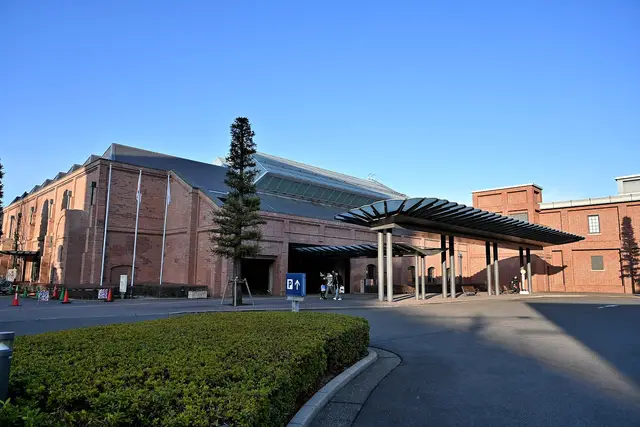
豐田產業技術紀念館
In a red-brick former factory, working machines show how looms and cars are made. Staff give live demonstrations.
- 歷史・建築
- 親子
約2小時收費雨天也可遊覽輪椅・嬰兒車可通行
電車 · 從Nagoya約15分鐘 ・ Meitetsu to Sako, then about 3 minutes on foot; or about 25 minutes on foot from Nagoya Station ・ 1.5km
在地圖上查看
經典內行才知道
推薦遊覽路線
時間以9:00出發為例。移動時間按距離估算,會因候車和擁擠而變化。
Nagoya Castle, Sakae, then Osu
9:00出發 → 約15:43結束(約6.5小時)
- 9:00Nagoya
搭車約20分鐘
9:20名古屋城停留約2小時搭車約15分鐘
11:35文化之道二葉館停留約45分鐘步行約27分鐘
12:47榮(綠洲21・電視塔)停留約60分鐘步行約26分鐘
14:13大須觀音・大須商店街停留約1.5小時
All linked by the Meijo subway line. Osu is good for street food, so you could have lunch there.
依此順序制定周遊計畫Industry museums and an old quarter near the station
9:00出發 → 約13:45結束(約5小時)
- 9:00Nagoya
搭車約15分鐘
9:15豐田產業技術紀念館停留約2小時步行約11分鐘
11:26則武之森停留約60分鐘步行約19分鐘
12:45四間道・圓頓寺商店街停留約60分鐘
All three are within walking distance of Nagoya Station. Good for a rainy day or a half day before or after a train.
依此順序制定周遊計畫
何時去
April–May and October–November are the most pleasant. August averages over 28°C and is humid. June–September is rainy; winter is dry and sunny.
指向月份即可查看該月的氣溫和降水量。
氣溫(線為平均,帶為最低至最高)
降水量(mm)
觀賞期參考
Cherry blossoms (Nagoya Castle)
Nagoya Festival
Autumn leaves (Tokugawaen)
以表格查看
| 1月 | 2月 | 3月 | 4月 | 5月 | 6月 | 7月 | 8月 | 9月 | 10月 | 11月 | 12月 | |
|---|---|---|---|---|---|---|---|---|---|---|---|---|
| 最高 (℃) | 9.3 | 10.5 | 14.5 | 20.1 | 24.6 | 27.6 | 31.4 | 33.2 | 29.1 | 23.3 | 17.3 | 11.7 |
| 平均 (℃) | 4.8 | 5.5 | 9.2 | 14.6 | 19.4 | 23 | 26.9 | 28.2 | 24.5 | 18.6 | 12.6 | 7.2 |
| 最低 (℃) | 1.1 | 1.4 | 4.6 | 9.7 | 14.9 | 19.4 | 23.5 | 24.7 | 21 | 14.8 | 8.6 | 3.4 |
| 降水量 (mm) | 50.8 | 64.7 | 116.2 | 127.5 | 150.3 | 186.5 | 211.4 | 139.5 | 231.6 | 164.7 | 79.1 | 56.6 |
氣溫和降水量為日本氣象廳的平年值(1991〜2020年,Nagoya)。觀賞期為往年參考,每年可能相差1〜2週。 氣象廳資料
主要交通方式
Nagoya Municipal Subway
Higashiyama Line: Nagoya Station to Sakae and Fujigaoka. Meijo Line: the castle and Atsuta. Meiko Line: the port. Change lines at Sakae or Kanayama. A one-day pass is sold.
Me~guru sightseeing loop bus
From Nagoya Station past the Toyota museum, Noritake Garden, Nagoya Castle, Tokugawaen, the Cultural Path and Sakae. It does not run every day of the week.
Meitetsu and the Aonami Line
Meitetsu trains go to Jingu-mae (Atsuta Shrine), Arimatsu and Inuyama. The Aonami Line goes to Kinjo-futo for the railway museum and LEGOLAND. Both start at Nagoya Station.
Meitetsu μ-SKY (Centrair airport)
About 30 minutes from Chubu Centrair Airport to Meitetsu Nagoya. All seats are reserved, so you need a seat ticket on top of the fare.
Tokaido Shinkansen
By Nozomi, about 1 hour 40 minutes from Tokyo, 35 minutes from Kyoto and 50 minutes from Shin-Osaka. Every train stops at Nagoya.
前往Nagoya的方式
「經典」和「內行才知道」由本站編輯挑選,並非人氣排名的調查結果。所需時間僅供參考。票價、營業時間和運行日請在出發前確認官方資訊。
照片與資料出處
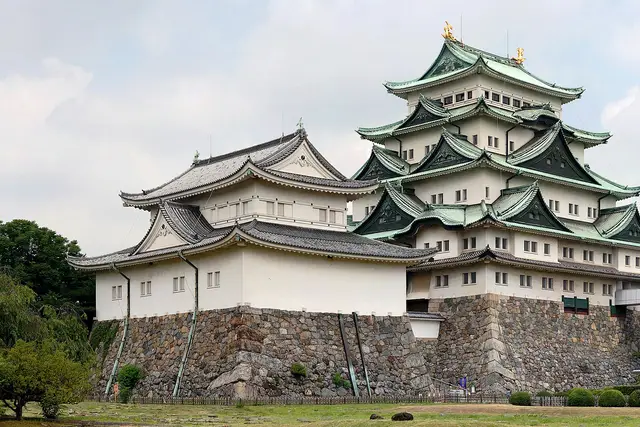
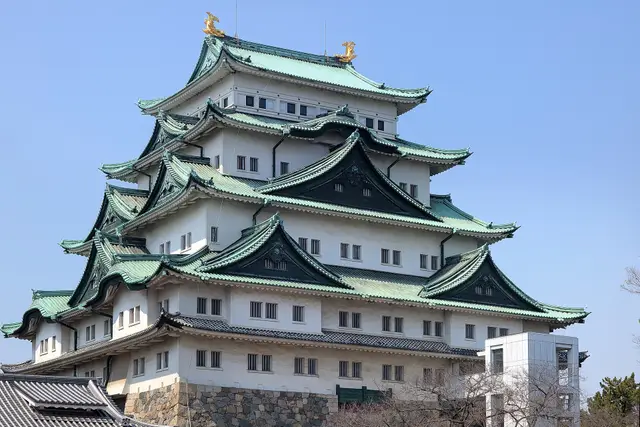
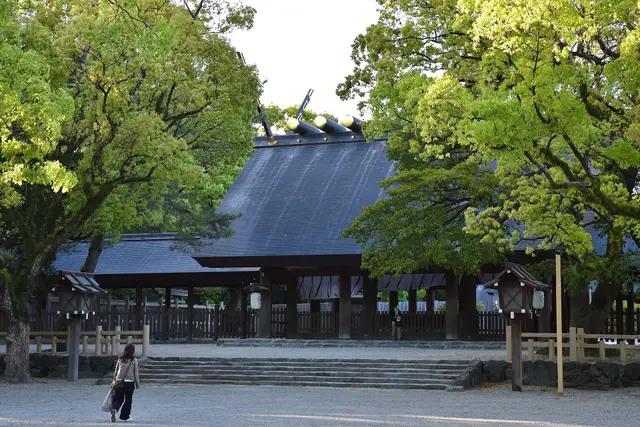
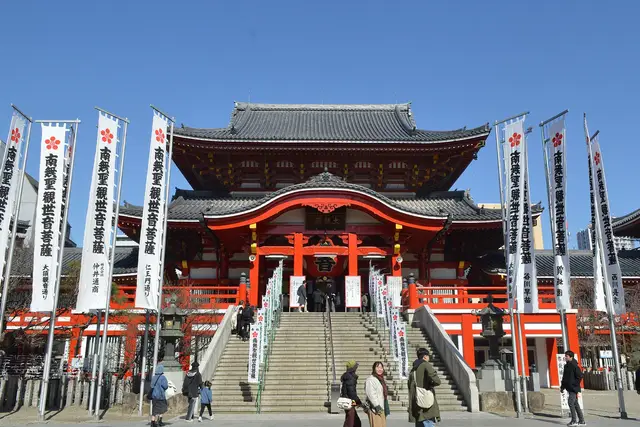
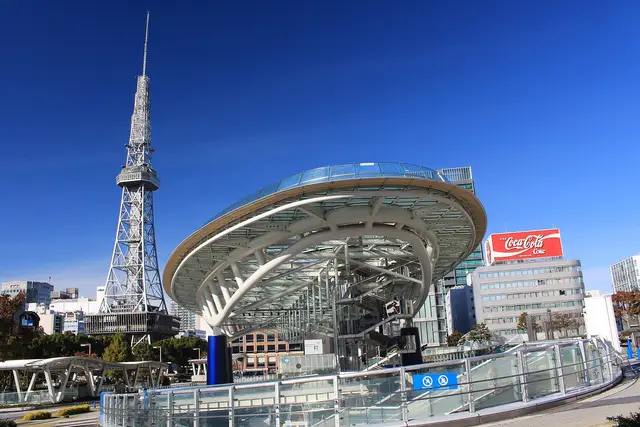
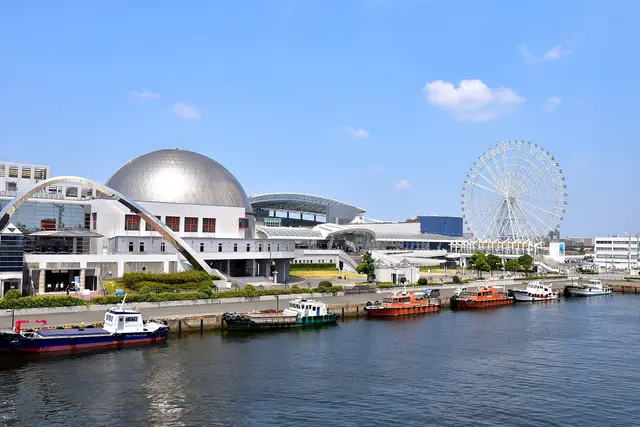
Nagoya Castle keep topped with golden shachihoko Base64 edit by Noodle snacks (CC BY-SA 3.0) / The green-roofed main keep of Nagoya Castle against a blue sky Syced (CC0) / The main sanctuary of Atsuta Jingu among tall trees Bariston (CC BY-SA 4.0) / The vermilion main hall of Osu Kannon temple Asturio Cantabrio (CC BY-SA 4.0) / The glass roof of Oasis 21 with the Nagoya TV Tower behind Alpsdake (CC BY-SA 4.0) / The red-brick Toyota Commemorative Museum of Industry and Technology Bariston (CC BY-SA 4.0) / Port of Nagoya Public Aquarium on the waterfront, with a Ferris wheel Bariston (CC BY-SA 4.0)。已裁切並縮小。
當地的食物
Aichi流傳下來的鄉土料理。很多是家庭和地方自己做的菜,有些在餐廳裡吃不到。
Hakozushi
箱ずし
“Hakozushi” can be found all over Japan. It is a type of sushi made by filling a square wooden box with sushi rice, placing the ingredients on top, and then pressing them down from above.
- 流傳地區
- The entire prefecture centering on the Owari area and Nishimikawa area
Kashiwa no Hikizuri (Chiken Hot Pot)
かしわのひきずり
Kashiwa (chicken meat) has been a favorite dish in Aichi Prefecture.
- 流傳地區
- Owari,Oku-Mikawa Area
Oni-manju
鬼まんじゅう
“Oni-manju” was made with sweet potatoes and wheat flour, which were relatively easy to obtain during and after the war when food was scarce, and it became popular as a staple food instead of rice.
- 流傳地區
- The entire prefecture centering on Nagoya city
Moroko-zushi (Sushi with ‘Moroko’ Willow Gudgeon)
もろこずし
In the waterfront of Owari region, which has many small rivers running everywhere, there are many local dishes used river fish like crucian carp, catfish and striped mullet. ‘Moroko-zushi’…
- 流傳地區
- Owari Region
Funa Miso (Crucian carp Miso)
ふな味噌
"Funa Miso(Crucian carp Miso)" is a freshwater fish dish found in the lower reaches of the Kiso Three Rivers, which collectively refer to the three rivers, Kiso River, Nagaragawa River, and Ibigawa…
- 流傳地區
- Owari Area, Kisosansen Area
Tako-meshi(octopus rice)
たこ飯
“Tako-meshi” (octopus rice) is said to have been a type of fisherman's meal in which octopus caught by fishermen was chopped into small pieces on the boat and cooked with rice.
- 流傳地區
- Owari area / Himakajima
「尋找吃得到的店」會用料理名稱和地名開啟地圖應用程式的搜尋。搜尋出的店不是本站挑選或推薦的。是否供應這道料理,請向店家確認。
出處:根據農林水產省「うちの郷土料理 (Our Regional Cuisines)」加工製作(2026-11-15 取得) https://www.maff.go.jp/e/policies/market/k_ryouri/index.html. 名稱、流傳地區和食材依原頁面所寫,介紹是原文的一部分。不使用照片。本頁面不是農林水產省製作的。料理名稱和介紹以英語顯示。