나고야 가이드
Nagoya Castle and Atsuta Shrine, the lively Osu and Sakae districts, and museums of industry. A big city that is easy to cover by subway, with its own dishes such as miso cutlet and grilled eel on rice.
볼거리 대표 10곳
'대표 명소'와 '아는 사람만 아는 곳'은 이 사이트의 편집부가 고른 것이며, 인기 순위를 조사한 것이 아닙니다.
- 5
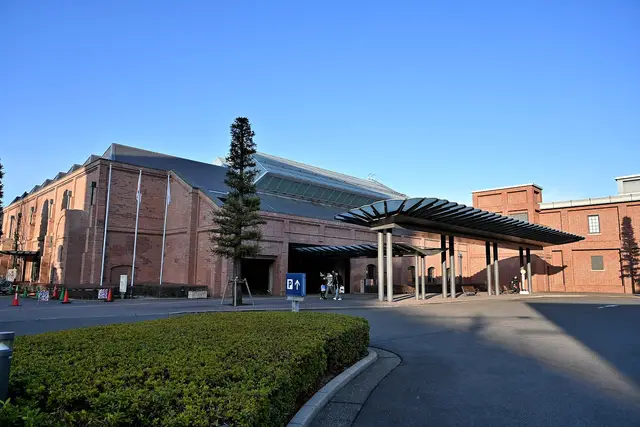
도요타 산업기술 기념관
In a red-brick former factory, working machines show how looms and cars are made. Staff give live demonstrations.
- 역사·건축
- 아이와 함께
약 2시간유료비 오는 날도 OK휠체어·유모차로 둘러볼 수 있음
전철 · Nagoya에서 약 15분 ・ Meitetsu to Sako, then about 3 minutes on foot; or about 25 minutes on foot from Nagoya Station ・ 1.5km
지도에서 보기
대표아는 사람만 아는 곳
추천 코스
시각은 9:00에 출발한 경우의 기준입니다. 이동 시간은 거리로 어림한 것으로, 대기와 혼잡에 따라 달라집니다.
Nagoya Castle, Sakae, then Osu
9:00 출발 → 15:43쯤까지(약 6.5시간)
- 9:00Nagoya
교통편으로 약 20분
9:20나고야성머무는 시간 약 2시간교통편으로 약 15분
11:35문화의 길 후타바관머무는 시간 약 45분도보 약 27분
12:47사카에(오아시스 21・TV 타워)머무는 시간 약 60분도보 약 26분
14:13오스 관음・오스 상점가머무는 시간 약 1.5시간
All linked by the Meijo subway line. Osu is good for street food, so you could have lunch there.
이 순서로 주유 플랜 만들기Industry museums and an old quarter near the station
9:00 출발 → 13:45쯤까지(약 5시간)
- 9:00Nagoya
교통편으로 약 15분
9:15도요타 산업기술 기념관머무는 시간 약 2시간도보 약 11분
11:26노리타케의 숲머무는 시간 약 60분도보 약 19분
12:45시케미치・엔도지 상점가머무는 시간 약 60분
All three are within walking distance of Nagoya Station. Good for a rainy day or a half day before or after a train.
이 순서로 주유 플랜 만들기
언제 갈까
April–May and October–November are the most pleasant. August averages over 28°C and is humid. June–September is rainy; winter is dry and sunny.
달을 가리키면 그 달의 기온과 강수량이 표시됩니다.
기온(선은 평균, 띠는 최저에서 최고까지)
강수량(mm)
볼거리 시기 기준
Cherry blossoms (Nagoya Castle)
Nagoya Festival
Autumn leaves (Tokugawaen)
표로 보기
| 1월 | 2월 | 3월 | 4월 | 5월 | 6월 | 7월 | 8월 | 9월 | 10월 | 11월 | 12월 | |
|---|---|---|---|---|---|---|---|---|---|---|---|---|
| 최고 (℃) | 9.3 | 10.5 | 14.5 | 20.1 | 24.6 | 27.6 | 31.4 | 33.2 | 29.1 | 23.3 | 17.3 | 11.7 |
| 평균 (℃) | 4.8 | 5.5 | 9.2 | 14.6 | 19.4 | 23 | 26.9 | 28.2 | 24.5 | 18.6 | 12.6 | 7.2 |
| 최저 (℃) | 1.1 | 1.4 | 4.6 | 9.7 | 14.9 | 19.4 | 23.5 | 24.7 | 21 | 14.8 | 8.6 | 3.4 |
| 강수량 (mm) | 50.8 | 64.7 | 116.2 | 127.5 | 150.3 | 186.5 | 211.4 | 139.5 | 231.6 | 164.7 | 79.1 | 56.6 |
기온과 강수량은 일본 기상청의 평년값(1991〜2020년, Nagoya)입니다. 볼거리 시기는 예년 기준이며 해마다 1〜2주 차이가 날 수 있습니다. 기상청 데이터
주요 교통수단
Nagoya Municipal Subway
Higashiyama Line: Nagoya Station to Sakae and Fujigaoka. Meijo Line: the castle and Atsuta. Meiko Line: the port. Change lines at Sakae or Kanayama. A one-day pass is sold.
Me~guru sightseeing loop bus
From Nagoya Station past the Toyota museum, Noritake Garden, Nagoya Castle, Tokugawaen, the Cultural Path and Sakae. It does not run every day of the week.
Meitetsu and the Aonami Line
Meitetsu trains go to Jingu-mae (Atsuta Shrine), Arimatsu and Inuyama. The Aonami Line goes to Kinjo-futo for the railway museum and LEGOLAND. Both start at Nagoya Station.
Meitetsu μ-SKY (Centrair airport)
About 30 minutes from Chubu Centrair Airport to Meitetsu Nagoya. All seats are reserved, so you need a seat ticket on top of the fare.
Tokaido Shinkansen
By Nozomi, about 1 hour 40 minutes from Tokyo, 35 minutes from Kyoto and 50 minutes from Shin-Osaka. Every train stops at Nagoya.
Nagoya 가는 방법
'대표'와 '아는 사람만 아는 곳'은 이 사이트 편집자가 고른 것이며, 인기 순위를 조사한 것이 아닙니다. 소요 시간은 기준입니다. 요금·영업시간·운행일은 출발 전에 공식 안내를 확인해 주세요.
사진·데이터 출처
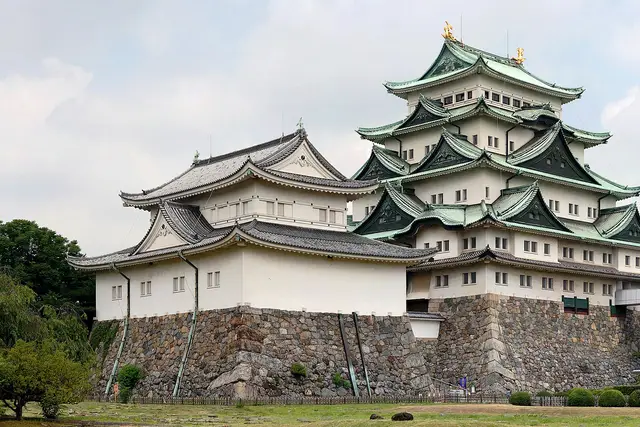
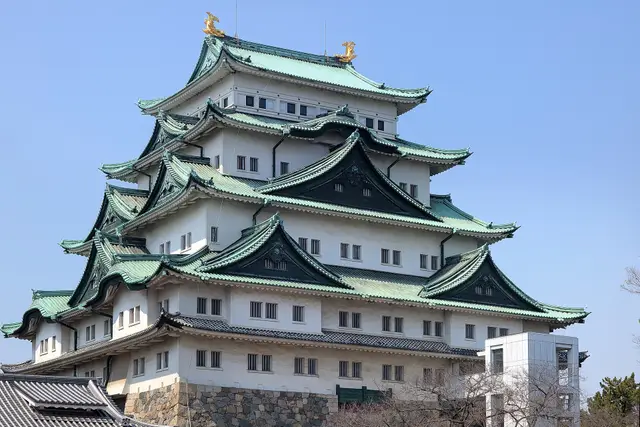
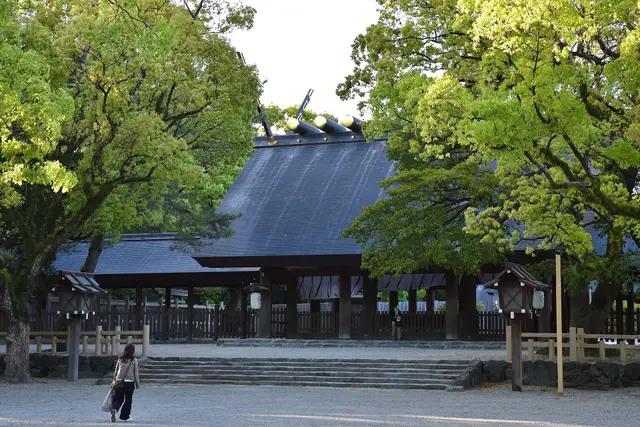
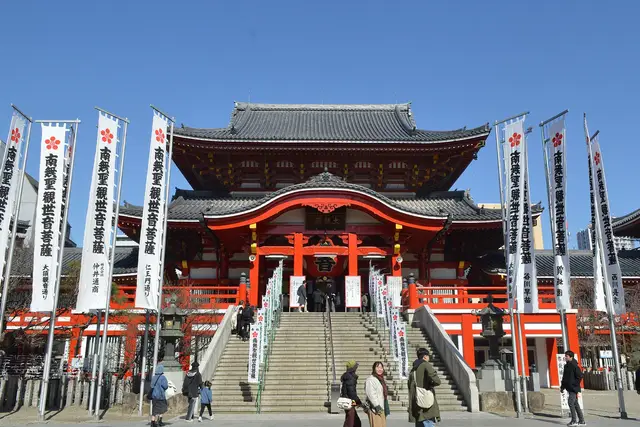
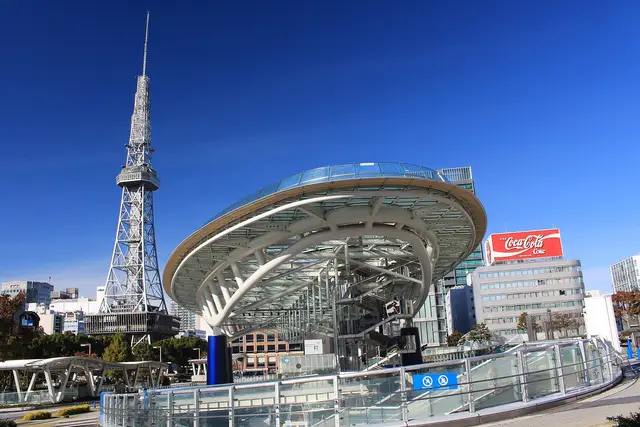
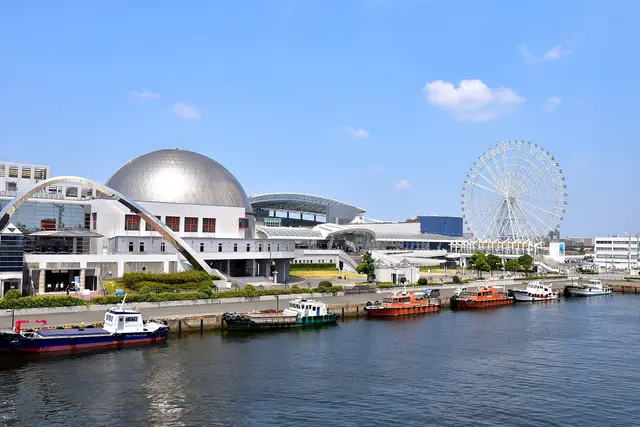
Nagoya Castle keep topped with golden shachihoko Base64 edit by Noodle snacks (CC BY-SA 3.0) / The green-roofed main keep of Nagoya Castle against a blue sky Syced (CC0) / The main sanctuary of Atsuta Jingu among tall trees Bariston (CC BY-SA 4.0) / The vermilion main hall of Osu Kannon temple Asturio Cantabrio (CC BY-SA 4.0) / The glass roof of Oasis 21 with the Nagoya TV Tower behind Alpsdake (CC BY-SA 4.0) / The red-brick Toyota Commemorative Museum of Industry and Technology Bariston (CC BY-SA 4.0) / Port of Nagoya Public Aquarium on the waterfront, with a Ferris wheel Bariston (CC BY-SA 4.0). 잘라내고 축소했습니다.
이 지역의 음식
Aichi에 전해 내려오는 향토 요리입니다. 가정과 지역에서 만들어 온 요리가 많아, 식당에서 팔지 않는 것도 있습니다.
Hakozushi
箱ずし
“Hakozushi” can be found all over Japan. It is a type of sushi made by filling a square wooden box with sushi rice, placing the ingredients on top, and then pressing them down from above.
- 전해지는 지역
- The entire prefecture centering on the Owari area and Nishimikawa area
Kashiwa no Hikizuri (Chiken Hot Pot)
かしわのひきずり
Kashiwa (chicken meat) has been a favorite dish in Aichi Prefecture.
- 전해지는 지역
- Owari,Oku-Mikawa Area
Oni-manju
鬼まんじゅう
“Oni-manju” was made with sweet potatoes and wheat flour, which were relatively easy to obtain during and after the war when food was scarce, and it became popular as a staple food instead of rice.
- 전해지는 지역
- The entire prefecture centering on Nagoya city
Moroko-zushi (Sushi with ‘Moroko’ Willow Gudgeon)
もろこずし
In the waterfront of Owari region, which has many small rivers running everywhere, there are many local dishes used river fish like crucian carp, catfish and striped mullet. ‘Moroko-zushi’…
- 전해지는 지역
- Owari Region
Funa Miso (Crucian carp Miso)
ふな味噌
"Funa Miso(Crucian carp Miso)" is a freshwater fish dish found in the lower reaches of the Kiso Three Rivers, which collectively refer to the three rivers, Kiso River, Nagaragawa River, and Ibigawa…
- 전해지는 지역
- Owari Area, Kisosansen Area
Tako-meshi(octopus rice)
たこ飯
“Tako-meshi” (octopus rice) is said to have been a type of fisherman's meal in which octopus caught by fishermen was chopped into small pieces on the boat and cooked with rice.
- 전해지는 지역
- Owari area / Himakajima
‘먹을 수 있는 가게 찾기’는 요리 이름과 지명으로 지도 앱 검색을 엽니다. 검색에 나오는 가게는 이 사이트가 고르거나 추천한 것이 아닙니다. 그 요리가 있는지는 가게에 확인해 주세요.
출처: 농림수산성 ‘うちの郷土料理 (Our Regional Cuisines)’를 가공하여 작성 (2026-11-15 가져옴) https://www.maff.go.jp/e/policies/market/k_ryouri/index.html. 이름·전해지는 지역·재료는 원문 그대로이며, 설명은 원문의 일부입니다. 사진은 싣지 않았습니다. 이 페이지는 농림수산성이 만든 것이 아닙니다. 요리 이름과 설명은 영어로 표시됩니다.