메뉴
선택하면 첫 화면에 먼저 나오는 표시(갈 곳 찾기/가는 방법 찾기)와 순서, 검색의 처음 설정이 바뀝니다. 이 기기에만 저장합니다.
‘근처’를 선택했을 때만 현재 위치를 묻습니다. 위치는 저장하지 않습니다(가장 가까운 지역까지만 기억합니다).
경로를 검색한 뒤 '경로 저장'을 누르면 여기에서 바로 열 수 있습니다.
이 기기에만 저장됩니다. 로그인은 필요 없습니다.
경로를 찾을 때 항상 쓰는 조건입니다. 이 기기에만 저장합니다.
장소 이름이나 하고 싶은 일로 찾을 수 있습니다. 지역, 볼거리, 테마, 이벤트를 한꺼번에 찾습니다.
로그인하면 방문 기록과 랭크가 남고, 다른 기기에서도 볼 수 있습니다.
‘美術館・博物館’ 검색 결과: 78건
결과가 많아 위에서부터 68건을 보여 드립니다. 단어를 더해 좁혀 보세요(예: ‘교토 절’).
장소홋카이도 · 삿포로
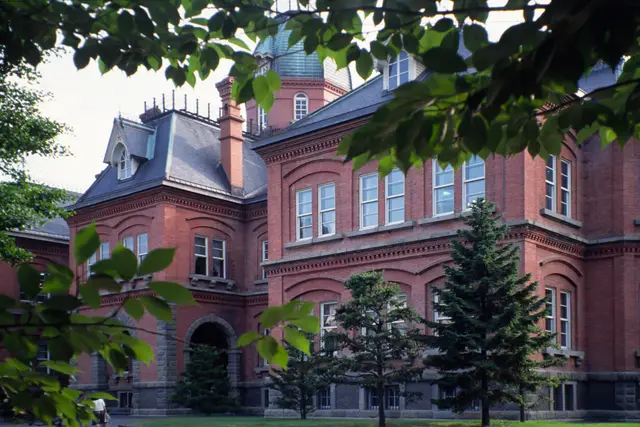
A red-brick government building from 1888. The front garden with its ponds and trees is a short, pleasant walk from the station.
장소홋카이도 · 오타루
A glass shop in a stone warehouse from the 1890s, known for its cafe hall lit only by oil lamps.
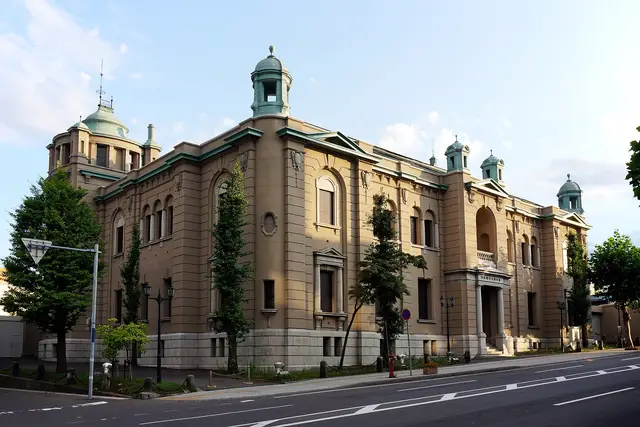
A bank building from 1912. Exhibits on money and Otaru's history fill the old banking hall with its high ceiling.
장소홋카이도 · 하코다테
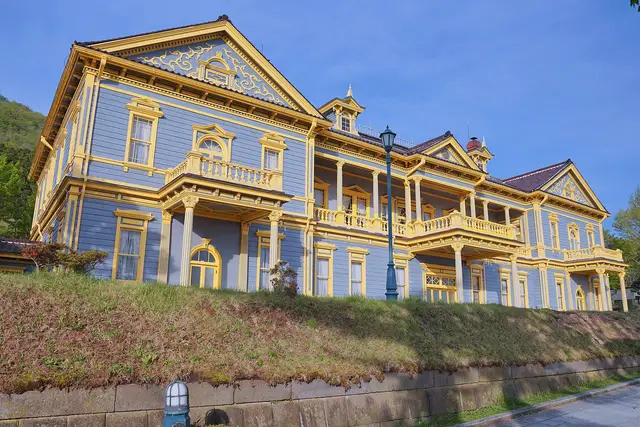
A blue and yellow Western-style hall from 1910. The balcony looks out over the harbor.
장소도호쿠 · 센다이
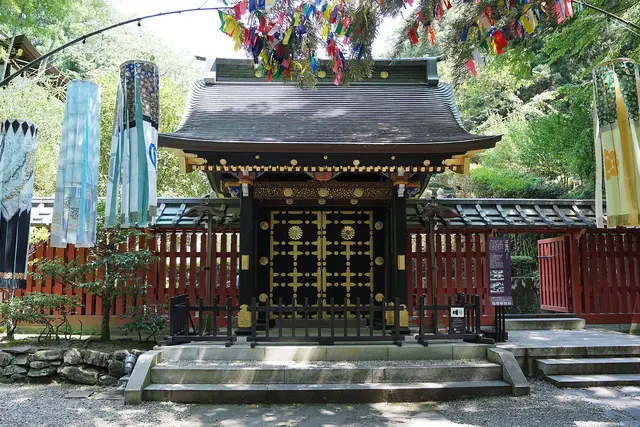
The mausoleum of Date Masamune. Stone steps through tall cedars lead up to a hall covered in brightly colored carvings.
A Zen temple in Matsushima rebuilt by Date Masamune. The main hall is a National Treasure, with paintings on gold sliding doors.
장소간토 · 닛코
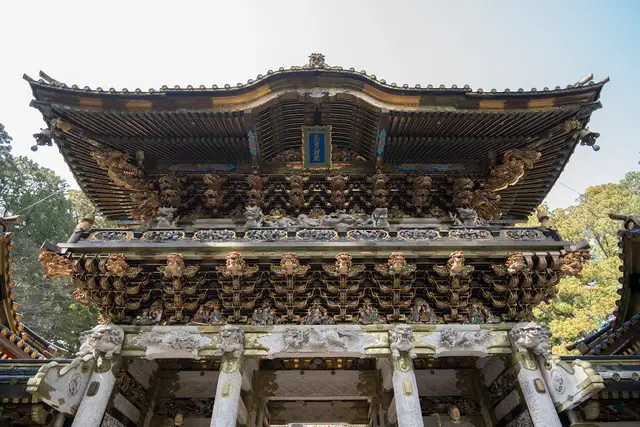
The shrine to Tokugawa Ieyasu, famous for richly colored carvings such as the Yomeimon Gate, the Sleeping Cat and the Three Wise Monkeys.
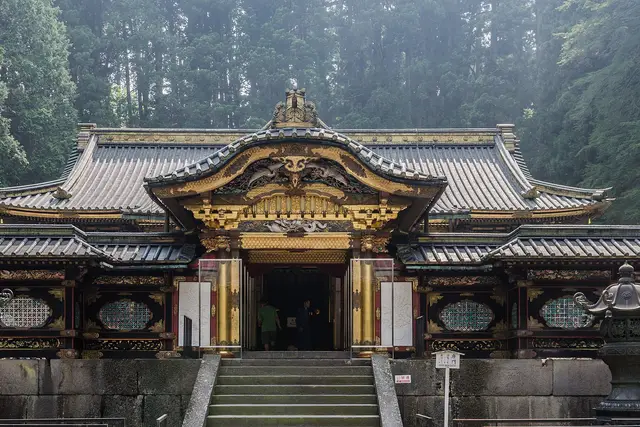
The mausoleum of the third shogun, Tokugawa Iemitsu. Its gold and black design is more restrained, and it is quieter than Toshogu.
장소간토 · 도쿄
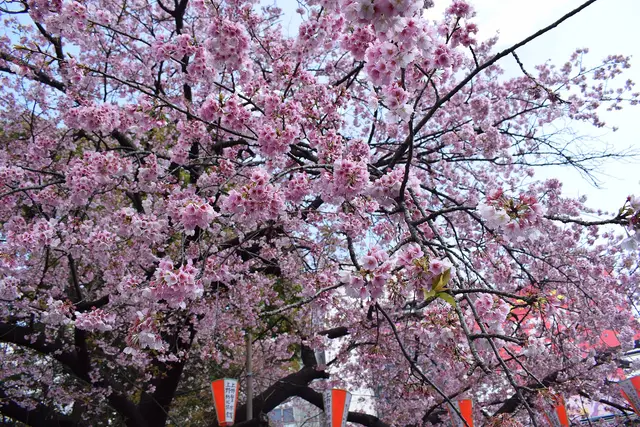
A park with major museums and a zoo, famous for cherry blossoms in spring. The Ameyoko market street runs south of the station.
장소간토 · 하코네
An outdoor museum with sculptures spread across wide lawns against the mountains. There is a Picasso pavilion and a foot bath.
A museum of glass and light set in the forest. It shows Impressionists such as Monet and Renoir, and has a walking trail through the woods.
A museum of Venetian glass. Glass decorations sparkle in the garden around its pond.
장소주부·호쿠리쿠 · 가나자와
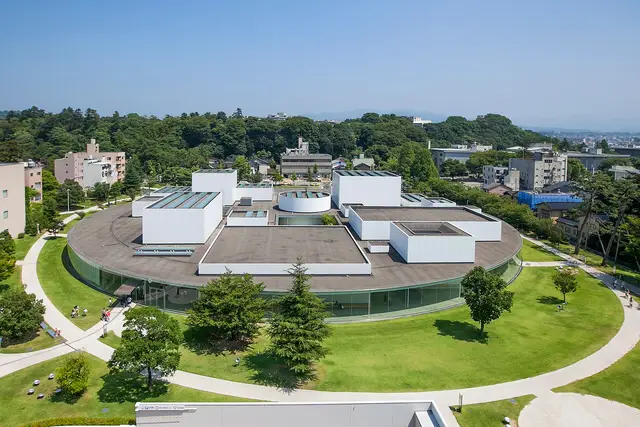
A round, glass-walled museum of contemporary art. The piece that lets you stand under a swimming pool is the favorite. Busy on holidays.
장소주부·호쿠리쿠 · 히다 다카야마
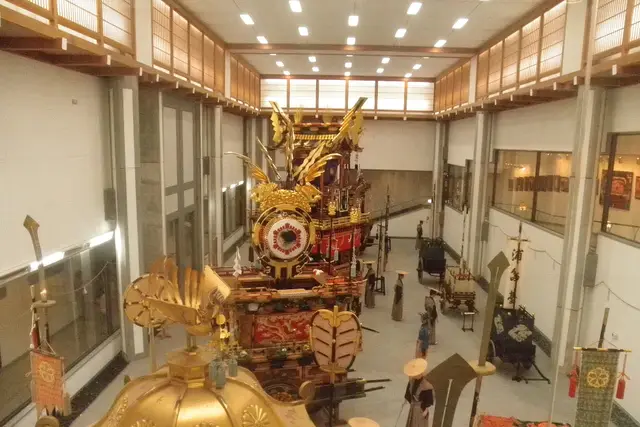
See real, richly decorated floats from the autumn Takayama Festival all year round, in the grounds of the festival's shrine.
Two large Meiji-era merchant houses side by side, admired for the massive beams and posts crossing their high open halls.
장소주부·호쿠리쿠 · 마쓰모토
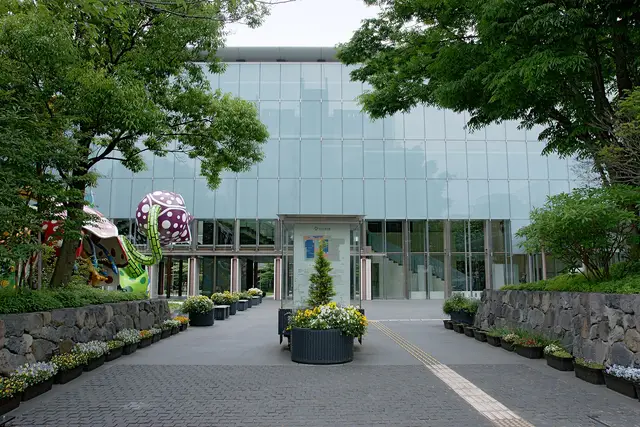
Always shows works by Yayoi Kusama, who was born in Matsumoto. Her giant flower sculpture stands in front of the building.
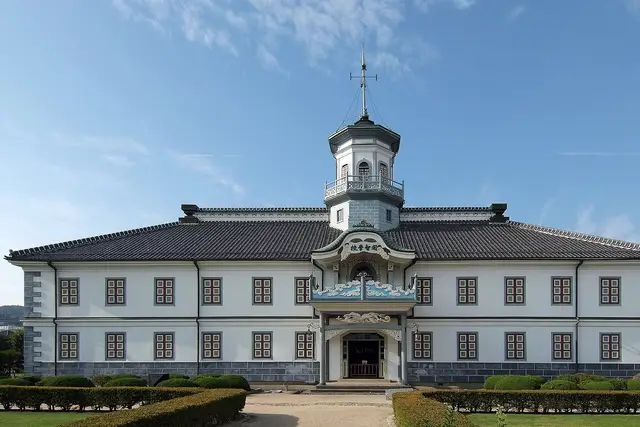
A school built in the 1870s in a mix of Western and Japanese styles; a National Treasure. About 10 minutes on foot north of the castle.
장소주부·호쿠리쿠 · 나고야
A Japanese garden around a pond, and a museum of swords, tea utensils and Noh costumes handed down in the Owari Tokugawa family.
장소간사이 · 교토
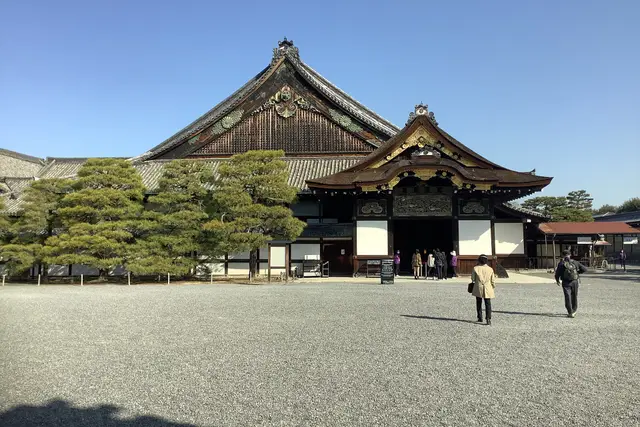
The Tokugawa shoguns' castle in Kyoto. Walk through the palace to see gold-ground screen paintings and floors that chirp underfoot.
장소간사이 · 나라
See the Ashura and other famous statues up close in the National Treasure Hall. The vermilion Central Golden Hall was rebuilt in 2018.
A museum strong in Buddhist statues and art. In autumn it shows treasures from the Shosoin storehouse, and gets very crowded.
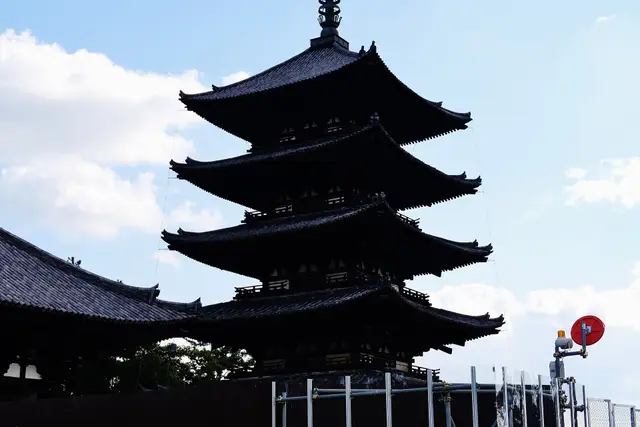
Home to the world's oldest wooden buildings: a pagoda and main hall about 1,300 years old. Among Japan's first World Heritage sites.
장소간사이 · 히메지
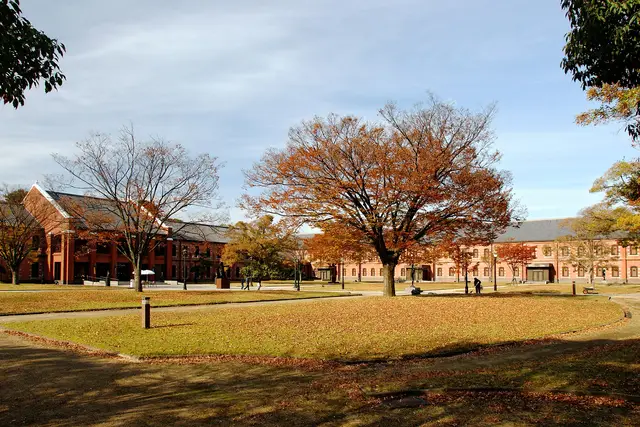
An art museum in Meiji-era red-brick buildings just east of the castle. From its lawn you see the keep rising behind the brick.
장소주고쿠 · 오카야마・구라시키
Japan's first private museum centered on Western art, with paintings by El Greco, Monet and others.
장소주고쿠 · 마쓰에・이즈모
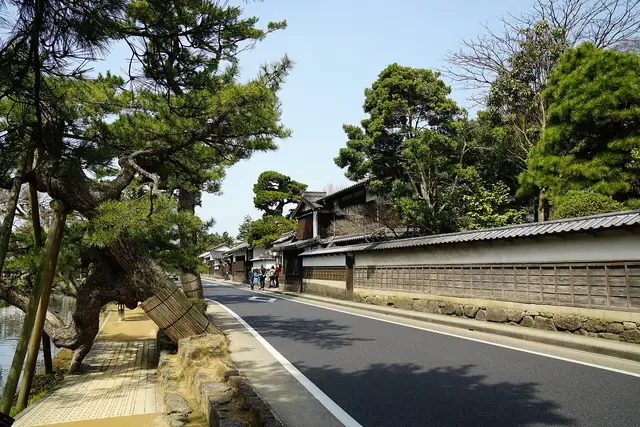
A street of samurai houses along the moat, with the former home of writer Lafcadio Hearn (Koizumi Yakumo) and a museum about him.
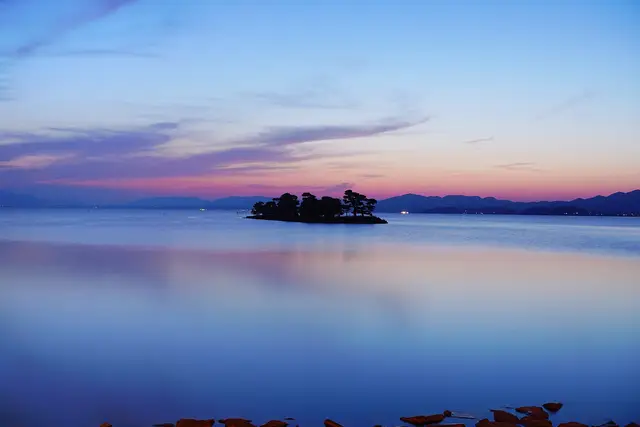
A museum on the lakeshore. The shore just to the south is the well-known place to watch the sun set behind tiny Yomegashima island.
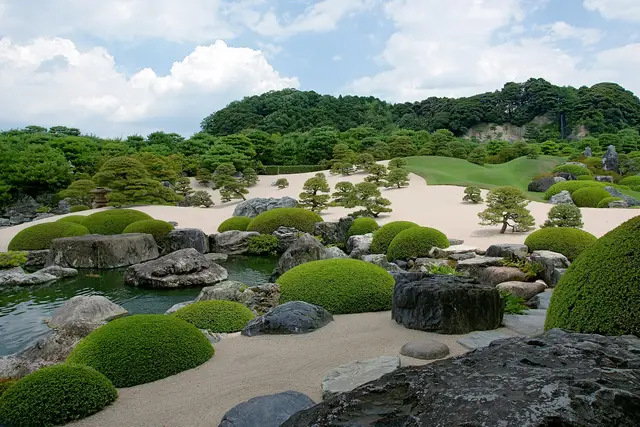
A museum known for paintings by Yokoyama Taikan and a large, immaculate Japanese garden, which you view through the windows.
장소시코쿠 · 다카마쓰
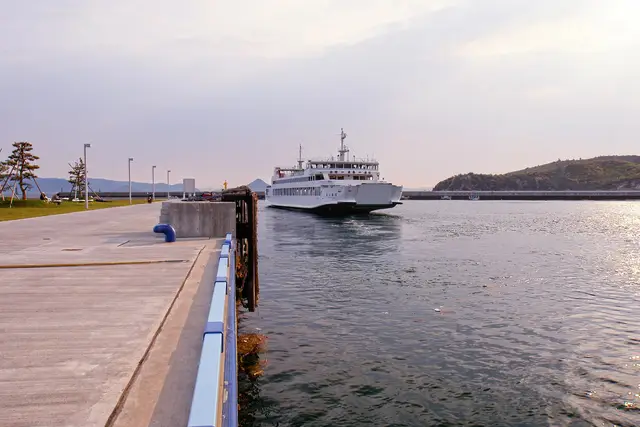
An island of contemporary art: the red pumpkin at the port, the Chichu Art Museum and art in old houses. Some museums need reservations.
An island said to be the ogres' island in the Momotaro tale. A large cave near the hilltop is reached by bus from the port.
An open-air museum of old farmhouses and workshops moved from around Shikoku, set on a wooded slope at the foot of Yashima.
장소시코쿠 · 마쓰야마・도고 온천
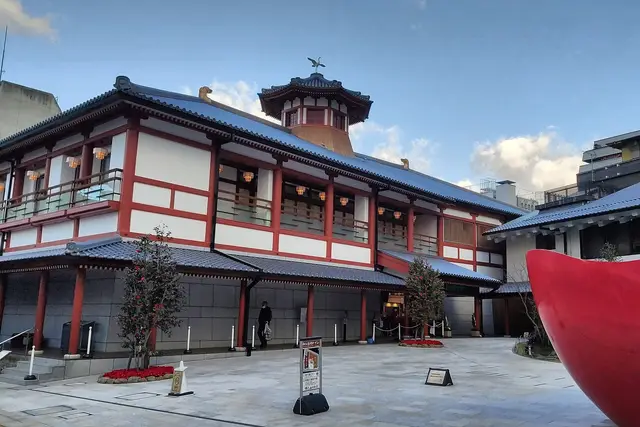
A newer bathhouse styled after the architecture of the Asuka period and decorated with Ehime's traditional crafts. It has an open-air bath.
A French-style villa from the 1920s at the foot of the castle hill. In front of it stands a museum designed by Tadao Ando.
장소규슈 · 후쿠오카・하카타
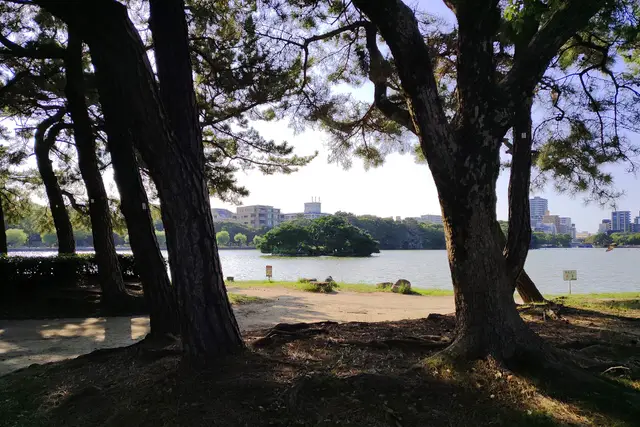
A park with a path all around a large pond, and bridges across the islands in the middle. A Japanese garden and an art museum are next door.
A museum reached by a moving-walkway tunnel from beside Dazaifu Tenmangu. It shows the history of exchange between Japan and Asia.
장소오키나와 · 나하
A stone-paved street of kilns and shops selling yachimun, Okinawan pottery. You can buy tableware and shisa lion-dog figures.
A vast park designed by sculptor Isamu Noguchi, with a glass pyramid and man-made hills you can climb.
Designed by architect Tadao Ando: only the head of a great Buddha shows above a hill, which is covered in lavender in summer.
The villa of a family made rich by herring fishing. Painted sliding doors and fine carvings show how lavishly it was built.
An imperial villa built as a retreat for the future Emperor Taisho. The large wooden residence and its garden are open to visitors.
A museum in Saitama City devoted to bonsai, about 5 minutes on foot from Toro Station.
장소주부·호쿠리쿠 · 가와구치코・후지 5호
A museum of kimono works by textile artist Itchiku Kubota. The timber-and-stone buildings and the garden are part of the appeal.
A museum for the Kanazawa-born Buddhist philosopher. Sit quietly facing a still pool of water that mirrors the building.
A museum of crafts and design that moved here from Tokyo, housed in Meiji-era Western-style buildings. Walkable from Kenrokuen.
A museum holding a very large collection of woodblock prints gathered by a Matsumoto merchant family. On the western edge of town.
Everyday craft objects from Japan and abroad, shown in a storehouse-style building among quiet fields.
The former factory of Noritake tableware: red-brick buildings, green lawns, and a craft center where you can watch china being painted.
An orange-roofed Western-style house where the actress Kawakami Sadayakko lived in the 1920s, in a quiet area of old residences.
A small temple beyond Arashiyama with 1,200 stone figures, each with a different face, carved by ordinary people.
Two Japanese gardens side by side, very near Todai-ji. Isuien borrows Mt. Wakakusa and the temple roofs as part of its view.
In a hall from the 700s, twelve guardian statues stand in a ring around the Healing Buddha. A quiet temple in a residential area.
장소간사이 · 오사카
A slim island between two rivers, with a red-brick public hall and other old Western-style buildings, art museums and a rose garden.
장소간사이 · 고베
A museum of Japanese carpenters' saws, planes and chisels and the skills behind them, in a quiet building that smells of wood.
A building of concrete and water designed by the architect Tadao Ando, introducing Himeji's history and its writers.
장소주고쿠 · 히로시마・미야지마
A museum of contemporary art in a hilltop park. The park is known for cherry blossoms and has views over the city.
A museum of works by Takehisa Yumeji, a painter born in Okayama. Just across the bridge from Korakuen.
A small island with an art museum built in the ruins of a copper refinery. More artworks are scattered through the village.
An island village stacked up a steep slope and explored by narrow lanes. There are artworks in the alleys, and it is known for its cats.
The studio and garden of sculptor Isamu Noguchi, kept as he left them. Visits are by reservation only.
A contemporary art museum named after the painter Genichiro Inokuma, right in front of Marugame Station.
The home of Tobe ware, white porcelain painted in indigo. You can visit kiln shops and try painting a piece yourself.
장소규슈 · 구마모토・아소
A house where the novelist Natsume Soseki lived while teaching in Kumamoto. Repaired after the earthquakes and open to visitors.
장소간토 · 하라주쿠에서 걸어갈 수 있음
A museum devoted to ukiyo-e woodblock prints, rotating works by masters such as Hokusai and Hiroshige.
The zelkova-lined avenue leading to Meiji Jingu, lined with designer flagship stores and striking modern architecture.
장소간토 · 이케부쿠로에서 걸어갈 수 있음
A school building designed by Frank Lloyd Wright. Tour the low, horizontal wings and the hall with its large geometric windows.
An open-air theatre park under a giant ring. Fountains and lighting make it lovely after dark, and concerts are held here.
장소간사이 · 덴노지에서 걸어갈 수 있음
A museum in a historic building inside Tennoji Park, focusing on Japanese and Chinese art.
장소홋카이도 · 스스키노에서 걸어갈 수 있음
A long, narrow park along the Sosei River, which splits the city east and west. Brick artworks dot the riverside path.
장소규슈 · 덴진에서 걸어갈 수 있음
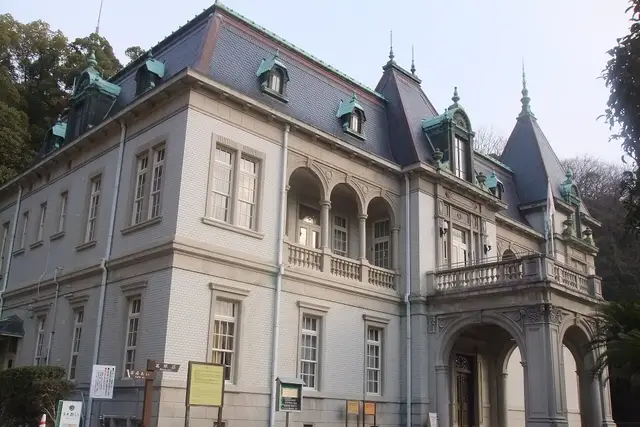
A 1909 red-brick and white-stone building designed by Tatsuno Kingo's firm, now a national Important Cultural Property.
역이나 주소는 경로 검색에서사진·데이터 출처