美食・美酒
边走边吃与市场
市场的早餐、商店街的小吃、夜晚的屋台。有些街道不希望边走边吃,在店门口吃完最稳妥。
仅显示北海道
仅显示东北
仅显示关东
仅显示中部・北陆
仅显示关西
仅显示中国地区
仅显示四国
仅显示九州
仅显示冲绳
按地区和都道府县整理了全国 428 种名产美食和 1364 种乡土料理。
查看名产・乡土料理一览地区
首字
48个目的地
点击地图上的点,即可跳到该地点的介绍。
北海道1
Hakodate Morning Market (Hakodate, Hokkaido)
尚未支持路线搜索A morning market in the Hakodate Station area. Shops open from early morning to early afternoon, with hours varying by shop.
东北6
Aomori Nokkedon Market (Aomori, Aomori)
尚未支持路线搜索Walk around the market stalls and build your own rice bowl, choosing seafood and side dishes from each shop with meal tickets.
Morioka Mikoda Morning Market (Morioka, Iwate)
尚未支持路线搜索A morning market held early almost every day, where local farmers sell vegetables, wild plants, pickles and more.
Sendai Asaichi Market Street (Sendai, Miyagi)
尚未支持路线搜索A market street within walking distance of Sendai Station, mostly fresh-food shops selling Miyagi produce, plus places to eat.
Akita Citizens' Market (Akita, Akita)
尚未支持路线搜索An indoor market known as Akita's kitchen, with shops for seafood, processed foods and produce. It opens early in the morning.
Yamagata Yatai Village Hotnaru Yokocho (Yamagata, Yamagata)
尚未支持路线搜索A food-stall village in Nanokamachi, Yamagata City, lined with small shops for grilled dishes, yakiniku, soba, ramen and local sake.
Iwaki Lalamew (Iwaki, Fukushima)
尚未支持路线搜索A facility at Onahama port with a seafood market, restaurants and souvenir shops.
关东8
- 1
筑地场外市场
景点Tokyo: sushi, rolled omelette and seafood bowls. Mornings are the main event.
- 2
丰洲市场
景点Tokyo's central wholesale market: viewing galleries and restaurants inside.
- 3
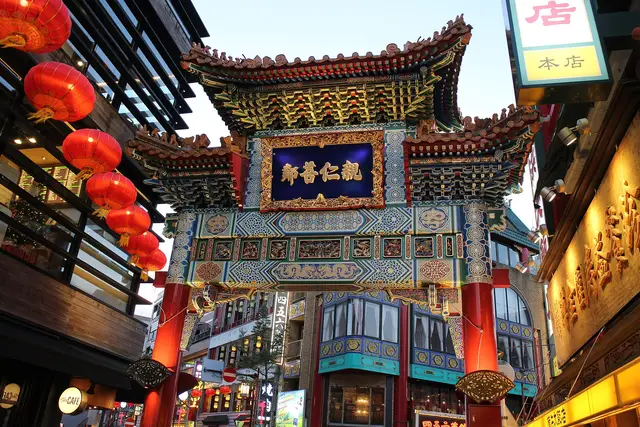
横滨中华街
景点Japan's largest Chinatown.
Nakaminato Fish Market (Hitachinaka, Ibaraki)
尚未支持路线搜索A market facing Nakaminato fishing port, with restaurants serving seafood bowls and sushi, and shops selling seafood and dried fish.
Kirasse Main Store (Utsunomiya, Tochigi)
尚未支持路线搜索Run by the Utsunomiya Gyoza Association: permanent gyoza shops plus daily-rotating ones, so you can compare several in one place.
Ikaho Onsen Stone Steps (Shibukawa, Gunma)
尚未支持路线搜索The 365 stone steps at the heart of Ikaho Onsen, lined on both sides with souvenir shops, manju shops and game arcades.
Kashiya Yokocho Candy Alley (Kawagoe, Saitama)
尚未支持路线搜索A stone-paved alley of sweet shops selling old-fashioned candy, cheap sweets and dango made the traditional way.
Katsuura Morning Market (Katsuura, Chiba)
尚未支持路线搜索A morning market with over 400 years of history: stalls sell vegetables, fresh fish, homemade side dishes and coffee.
中部・北陆9
- 4
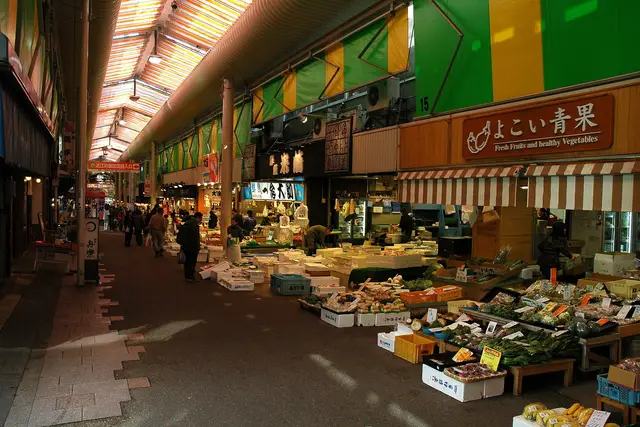
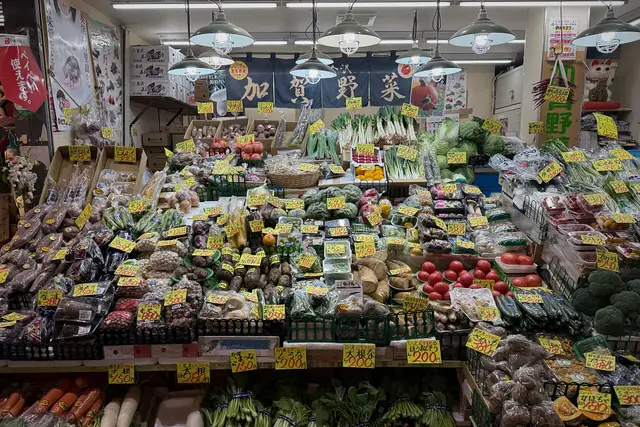
近江町市场
景点Kanazawa's kitchen: seafood bowls and crab.
- 5
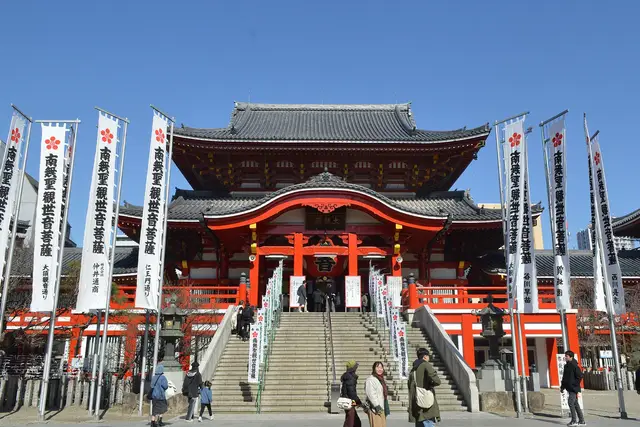
大须观音・大须商店街
景点Nagoya: a snack-filled shopping district around a temple.
Pier Bandai Market (Niigata, Niigata)
尚未支持路线搜索A market on Bandaijima with fish shops, a farm-produce market, conveyor-belt sushi and seafood diners. Mainly a daytime spot.
Himi Banya-gai Fish Market (Himi, Toyama)
尚未支持路线搜索The outer market of Himi fishing port, with fresh fish and souvenir shops, a food court, conveyor-belt sushi and a foot bath.
Nihonkai Sakana-machi Fish Market (Tsuruga, Fukui)
尚未支持路线搜索A market hall in Tsuruga lined with seafood and souvenir shops, plus restaurants serving seafood.
Koshu Yumekoji (Kofu, Yamanashi)
尚未支持路线搜索A stone-paved lane near Kofu Station's north exit, with restaurants using Yamanashi produce, fruit sweets, and shops for Koshu wine and sake.
Nawate Street (Matsumoto, Nagano)
尚未支持路线搜索A pedestrian-only street by the river near Matsumoto Castle, lined with taiyaki, bakery and ice-cream shops and general stores.
Hida Takayama Miyagawa Morning Market (Takayama, Gifu)
尚未支持路线搜索A morning market of white tents selling vegetables, fruit, pickles and folk crafts, along with snack and cafe stalls.
Numazu Port (Numazu, Shizuoka)
尚未支持路线搜索A restaurant district serving seafood landed at the port, with dried-fish souvenir shops and a market mall. Bus from Numazu Station.
关西7
- 6
锦市场
景点Kyoto's kitchen: shops packed along a narrow arcade.
- 7
道顿堀
景点Osaka: takoyaki, okonomiyaki and kushikatsu.
- 8
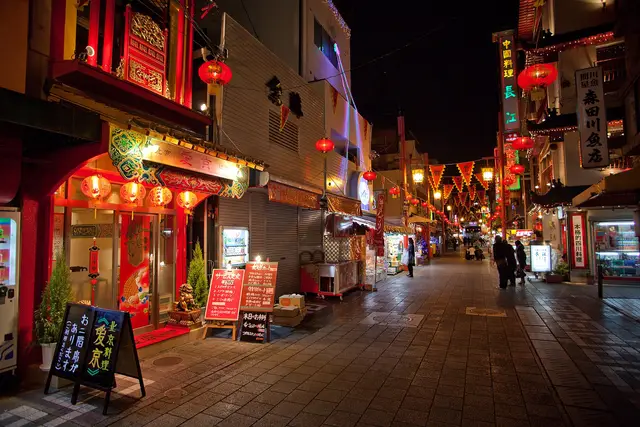
南京町(神户中华街)
景点Kobe's Chinatown, with stalls packed into a small area.
Okage Yokocho (Ise, Mie)
尚未支持路线搜索A townscape in front of Ise Jingu's Inner Shrine recreating Edo- to Meiji-era buildings of the Ise road, filled with shops.
Kurokabe Square (Nagahama, Shiga)
尚未支持路线搜索A district in Nagahama's old town centered on glass shops and workshops, with cafes and restaurants among them.
Nara Mochiidono Center Street (Nara, Nara)
尚未支持路线搜索A shopping arcade south of Kintetsu-Nara Station leading to Naramachi, mixing long-established and new shops, with eateries in the side lanes.
Kuroshio Market (Wakayama, Wakayama)
尚未支持路线搜索A market with tuna-cutting shows, where you can eat seafood bowls, sushi and seafood barbecue, and buy fresh fish.

中国地区5
Tottori Port Seafood Market Karoichi (Tottori, Tottori)
尚未支持路线搜索A seafood market right by Tottori Port, with shops selling fish and shellfish brought straight from the harbor.
Shinmon-dori Street and Goen Yokocho (Izumo, Shimane)
尚未支持路线搜索The approach road to Izumo Taisha Shrine, lined with cafes, tea rooms and shops selling Izumo specialties and souvenirs.
Honmachi Street, Kurashiki Bikan Historical Quarter (Kurashiki, Okayama)
尚未支持路线搜索A street north of the Kurashiki River lined with cafes and shops in converted townhouses. Many offer takeaway, so you can snack as you walk.
Okonomimura (Hiroshima, Hiroshima)
尚未支持路线搜索Hiroshima-style okonomiyaki shops gathered inside a single building; it grew out of post-war street stalls.
Karato Market (Shimonoseki, Yamaguchi)
尚未支持路线搜索Shimonoseki's fish market. On weekends and holidays, fishmongers run an event selling sushi and other seafood dishes.
四国4
Tokushima Marche (Tokushima, Tokushima)
尚未支持路线搜索A farmers' market of white parasols along the Shinmachi Boardwalk by the river, held on the last Sunday of each month.
Konpira Omotesando (Kotohira, Kagawa)
尚未支持路线搜索The approach to Kotohira-gu Shrine, lined with udon restaurants, snack and sweet shops, and souvenir stores.
Dogo Shopping Street (Matsuyama, Ehime)
尚未支持路线搜索The shopping street beside Dogo Onsen, with shops and restaurants for Japanese sweets, soba, sushi and Western-style food.
Hirome Market (Kochi, Kochi)
尚未支持路线搜索An indoor market gathering Kochi food stalls and shops, near Kochi Castle in the downtown shopping area.
九州7
- 9
Nakasu food stalls
路线终点:Nakasu-Kawabata
Fukuoka: food stalls line the river after dark.
Yobuko Morning Market (Karatsu, Saga)
尚未支持路线搜索Open-air stalls along Asaichi Street in the port town of Yobuko, selling seafood, dried fish and vegetables from morning until around noon.
Nagasaki Shinchi Chinatown (Nagasaki, Nagasaki)
尚未支持路线搜索A Chinatown of Chinese restaurants serving champon and sara udon, takeaway snack shops and Chinese goods stores.
Sakura-no-Baba Josaien, Sakura-no-Koji (Kumamoto, Kumamoto)
尚未支持路线搜索A lane of restaurants and souvenir shops at the foot of Kumamoto Castle, also offering snacks to eat as you walk.
Yunotsubo Kaido Street (Yufu, Oita)
尚未支持路线搜索Yufuin's main street, lined with souvenir shops and sweet shops. Reached on foot from JR Yufuin Station.
Nishitachi (Miyazaki, Miyazaki)
尚未支持路线搜索The entertainment district in central Miyazaki City, packed with places to eat and drink and busiest at night. Walkable from Miyazaki Station.
Kagomma Furusato Yatai Village (Kagoshima, Kagoshima)
尚未支持路线搜索A food-stall village in a building basement near Kagoshima-Chuo Station, serving black pork, local chicken, seafood, Amami dishes and shochu.
冲绳1
Naha Makishi Public Market (Naha, Okinawa)
尚未支持路线搜索Naha's long-loved public market. After rebuilding, it has operated in its new building since March 2023.
各都道府县的乡土料理
从 47 个都道府县各选了一道传统料理。选择上方的地区即可筛选。
北海道
Hokkaido
Jingisukan (Lamb and Vegetable Hot Pot)
ジンギスカン/成吉思汗
During the Taisho era (1912-1926), as the outbreak of World War I made it difficult to import wool, there was a national policy to encourage sheep farming.
- 流传地区
- All of Hokkaido Prefecture
东北
Aomori
Kyabetsu to Masu no Tsukemono (Cabbage and Trout Pickles)
キャベツとマスの漬物
Salted trout used for “Kyabetsu to masu no tsukemono” was preserved over the winter and eaten daily with white rice.
- 流传地区
- Tsugaru Region
Iwate
Hittsumi jiru(Hittsumi soup)
ひっつみ/ひっつみ汁
The central region of the prefecture has a lot of flat land in the Kitakami River basin, which has long been open to rice paddies, and the scale of rice production has been large.
- 流传地区
- All over the prefecture, with a focus on the central part of the prefecture
Miyagi
Okuzukake
おくずかけ
Shojin ryori (vegetarian food) is eaten mainly in the southern part of the prefecture during the higan (equinox) and obon (Bon festival) seasons in spring and fall.
- 流传地区
- Southern part of the prefecture
Akita
Iburigakko
いぶりがっこ
Takuanzuke is Akita's typical smoked and dried daikon pickles. It is now made throughout the prefecture, but in the past it was a local dish made by farmers in the land area of the prefecture.
- 流传地区
- Southern part of Riku in the prefecture
Yamagata
Imoni(taro soup)
芋煮
“Imoni” (taro soup) is said to have originated in the mid-1600s.
- 流传地区
- The whole prefecture
Fukushima
Ika ninjin
いかにんじん
Ika-ninjin is a side dish made by finely slicing surumeika and carrots and marinating them in a sweet and spicy sauce made of soy sauce, coarse soybean paste, and mirin (sweet sake).
- 流传地区
- Fukushima City
关东
Ibaraki
Niai
煮合い
In Ibaraki Prefecture, a vegetable kingdom, local cuisine using local vegetables is still deeply rooted, and one of the dishes is "Niai".
- 流传地区
- Central area of the prefecture
Tochigi
Shimotsukare
しもつかれ/シモツカレ
It is one of the representative local dishes of Tochigi Prefecture.
- 流传地区
- All areas of Tochigi Prefecture
Gunma
Okirikomi/Okkirikomi
おきりこみ/おっきりこみ
Many local dishes make use of wheat flour, and okirikomi is a typical example.
- 流传地区
- All over the prefecture
Saitama
Saitama no udon
埼玉のうどん
Saitama Prefecture, which produced Aizo Gonda, who devoted himself to the development of high-yield cultivation methods that increased wheat yields by four to five times, such as "barley steeping,"…
- 流传地区
- All over the prefecture
Chiba
Futomaki zushi
太巻ずし
Sushi is a type of sushi that has been handed down from farmers to ordinary households, with a history dating back to the Kansei era.
- 流传地区
- All over the prefecture, mainly in the Kazusa and Shimousa areas
Tokyo
Nigiri zushi
にぎりずし
Nigiri-zushi is a typical Japanese dish consisting of vinegared rice topped with ingredients.
- 流传地区
- Around Tokyo Bay and throughout Tokyo
Kanagawa
Sanma-men
サンマーメン
Before World War II, meat soba (roosu noodles) was a common dish in Yokohama Chinatown, but it was expensive, so "sanma-men," a noodle dish with vegetables, came to be prepared as a meal.
- 流传地区
- Yokohama City, All of Kanagawa Prefecture
中部・北陆
Niigata
Noppe
のっぺ
Nokpe" is a typical Niigata home-style dish and a local delicacy found throughout Japan. Unlike "Nogei-jiru" found throughout the country, Niigata's "Nogpe" is more of a stew than a soup.
- 流传地区
- All over Niigata Prefecture
Toyama
Hotaruika no sumiso ae
ほたるいかの酢味噌和え
Firefly squid with vinegared miso is a dish representative of spring in Toyama.
- 流传地区
- All over the prefecture
Ishikawa
Hasu-mushi (Steamed lotus root)
はす蒸し
"Hasu-mushi" is a local dish popular among the locals for its texture of Kaga lotus root. "Hasu-mushi" is a steamed dish made by grating Kaga lotus root and mixing it with other ingredients.
- 流传地区
- Around City of Kanazawa
Fukui
Heshiko
へしこ
There are several theories as to how it came to be called heshiko.
- 流传地区
- Wakasa area (including Kono district in Reihoku)
Yamanashi
Houtou
ほうとう
Houtou" is a typical local dish of Yamanashi Prefecture, known to everyone as "Uimono da kabocha no houtou," which means "good pumpkin houtou" in Japanese.
- 流传地区
- All over the prefecture
Nagano
Sunki-zuke
すんき漬け
The mountainous Kiso region has a unique culinary tradition that includes a dish called "Sunki-zuke," using the leaves of red turnips.
- 流传地区
- Kiso Area
Gifu
Hoba zushi
朴葉ずし
It is a traditional early summer dish made by wrapping vinegared rice in the leaves of a magnolia tree, and has been eaten as a feast during the farming holidays such as rice planting.
- 流传地区
- Southern Hida region to Chuno region
Shizuoka
Kuro hanpen furai
黒はんぺんフライ
Kurohanpen is made by boiling ground mackerel, horse mackerel, or sardine, and is semi-circular in shape and gray in color.
- 流传地区
- Yaizu City
Aichi
Hakozushi
箱ずし
“Hakozushi” can be found all over Japan. It is a type of sushi made by filling a square wooden box with sushi rice, placing the ingredients on top, and then pressing them down from above.
- 流传地区
- The entire prefecture centering on the Owari area and Nishimikawa area
关西
Mie
Tekone zushi
てこねずし
Tekone-zushi was originally called "tekone-zushi" because fishermen would cut the fish they caught on the boat and mix them together by hand on the spot, and has been eaten mainly in coastal areas.
- 流传地区
- Ise-Shima food culture area
Shiga
Funa zushi
ふなずし
Funazushi is a typical example, and is often offered as a sacred dish at festivals held at shrines to pray for fertility. Funa-zushi is often made from nigorobuna (crucian carp) caught in Lake Biwa.
- 流传地区
- All over the prefecture
Kyoto
Sabazushi (Mackerel Sushi)
さばずし
One of these dishes is said to be "sabazushi", believed to have originated in the Edo period.
- 流传地区
- All of Kyoto Prefecture
Osaka
Bara zushi
ばらずし
According to one theory, bara-zushi originated in Okayama Prefecture, where the common people protested against the Edo period feudal lord's prohibition of "one soup and one vegetable" in order to…
- 流传地区
- All over Osaka Prefecture
Hyogo
Kobe Beef Steak
神戸ビーフステーキ
‘Kobe Beef Steak’, grilled beef on an iron plate flavored with salt and pepper and served with steak sauce or mustard, is famous overseas, too. Actually, however, there is no breed called ‘Kobe beef’.
- 流传地区
- Kobe
Nara
Kakinoha zushi
柿の葉寿司
Kakinoha-zushi is pressed sushi made of salted mackerel wrapped in kakinoha (persimmon leaf) with vinegared rice. There are various theories about the origin of Kakinoha Sushi.
- 流传地区
- Gojo City, Yoshino area
Wakayama
Okaisan/Chagayu
おかいさん/茶がゆ
In Wakayama Prefecture, chagayu is affectionately called "okai-san" or "okayu-san.
- 流传地区
- All over the prefecture
中国地区
Tottori
Igisu
いぎす
Igisu" is a dish made from "Igisu grass", also called "egonori". It is said to have been sent to the Imperial Court as a gift as early as the Asuka and Nara periods.
- 流传地区
- Chubu area
Shimane
Sasamaki (Mochi rapped in Bamboo Leaves)
笹巻き
It is made by rolling kneaded rice flour with kumazasa (bamboo grass) and then boiling it. It is a traditional food for the lunar calendar's Children's Day (Tango no Sekku).
- 流传地区
- Eastern Region, Oki Region
Okayama
Matsurizushi
まつりずし/ばらずし
Matsuri-zushi, also called "Okayama-bara-zushi" or "Bizen-bara-zushi," is made for festivals, celebrations, and entertaining guests in the Bizen-Okayama area.
- 流传地区
- All over the prefecture
Hiroshima
Wani no sashimi
ワニの刺身
It is called "crocodile", but what is actually eaten is "shark". It is also called "fuka.
- 流传地区
- Miyoshi City and Shobara City in Bihoku area
Yamaguchi
Chishanamasu
ちしゃなます
A local dish using kaki-chisha, a traditional local ingredient, is "chisha namasu," which is made by mixing chopped kaki-chisha with vinegared miso paste and sesame seeds.
- 流传地区
- All over the prefecture, Kitaura area
四国
Tokushima
Sobagome zousui/Sobagome jiru
そば米雑炊/そば米汁
In the past, the Iya region of Tokushima was surrounded by mountains, and the climate was considered difficult for rice to grow.
- 流传地区
- Iya area of Miyoshi City and all over the prefecture
Kagawa
Anmochi zouni
あんもち雑煮
Zoni" is a soup made with white miso paste, round rice cake with sweet bean paste, daikon radish cut into round slices to wish for family happiness, and kintoki carrots.
- 流传地区
- All over the prefecture
Ehime
Taimeshi
鯛めし
The history of "tai meshi" dates back as far as the time of Empress Jingu's campaign in Korea.
- 流传地区
- All over the prefecture
Kochi
Stir-fried itadori
いたどりの油いため
One of the dishes, "Stir-fried itadori" is a dish that is still very popular at home.
- 流传地区
- The whole prefecture
九州
Fukuoka
Gameni
がめ煮
"Game-ni" is a typical local dish of Fukuoka Prefecture, and its name comes from the Hakata dialect word "gamekurikomu" (meaning "to gather together").
- 流传地区
- All over Fukuoka Prefecture
Saga
Funankogui
ふなんこぐい
A famous local dish using crucian carp is "funankogui.
- 流传地区
- Kashima City, all areas
Nagasaki
Guzouni/Shimabaraguzouni
具雑煮/島原具雑煮
It is one of Shimabara's representative local dishes.
- 流传地区
- Shimabara Peninsula
Kumamoto
Karashi renkon(lotus root with Japanese mustard)
からし蓮根
Karashirenkon is known as a dish associated with the Hosokawa clan.
- 流传地区
- Kumamoto area
Oita
Dango Jiru (dumpling soup)
だんご汁
“Dango Jiru” (dumpling soup) is a good example of this.
- 流传地区
- The whole prefecture
Miyazaki
Nishime
煮しめ
The name "nishime" comes from the way it is cooked, which is to simmer it slowly so that no liquid remains.
- 流传地区
- All over Miyazaki Prefecture
Kagoshima
Sake Zushi (Sushi made with Seasonal Ingredients and Local Sake)
酒ずし
"Sake zushi" was first said to be made during the Edo period when the Shimazu clan ruled the Satsuma Domain.
- 流传地区
- All of Kagoshima Prefecture
冲绳
Okinawa
Nakamijiru
中身汁
In Okinawa Prefecture, where pork is often eaten, it is said that "everything but the squeal is eaten up" because every last bit is used in cooking.
- 流传地区
- All over the prefecture
- Hokkaido的乡土料理
- Aomori的乡土料理
- Iwate的乡土料理
- Miyagi的乡土料理
- Akita的乡土料理
- Yamagata的乡土料理
- Fukushima的乡土料理
- Ibaraki的乡土料理
- Tochigi的乡土料理
- Gunma的乡土料理
- Saitama的乡土料理
- Chiba的乡土料理
- Tokyo的乡土料理
- Kanagawa的乡土料理
- Niigata的乡土料理
- Toyama的乡土料理
- Ishikawa的乡土料理
- Fukui的乡土料理
- Yamanashi的乡土料理
- Nagano的乡土料理
- Gifu的乡土料理
- Shizuoka的乡土料理
- Aichi的乡土料理
- Mie的乡土料理
- Shiga的乡土料理
- Kyoto的乡土料理
- Osaka的乡土料理
- Hyogo的乡土料理
- Nara的乡土料理
- Wakayama的乡土料理
- Tottori的乡土料理
- Shimane的乡土料理
- Okayama的乡土料理
- Hiroshima的乡土料理
- Yamaguchi的乡土料理
- Tokushima的乡土料理
- Kagawa的乡土料理
- Ehime的乡土料理
- Kochi的乡土料理
- Fukuoka的乡土料理
- Saga的乡土料理
- Nagasaki的乡土料理
- Kumamoto的乡土料理
- Oita的乡土料理
- Miyazaki的乡土料理
- Kagoshima的乡土料理
- Okinawa的乡土料理
“查找能吃到的店”会用料理名称和地名打开地图应用的搜索。搜索出的店不是本站挑选或推荐的。是否供应这道料理,请向店家确认。
出处:根据农林水产省“うちの郷土料理 (Our Regional Cuisines)”加工制作(2026-11-15 获取) https://www.maff.go.jp/e/policies/market/k_ryouri/index.html. 名称、流传地区和食材按原页面所写,介绍是原文的一部分。不使用农林水产省的照片(料理照片来自 Wikimedia Commons)。本页面不是农林水产省制作的。料理名称和介绍以英语显示。
去过的人的投稿
关于本主题各地点的评价(按有用程度排序)。
从这里延伸
把从这里可以延伸到的地方汇总在一张图上。点按即可打开相应页面。
活动日期、运行日、是否需要预约及营业时间可能变动。出发前请确认官方信息。
以上内容已于2026年11月16日根据官方信息确认。
确认过的页面
- 函館朝市オフィシャルサイト
- 元祖 青森のっけ丼
- 盛岡神子田朝市
- 仙台朝市商店街 公式サイト
- 秋田市民市場
- 山形屋台村 ほっとなる横丁
- 道の駅いわき・ら・ら・ミュウ
- 那珂湊おさかな市場
- 来らっせ|宇都宮餃子会公式サイト
- 伊香保の石段|渋川伊香保温泉観光協会
- 菓子屋横丁|小江戸川越観光協会
- 勝浦朝市|千葉県勝浦市観光協会
- ピアBandai
- 氷見漁港場外市場 ひみ番屋街
- 日本海さかな街|福井県 観光・旅行サイト ふくいドットコム
- 甲州夢小路
- 縄手通り|松本市公式観光サイト
- 飛騨高山 宮川朝市
- 沼津港を楽しむ方法|沼津市公式観光サイト
- 伊勢神宮内宮前 おかげ横丁
- 黒壁スクエア
- 奈良もちいどのセンター街
- 黒潮市場
- 鳥取港海鮮市場 かろいち
- 神門通り・ご縁横丁|しまね観光ナビ
- 倉敷美観地区|倉敷観光WEB(倉敷市公式観光サイト)
- お好み村|広島の観光・旅行情報サイト Dive! Hiroshima
- 唐戸市場
- とくしまマルシェ
- 表参道|こんぴら観光まちづくり協会
- 食べる一覧|道後温泉公式エリアガイド
- ひろめ市場
- 呼子朝市|唐津観光協会
- 長崎新地中華街
- 城彩苑 桜の小路
- 湯の坪街道|YUFUINFO
- ニシタチ|宮崎市観光サイト
- かごっまふるさと屋台村|かごしま市観光ナビ
- 那覇市第一牧志公設市場 公式サイト
照片与数据出处
The covered arcade of Omicho Market, Kanazawa User: (WT-shared) Jpatokal at wts wikivoyage (CC BY-SA 4.0) / Zenrinmon Gate of Yokohama Chinatown with red lanterns Suicasmo (CC BY-SA 4.0) / A greengrocer's stall piled with Kaga vegetables at Omicho Market NevinThompson (CC BY-SA 4.0) / The vermilion main hall of Osu Kannon temple Asturio Cantabrio (CC BY-SA 4.0) / Dotonbori canal at night, lined with illuminated signs Kristoffer Trolle (CC BY 2.0) / Red lanterns lighting a street in Nankinmachi at night Laitr Keiows (CC BY-SA 3.0)。已裁剪并缩小。
实用预订与行程安排网站(广告)
仅列出值得信赖的大型预订平台。通过这些链接预订时,本网站可能会收到介绍费(在新标签页中打开)。