음식·술
먹거리 산책과 시장
시장의 아침밥, 상점가 먹거리, 포장마차의 밤. 걸으면서 먹지 말아 달라는 거리도 있으니 가게 앞에서 먹는 것이 좋습니다.
홋카이도만 표시 중
도호쿠만 표시 중
간토만 표시 중
주부·호쿠리쿠만 표시 중
간사이만 표시 중
주고쿠만 표시 중
시코쿠만 표시 중
규슈만 표시 중
오키나와만 표시 중
전국의 명물 428가지와 향토 요리 1364가지를 지방과 도도부현별로 정리했습니다.
명물·향토 요리 목록 보기지역
첫 글자
목적지 48곳
지도의 점을 누르면 그 장소의 설명으로 이동합니다.
홋카이도1
Hakodate Morning Market (Hakodate, Hokkaido)
경로 검색 미지원A morning market in the Hakodate Station area. Shops open from early morning to early afternoon, with hours varying by shop.
도호쿠6
Aomori Nokkedon Market (Aomori, Aomori)
경로 검색 미지원Walk around the market stalls and build your own rice bowl, choosing seafood and side dishes from each shop with meal tickets.
Morioka Mikoda Morning Market (Morioka, Iwate)
경로 검색 미지원A morning market held early almost every day, where local farmers sell vegetables, wild plants, pickles and more.
Sendai Asaichi Market Street (Sendai, Miyagi)
경로 검색 미지원A market street within walking distance of Sendai Station, mostly fresh-food shops selling Miyagi produce, plus places to eat.
Akita Citizens' Market (Akita, Akita)
경로 검색 미지원An indoor market known as Akita's kitchen, with shops for seafood, processed foods and produce. It opens early in the morning.
Yamagata Yatai Village Hotnaru Yokocho (Yamagata, Yamagata)
경로 검색 미지원A food-stall village in Nanokamachi, Yamagata City, lined with small shops for grilled dishes, yakiniku, soba, ramen and local sake.
Iwaki Lalamew (Iwaki, Fukushima)
경로 검색 미지원A facility at Onahama port with a seafood market, restaurants and souvenir shops.
간토8
- 1
쓰키지 장외시장
관광지Tokyo: sushi, rolled omelette and seafood bowls. Mornings are the main event.
- 2
도요스 시장
관광지Tokyo's central wholesale market: viewing galleries and restaurants inside.
- 3
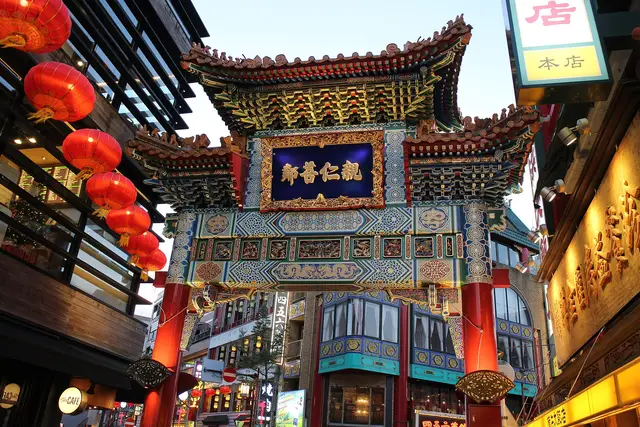
요코하마 차이나타운
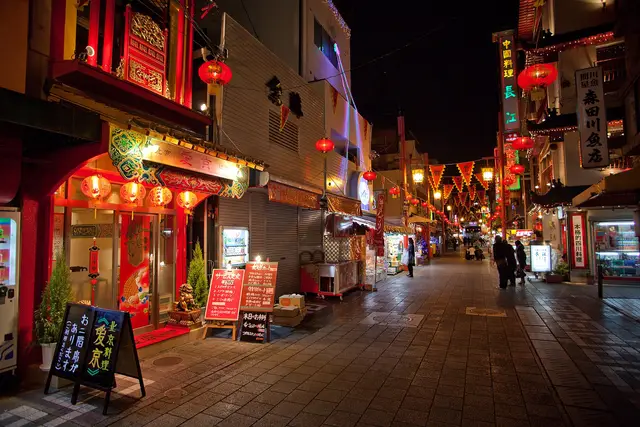
관광지Japan's largest Chinatown.
Nakaminato Fish Market (Hitachinaka, Ibaraki)
경로 검색 미지원A market facing Nakaminato fishing port, with restaurants serving seafood bowls and sushi, and shops selling seafood and dried fish.
Kirasse Main Store (Utsunomiya, Tochigi)
경로 검색 미지원Run by the Utsunomiya Gyoza Association: permanent gyoza shops plus daily-rotating ones, so you can compare several in one place.
Ikaho Onsen Stone Steps (Shibukawa, Gunma)
경로 검색 미지원The 365 stone steps at the heart of Ikaho Onsen, lined on both sides with souvenir shops, manju shops and game arcades.
Kashiya Yokocho Candy Alley (Kawagoe, Saitama)
경로 검색 미지원A stone-paved alley of sweet shops selling old-fashioned candy, cheap sweets and dango made the traditional way.
Katsuura Morning Market (Katsuura, Chiba)
경로 검색 미지원A morning market with over 400 years of history: stalls sell vegetables, fresh fish, homemade side dishes and coffee.
주부·호쿠리쿠9
- 4
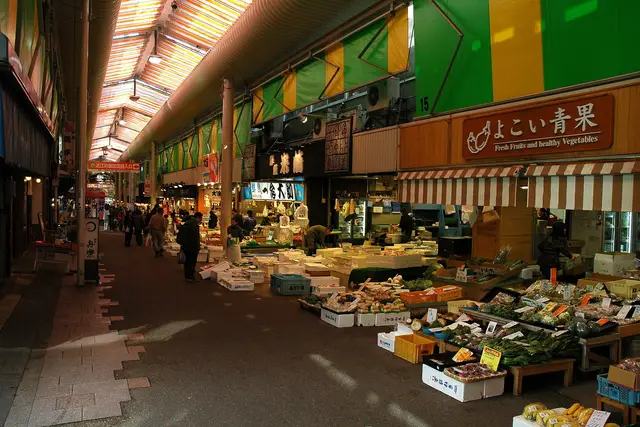
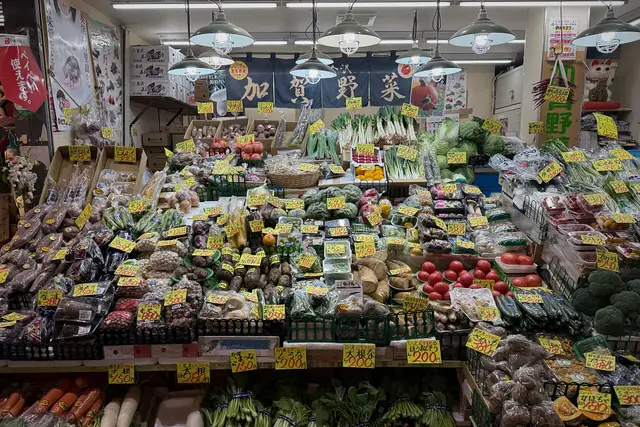
오미초 시장
관광지Kanazawa's kitchen: seafood bowls and crab.
- 5
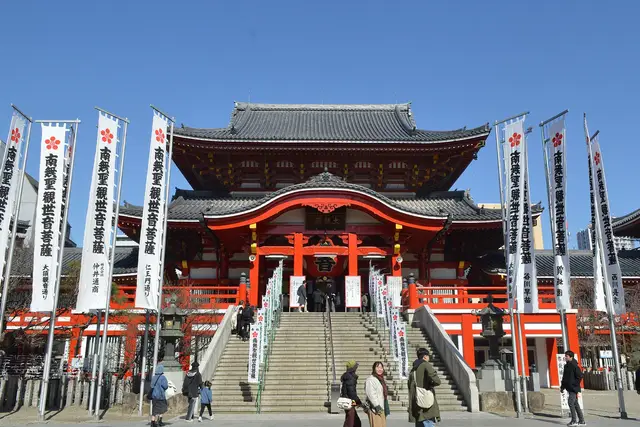
오스 관음·오스 상점가
관광지Nagoya: a snack-filled shopping district around a temple.
Pier Bandai Market (Niigata, Niigata)
경로 검색 미지원A market on Bandaijima with fish shops, a farm-produce market, conveyor-belt sushi and seafood diners. Mainly a daytime spot.
Himi Banya-gai Fish Market (Himi, Toyama)
경로 검색 미지원The outer market of Himi fishing port, with fresh fish and souvenir shops, a food court, conveyor-belt sushi and a foot bath.
Nihonkai Sakana-machi Fish Market (Tsuruga, Fukui)
경로 검색 미지원A market hall in Tsuruga lined with seafood and souvenir shops, plus restaurants serving seafood.
Koshu Yumekoji (Kofu, Yamanashi)
경로 검색 미지원A stone-paved lane near Kofu Station's north exit, with restaurants using Yamanashi produce, fruit sweets, and shops for Koshu wine and sake.
Nawate Street (Matsumoto, Nagano)
경로 검색 미지원A pedestrian-only street by the river near Matsumoto Castle, lined with taiyaki, bakery and ice-cream shops and general stores.
Hida Takayama Miyagawa Morning Market (Takayama, Gifu)
경로 검색 미지원A morning market of white tents selling vegetables, fruit, pickles and folk crafts, along with snack and cafe stalls.
Numazu Port (Numazu, Shizuoka)
경로 검색 미지원A restaurant district serving seafood landed at the port, with dried-fish souvenir shops and a market mall. Bus from Numazu Station.
간사이7
- 6
니시키 시장
관광지Kyoto's kitchen: shops packed along a narrow arcade.
- 7
도톤보리
관광지Osaka: takoyaki, okonomiyaki and kushikatsu.
- 8
난킨마치(고베 차이나타운)
관광지Kobe's Chinatown, with stalls packed into a small area.
Okage Yokocho (Ise, Mie)
경로 검색 미지원A townscape in front of Ise Jingu's Inner Shrine recreating Edo- to Meiji-era buildings of the Ise road, filled with shops.
Kurokabe Square (Nagahama, Shiga)
경로 검색 미지원A district in Nagahama's old town centered on glass shops and workshops, with cafes and restaurants among them.
Nara Mochiidono Center Street (Nara, Nara)
경로 검색 미지원A shopping arcade south of Kintetsu-Nara Station leading to Naramachi, mixing long-established and new shops, with eateries in the side lanes.
Kuroshio Market (Wakayama, Wakayama)
경로 검색 미지원A market with tuna-cutting shows, where you can eat seafood bowls, sushi and seafood barbecue, and buy fresh fish.

주고쿠5
Tottori Port Seafood Market Karoichi (Tottori, Tottori)
경로 검색 미지원A seafood market right by Tottori Port, with shops selling fish and shellfish brought straight from the harbor.
Shinmon-dori Street and Goen Yokocho (Izumo, Shimane)
경로 검색 미지원The approach road to Izumo Taisha Shrine, lined with cafes, tea rooms and shops selling Izumo specialties and souvenirs.
Honmachi Street, Kurashiki Bikan Historical Quarter (Kurashiki, Okayama)
경로 검색 미지원A street north of the Kurashiki River lined with cafes and shops in converted townhouses. Many offer takeaway, so you can snack as you walk.
Okonomimura (Hiroshima, Hiroshima)
경로 검색 미지원Hiroshima-style okonomiyaki shops gathered inside a single building; it grew out of post-war street stalls.
Karato Market (Shimonoseki, Yamaguchi)
경로 검색 미지원Shimonoseki's fish market. On weekends and holidays, fishmongers run an event selling sushi and other seafood dishes.
시코쿠4
Tokushima Marche (Tokushima, Tokushima)
경로 검색 미지원A farmers' market of white parasols along the Shinmachi Boardwalk by the river, held on the last Sunday of each month.
Konpira Omotesando (Kotohira, Kagawa)
경로 검색 미지원The approach to Kotohira-gu Shrine, lined with udon restaurants, snack and sweet shops, and souvenir stores.
Dogo Shopping Street (Matsuyama, Ehime)
경로 검색 미지원The shopping street beside Dogo Onsen, with shops and restaurants for Japanese sweets, soba, sushi and Western-style food.
Hirome Market (Kochi, Kochi)
경로 검색 미지원An indoor market gathering Kochi food stalls and shops, near Kochi Castle in the downtown shopping area.
규슈7
- 9
Nakasu food stalls
경로 도착지: Nakasu-Kawabata
Fukuoka: food stalls line the river after dark.
Yobuko Morning Market (Karatsu, Saga)
경로 검색 미지원Open-air stalls along Asaichi Street in the port town of Yobuko, selling seafood, dried fish and vegetables from morning until around noon.
Nagasaki Shinchi Chinatown (Nagasaki, Nagasaki)
경로 검색 미지원A Chinatown of Chinese restaurants serving champon and sara udon, takeaway snack shops and Chinese goods stores.
Sakura-no-Baba Josaien, Sakura-no-Koji (Kumamoto, Kumamoto)
경로 검색 미지원A lane of restaurants and souvenir shops at the foot of Kumamoto Castle, also offering snacks to eat as you walk.
Yunotsubo Kaido Street (Yufu, Oita)
경로 검색 미지원Yufuin's main street, lined with souvenir shops and sweet shops. Reached on foot from JR Yufuin Station.
Nishitachi (Miyazaki, Miyazaki)
경로 검색 미지원The entertainment district in central Miyazaki City, packed with places to eat and drink and busiest at night. Walkable from Miyazaki Station.
Kagomma Furusato Yatai Village (Kagoshima, Kagoshima)
경로 검색 미지원A food-stall village in a building basement near Kagoshima-Chuo Station, serving black pork, local chicken, seafood, Amami dishes and shochu.
오키나와1
Naha Makishi Public Market (Naha, Okinawa)
경로 검색 미지원Naha's long-loved public market. After rebuilding, it has operated in its new building since March 2023.
도도부현별 향토 요리
47개 도도부현에 전해지는 요리를 하나씩 실었습니다. 위에서 지역을 고르면 그 지역만 볼 수 있습니다.
홋카이도
Hokkaido
Jingisukan (Lamb and Vegetable Hot Pot)
ジンギスカン/成吉思汗
During the Taisho era (1912-1926), as the outbreak of World War I made it difficult to import wool, there was a national policy to encourage sheep farming.
- 전해지는 지역
- All of Hokkaido Prefecture
도호쿠
Aomori
Kyabetsu to Masu no Tsukemono (Cabbage and Trout Pickles)
キャベツとマスの漬物
Salted trout used for “Kyabetsu to masu no tsukemono” was preserved over the winter and eaten daily with white rice.
- 전해지는 지역
- Tsugaru Region
Iwate
Hittsumi jiru(Hittsumi soup)
ひっつみ/ひっつみ汁
The central region of the prefecture has a lot of flat land in the Kitakami River basin, which has long been open to rice paddies, and the scale of rice production has been large.
- 전해지는 지역
- All over the prefecture, with a focus on the central part of the prefecture
Miyagi
Okuzukake
おくずかけ
Shojin ryori (vegetarian food) is eaten mainly in the southern part of the prefecture during the higan (equinox) and obon (Bon festival) seasons in spring and fall.
- 전해지는 지역
- Southern part of the prefecture
Akita
Iburigakko
いぶりがっこ
Takuanzuke is Akita's typical smoked and dried daikon pickles. It is now made throughout the prefecture, but in the past it was a local dish made by farmers in the land area of the prefecture.
- 전해지는 지역
- Southern part of Riku in the prefecture
Yamagata
Imoni(taro soup)
芋煮
“Imoni” (taro soup) is said to have originated in the mid-1600s.
- 전해지는 지역
- The whole prefecture
Fukushima
Ika ninjin
いかにんじん
Ika-ninjin is a side dish made by finely slicing surumeika and carrots and marinating them in a sweet and spicy sauce made of soy sauce, coarse soybean paste, and mirin (sweet sake).
- 전해지는 지역
- Fukushima City
간토
Ibaraki
Niai
煮合い
In Ibaraki Prefecture, a vegetable kingdom, local cuisine using local vegetables is still deeply rooted, and one of the dishes is "Niai".
- 전해지는 지역
- Central area of the prefecture
Tochigi
Shimotsukare
しもつかれ/シモツカレ
It is one of the representative local dishes of Tochigi Prefecture.
- 전해지는 지역
- All areas of Tochigi Prefecture
Gunma
Okirikomi/Okkirikomi
おきりこみ/おっきりこみ
Many local dishes make use of wheat flour, and okirikomi is a typical example.
- 전해지는 지역
- All over the prefecture
Saitama
Saitama no udon
埼玉のうどん
Saitama Prefecture, which produced Aizo Gonda, who devoted himself to the development of high-yield cultivation methods that increased wheat yields by four to five times, such as "barley steeping,"…
- 전해지는 지역
- All over the prefecture
Chiba
Futomaki zushi
太巻ずし
Sushi is a type of sushi that has been handed down from farmers to ordinary households, with a history dating back to the Kansei era.
- 전해지는 지역
- All over the prefecture, mainly in the Kazusa and Shimousa areas
Tokyo
Nigiri zushi
にぎりずし
Nigiri-zushi is a typical Japanese dish consisting of vinegared rice topped with ingredients.
- 전해지는 지역
- Around Tokyo Bay and throughout Tokyo
Kanagawa
Sanma-men
サンマーメン
Before World War II, meat soba (roosu noodles) was a common dish in Yokohama Chinatown, but it was expensive, so "sanma-men," a noodle dish with vegetables, came to be prepared as a meal.
- 전해지는 지역
- Yokohama City, All of Kanagawa Prefecture
주부·호쿠리쿠
Niigata
Noppe
のっぺ
Nokpe" is a typical Niigata home-style dish and a local delicacy found throughout Japan. Unlike "Nogei-jiru" found throughout the country, Niigata's "Nogpe" is more of a stew than a soup.
- 전해지는 지역
- All over Niigata Prefecture
Toyama
Hotaruika no sumiso ae
ほたるいかの酢味噌和え
Firefly squid with vinegared miso is a dish representative of spring in Toyama.
- 전해지는 지역
- All over the prefecture
Ishikawa
Hasu-mushi (Steamed lotus root)
はす蒸し
"Hasu-mushi" is a local dish popular among the locals for its texture of Kaga lotus root. "Hasu-mushi" is a steamed dish made by grating Kaga lotus root and mixing it with other ingredients.
- 전해지는 지역
- Around City of Kanazawa
Fukui
Heshiko
へしこ
There are several theories as to how it came to be called heshiko.
- 전해지는 지역
- Wakasa area (including Kono district in Reihoku)
Yamanashi
Houtou
ほうとう
Houtou" is a typical local dish of Yamanashi Prefecture, known to everyone as "Uimono da kabocha no houtou," which means "good pumpkin houtou" in Japanese.
- 전해지는 지역
- All over the prefecture
Nagano
Sunki-zuke
すんき漬け
The mountainous Kiso region has a unique culinary tradition that includes a dish called "Sunki-zuke," using the leaves of red turnips.
- 전해지는 지역
- Kiso Area
Gifu
Hoba zushi
朴葉ずし
It is a traditional early summer dish made by wrapping vinegared rice in the leaves of a magnolia tree, and has been eaten as a feast during the farming holidays such as rice planting.
- 전해지는 지역
- Southern Hida region to Chuno region
Shizuoka
Kuro hanpen furai
黒はんぺんフライ
Kurohanpen is made by boiling ground mackerel, horse mackerel, or sardine, and is semi-circular in shape and gray in color.
- 전해지는 지역
- Yaizu City
Aichi
Hakozushi
箱ずし
“Hakozushi” can be found all over Japan. It is a type of sushi made by filling a square wooden box with sushi rice, placing the ingredients on top, and then pressing them down from above.
- 전해지는 지역
- The entire prefecture centering on the Owari area and Nishimikawa area
간사이
Mie
Tekone zushi
てこねずし
Tekone-zushi was originally called "tekone-zushi" because fishermen would cut the fish they caught on the boat and mix them together by hand on the spot, and has been eaten mainly in coastal areas.
- 전해지는 지역
- Ise-Shima food culture area
Shiga
Funa zushi
ふなずし
Funazushi is a typical example, and is often offered as a sacred dish at festivals held at shrines to pray for fertility. Funa-zushi is often made from nigorobuna (crucian carp) caught in Lake Biwa.
- 전해지는 지역
- All over the prefecture
Kyoto
Sabazushi (Mackerel Sushi)
さばずし
One of these dishes is said to be "sabazushi", believed to have originated in the Edo period.
- 전해지는 지역
- All of Kyoto Prefecture
Osaka
Bara zushi
ばらずし
According to one theory, bara-zushi originated in Okayama Prefecture, where the common people protested against the Edo period feudal lord's prohibition of "one soup and one vegetable" in order to…
- 전해지는 지역
- All over Osaka Prefecture
Hyogo
Kobe Beef Steak
神戸ビーフステーキ
‘Kobe Beef Steak’, grilled beef on an iron plate flavored with salt and pepper and served with steak sauce or mustard, is famous overseas, too. Actually, however, there is no breed called ‘Kobe beef’.
- 전해지는 지역
- Kobe
Nara
Kakinoha zushi
柿の葉寿司
Kakinoha-zushi is pressed sushi made of salted mackerel wrapped in kakinoha (persimmon leaf) with vinegared rice. There are various theories about the origin of Kakinoha Sushi.
- 전해지는 지역
- Gojo City, Yoshino area
Wakayama
Okaisan/Chagayu
おかいさん/茶がゆ
In Wakayama Prefecture, chagayu is affectionately called "okai-san" or "okayu-san.
- 전해지는 지역
- All over the prefecture
주고쿠
Tottori
Igisu
いぎす
Igisu" is a dish made from "Igisu grass", also called "egonori". It is said to have been sent to the Imperial Court as a gift as early as the Asuka and Nara periods.
- 전해지는 지역
- Chubu area
Shimane
Sasamaki (Mochi rapped in Bamboo Leaves)
笹巻き
It is made by rolling kneaded rice flour with kumazasa (bamboo grass) and then boiling it. It is a traditional food for the lunar calendar's Children's Day (Tango no Sekku).
- 전해지는 지역
- Eastern Region, Oki Region
Okayama
Matsurizushi
まつりずし/ばらずし
Matsuri-zushi, also called "Okayama-bara-zushi" or "Bizen-bara-zushi," is made for festivals, celebrations, and entertaining guests in the Bizen-Okayama area.
- 전해지는 지역
- All over the prefecture
Hiroshima
Wani no sashimi
ワニの刺身
It is called "crocodile", but what is actually eaten is "shark". It is also called "fuka.
- 전해지는 지역
- Miyoshi City and Shobara City in Bihoku area
Yamaguchi
Chishanamasu
ちしゃなます
A local dish using kaki-chisha, a traditional local ingredient, is "chisha namasu," which is made by mixing chopped kaki-chisha with vinegared miso paste and sesame seeds.
- 전해지는 지역
- All over the prefecture, Kitaura area
시코쿠
Tokushima
Sobagome zousui/Sobagome jiru
そば米雑炊/そば米汁
In the past, the Iya region of Tokushima was surrounded by mountains, and the climate was considered difficult for rice to grow.
- 전해지는 지역
- Iya area of Miyoshi City and all over the prefecture
Kagawa
Anmochi zouni
あんもち雑煮
Zoni" is a soup made with white miso paste, round rice cake with sweet bean paste, daikon radish cut into round slices to wish for family happiness, and kintoki carrots.
- 전해지는 지역
- All over the prefecture
Ehime
Taimeshi
鯛めし
The history of "tai meshi" dates back as far as the time of Empress Jingu's campaign in Korea.
- 전해지는 지역
- All over the prefecture
Kochi
Stir-fried itadori
いたどりの油いため
One of the dishes, "Stir-fried itadori" is a dish that is still very popular at home.
- 전해지는 지역
- The whole prefecture
규슈
Fukuoka
Gameni
がめ煮
"Game-ni" is a typical local dish of Fukuoka Prefecture, and its name comes from the Hakata dialect word "gamekurikomu" (meaning "to gather together").
- 전해지는 지역
- All over Fukuoka Prefecture
Saga
Funankogui
ふなんこぐい
A famous local dish using crucian carp is "funankogui.
- 전해지는 지역
- Kashima City, all areas
Nagasaki
Guzouni/Shimabaraguzouni
具雑煮/島原具雑煮
It is one of Shimabara's representative local dishes.
- 전해지는 지역
- Shimabara Peninsula
Kumamoto
Karashi renkon(lotus root with Japanese mustard)
からし蓮根
Karashirenkon is known as a dish associated with the Hosokawa clan.
- 전해지는 지역
- Kumamoto area
Oita
Dango Jiru (dumpling soup)
だんご汁
“Dango Jiru” (dumpling soup) is a good example of this.
- 전해지는 지역
- The whole prefecture
Miyazaki
Nishime
煮しめ
The name "nishime" comes from the way it is cooked, which is to simmer it slowly so that no liquid remains.
- 전해지는 지역
- All over Miyazaki Prefecture
Kagoshima
Sake Zushi (Sushi made with Seasonal Ingredients and Local Sake)
酒ずし
"Sake zushi" was first said to be made during the Edo period when the Shimazu clan ruled the Satsuma Domain.
- 전해지는 지역
- All of Kagoshima Prefecture
오키나와
Okinawa
Nakamijiru
中身汁
In Okinawa Prefecture, where pork is often eaten, it is said that "everything but the squeal is eaten up" because every last bit is used in cooking.
- 전해지는 지역
- All over the prefecture
- Hokkaido의 향토 요리
- Aomori의 향토 요리
- Iwate의 향토 요리
- Miyagi의 향토 요리
- Akita의 향토 요리
- Yamagata의 향토 요리
- Fukushima의 향토 요리
- Ibaraki의 향토 요리
- Tochigi의 향토 요리
- Gunma의 향토 요리
- Saitama의 향토 요리
- Chiba의 향토 요리
- Tokyo의 향토 요리
- Kanagawa의 향토 요리
- Niigata의 향토 요리
- Toyama의 향토 요리
- Ishikawa의 향토 요리
- Fukui의 향토 요리
- Yamanashi의 향토 요리
- Nagano의 향토 요리
- Gifu의 향토 요리
- Shizuoka의 향토 요리
- Aichi의 향토 요리
- Mie의 향토 요리
- Shiga의 향토 요리
- Kyoto의 향토 요리
- Osaka의 향토 요리
- Hyogo의 향토 요리
- Nara의 향토 요리
- Wakayama의 향토 요리
- Tottori의 향토 요리
- Shimane의 향토 요리
- Okayama의 향토 요리
- Hiroshima의 향토 요리
- Yamaguchi의 향토 요리
- Tokushima의 향토 요리
- Kagawa의 향토 요리
- Ehime의 향토 요리
- Kochi의 향토 요리
- Fukuoka의 향토 요리
- Saga의 향토 요리
- Nagasaki의 향토 요리
- Kumamoto의 향토 요리
- Oita의 향토 요리
- Miyazaki의 향토 요리
- Kagoshima의 향토 요리
- Okinawa의 향토 요리
‘먹을 수 있는 가게 찾기’는 요리 이름과 지명으로 지도 앱 검색을 엽니다. 검색에 나오는 가게는 이 사이트가 고르거나 추천한 것이 아닙니다. 그 요리가 있는지는 가게에 확인해 주세요.
출처: 농림수산성 ‘うちの郷土料理 (Our Regional Cuisines)’를 가공하여 작성 (2026-11-15 가져옴) https://www.maff.go.jp/e/policies/market/k_ryouri/index.html. 이름·전해지는 지역·재료는 원문 그대로이며, 설명은 원문의 일부입니다. 농림수산성의 사진은 쓰지 않았습니다(요리 사진은 Wikimedia Commons의 것입니다). 이 페이지는 농림수산성이 만든 것이 아닙니다. 요리 이름과 설명은 영어로 표시됩니다.
다녀온 사람들의 글
이 테마의 장소에 대한 후기입니다(도움이 된 순).
여기서 이어지는 곳
여기서 넓혀 갈 수 있는 곳을 한 장에 모았습니다. 누르면 해당 페이지로 이동합니다.
먹거리 산책과 시장
같은 장소가 들어 있는 테마
지역 가이드
행사 일정, 운행일, 예약 여부, 영업시간은 바뀔 수 있습니다. 출발 전에 공식 안내를 확인해 주세요.
2026년 11월 16일에 공식 안내로 확인한 내용입니다.
확인한 페이지
- 函館朝市オフィシャルサイト
- 元祖 青森のっけ丼
- 盛岡神子田朝市
- 仙台朝市商店街 公式サイト
- 秋田市民市場
- 山形屋台村 ほっとなる横丁
- 道の駅いわき・ら・ら・ミュウ
- 那珂湊おさかな市場
- 来らっせ|宇都宮餃子会公式サイト
- 伊香保の石段|渋川伊香保温泉観光協会
- 菓子屋横丁|小江戸川越観光協会
- 勝浦朝市|千葉県勝浦市観光協会
- ピアBandai
- 氷見漁港場外市場 ひみ番屋街
- 日本海さかな街|福井県 観光・旅行サイト ふくいドットコム
- 甲州夢小路
- 縄手通り|松本市公式観光サイト
- 飛騨高山 宮川朝市
- 沼津港を楽しむ方法|沼津市公式観光サイト
- 伊勢神宮内宮前 おかげ横丁
- 黒壁スクエア
- 奈良もちいどのセンター街
- 黒潮市場
- 鳥取港海鮮市場 かろいち
- 神門通り・ご縁横丁|しまね観光ナビ
- 倉敷美観地区|倉敷観光WEB(倉敷市公式観光サイト)
- お好み村|広島の観光・旅行情報サイト Dive! Hiroshima
- 唐戸市場
- とくしまマルシェ
- 表参道|こんぴら観光まちづくり協会
- 食べる一覧|道後温泉公式エリアガイド
- ひろめ市場
- 呼子朝市|唐津観光協会
- 長崎新地中華街
- 城彩苑 桜の小路
- 湯の坪街道|YUFUINFO
- ニシタチ|宮崎市観光サイト
- かごっまふるさと屋台村|かごしま市観光ナビ
- 那覇市第一牧志公設市場 公式サイト
사진·데이터 출처
The covered arcade of Omicho Market, Kanazawa User: (WT-shared) Jpatokal at wts wikivoyage (CC BY-SA 4.0) / Zenrinmon Gate of Yokohama Chinatown with red lanterns Suicasmo (CC BY-SA 4.0) / A greengrocer's stall piled with Kaga vegetables at Omicho Market NevinThompson (CC BY-SA 4.0) / The vermilion main hall of Osu Kannon temple Asturio Cantabrio (CC BY-SA 4.0) / Dotonbori canal at night, lined with illuminated signs Kristoffer Trolle (CC BY 2.0) / Red lanterns lighting a street in Nankinmachi at night Laitr Keiows (CC BY-SA 3.0). 잘라내고 축소했습니다.
여행 준비·예약할 수 있는 사이트(광고)
- 체험·입장권·현지 투어
- 인기 전망대·미술관·테마파크는 당일권 없이 날짜·시간 지정 사전 예약이 필요한 곳이 늘고 있습니다. 버스 배차가 적은 교외는 현지 출발 일일 투어를 이용하면 효율적입니다.
- KlookKKday
- 식사·레스토랑 예약
- 저녁 인기 맛집이나 코스 요리는 당일에 만석인 경우가 많으므로 좌석만이라도 미리 예약해 두면 안심할 수 있습니다. 처음 방문하는 지역에서는 현지 가이드와 함께하는 푸드 투어도 유용합니다.
- Klook
신뢰할 수 있는 대형 예약 서비스만 안내합니다. 링크를 통해 예약이 이루어지면 이 사이트가 소개료를 받을 수 있습니다(새 탭에서 열림).