Hida-Takayama guide
Streets of Edo-period merchant houses, morning markets and an old government office, all walkable from the station. Buses run to Shirakawa-go and the hot springs of Okuhida.
Things to see 10 classics
"Classics" and "Hidden gems" are this site's editorial picks, not a measured popularity ranking.
- 1
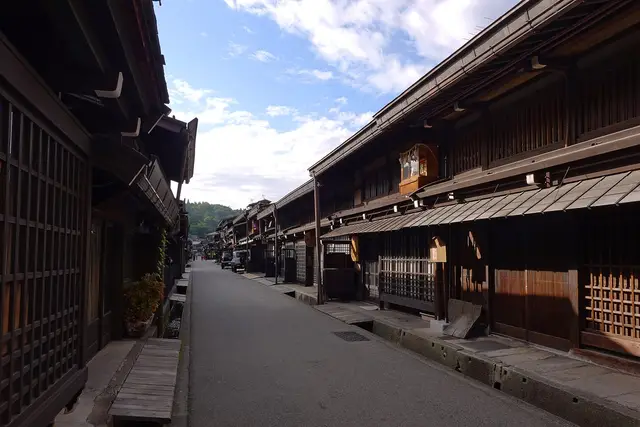
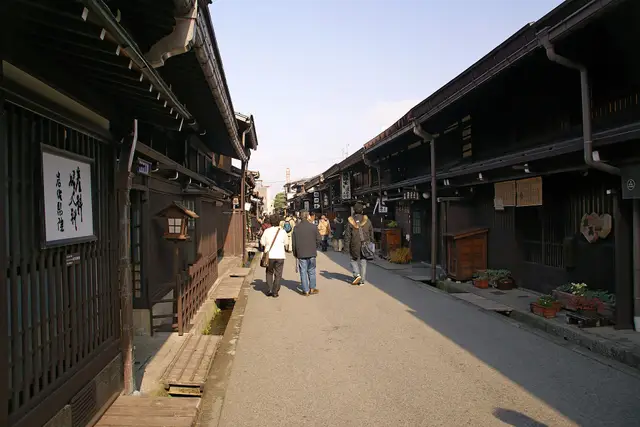
Old Town (Sanmachi Suji)
Streets of dark-latticed merchant houses dating from the Edo period, with sake breweries and stalls for dango and Hida beef.
Introduced by JNTO
Takayama's old townscape is named as a side trip off the usual route. Source: JNTO, Off the Beaten Track in Japan
- History & buildings
- Food & markets
- Shopping & strolling
about 1.5 hrFreeWheelchair & stroller friendly
Walk · About 12 min from Takayama ・ 800m
- 2
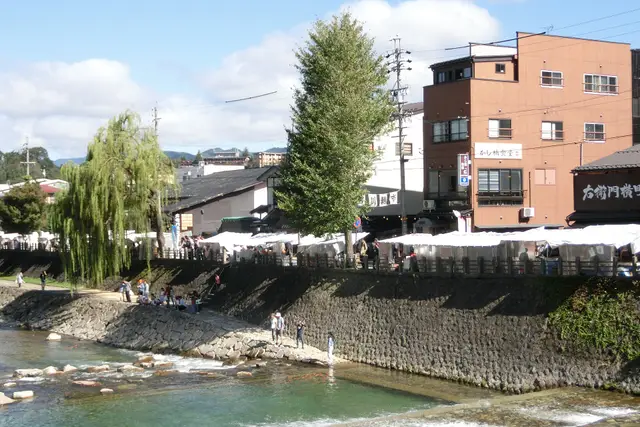
Miyagawa Morning Market
A market held every morning along the Miyagawa River. Buy vegetables, pickles and handmade goods from the makers. Ends around noon.
- Food & markets
- Shopping & strolling
about 45 minFree
Walk · About 12 min from Takayama ・ 700m
- 3
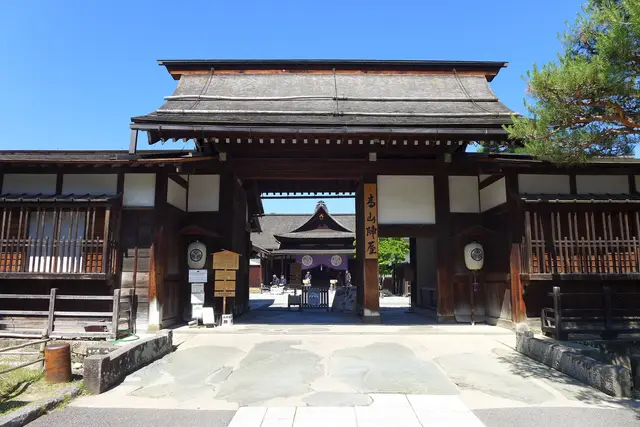
Takayama Jinya
The office from which the shogunate ruled Hida; the only such building left in Japan. A morning market is held in front of the gate.
- History & buildings
about 60 minPaid entryFine on a rainy dayWheelchair & stroller friendly
Walk · About 10 min from Takayama ・ 600m
- 4
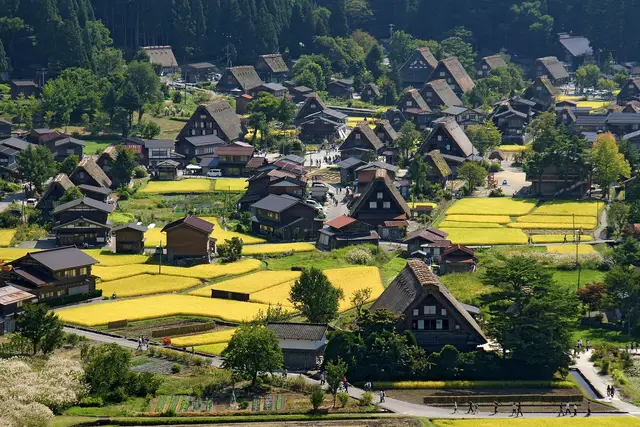
Shirakawa-go
A World Heritage village of steep thatched farmhouses, with a viewpoint over the whole valley. People live here, so please be quiet.
- History & buildings
- Views
- Nature
about 3 hrFreeWheelchair & stroller friendly
Bus · About 60 min from Takayama ・ Highway bus to Shirakawa-go Bus Terminal ・ 34km
- 5
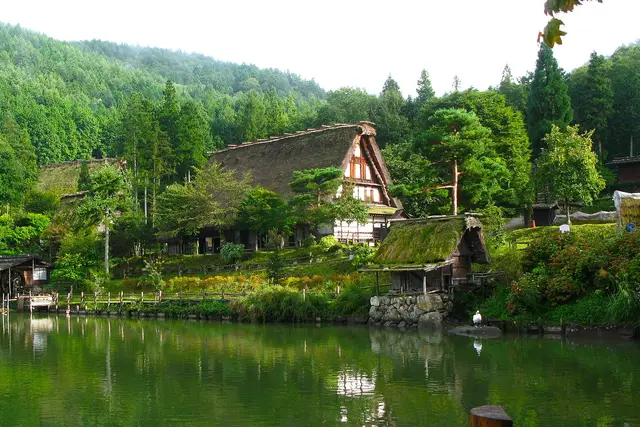
Hida Folk Village (Hida no Sato)
An open-air museum of old Hida farmhouses, including thatched gassho houses, moved here. Good if you have no time for Shirakawa-go.
- History & buildings
- With kids
about 1.5 hrPaid entryPartly step-free
Bus · About 20 min from Takayama ・ Sarubobo Bus to Hida no Sato ・ 1.8km
- 6
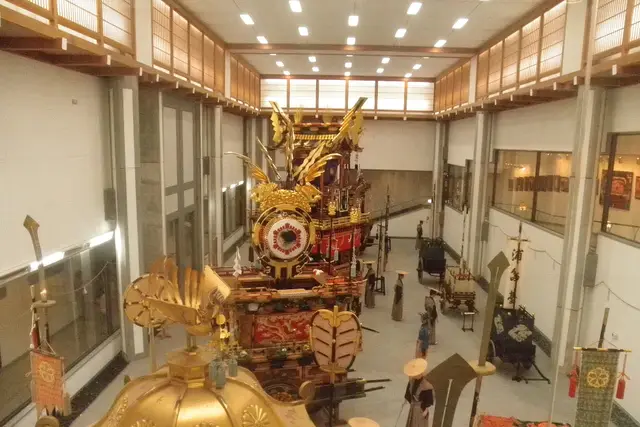
Festival Float Hall and Sakurayama Hachimangu
See real, richly decorated floats from the autumn Takayama Festival all year round, in the grounds of the festival's shrine.
- History & buildings
- Temples, shrines & churches
- Museums
about 60 minPartly paidFine on a rainy dayPartly step-free
Walk · About 20 min from Takayama ・ 1.2km
Show on map
ClassicsHidden gems
Suggested routes
Times assume a 9:00 start. Travel times are estimated from distance and vary with waiting and crowds.
Morning market, the Jinya and the old town on foot
Leave 9:00 → until about 14:55 (about 6 hr)
- 9:00Takayama
about 12 min on foot
9:12Miyagawa Morning Marketstay about 45 minabout 9 min on foot
10:06Takayama Jinyastay about 60 minabout 4 min on foot
11:10Old Town (Sanmachi Suji)stay about 1.5 hrabout 10 min on foot
12:50Kusakabe Folk Museum and Yoshijima Housestay about 60 minabout 5 min on foot
13:55Festival Float Hall and Sakurayama Hachimangustay about 60 min
The morning market closes around noon, so start there. Everything is within walking distance.
Plan this routeHida Folk Village, then quiet temples and the castle hill
Leave 9:00 → until about 14:36 (about 5.5 hr)
- 9:00Takayama
about 20 min by transport
9:20Hida Folk Village (Hida no Sato)stay about 1.5 hrabout 15 min by transport
11:05Hida Kokubunji Templestay about 30 minabout 19 min on foot
11:54Higashiyama Walking Course (Teramachi)stay about 1.5 hrabout 12 min on foot
13:36Shiroyama Park (Takayama Castle ruins)stay about 60 min
Take the bus out to Hida Folk Village and back. The temple walk and castle hill have slopes and paths, so wear good shoes.
Plan this route
When to go
The spring and autumn Takayama Festivals are the highlights. Summer averages about 24°C but July is rainy. Winter averages around −1°C with snowy streets.
Point at a month to see its temperature and precipitation.
Temperature (line: average; band: low to high)
Precipitation (mm)
Typical seasons
Cherry blossoms (Nakabashi Bridge)
Spring Takayama Festival
Autumn Takayama Festival
Autumn leaves (Shiroyama)
Snowy old town
Show as a table
| Jan | Feb | Mar | Apr | May | Jun | Jul | Aug | Sep | Oct | Nov | Dec | |
|---|---|---|---|---|---|---|---|---|---|---|---|---|
| High (℃) | 3.2 | 4.7 | 9.8 | 17 | 22.9 | 26.1 | 29.5 | 31 | 26.1 | 19.9 | 13.1 | 6.2 |
| Avg (℃) | -1.2 | -0.6 | 3.4 | 9.7 | 15.6 | 19.7 | 23.5 | 24.4 | 20 | 13.5 | 7.1 | 1.6 |
| Low (℃) | -4.8 | -4.9 | -1.6 | 3.4 | 9.4 | 14.9 | 19.4 | 20.1 | 15.9 | 9.2 | 2.9 | -1.7 |
| Rain (mm) | 101.9 | 93.5 | 122.5 | 123.9 | 125.2 | 170.4 | 260.9 | 197.9 | 225.9 | 155.5 | 94.4 | 104.4 |
Temperature and precipitation are Japan Meteorological Agency normals (1991–2020, Takayama). Seasons are typical timings and can shift by a week or two each year. JMA data
Main ways to get around
Limited Express Hida
About 2.5 hours from Nagoya and 1.5 hours from Toyama. From Tokyo, change from the Shinkansen at Nagoya or Toyama. The line follows rivers through the mountains.
Highway and regional buses (Takayama Nohi Bus Center)
From the bus center by the station: about 50 minutes to Shirakawa-go, plus Kanazawa, Matsumoto, Hirayu Onsen and Shinhotaka. Some Shirakawa-go and Kanazawa buses must be booked.
Sarubobo Bus and Machinami Bus
The Sarubobo Bus goes to Hida Folk Village and the Machinami Bus loops around the old town. Both leave from the bus center by the station.
On foot
The old town is about 10 minutes on foot from the station, and the Jinya, markets and festival float hall are all walkable. Wear non-slip shoes in winter snow.
Rental bicycles
Shops near the station rent bicycles, handy for the Higashiyama temple area and places a little further out. Not suited to the snowy winter months.
Getting to Takayama
“Classics” and “Hidden gems” are our editors' picks, not a measured popularity ranking. Travel times are estimates. Please check prices, opening hours and operating days with the official sources before you go.
Photo and data credits
Dark wooden townhouses along a street in Takayama's old town 663highland (CC BY-SA 4.0) / Visitors strolling along Sanmachi Suji in Takayama's old town 663highland (CC BY 2.5) / White stalls of the Miyagawa Morning Market lined up along the river Abasaa (Public domain) / The front gate of Takayama Jinya under a blue sky Wpcpey (CC BY 4.0) / Thatched gassho-style farmhouses among ripe rice fields in Shirakawa-go 663highland (CC BY 2.5) / Thatched farmhouses beside the pond at Hida Folk Village rumpleteaser from Nagoya, Japan (CC BY 2.0) / Ornate Takayama Festival floats on display in the Float Exhibition Hall Mti (CC BY-SA 3.0). Cropped and resized.
Local food
Regional dishes handed down in Gifu. Many are home and community cooking, so not every dish is served at restaurants.
Hoba zushi
朴葉ずし
It is a traditional early summer dish made by wrapping vinegared rice in the leaves of a magnolia tree, and has been eaten as a feast during the farming holidays such as rice planting.
- Where it is made
- Southern Hida region to Chuno region
Keichan
鶏ちゃん
Some say that the name "keichan" comes from the fact that grilled pork hormone is called "tonchan (pig-chan)," while others say that the name "keichan" came from "keijan (chicken sauce)," a…
- Where it is made
- Gujo City, Gero City, southern Takayama City
Gohei-mochi
五平餅
Eventually, gohei-mochi came to be offered to the gods to pray for safe work in the mountains, and was also used as offerings and eaten at harvest celebrations and other festive occasions.
- Where it is made
- Tono Region, Hida Region
Hoba Miso (Magnolia Leaf Miso)
朴葉味噌
This dish is prepared by spreading homemade koji miso paste onto hoba (magnolia leaves), which are then grilled.
- Where it is made
- Hida/Takayama region
Otoshi no Gottso
大歳のごっつぉ
"Otoshi no Gottso" is eaten throughout Gifu Prefecture from New Year's Eve on December 31st to the third day of the New Year.
- Where it is made
- Chuno, Tono, and Hida areas
Nezushi
ねずし
“Nezushi” is a type of flavorful fermented sushi that has been a delicacy as a New Year’s dish in the Central Hida Region since long ago.
- Where it is made
- Gero City located in the middle of the Hida Region, Central Mino Region
“Find places serving it” opens a map app search for the dish name and the place name. The results are not chosen or recommended by this site. Please check with the shop whether it serves the dish.
Source: “Our Regional Cuisines” (Ministry of Agriculture, Forestry and Fisheries), edited by this site (imported 2026-11-15) https://www.maff.go.jp/e/policies/market/k_ryouri/index.html. Names, areas and ingredients are as written on the source pages; descriptions are excerpts of the original text. No photos are used. This page is not made or endorsed by the ministry.