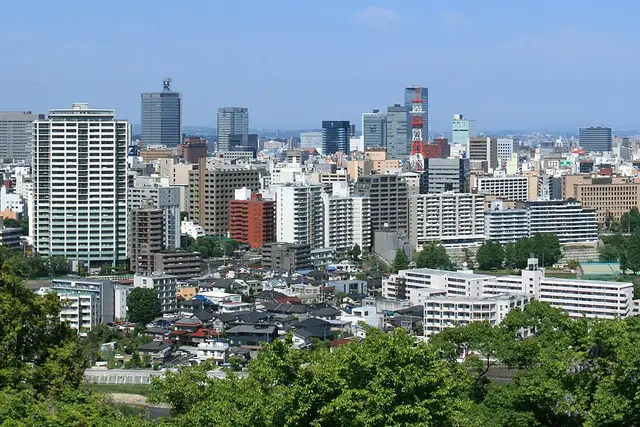
Sendai guide
A castle town founded by the warlord Date Masamune. Zelkova-lined avenues, the castle site and his mausoleum are in the city; Matsushima Bay and Yamadera are easy train trips. Known for grilled beef tongue.
Things to see 10 classics
"Classics" and "Hidden gems" are this site's editorial picks, not a measured popularity ranking.
- 1
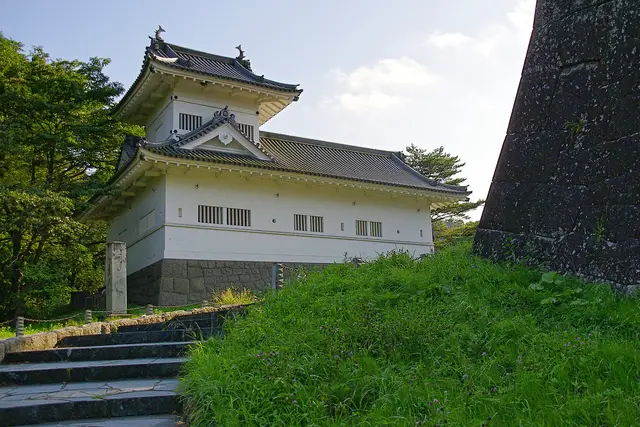
Sendai Castle Site (Aoba Castle)
The site of Date Masamune's castle. Stone walls remain, and the hilltop with his statue on horseback looks out over the city.
- History & buildings
- Views
about 60 minFree
Bus · About 30 min from Sendai ・ Loople Sendai bus to Sendai Castle Site ・ 2.4km
- 2
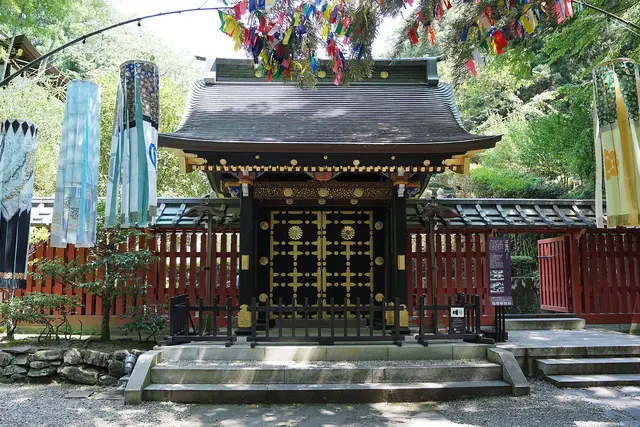
Zuihoden Mausoleum
The mausoleum of Date Masamune. Stone steps through tall cedars lead up to a hall covered in brightly colored carvings.
- History & buildings
- Museums
about 45 minPaid entryMany stairs or slopes
Bus · About 25 min from Sendai ・ Loople Sendai bus to Zuihoden-mae, then about 7 minutes on foot ・ 1.7km
- 3
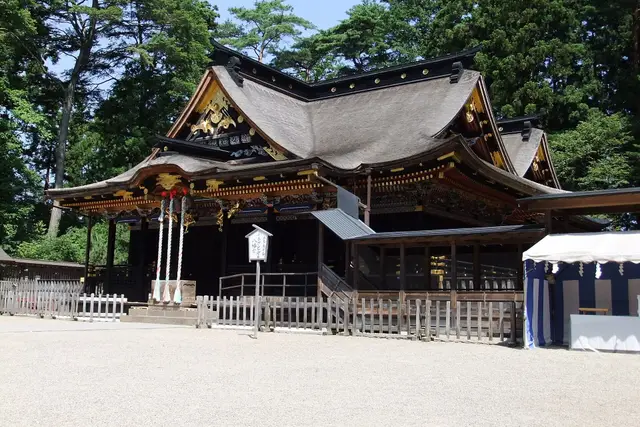
Osaki Hachimangu Shrine
A shrine built by Date Masamune. Its main hall, in black lacquer with gold and colored carvings, is a National Treasure.
- Temples, shrines & churches
- History & buildings
about 30 minFree
Bus · About 30 min from Sendai ・ Bus from Sendai Station to Osaki Hachimangu-mae ・ 3.5km
- 4
Jozenji-dori Avenue
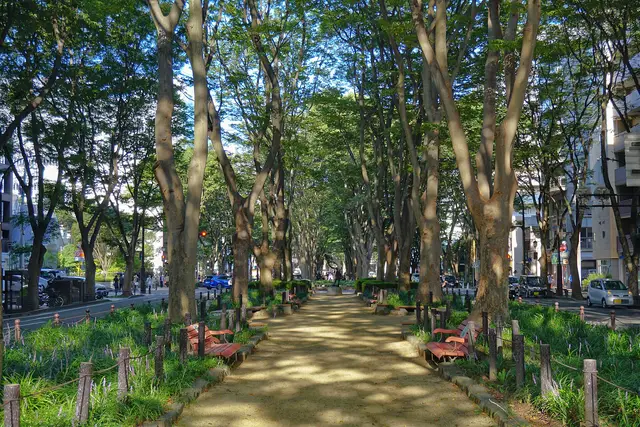
A broad avenue lined with zelkova trees, with sculptures along the central walkway. The trees are lit up in December.
- Nature
- Night views
about 30 minFree
Subway · About 12 min from Sendai ・ Namboku subway line to Kotodai-Koen ・ 1.3km
- 5
Sendai Morning Market (Asaichi)
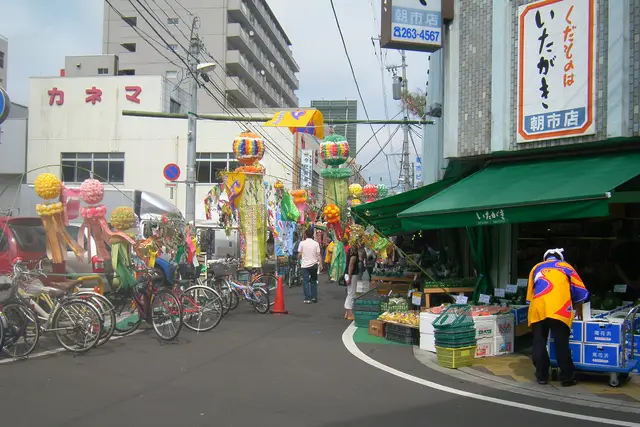
A lane of fish, vegetable and deli stalls a short walk from the station. Despite the name, it stays open into the evening.
- Food & markets
- Shopping & strolling
about 30 minFreeFine on a rainy day
Walk · About 5 min from Sendai ・ 400m
- 6
Matsushima Bay (Godaido Hall and cruises)
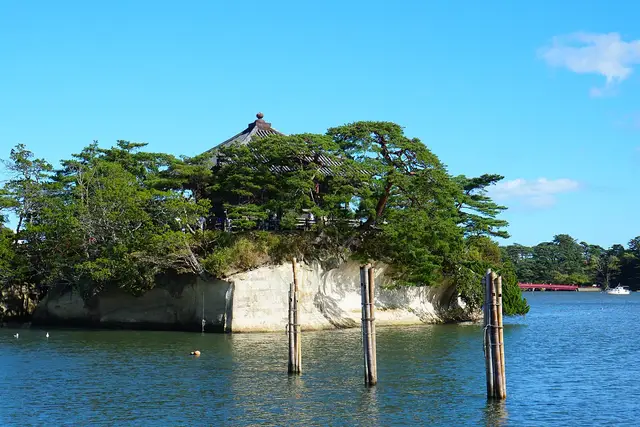
A bay dotted with pine-covered islands, one of Japan's Three Views. Cruise among the islands and cross a bridge to Godaido Hall.
Introduced by JNTO
Matsushima Bay is named in a feature on JNTO's UK site that presents Tohoku as a still little-known region. Source: JNTO (UK feature), Tohoku Travel Guide: Uncovering Japan's Best-Kept Secret
- Nature
- Views
- History & buildings
about 2 hrPartly paid
Train · About 55 min from Sendai ・ JR Senseki Line to Matsushima-Kaigan, then about 10 minutes on foot ・ 20km
Show on map
ClassicsHidden gems
Suggested routes
Times assume a 9:00 start. Travel times are estimated from distance and vary with waiting and crowds.
Masamune's castle town by Loople bus
Leave 9:00 → until about 13:30 (about 4.5 hr)
- 9:00Sendai
about 5 min on foot
9:05Sendai Morning Market (Asaichi)stay about 30 minabout 24 min on foot
9:59Zuihoden Mausoleumstay about 45 minabout 16 min on foot
11:00Sendai Castle Site (Aoba Castle)stay about 60 minabout 15 min by transport
12:15Osaki Hachimangu Shrinestay about 30 minabout 15 min by transport
13:00Jozenji-dori Avenuestay about 30 min
The bus only loops in one direction, so this order is the easiest. A one-day pass is handy.
Plan this routeShiogama and Matsushima
Leave 9:00 → until about 14:28 (about 5.5 hr)
- 9:00Sendai
about 50 min by transport
9:50Shiogama Shrinestay about 60 minabout 30 min by transport
11:20Matsushima Bay (Godaido Hall and cruises)stay about 2 hrabout 8 min on foot
13:28Zuiganji Templestay about 60 min
You can also cross from Shiogama's port to Matsushima by sightseeing boat.
Plan this route
When to go
May and October average around 15°C with moderate rain. Early August has the Tanabata Festival. Winters are dry and often sunny, averaging about 2°C.
Point at a month to see its temperature and precipitation.
Temperature (line: average; band: low to high)
Precipitation (mm)
Typical seasons
Cherry blossoms (Tsutsujigaoka Park)
Sendai Tanabata Festival
Pageant of Starlight
Autumn leaves (Akiu, Sakunami)
Show as a table
| Jan | Feb | Mar | Apr | May | Jun | Jul | Aug | Sep | Oct | Nov | Dec | |
|---|---|---|---|---|---|---|---|---|---|---|---|---|
| High (℃) | 5.6 | 6.5 | 10 | 15.5 | 20.2 | 23.1 | 26.6 | 28.2 | 25 | 19.8 | 14.1 | 8.3 |
| Avg (℃) | 2 | 2.4 | 5.5 | 10.7 | 15.6 | 19.2 | 22.9 | 24.4 | 21.2 | 15.7 | 9.8 | 4.5 |
| Low (℃) | -1.3 | -1.1 | 1.4 | 6.3 | 11.7 | 16.1 | 20.2 | 21.6 | 18 | 11.9 | 5.6 | 0.9 |
| Rain (mm) | 42.3 | 33.9 | 74.4 | 90.2 | 110.2 | 143.7 | 178.4 | 157.8 | 192.6 | 150.6 | 58.7 | 44.1 |
Temperature and precipitation are Japan Meteorological Agency normals (1991–2020, Sendai). Seasons are typical timings and can shift by a week or two each year. JMA data
Main ways to get around
Loople Sendai (sightseeing loop bus)
From Sendai Station it loops one way past Zuihoden, the Sendai Castle site, Osaki Hachimangu and more. A one-day pass is sold. Crowded on weekends and holidays.
Sendai Subway (Namboku and Tozai lines)
The Namboku Line goes to Kotodai-Koen; the Tozai Line to International Center and Arai. The two lines cross at Sendai Station.
JR Senseki Line
About 30 minutes from Sendai to Hon-Shiogama and 40 minutes to Matsushima-Kaigan. Matsushima Station on the Tohoku Line is a different station, far from the sights.
JR Senzan Line
About 40 minutes from Sendai to Sakunami and 1 hour to Yamadera. It runs through the mountains, so snow or fallen leaves can cause delays.
Sendai Airport Access Line
About 25 minutes from Sendai Airport to Sendai Station with no change of trains. Rapid services are a little faster.
Getting to Sendai
“Classics” and “Hidden gems” are our editors' picks, not a measured popularity ranking. Travel times are estimates. Please check prices, opening hours and operating days with the official sources before you go.
Photo and data credits
Downtown Sendai beyond the trees, seen from the Sendai Castle site Enirac Sum (Public domain) / The white turret of Sendai Castle on its stone wall 663highland (CC BY 2.5) / The black-and-gold Nehan-mon Gate of Zuihoden 掬茶 (CC BY-SA 4.0) / The shrine buildings of Osaki Hachimangu among trees Tak1701d (CC BY-SA 3.0) / The zelkova-lined promenade of Jozenji-dori Avenue 掬茶 (CC BY-SA 4.0) / Shops of the Sendai Morning Market under Tanabata decorations Kinori (Public domain) / Godaido Hall on a small island in Matsushima Bay 掬茶 (CC BY-SA 4.0). Cropped and resized.
Local food
Regional dishes handed down in Miyagi. Many are home and community cooking, so not every dish is served at restaurants.
Sendai zoni
仙台雑煮
Sendai Zoni has been eaten since the end of the Edo period.
- Where it is made
- Sendai area and other areas in the prefecture
Nametagarei no nitsuke(Boiled slime flounder)
ナメタガレイの煮つけ
The slime flounder is also known as “granny flounder” or “Indian flounder” in other regions. It is said that it came to be called “slime flounder” because it is very slimy.
- Where it is made
- Sendai City
Zunda mochi
ずんだ餅
There are various theories about the name "Zundamochi," including that it was created by a farmer named Jinta, or that Lord Date Masamune crushed edamame (soybeans) with the handle of his sword.
- Where it is made
- All over the prefecture
Sasa Kamaboko no Isobeage
笹かまぼこの磯部揚げ
Miyagi prefecture is rich in fishing grounds, with fishing ports in Kesennuma, Ishinomaki, Shiogama, and Yuriage, and large amounts of fish such as flounder, sea bass, and sea bream have been caught…
- Where it is made
- Entire Miyagi prefecture
Donko Jiru (brown hakeling soup)
どんこ汁
"Donko jiru" is a winter delicacy that uses plenty of donko, which goes well with miso. It is a local dish that warms the body from the inside out and is often eaten mainly in coastal areas.
- Where it is made
- All over Miyagi Prefecture
Ganzuki
がんづき
"Ganzuki", so named because of its resemblance to "Gan (goose in Japanese) meat", is a familiar snack for Miyagi residents.
- Where it is made
- All of Miyagi Prefecture
“Find places serving it” opens a map app search for the dish name and the place name. The results are not chosen or recommended by this site. Please check with the shop whether it serves the dish.
Source: “Our Regional Cuisines” (Ministry of Agriculture, Forestry and Fisheries), edited by this site (imported 2026-11-15) https://www.maff.go.jp/e/policies/market/k_ryouri/index.html. Names, areas and ingredients are as written on the source pages; descriptions are excerpts of the original text. No photos are used. This page is not made or endorsed by the ministry.